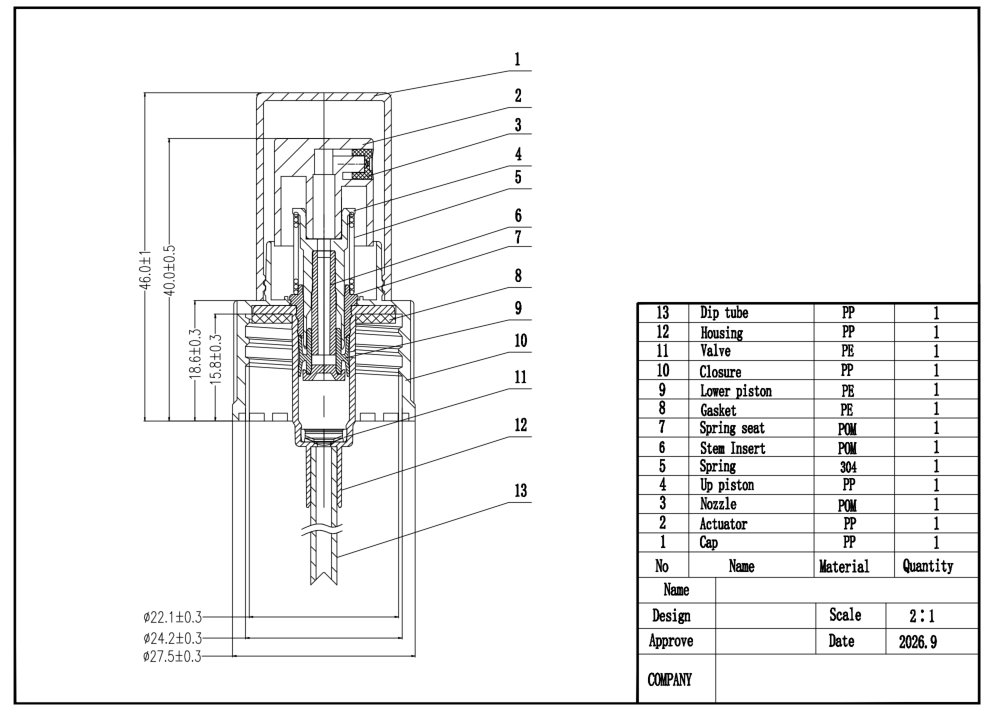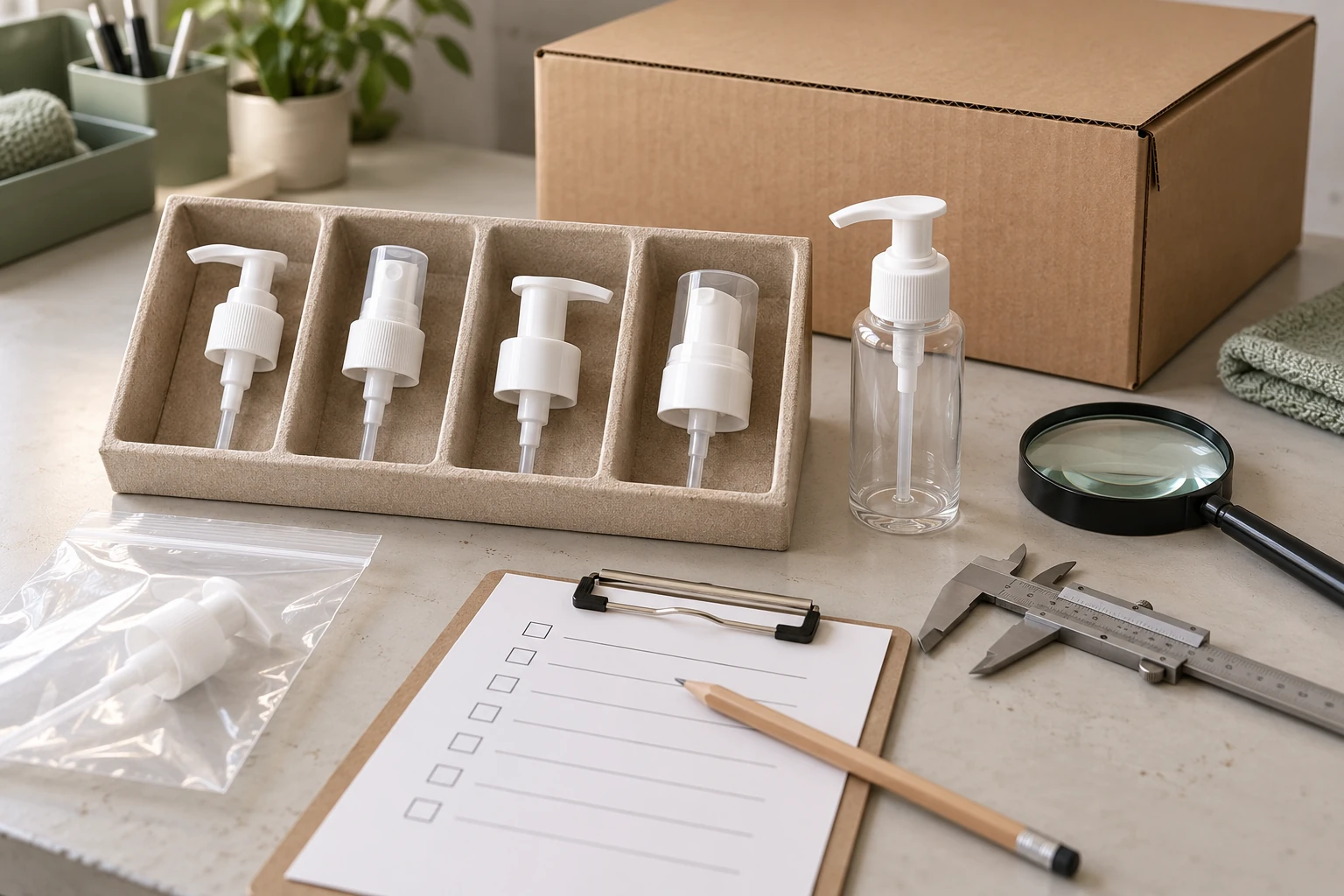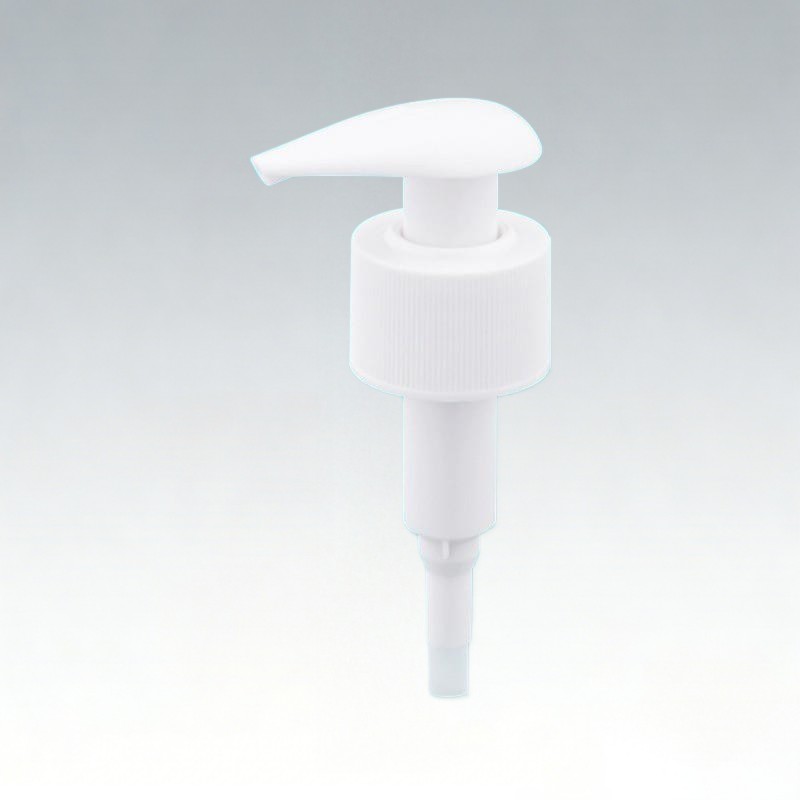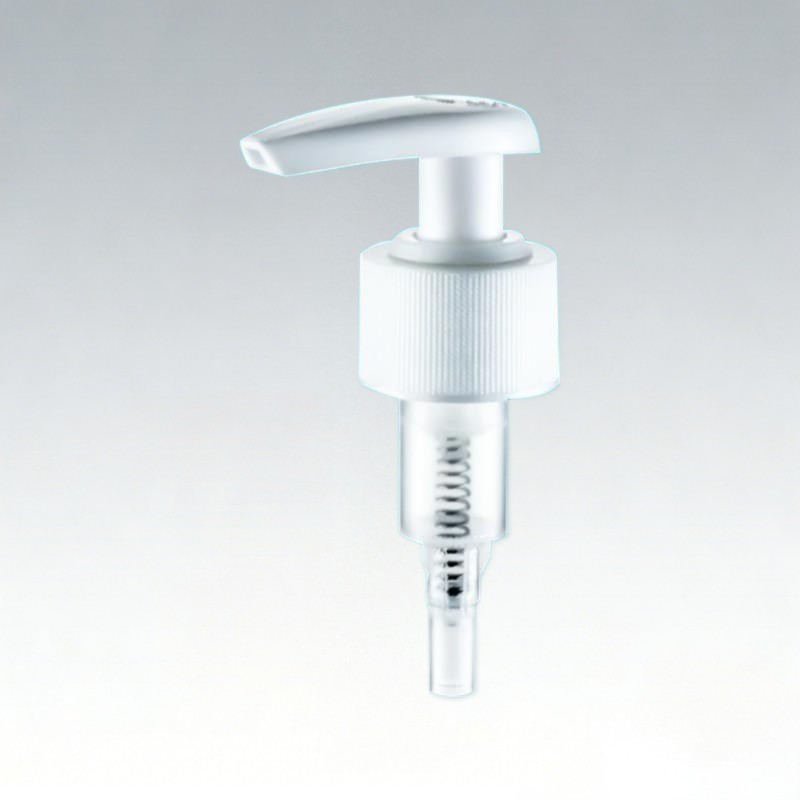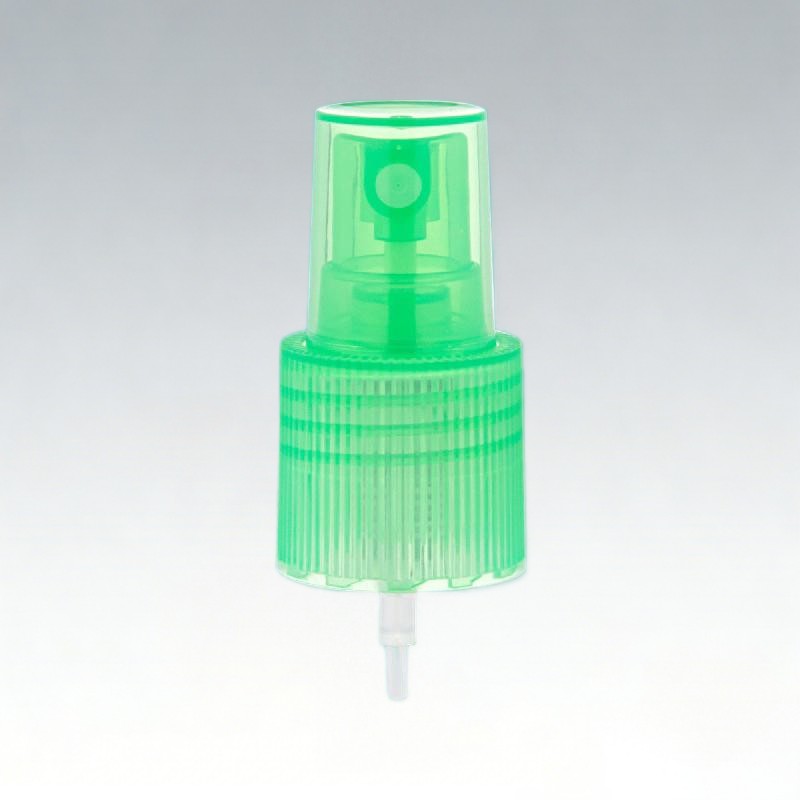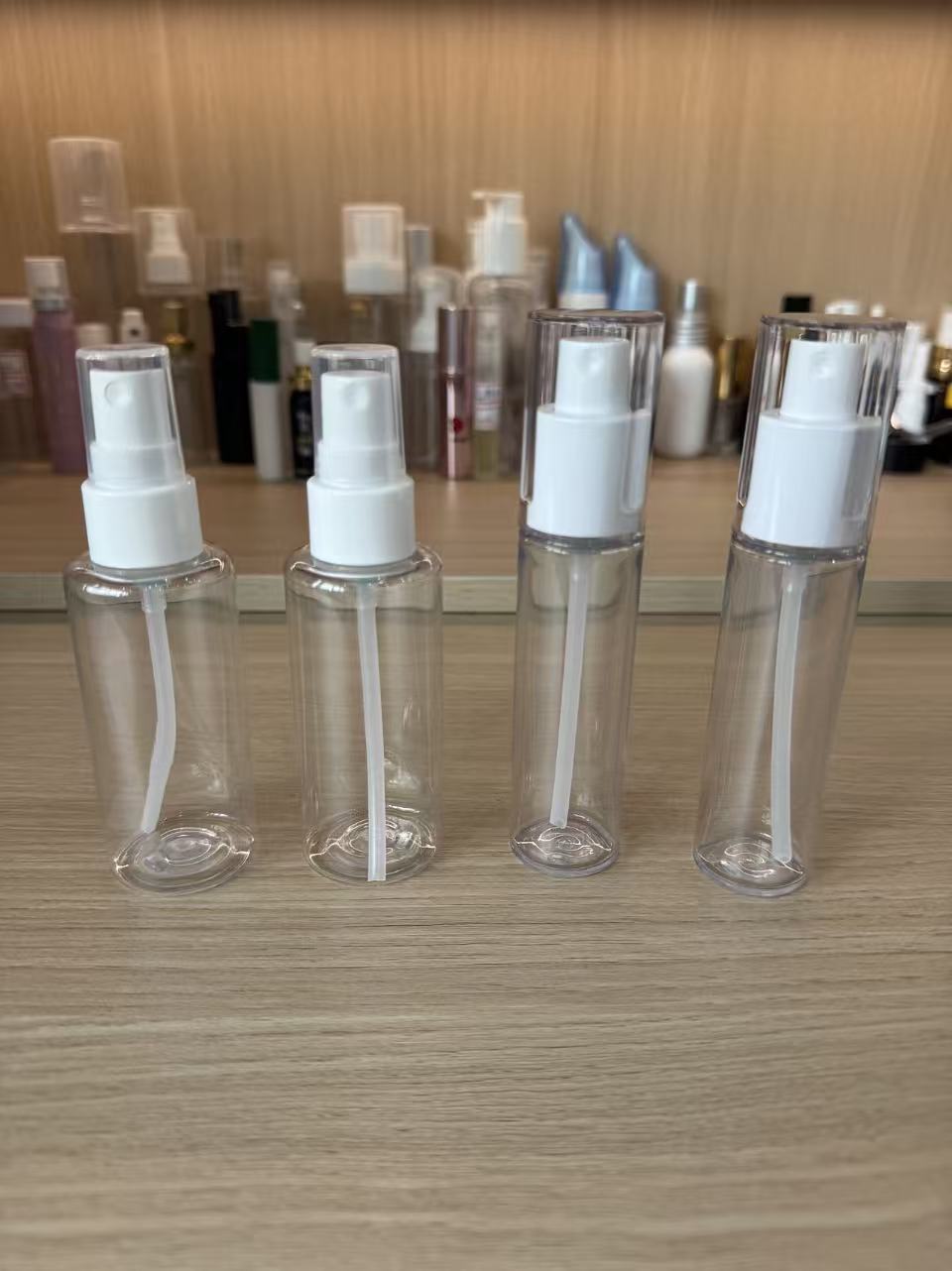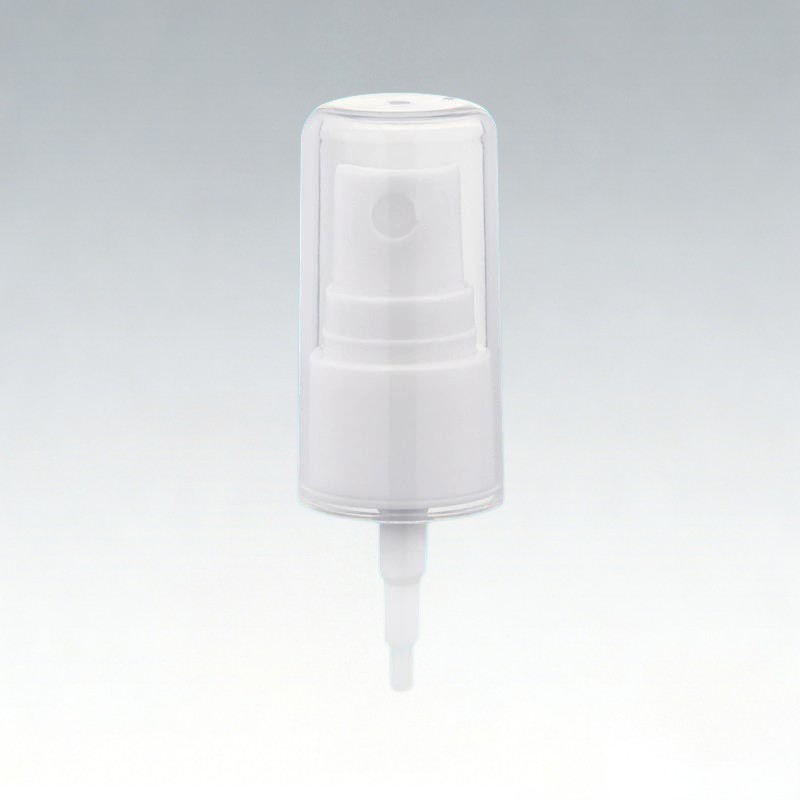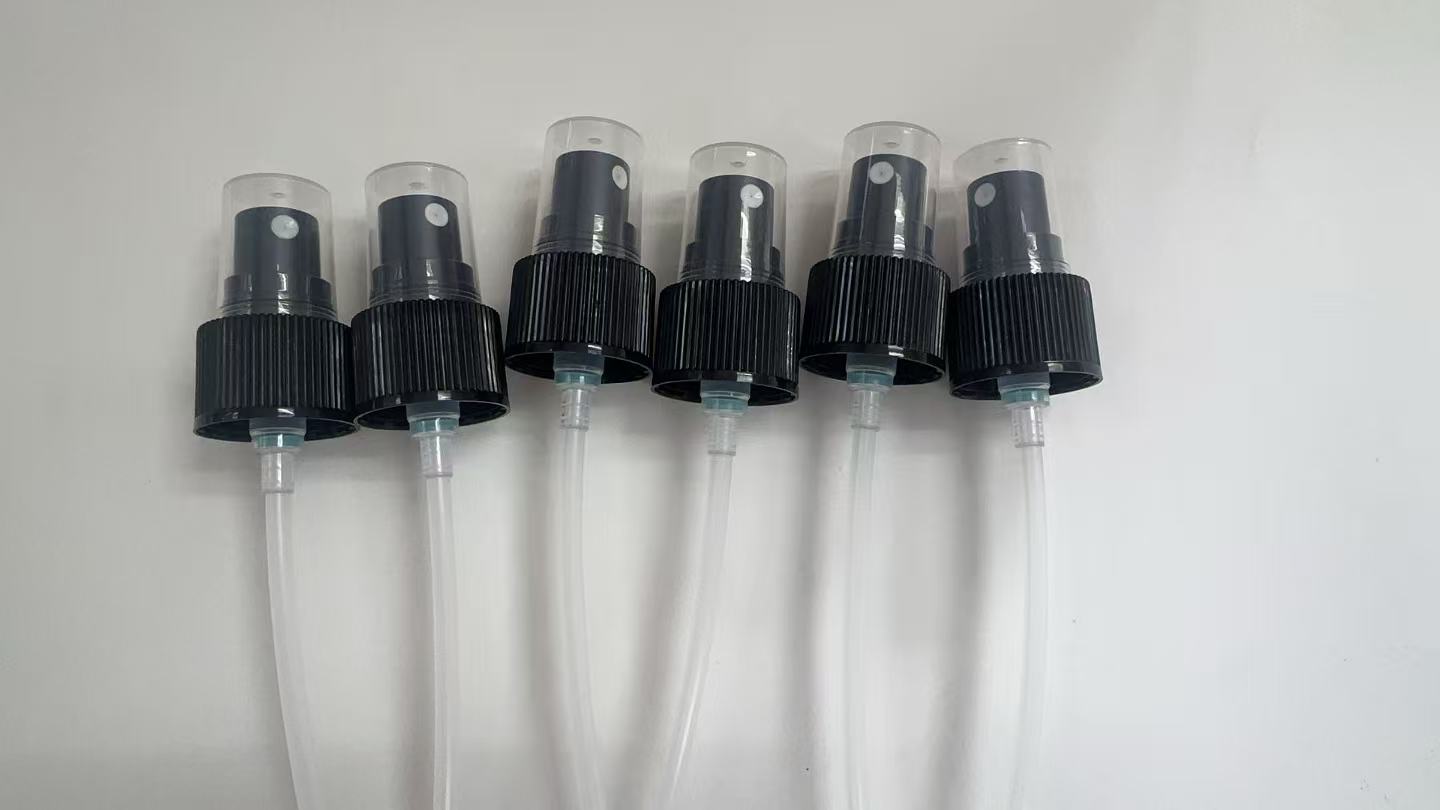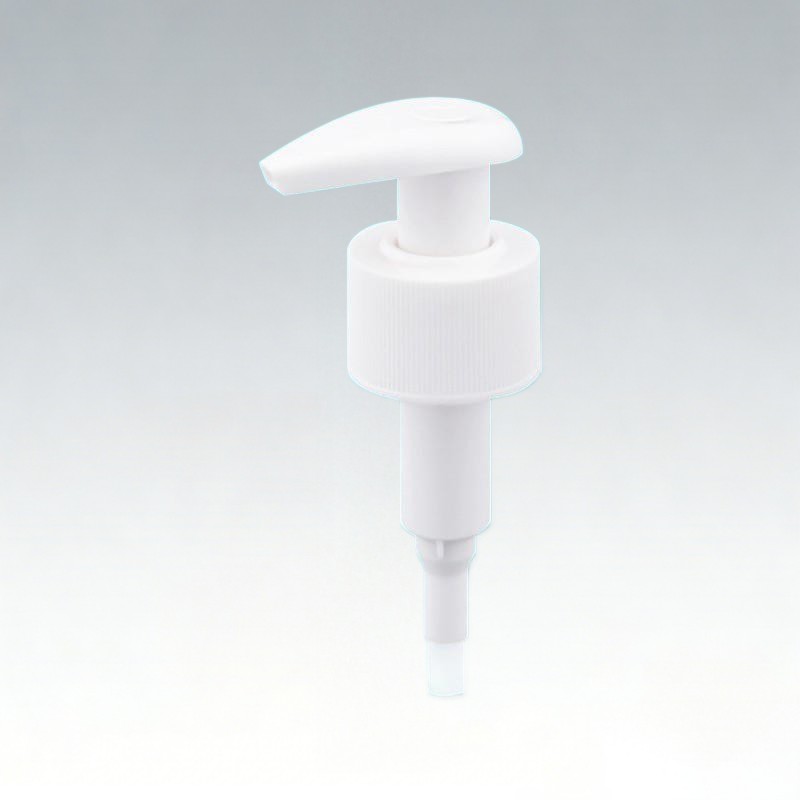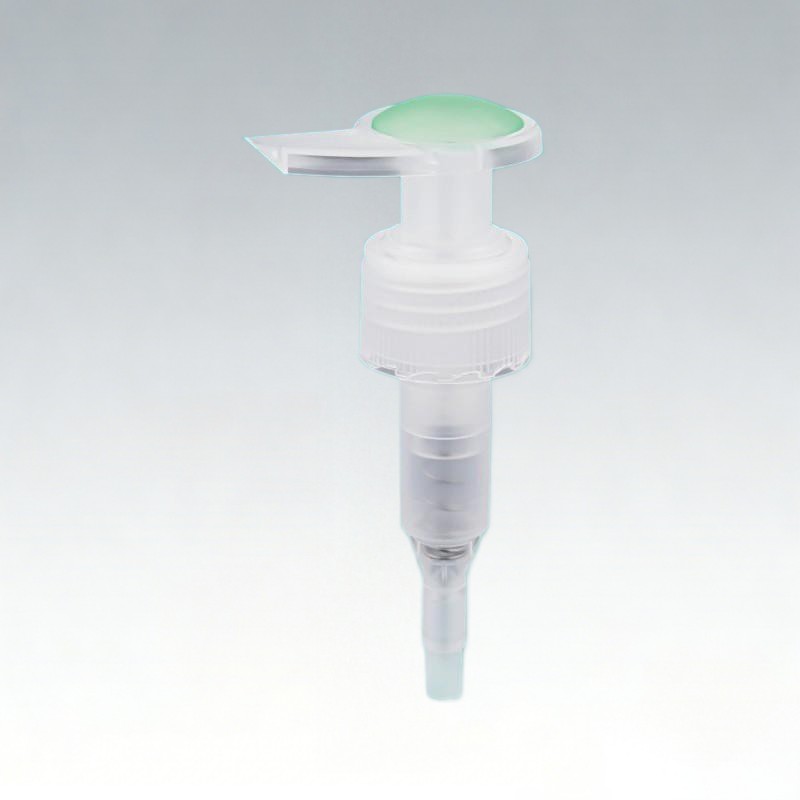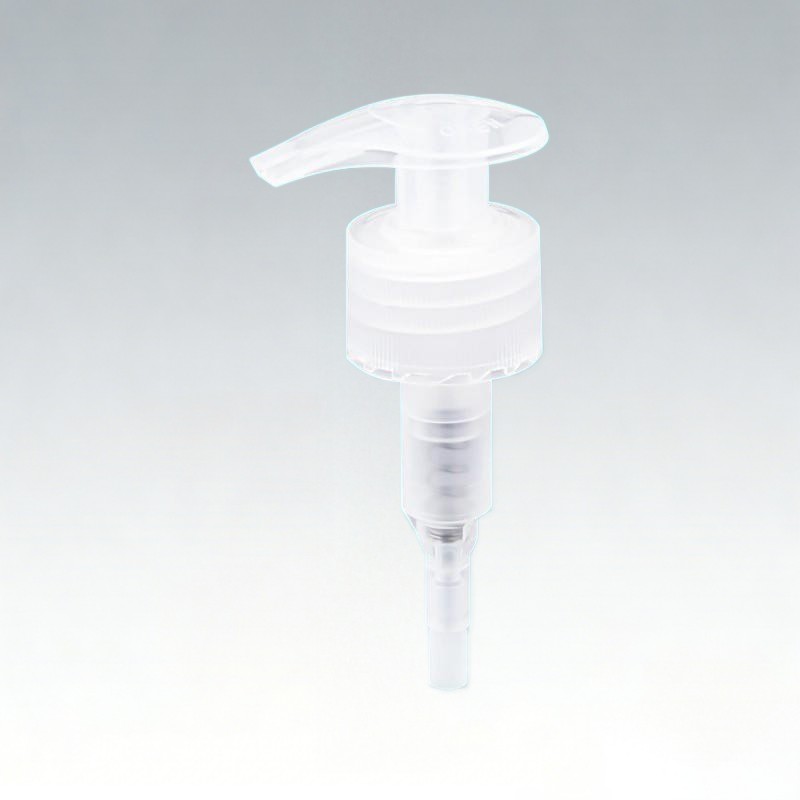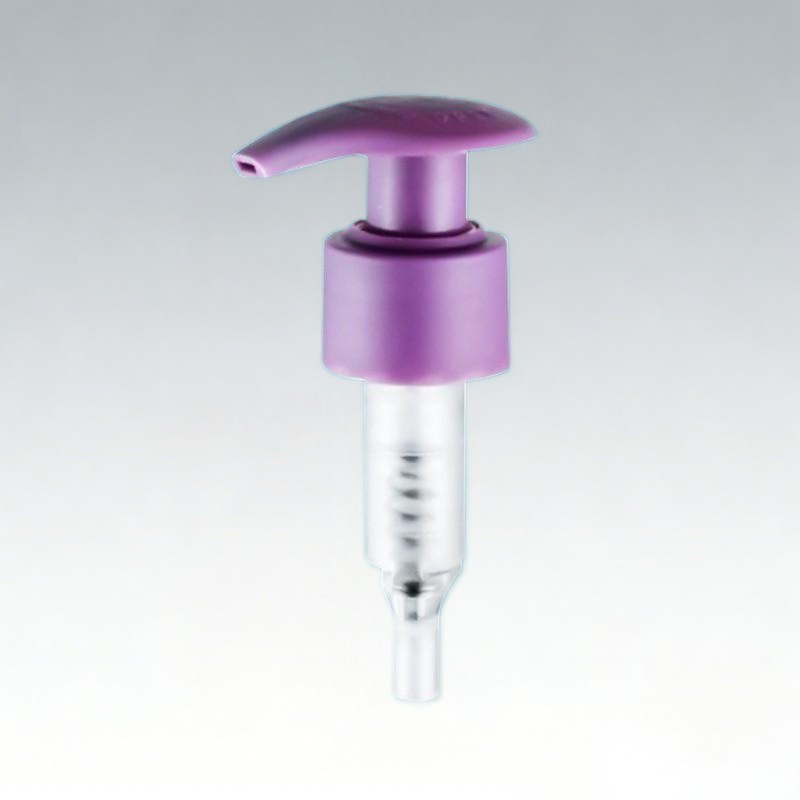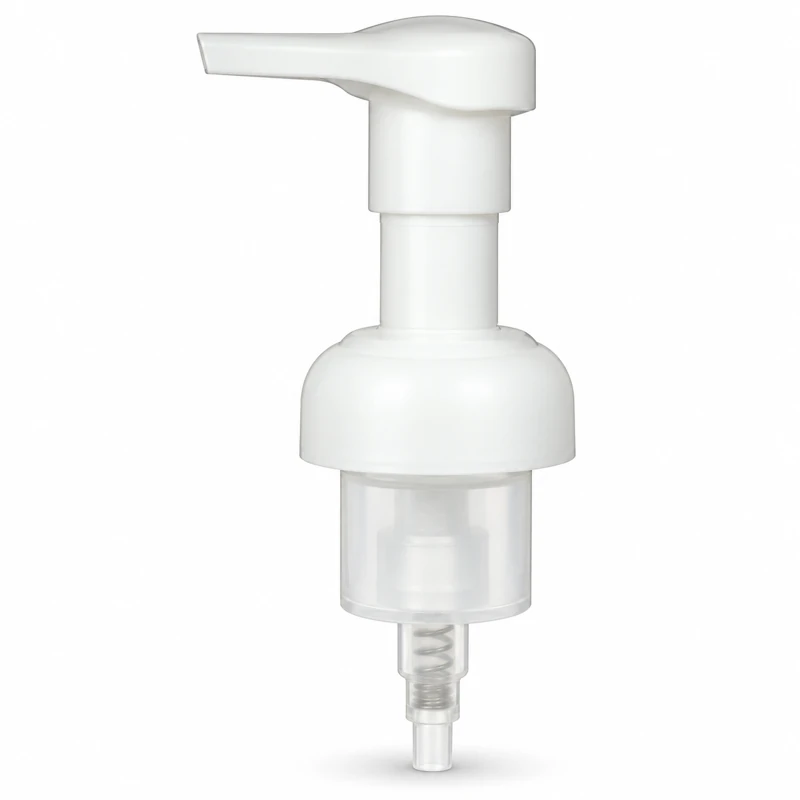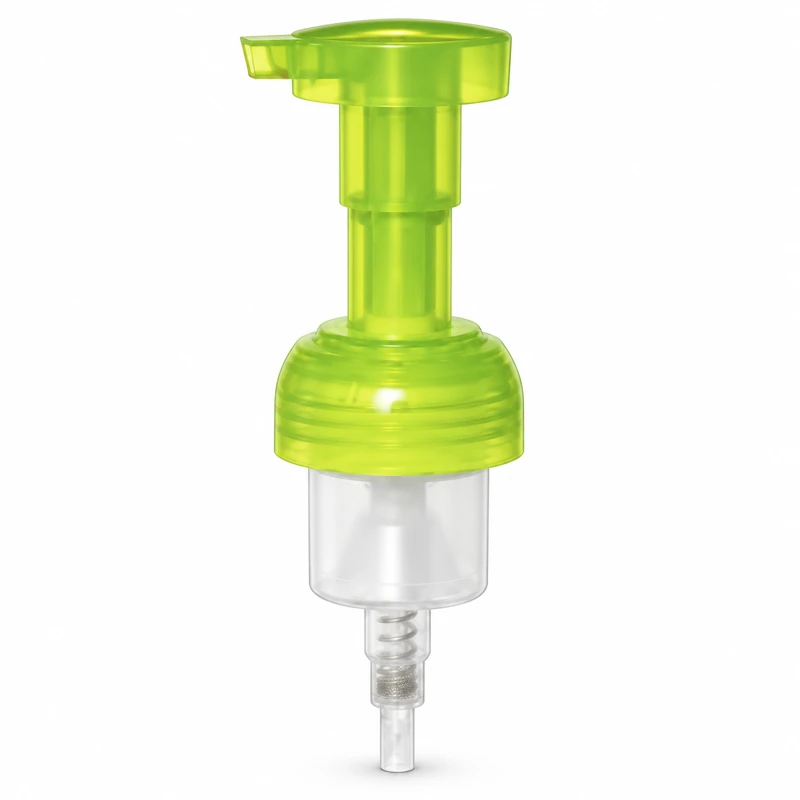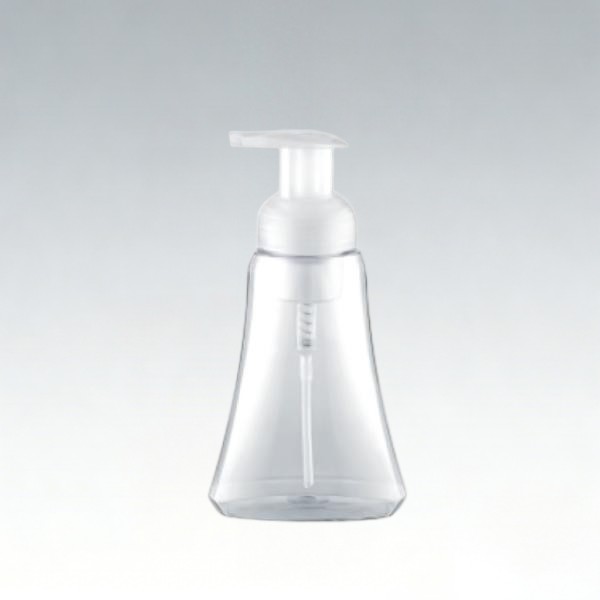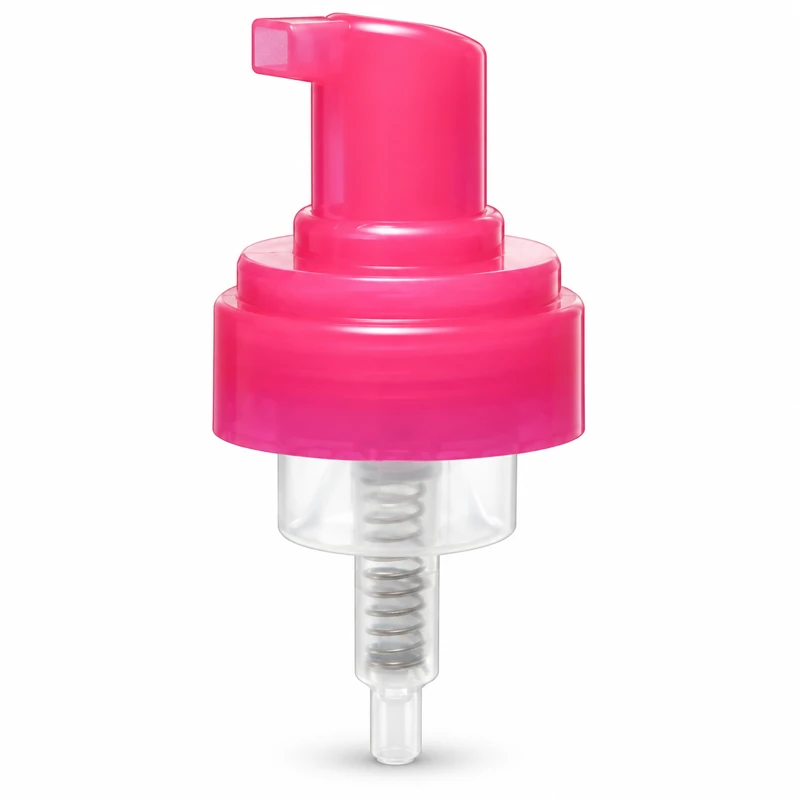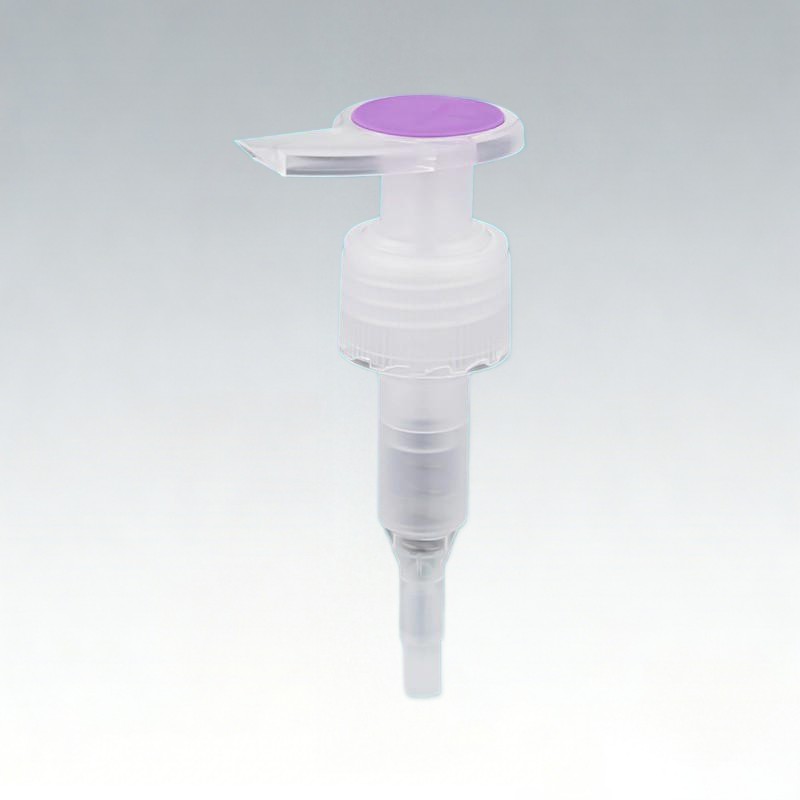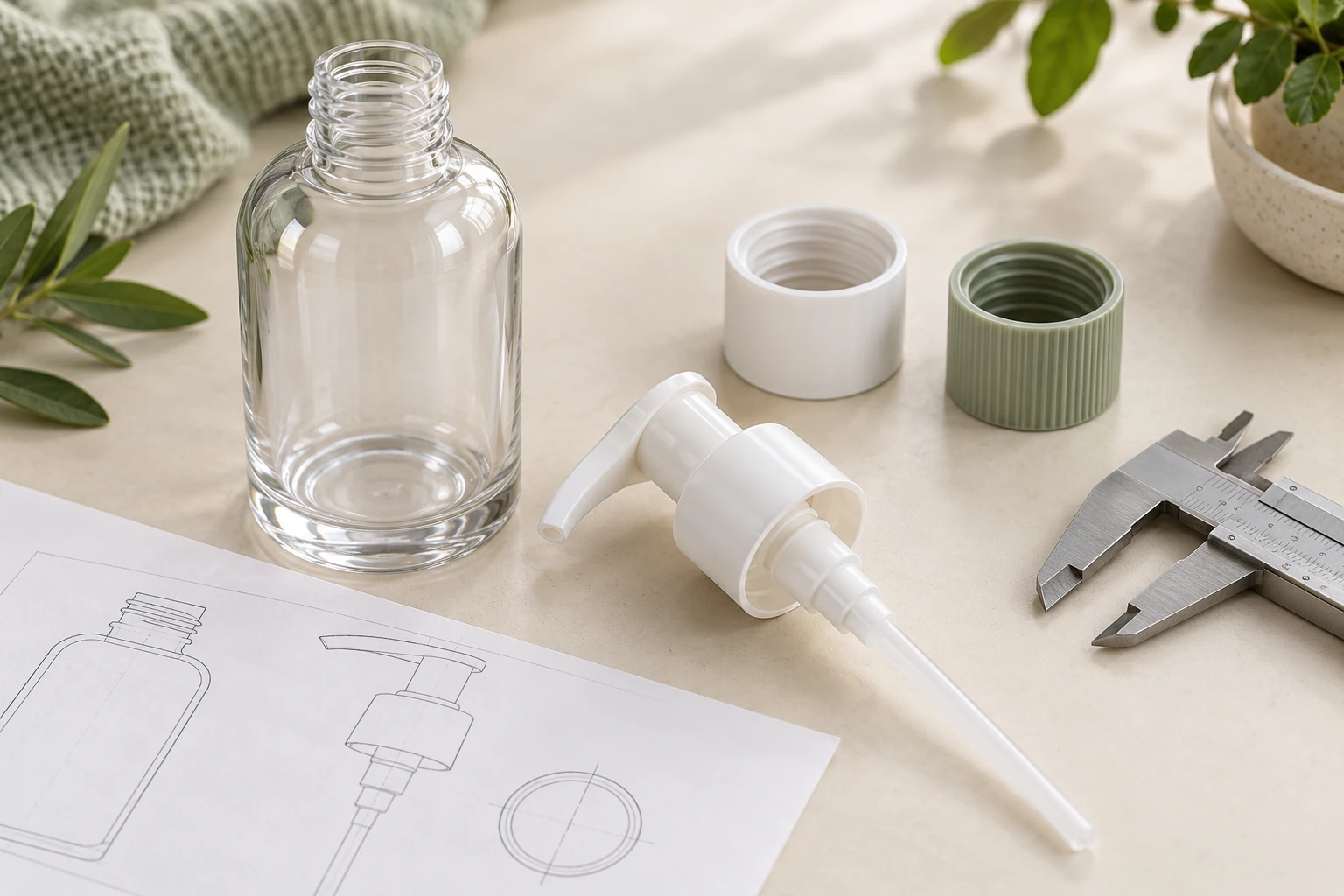
Does a 24/410 Lotion Pump Fit Your Bottle?
Use nominal neck sizes to shortlist pumps, then confirm the housing, sealing surface and assembled bottle before ordering.
Read the guideTHE STDPAK BUYER GUIDES
A pump that fits. A spray that suits the formula. A stopper you can approve with confidence. Start with the question holding up your packaging decision.
236 practical guides. Six buying topics.
Drawings, samples and agreed specifications come first.
WHERE ARE YOU IN THE ORDER?
No need to read the whole library.
I am choosing a component
A nominal neck size is useful. It is not a fit approval.
I have a dispensing problem
Leaks, poor priming and a weak spray need different checks.
I am ready to request samples
Record the assembly, liquid and approval criteria before ordering.
SIX BUYING TOPICS
Browse by component, or go straight to the purchasing questions that affect every order.
Neck fit, output, locking, tube length and sample approval.
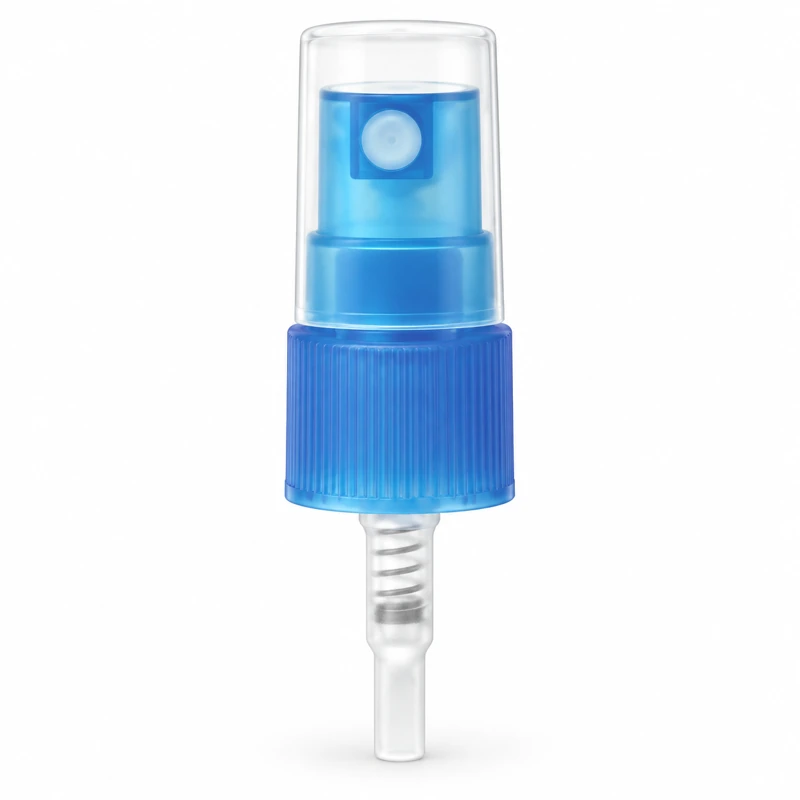
Screw or crimp, spray pattern, cap clearance and priming.
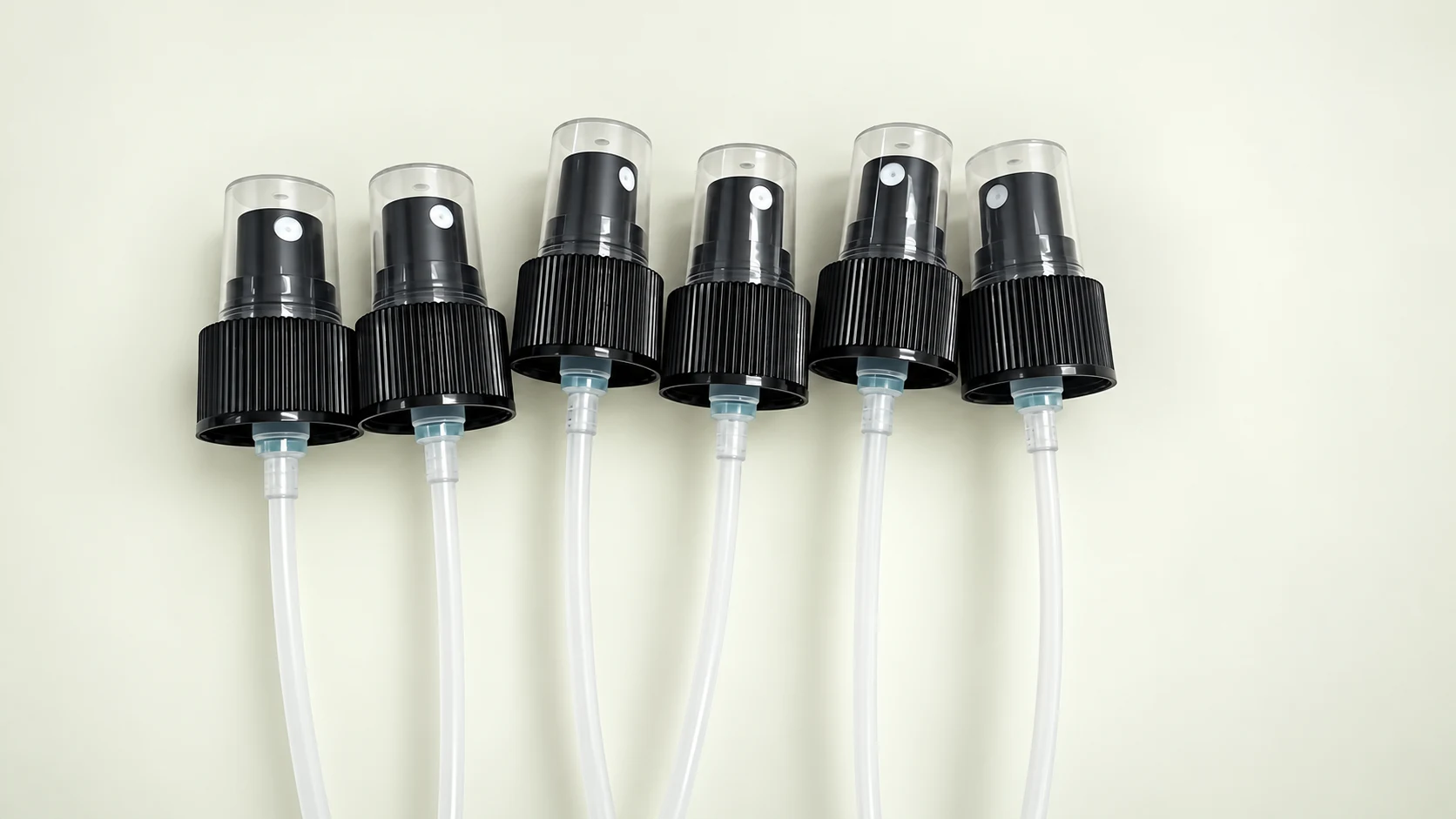
Formula disclosure, materials, leaks and compatibility trials.
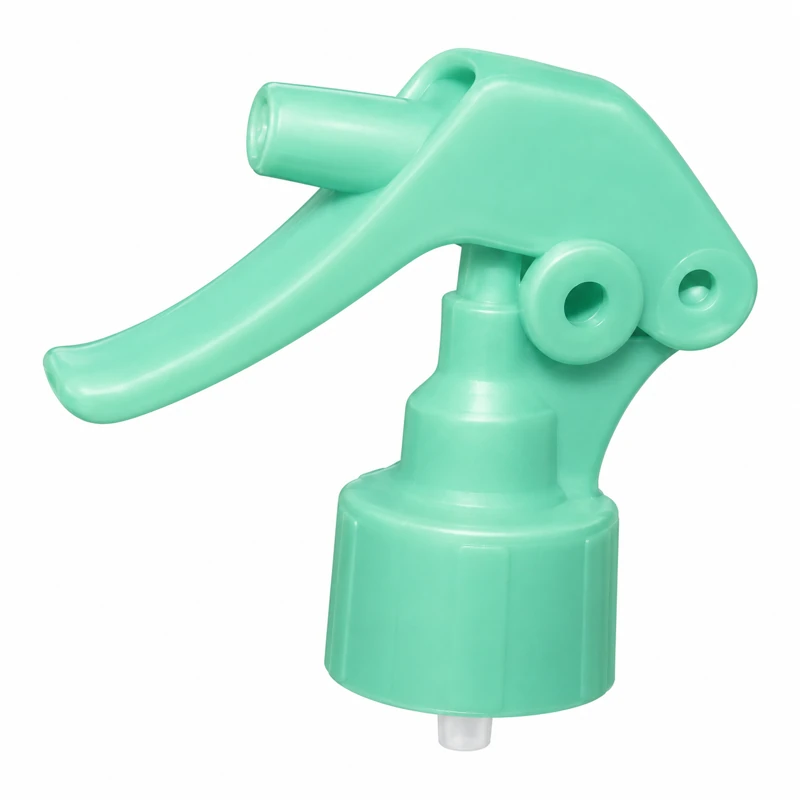
Output, chemical fit, shipping leakage and in-use handling.
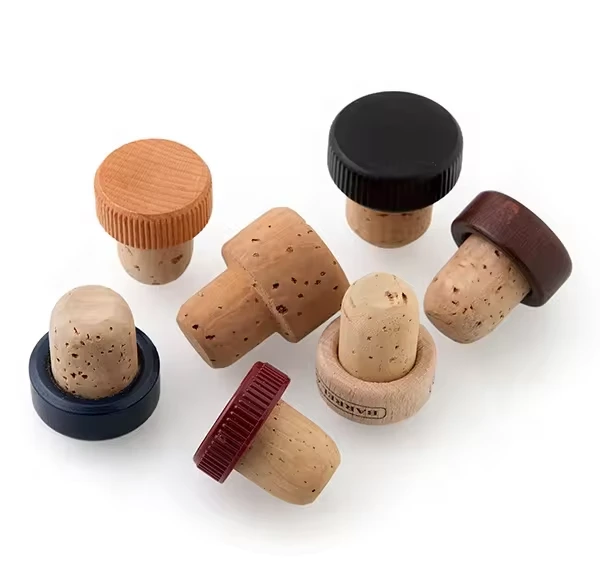
Bore fit, stopper choice, insertion and printed-lid approval.

RFQs, comparable quotes, pilot runs, inspection and paperwork.
THE GUIDE LIBRARY
Practical notes, comparisons and checklists. Look for the decision you need to make, not just a product name.
236 guides
Use nominal neck sizes to shortlist pumps, then confirm the housing, sealing surface and assembled bottle before ordering.
Read the guideSpecify liquid per stroke and the intended distribution as different approval targets.
Read the guideCompare storage behavior and dispensing performance using traceable formula, bottle and sprayer combinations.
Read the guideCompare nominal output with measured delivery, recovery and the number of strokes users need.
Read the guideUse symptom-based comparisons to separate assembly, formula and selected-configuration problems.
Read the guideSeparate confirmed construction, bottle interfaces and unresolved contact-material questions in an oil-sprayer review.
Read the guideEvaluate how users unlock, dispense and relock the exact filled assembly before selecting a shipping configuration.
Read the guideCompare bottle requirements, filling equipment and intended refill behaviour before selecting the pump attachment.
Read the guideTurn a broad oil-resistant request into a formula, bottle and use-case brief that suppliers can evaluate.
Read the guideApprove tube reach, inlet clearance and evacuation using the actual bottle rather than copying its external height.
Read the guideReview actuator protection, cap retention and collar clearance alongside colour and finish.
Read the guideSeparate assembly leakage, dispensing residue and possible material changes before choosing corrective samples.
Read the guideChoose a foamer by formula suitability and foam quality, with liquid consumption recorded separately from the visible foam dose.
Read the guideCompare output, coverage and user effort without treating a larger dose as an automatic upgrade.
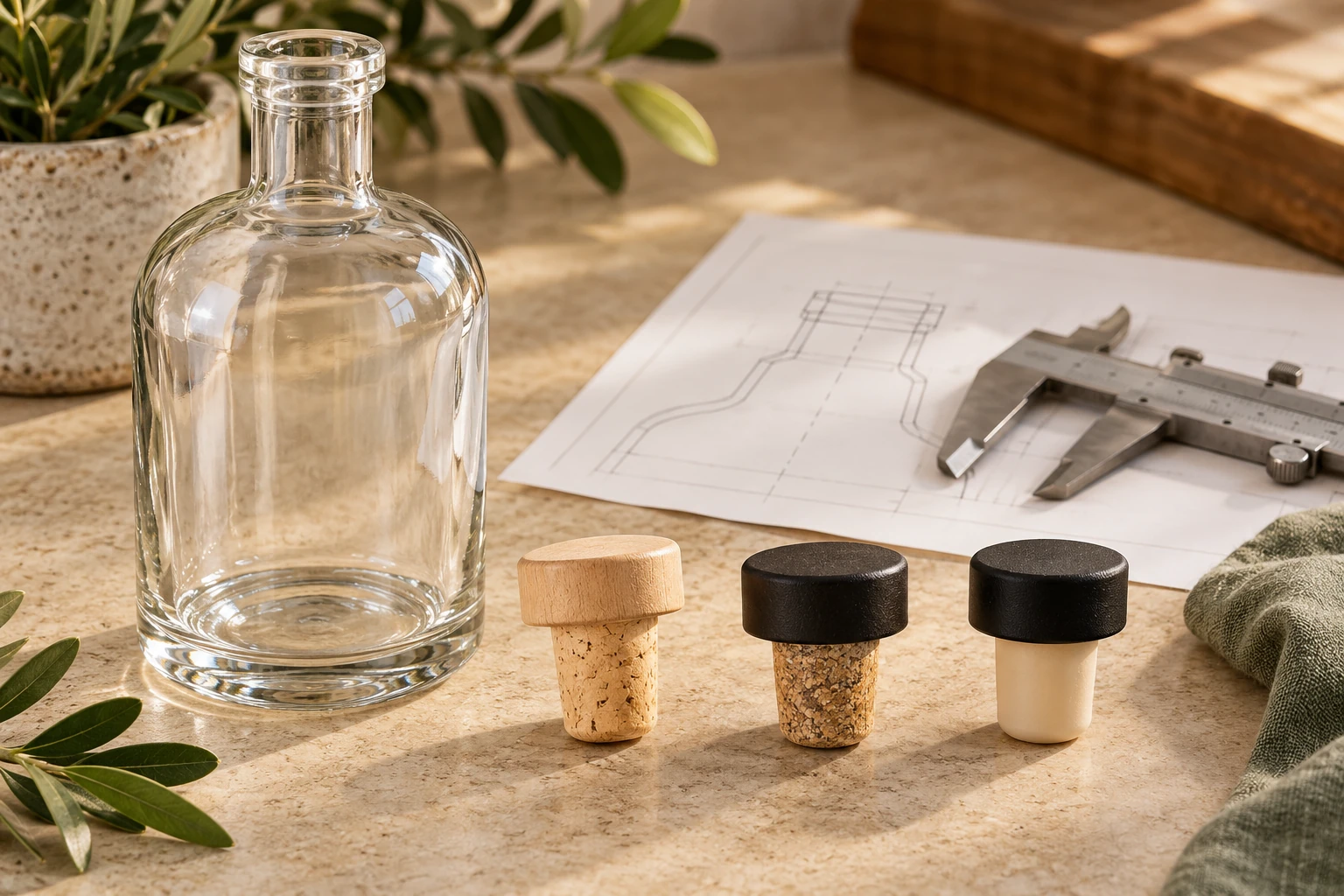
Read the guideA practical way to specify the sealing interface, choose samples, and approve a bar-top stopper without guessing from the bottle’s outside diameter.
Read the guideGive suppliers a common technical and commercial baseline so the first quotation exposes decisions instead of hiding assumptions.
Read the guideUnderstand what nominal finish labels can shortlist and what a matched assembly still needs to prove.
Read the guideChoose oil dispensing behavior from the application task and compare candidates with the actual formula.
Read the guideBuild a release record covering the bottle, formula, assembly, operation and permitted changes.
Read the guideInvestigate temperature-related recovery before increasing nominal dose.
Read the guideConnect bottle fit, tube position, spray behaviour, decoration and filling-line decisions in one approval record.
Read the guideLink an approved oil-sprayer sample to formula, bottle, component and evaluation records before releasing an order.
Read the guideGive suppliers measurement context and representative bulk.
Read the guideSeparate a storage-related first-spray problem from initial priming.
Read the guideSeparate temporary dispensing changes from persistent damage after cool storage.
Read the guideCompare cutoff behaviour without losing the intended portion.
Read the guideEvaluate spray, stream, foam and off settings against the task, formula and instructions users will follow.
Read the guideCompare material proposals through product contact, opening behavior, appearance, and evidence rather than broad claims about an entire material family.
Read the guideNormalize pump construction, performance, packing, and delivery costs before choosing a supplier by unit price.
Read the guideDecide whether wetting is residual spray, post-actuation leakage, or handling transfer.
Read the guideCompare storage effects without inventing an accelerated shelf-life claim.
Read the guideEvaluate the first delivery after a realistic pause.
Read the guideSeparate formula-contact claims from complete construction.
Read the guideCompare controlled full strokes with ordinary incomplete user actions.
Read the guideMake apparently inconsistent formula data useful to the packaging discussion.
Read the guideReview the actual suspended material before accepting a general thick-liquid claim.
Read the guideEvaluate whether a sprayer recovers during the intended application rhythm.
Read the guideSeparate formula settling from a tube or nozzle problem.
Read the guideTreat a fragrance revision as a compatibility question before a reorder.
Read the guideTranslate a chemical-resistant request into a documented formula review and a controlled filled-package trial.
Read the guideTranslate a comfortable opening experience into an agreed assembly and evaluation method, then isolate problems without guessing at stem size.
Read the guideUse a pilot to verify the exact component, formula, line, and packing combination, then release a reproducible production specification.
Read the guideSeparate tube access and bottle geometry from a general pump defect.
Read the guideEvaluate dispensing before and after the product visibly separates again.
Read the guideSeparate bulk filling conditions from ordinary storage requirements.
Read the guideSeparate entrained bulk air from persistent dispensing faults.
Read the guideTreat upside-down use as a specific application requirement.
Read the guideReview a scent-line extension without assuming the base formula controls everything.
Read the guideInspect clearance and recovery before calling the engine defective.
Read the guideAssess actual tube position after assembly and storage.
Read the guideDecide whether one dispenser can support the permitted mixed products.
Read the guideCheck the tube connection and insertion process before changing cut length.
Read the guideTrace leakage paths, locking behavior and packing variables before changing a trigger or adding protective material.
Read the guideBuild a compatibility trial that distinguishes sealing, material change, and sensory effects for the actual beverage or formula.
Read the guideBuild receiving checks around the approved pump specification, lot traceability, and meaningful assembled-pack tests.
Read the guideKeep cut quality and debris control visible in the purchase specification.
Read the guideKeep a formulation cost change from bypassing packaging review.
Read the guideReview tube presentation and final position instead of straightening by eye.
Read the guideAllocate cutting responsibility and inspect the operation before production.
Read the guideCompare internal base shapes when a fragrance redesign leaves visible product behind.
Read the guideDistinguish formula variation from unexplained dispenser variation.
Read the guideEvaluate how people distinguish the actuator lock from the bottle closure.
Read the guideDesign diagnostic swaps that answer a question without confusing approval.
Read the guidePrevent sample handling from becoming an invisible trial variable.
Read the guideSpecify the opening indication independently from transport protection.
Read the guideCompare reach, grip, repeated action and mode selection using the complete package and a realistic task.
Read the guideMatch the full finish, sealing compound, and filling process before committing to a tinplate lid size or printed production run.
Read the guideDefine the pack count, internal protection, handling, and transport conditions needed to deliver usable pumps, stoppers, and lids.
Read the guidePlan a formula conversion without assuming the old pump remains suitable.
Read the guideSeparate first-use setup from a persistent dispensing failure.
Read the guideAsk for the selected design's water-exposure evidence.
Read the guideBalance finger effort with complete stroke, stability and useful delivery.
Read the guideControl scent updates that can affect package behavior.
Read the guideSeparate daily restart difficulty from initial priming.
Read the guideCompare collar and actuator handling under realistic use conditions.
Read the guideEvaluate the delivered application through the real shaking and spraying sequence.
Read the guideFind out whether the intended application depends on full actuation.
Read the guideCheck where the portion lands and how users press.
Read the guideControl sample identities, formula, bottle and evaluation sequence so trial results can become an orderable specification.
Read the guideSeparate layout, color, forming appearance, and functional approval so the final printed lid matches a clear purchasing reference.
Read the guideBuild a document request around the exact materials, use conditions, and destination instead of asking for a generic certificate.
Read the guideDecide whether a particle-containing concept belongs in the proposed dispensing system.
Read the guideDistinguish cadence effects from inconsistent formula delivery.
Read the guideSeparate pump effort from bottle support and surface behaviour.
Read the guideCheck appearance after assembly and repeated operation.
Read the guideCompare formula variants and identified nozzle candidates before choosing a hair mist package.
Read the guideSeparate the main spray deposit from the trailing drop.
Read the guideUse finished components and agreed viewing conditions for colour decisions.
Read the guideDistinguish temporary use-temperature effects from lasting package changes.
Read the guideDistinguish transferred post-use liquid from leakage during storage.
Read the guideEvaluate markings where fingers and product repeatedly touch.
Read the guideSeparate a nozzle deposit from a leaking closure before changing the label or sprayer.
Read the guideTreat the top–stem connection as a separate approval interface.
Read the guideCreate a shared reference that remains usable after the buyer, factory or filling line changes staff.
Read the guideSeparate harmless appearance change from material damage or product transfer.
Read the guideEvaluate cleaning without changing the internal compatibility question.
Read the guideAvoid unintended actuator loading inside the packed product.
Read the guideBalance transport protection with removal, disposal and line handling.
Read the guideRequest construction evidence without confusing a metal-free pathway with an all-plastic package.
Read the guideInvestigate restart behavior without assuming residue has a single cause.
Read the guideDo not turn a single-use approval into a refill-life promise.
Read the guideUse controls to separate formula aging, component interaction, and external contamination.
Read the guideTreat panel movement as evidence requiring a bottle–sprayer review.
Read the guideReview repeated user opening separately from factory closure application.
Read the guideCheck pickup geometry and bottle orientation before increasing nominal output.
Read the guideMake rotational alignment a defined packaging requirement before ordering decorated tops.
Read the guideMake a mixed-colour quotation clear enough to calculate the actual order commitment.
Read the guideSeparate dispensing, leakage, and storage-related mass changes.
Read the guideMatch the tube and orientation requirement to the real application.
Read the guideKeep formula carryover and pack handling in the development brief.
Read the guideEvaluate the wet dip tube and receiving opening as part of the task.
Read the guideLocate contact that depresses a mist actuator while capping.
Read the guideDistinguish pickup limitations from a user's perception of an empty package.
Read the guideBalance reusable hardware with replacement consistency and consumer simplicity.
Read the guideDistinguish cosmetic marks from damage during cap engagement.
Read the guideEvaluate an oil sprayer tube that bends or shifts against the bottle base.
Read the guideConnect delivered cartons, component references and filled-pack records.
Read the guideDistinguish recovery behavior from the amount delivered by a complete stroke.
Read the guidePreserve the packaging and storage history when an unusual smell appears.
Read the guideKeep delivery scheduling from creating untracked product revisions.
Read the guideEvaluate access, spray obstruction, and repeated handling before adding a tether.
Read the guideDecide whether an observed base gap affects the real dispensing requirement.
Read the guideKeep ageing and revision history from turning samples into conflicting standards.
Read the guideDo not approve a hidden change from exterior photographs.
Read the guideTest printed details where hands, cartons, and formula actually contact the cap.
Read the guideTrace attachment history before blaming formula exposure.
Read the guideUse configuration identity when output or materials differ invisibly.
Read the guideSeparate surface deposits, formula contact, and finish change.
Read the guidePrevent a correct-looking number from describing the wrong physical length.
Read the guidePreserve the failure state and its history before intervention.
Read the guideTreat bottle deformation as a package observation, then investigate venting and bottle behavior.
Read the guideStop the trial and preserve the bottle, closure and insertion conditions.
Read the guideGive purchasing enough information to approve, reject or trial a proposed substitution.
Read the guideDistinguish decorative movement from closure movement before tightening.
Read the guideCheck whether a packaging redesign changes startup, pickup and handling.
Read the guideSeparate tooling contact from decoration quality.
Read the guideMore tightening is not a complete leakage diagnosis.
Read the guideEvaluate finger access, grip, and pressing effort on the filled bottle.
Read the guideDistinguish mechanical interference from difficult pump action.
Read the guideSeparate aesthetic orientation from the sealing assembly.
Read the guideEvaluate visual and tactile cues on the decorated actuator.
Read the guideFind out whether protection introduces pressure or interference.
Read the guideCompare total handling cost and configuration control.
Read the guideTurn a broad all-angle request into a defined application and low-fill trial.
Read the guideEvaluate the band as an additional component with its own opening and presentation checks.
Read the guideConnect photographs to sample identities and the event that produced the defect.
Read the guideDistinguish intended clearance from damage or incomplete engagement.
Read the guideSeparate nozzle operation, grip and assembly factors in a backoff complaint.
Read the guideIdentify substitutions before accepting an attractive development sample.
Read the guideSeparate first-use appearance from steady dispensing.
Read the guideApprove acoustic expectations with functional and handling evidence.
Read the guideCheck the actual interface before treating a second bottle as interchangeable.
Read the guideReplace subjective requests for rich foam with observable criteria.
Read the guideEvaluate reclosure after ordinary users remove the sprayer.
Read the guideSeparate a filling cleanliness issue from a component change.
Read the guideCompare drainage and use timing rather than seeking maximum volume.
Read the guideCheck how a new user finds, uses and restores the nozzle setting.
Read the guideKeep packing evidence and inspect edge damage before attempting application.
Read the guideReview tube contact and handling during at-home refilling.
Read the guideKeep an altered filling process from becoming an unexplained pump complaint.
Read the guideDo not treat fragrance origin as proof of foamer suitability.
Read the guideConnect bulk raw-material changes to the approved foam experience.
Read the guideEvaluate fill guidance and pump displacement before approving the refill experience.
Read the guideCompare fill level and assembly without assuming internal seal failure.
Read the guideUse the failure sequence before proposing a finer or coarser mesh.
Read the guideControl scent carryover and identification in a refill range.
Read the guidePrevent different liquid levels from distorting a performance comparison.
Read the guideReview homogeneity and visible material before a bulk foamer order.
Read the guideCompare formula behavior and nozzle configuration before promising visible foam.
Read the guideSeparate external storage effects from product-contact and coating questions.
Read the guideChoose a refill opening or accessory based on the actual transfer sequence.
Read the guideResolve actuator alignment without compromising the bottle interface.
Read the guideDo not use bottle colour alone as the foam appearance target.
Read the guideSeparate compact size from a verified transport configuration.
Read the guideDefine when a refillable sprayer should be inspected or retired.
Read the guideEvaluate distribution and customer assembly as one decision.
Read the guideReview portion, recovery and appearance together when temperature changes.
Read the guideCompare a miniature package as its own system.
Read the guideTrace contact points before adding another protective part.
Read the guideCompare recovery pace with the actual application routine.
Read the guideCompare the grip envelope using the filled pack and the actual working glove.
Read the guideKeep button appearance separate from an assumed vacuum or safety conclusion.
Read the guideDesign service handling that preserves the correct bottle, pump, and scent.
Read the guideKeep component handling from becoming an invisible assembly variable.
Read the guideInclude measured liquid consumption and stroke count in commercial comparisons.
Read the guideReview access and portion presentation before selecting a decorative nozzle.
Read the guideSeparate filling splash from a closure sealing fault.
Read the guideDecide what evidence is needed for retained loose components.
Read the guideChoose the gesture and filling route before committing the bottle.
Read the guideLocate handling damage before revising tube material.
Read the guideSeparate a new reuse scenario from the original single-fill package decision.
Read the guideDistinguish a designed concentrate system from a finished-formula refill.
Read the guideSeparate a recycled-content proposal from approval of the selected construction and finish.
Read the guideSeparate incoming component debris from line-generated contamination.
Read the guideKeep cosmetic sampling connected to the actual component specification.
Read the guideCheck how the selected push-foamer bottle is actually held.
Read the guideConfirm displacement and process clearance before increasing fill.
Read the guideLocate cosmetic damage between unopened supply and finished assembly.
Read the guideAsk which components change before extending formula evidence.
Read the guideReview the after-use pack before changing cap retention.
Read the guideReview fixture contact before changing metal collar thickness.
Read the guideCheck whether a visual upgrade changes grip, clearance or residue handling.
Read the guideReconcile bulk and component identities before rejecting a pump lot.
Read the guideDefine an allowed refill system instead of assuming one sprayer suits every replacement liquid.
Read the guideRequalify a source change that keeps the same catalogue neck designation.
Read the guideKeep deposit differences from being mistaken for nozzle improvements.
Read the guideEvaluate the travel format on its own engine and user portion.
Read the guideDo not reuse cream approval for a fluid body milk.
Read the guideDistinguish dispensing orientation from prolonged transport exposure.
Read the guideCreate comparable visual records for supplier discussion.
Read the guideReview appearance alongside reach, assembly and formula pickup.
Read the guideReview how shipping loads reach caps and spray heads.
Read the guideAvoid a misleading output specification from a weighing exercise.
Read the guideCompare the complete assembly against required outcomes.
Read the guidePreserve receiving and packing history before blaming the whole production run.
Read the guideAvoid transferring a pallet-shipment approval to individual parcels.
Read the guideCompare brief applications and pauses rather than a continuous demonstration.
Read the guideReconcile decoration, tube work, accessories and packing before choosing price.
Read the guideMake the pilot answer defined manufacturing uncertainties.
Read the guideSeparate retention loss, rubbing, and closure disturbance.
Read the guideCheck grip and control under the intended work conditions.
Read the guideConnect shipping conditions to package evaluation without inventing universal ratings.
Read the guideFind out whether a price change hides a configuration change.
Read the guideDecide whether orientation is cosmetic, functional or controlled by the filling process.
Read the guideBalance freight density against visible finish damage.
Read the guideGive both suppliers evidence they can examine consistently.
Read the guideTreat a visually small nozzle change as a traceable configuration revision.
Read the guideAssess a recycled-resin proposal without assuming identical appearance or fit.
Read the guideKeep traceability useful without treating cavity codes as defects.
Read the guideApprove color relationships across caps, actuators, and collars.
Read the guideMake receiving comparisons reliable without recreating the entire development program.
Read the guidePrevent a stock demonstration from becoming an accidental production approval.
Read the guideSeparate long-term product contact from frequent-use wear.
Read the guideDesign a collection method that distinguishes measurement loss from pump variation.
Read the guideAssess a hidden sealing-material substitution as a package change.
Read the guideBalance transport retention with comfortable daily removal.
Read the guideTry a shorter search, another topic, or clear the filters.
PUT THE GUIDANCE TO WORK
Keep the numbers and the buying brief together. These tools run in your browser; nothing is sent to STDPAK.
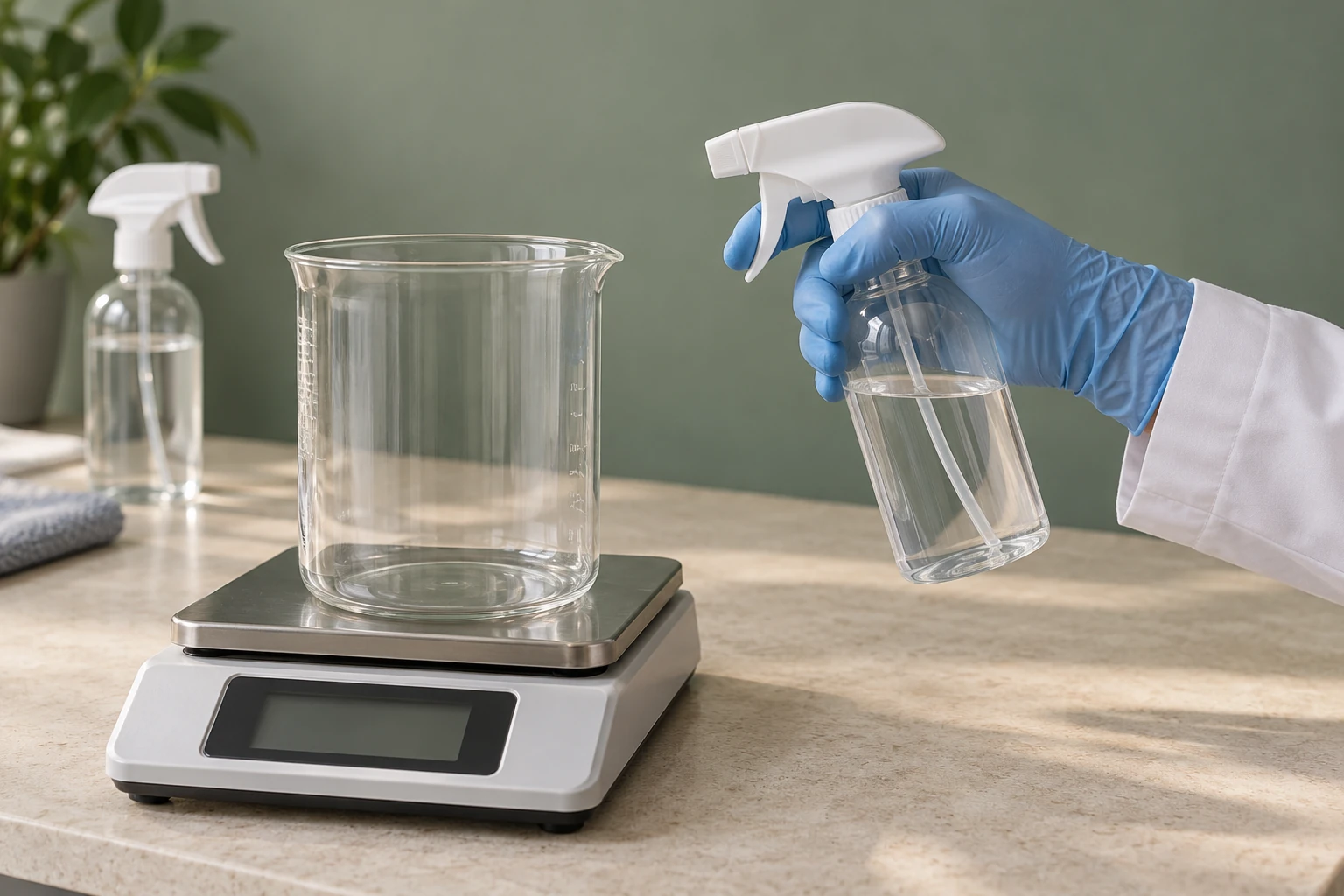
Weigh the collected liquid after priming. Enter the net mass, number of full strokes and formula density to estimate volume per stroke.
This is an average, not a pass/fail test. Use the agreed sampling method, stroke technique and acceptance limits. Repeat runs to see variation; do not assume density is 1 g/ml.
How to compare output measurements ↗A product photo is a starting point. Add the details that make two quotations comparable.
SOME QUESTIONS NEED THE ACTUAL SAMPLE
A guide can narrow the options. A final recommendation still needs the bottle, formula, selected component and the conditions in which it will be used.
Discuss the assembly ↗