THE DECISION IN BRIEF
Two sample batches spray differently. Can we swap the heads to find the cause?
Use identified swaps only with supplier-approved compatible parts. Preserve original assemblies and change one component at a time; a successful swap is diagnostic evidence, not production approval.
Define the comparison before opening packs
Write the two competing explanations. For example, the difference might follow the actuator configuration or the assembled engine. Record original bottle, formula, pump, head, and lot identities. Keep untouched controls from both groups so the initial behavior remains available for confirmation.
Ask the supplier whether the parts can be exchanged without damage or a changed fit. Some apparent head swaps may disturb an insert or engagement feature. An improvised interchange can create a new fault and make the result uninterpretable. Do not force parts together because their visible dimensions seem close.
Build a traceable diagnostic matrix
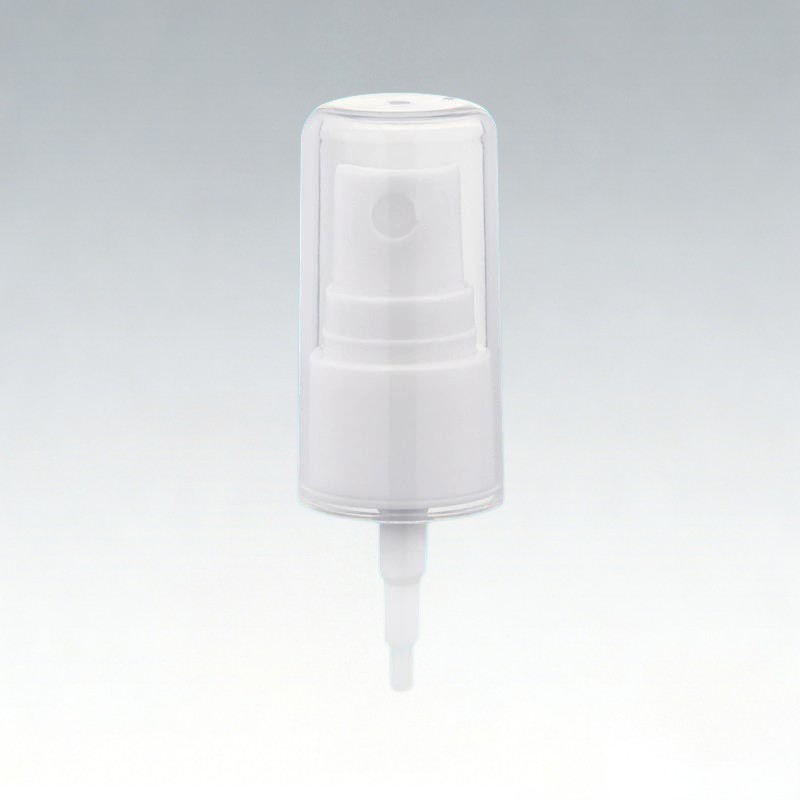
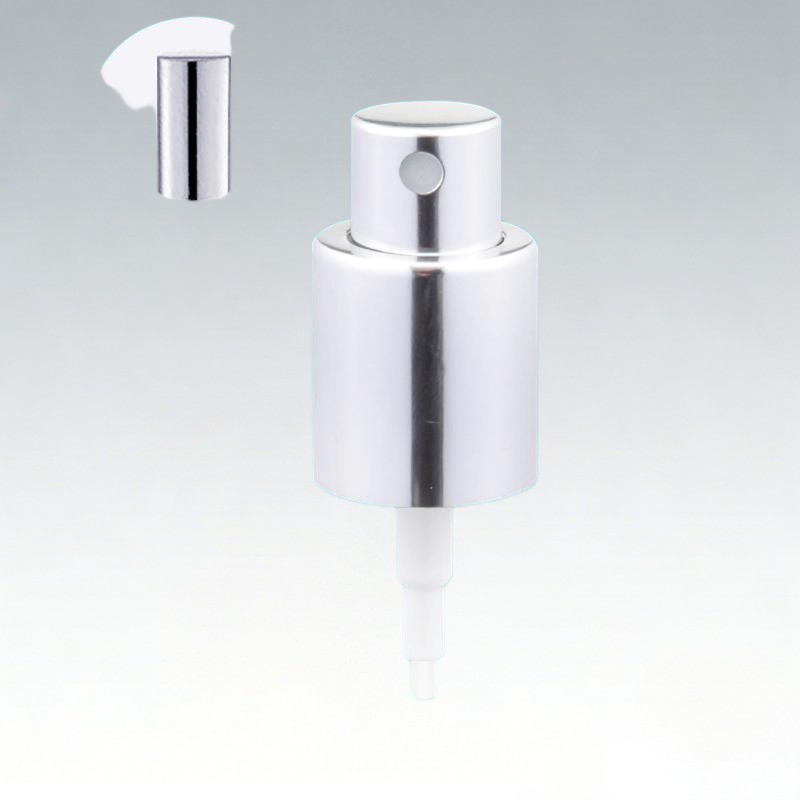
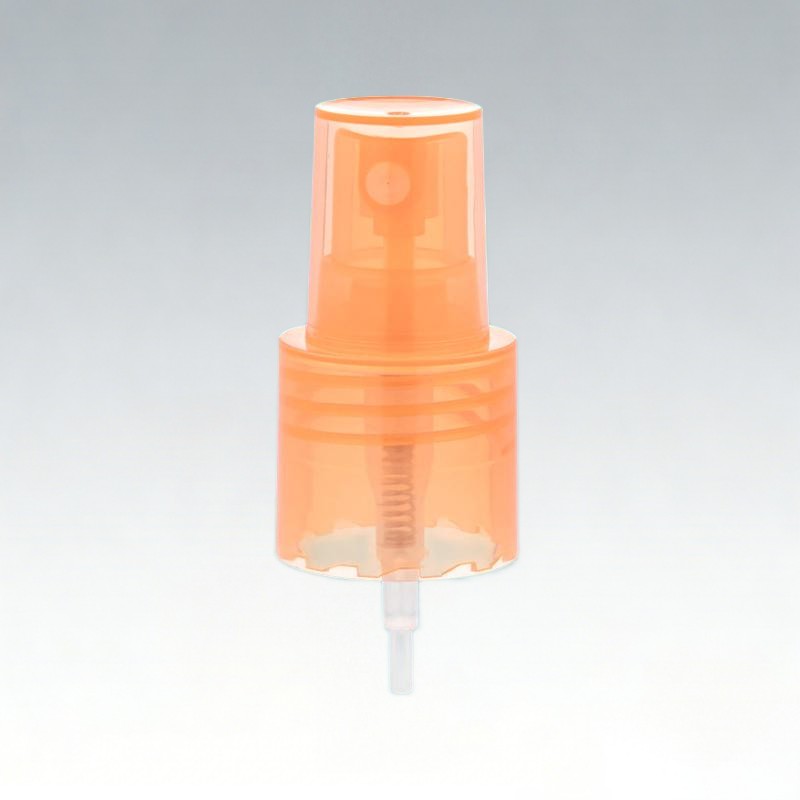
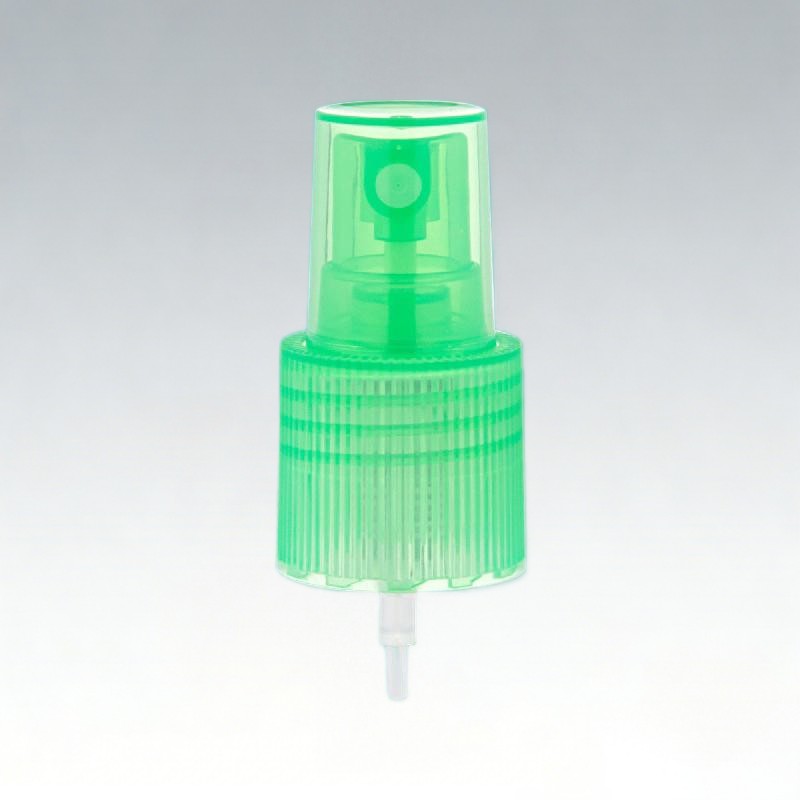
Silgan publishes distinct engine, orifice, and head options. That supports keeping each configurable element visible when investigating a difference rather than referring to both samples simply as the same sprayer.
- Document each original configuration and baseline result.
- Approve the proposed swap method with the supplier.
- Change one element and retain the removed part.
- Repeat the same observation method and label the result.
Interpret what follows the part
If the fault moves with the actuator, investigate that head, insert, and their assembly. If it remains with the engine, examine the engine and its installation before excluding formula or bottle effects. A result that appears only after reassembly may indicate damage or altered engagement introduced during the swap.
If both groups improve, do not automatically declare the original heads defective. Handling may have cleared residue or changed seating. Repeat with untouched controls and supplier-prepared combinations. The experiment should narrow the cause; it does not need to produce an immediate commercial verdict from a single pair of samples.
Convert the finding into an approved revision
Ask for production-intent samples of the proposed correction. Identify exactly which component changed, and repeat relevant spray, leakage, cap-clearance, and storage checks. A diagnostic combination assembled by hand may never have been intended as a production configuration.
Keep the investigation record separate from the approved bill of materials. Purchasing should order the confirmed supplier configuration, with explicit revision and change control, rather than a description such as use the good head from sample B. Preserve failed originals until the investigation and lot disposition are closed.
Sources & further reading
Use the references below alongside the selected component drawing and agreed sample plan. Product-specific claims need product-specific evidence.
PRODUCT REFERENCES
Components to discuss with your supplier.
These references share the component type discussed here. Confirm the selected assembly and application with samples.
Related articles
VIEW THE COMPONENTS