THE DECISION IN BRIEF
Our sprayers pass before shipping but arrive with rubbed collars. Should we add more bags?
Locate contact points and compare targeted protection with the actual packing. Evaluate function, appearance, handling, and shipping volume before selecting a solution.
Map the damage against the packing
Keep an unopened damaged case available where practical. Photograph the arrangement, dividers, contact points, and orientation before moving components. Compare the marks on collars, heads, and caps with neighboring surfaces.
Separate individual component shipments from filled retail packs. The contact and handling route can differ substantially. Ask which stage first introduces the damage by comparing supplied parts, assembled packs, and post-transport samples. A general instruction to add bags may protect the wrong interface.
Compare targeted alternatives
ISTA recommends selecting evaluation from the actual distribution environment. Test the proposed protection with the intended count and route rather than judging it from a packing photograph.
- Review component-to-component contact.
- Check tray, divider, and carton contact surfaces.
- Compare movement inside the pack.
- Inspect appearance and normal operation after exposure.
Consider the tradeoffs of added protection
A bag may reduce one abrasion while allowing movement or introducing another contact surface. A tighter divider can restrain motion but increase loading or make line handling difficult. Ask suppliers to identify the full configuration and commercial effects of each proposal.
Compare packing labor and opening at the filler as well as freight volume. Avoid a dense arrangement that requires operators to force parts into place or remove them individually with excessive handling. Pilot the unpacking step where it affects production effort.
Define final appearance and change control
Agree viewing conditions and acceptable post-route appearance with the brand and quality teams. Keep physical references of relevant marks. An intact carton is not proof of acceptable visible components, and a pristine loose sample cannot define the result after distribution.
Release the selected count, orientation, protection, and carton specification with the component order. Require review before density or protective material changes. Document the result so the next freight optimization proposal can be compared with the evidence that justified the current pack, rather than repeating the same damage investigation.
Sources & further reading
Use the references below alongside the selected component drawing and agreed sample plan. Product-specific claims need product-specific evidence.
PRODUCT REFERENCES
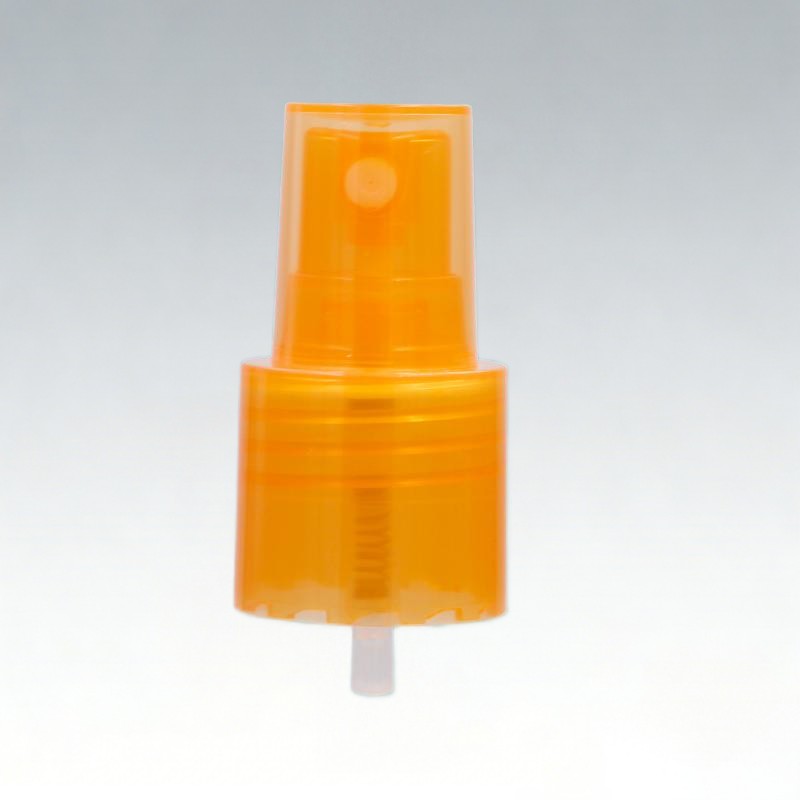
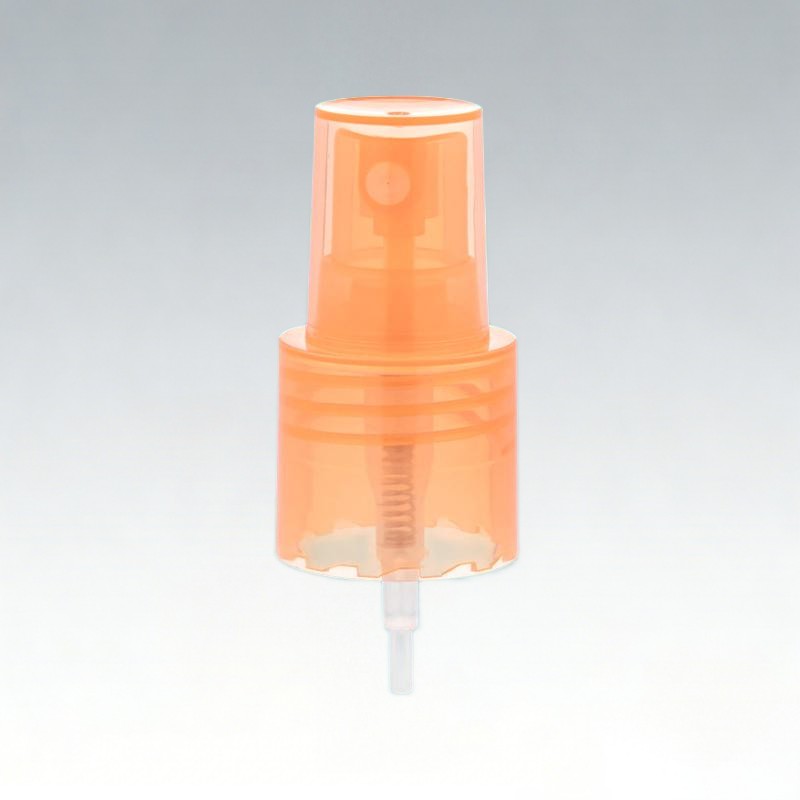
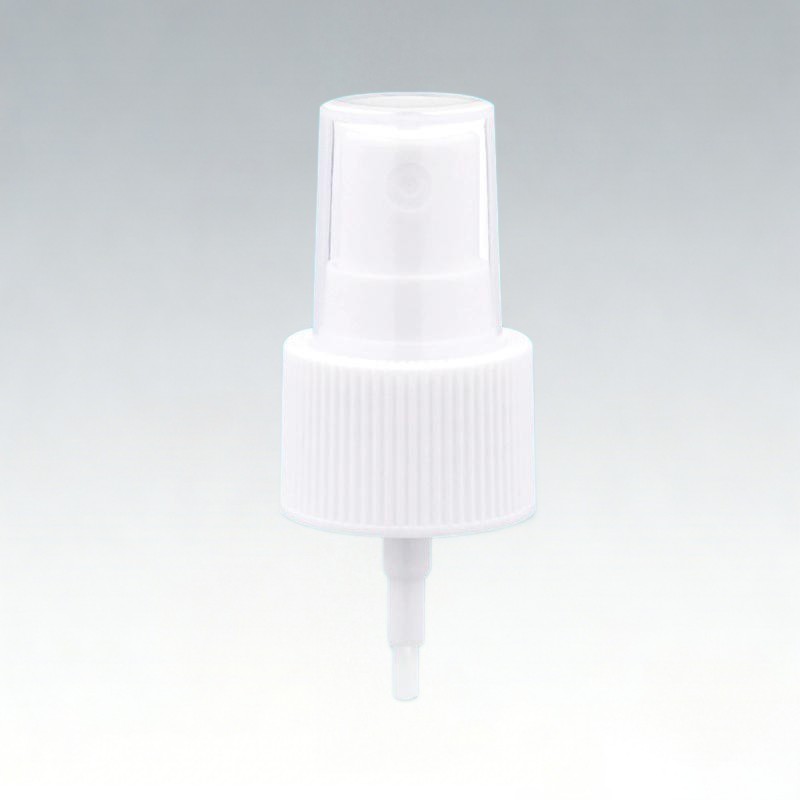
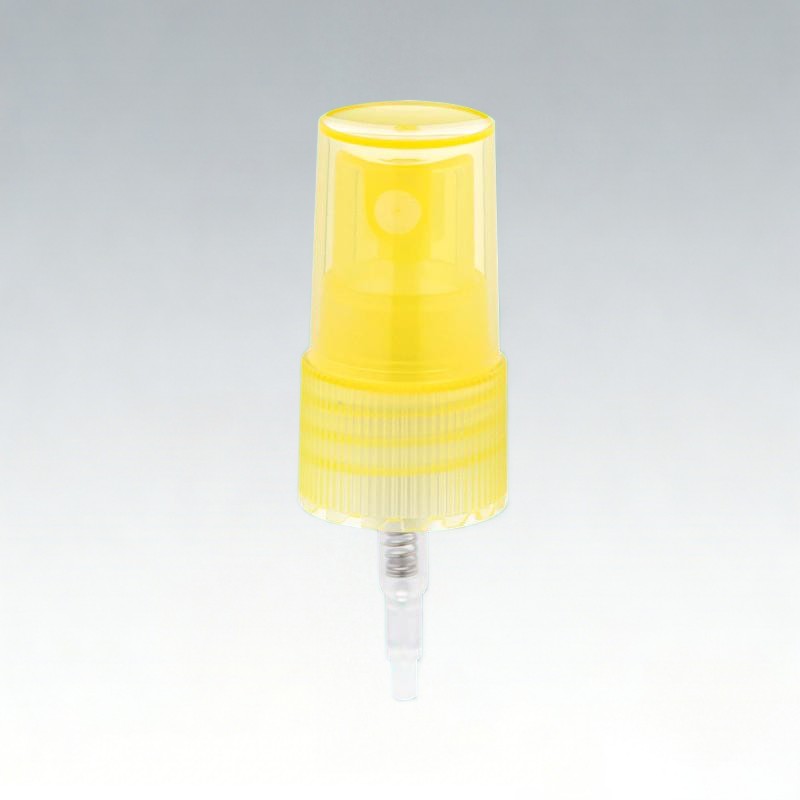
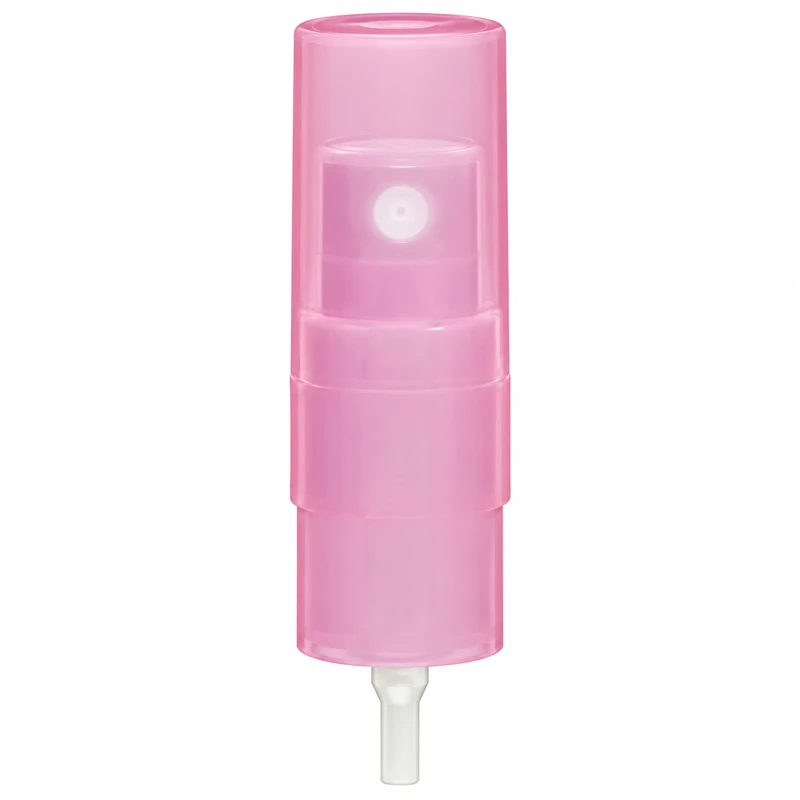
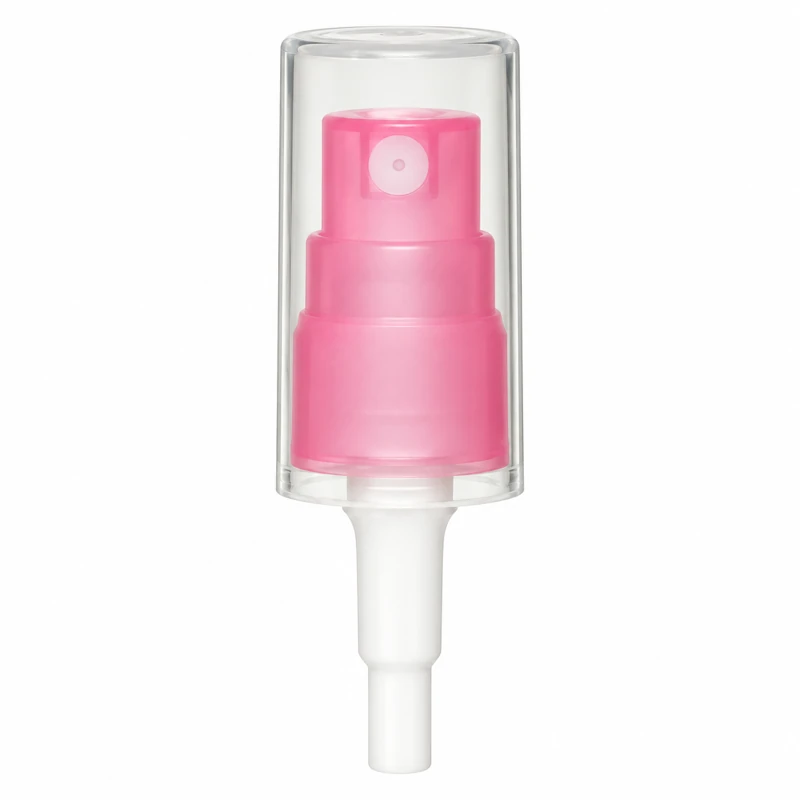
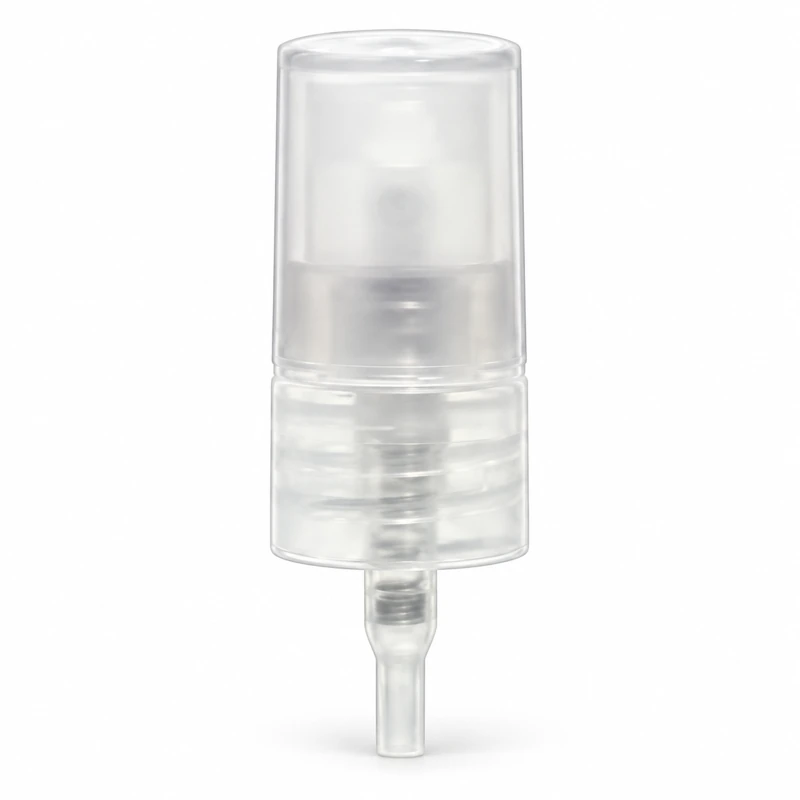
Components to discuss with your supplier.
These references share the component type discussed here. Confirm the selected assembly and application with samples.
Related articles
VIEW THE COMPONENTS