THE DECISION IN BRIEF
Our narrow lotion bottle slides or tips when pressed. Should we buy a softer pump?
Compare actuation effort, pressing position and bottle support. A softer engine may help, but approve the complete pack on the intended surface and through the fill range.
Watch the movement before changing parts
Record whether the bottle slides, rocks or lifts as users press. Note the surface, fill level and where the finger contacts the actuator. These motions suggest different design questions, so a single instruction to reduce pressing force is incomplete. Check whether a cap or lock removal step changes where users naturally place their supporting hand.
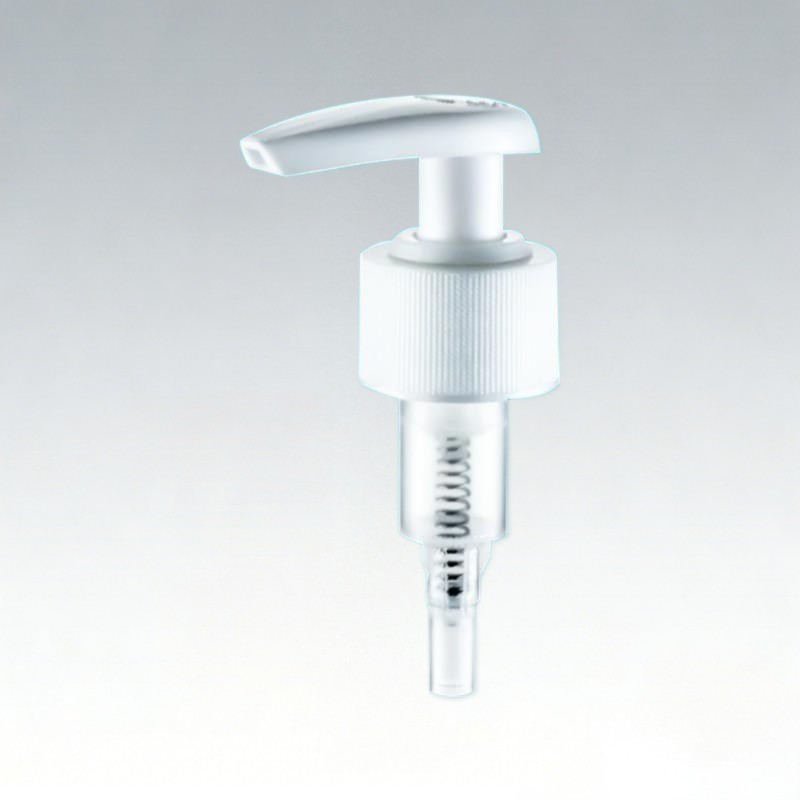
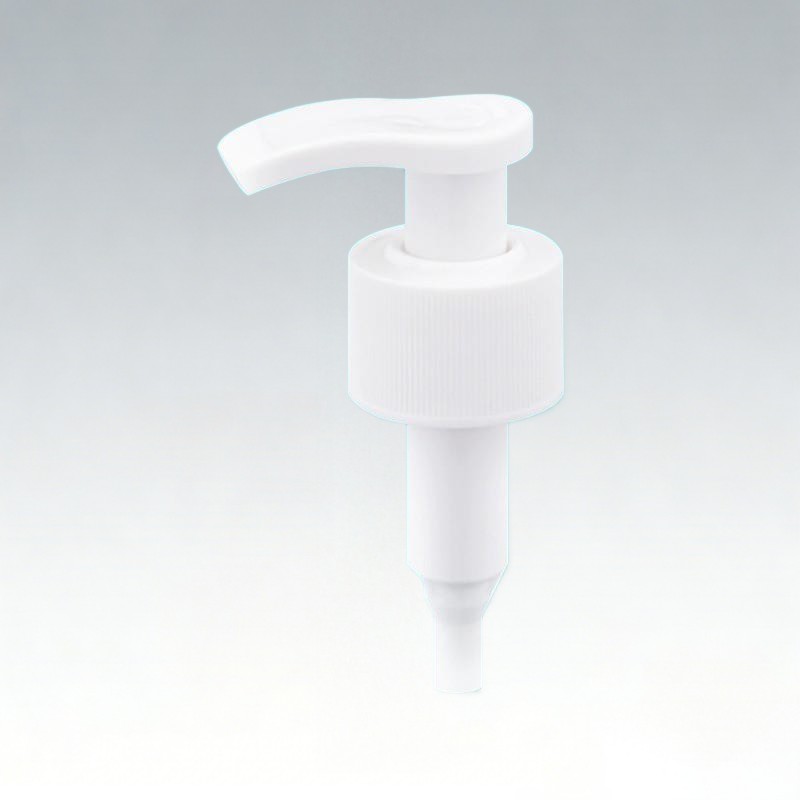
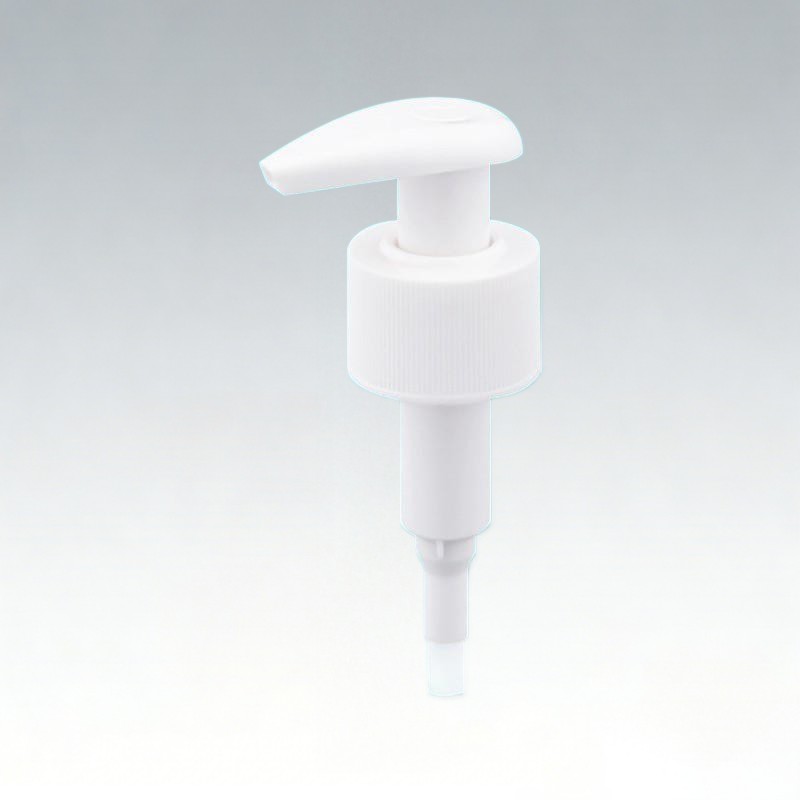
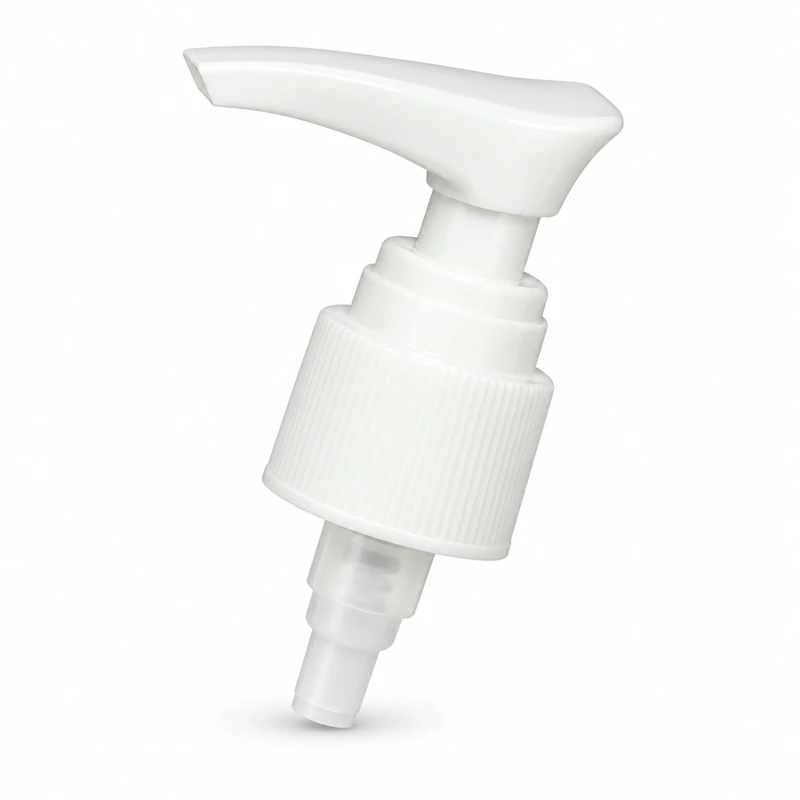
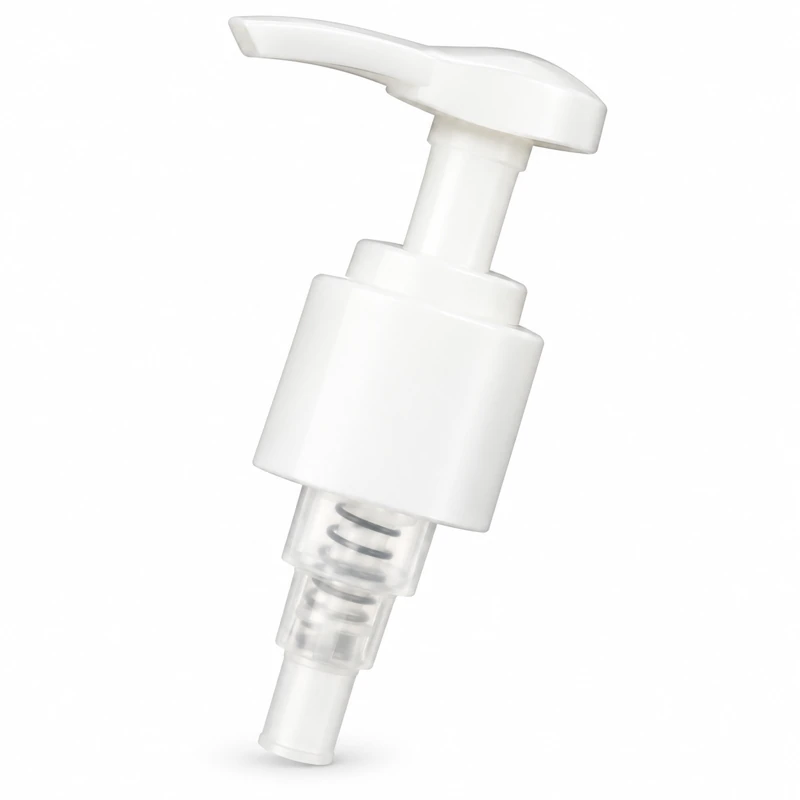
Silgan's catalogue offers soft-actuation options on particular engines. Use them as candidates if effort is implicated, while keeping bottle geometry and actuator position in the investigation.
Follow the observed motion
The table suggests comparisons rather than a universal diagnosis. Use the intended formula and production-intent assembly.
| Motion | Compare |
|---|---|
| Slides across counter | Support surface, base contact and pressing direction |
| Rocks or tips | Bottle geometry, fill state and actuator loading |
| Needs two hands | Reach, effort and intended user task |
| Moves only during opening | Lock action and grip arrangement |
Do not approve only a full display bottle
Repeat the handling task at relevant fill levels. Customers often press a nearly empty bottle differently, and the support offered by the contents changes as product is consumed. Record whether ordinary use requires bracing the pack.
If the product is intended to be held rather than left on a counter, assess that task directly. Avoid adding an instruction that contradicts the marketed routine merely to pass a convenient demonstration.
Compare candidate engines with matched output requirements. A very easy press that gives an unsuitable portion is not automatically the best configuration. Likewise, a bottle redesign may solve support while introducing filling or decoration implications that need review.
Agree the desired outcome with the product team: stable one-hand operation, assisted operation or another clearly intended task. Retain the chosen sample and relevant observations with its actuator, engine and bottle references. Purchasing can then evaluate alternatives against a specific use outcome instead of relying on the subjective claim that one pack feels sturdier.
Sources & further reading
Use the references below alongside the selected component drawing and agreed sample plan. Product-specific claims need product-specific evidence.
PRODUCT REFERENCES
Components to discuss with your supplier.
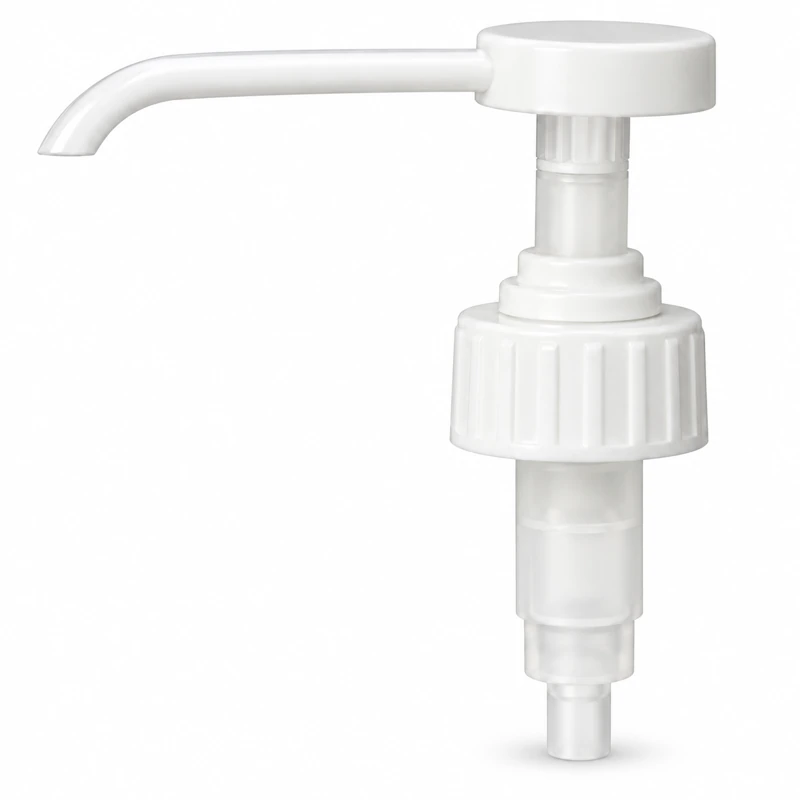
These references share the component type discussed here. Confirm the selected assembly and application with samples.
Related articles
VIEW THE COMPONENTS