THE DECISION IN BRIEF
Can we choose any overcap and metal collar that match the sprayer's diameter?
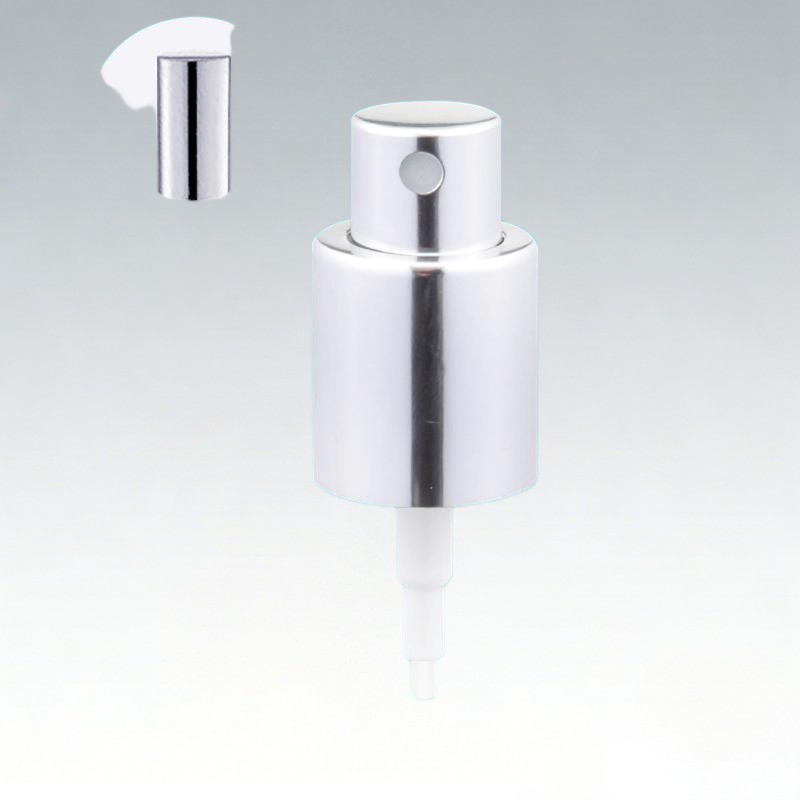
Use a cap and collar approved for the exact pump assembly. Check retention, removal, actuator clearance, decoration and packing behaviour on filled samples; nominal diameter and colour do not establish functional fit.
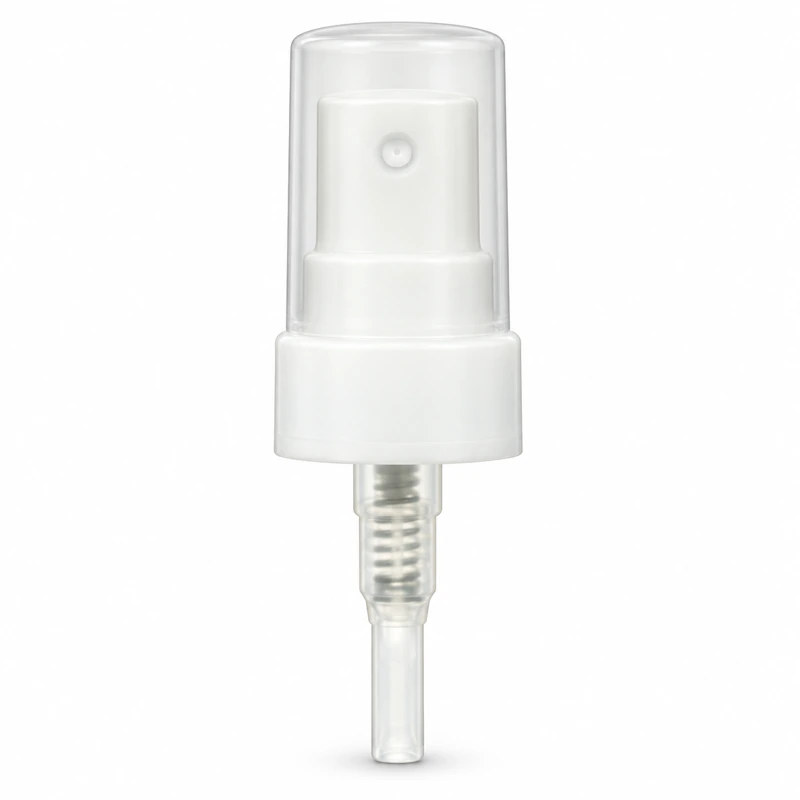
The accessory changes the assembled package
A mist cap and collar are highly visible, so selection often begins with surface finish. They also affect the customer's grip, pump protection and filling-line handling. A cap that looks correct on a loose actuator can behave differently when the collar and bottle shoulder establish its final seating position.
Aptar's PZ1 page lists actuator, cap and finish options within a defined spray-pump family. Its Essencia page describes decoration choices across collar, actuator and cap. These are configuration choices to confirm together; they do not support mixing arbitrary parts from unrelated ranges because both are described as the same diameter.
Check the cap's contact and removal
Inspect where the overcap is intended to engage and how it clears the actuator. It should not unintentionally press the head during installation or ordinary handling. Verify the intended seating condition with the supplier's drawing or sample rather than assuming the deepest possible position is correct.
Compare removal using the actual decorated pack. A very loose cap may detach during packing or consumer handling. An overly difficult removal can make users pull on the collar or bottle closure. Agree retention and removal criteria with the supplier; no single force value can be assumed appropriate for every material and design.
Reinstall the cap after use and inspect for wetting or rubbing. If residual liquid transfers from the nozzle into the cap, record it as part of the user experience and compatibility review. The presence of an overcap is not a substitute for approval of the pump's sealing behaviour or transport configuration.
| Part or interface | Inspect on the final assembly |
|---|---|
| Overcap to pump | Seating, retention, removal and actuator clearance |
| Collar to bottle | Approved height, alignment and intended shoulder clearance |
| Collar to actuator | Full unobstructed travel and return |
| Decorated surfaces | Rubbing, scratches and formula contact after use |
| Pack to carton | Clearance, loading and cap behaviour during handling |
Avoid turning cosmetic alignment into a sealing adjustment
A collar may be decorative, structural or part of a particular retention system. Ask which role it performs in the selected design. Do not use it as an improvised tool to tighten a screw closure or disguise an incorrectly seated pump. Inspect the underlying assembly when a new gap appears.
Confirm the assembled height with the chosen bottle and attachment. A collar change can alter the visual transition even when the pump engine stays the same. Compare side and top views, spout direction where relevant, and the relationship to the bottle label. Establish the acceptable appearance on an identified reference sample.
Decoration needs its own production-intent review. Anodized, metallized or coated parts can differ in colour and tactile finish. Ask for the actual proposed process and material reference, then assess the sample under agreed viewing conditions and after the relevant formula-contact evaluation. A computer colour rendering cannot settle those details.
Buy and pack the set consistently
Specify whether caps arrive assembled, separately bagged or otherwise packed, and confirm how the filler will handle them. Include orientation, cavity identification if available, and protection against scuffing where needed. A low cap price loses value if manual sorting or rework becomes part of every filling run.
Ask STDPAK to quote the pump, cap and collar as a traceable configuration. Retain an assembled decorated sample alongside the component references and require review when any visible or contacting part changes. The result should give users a clear removal action and a protected actuator while preserving the appearance that the brand approved.
Sources & further reading
Use the references below alongside the selected component drawing and agreed sample plan. Product-specific claims need product-specific evidence.
PRODUCT REFERENCES
Components to discuss with your supplier.
These references share the component type discussed here. Confirm the selected assembly and application with samples.
Related articles
VIEW THE COMPONENTS