THE DECISION IN BRIEF
A retained perfume smells different after storage. Should we blame the sprayer?
Preserve unopened samples and compare controlled formula and component references through the product quality team before assigning a cause or changing materials.
Protect the original evidence
Record the perfume batch, bottle, sprayer, packing materials, storage location, and elapsed time. Keep unopened packs available for the responsible sensory or analytical assessment. Repeated informal smelling and head swapping can change the sample and create an unreliable investigation.
Compare the complaint with the original product reference under a controlled process. A different fragrance impression may reflect formula aging, exposure, contamination, or an interaction. Purchasing should coordinate evidence rather than deciding sensory causation from one unlabelled bottle.
Build comparisons with technical oversight
Berlin Packaging offers stability and package troubleshooting resources. The practical point is to choose controlled comparisons for the suspected mechanism, not to treat any one storage trial as conclusive.
- Retain finished packs from the affected and comparison lots.
- Include formula held in a suitable approved control system.
- Review unopened component and outer-packing references.
- Document storage and handling differences between groups.
Follow the pattern without overclaiming
If the change appears across control and test packs, involve the formulation team before replacing the sprayer. If it follows one component construction or lot, ask the supplier to investigate the relevant materials and processing. A correlation helps define the next comparison; it is not automatically proof of a chemical mechanism.
Inspect external packaging and storage conditions as well as contacting parts. An odor associated with a carton or nearby material may influence an assessment even if the formula remains unchanged. Keep samples physically identified and handle them according to the quality team’s instructions.
Release a documented correction
A material substitution should receive its own formula-contact and performance review. Do not assume that removing a suspected material will preserve spray behavior, sealing, or decoration. Ask for production-intent samples and compare them against the original acceptance brief.
Close the case with the supported finding, remaining limitations, affected lots, and approved corrective action. Avoid writing that a construction is odor-free for all fragrances. The defensible purchasing record states which formula and package were assessed, what changed, and what evidence justified the release.
Sources & further reading
Use the references below alongside the selected component drawing and agreed sample plan. Product-specific claims need product-specific evidence.
PRODUCT REFERENCES
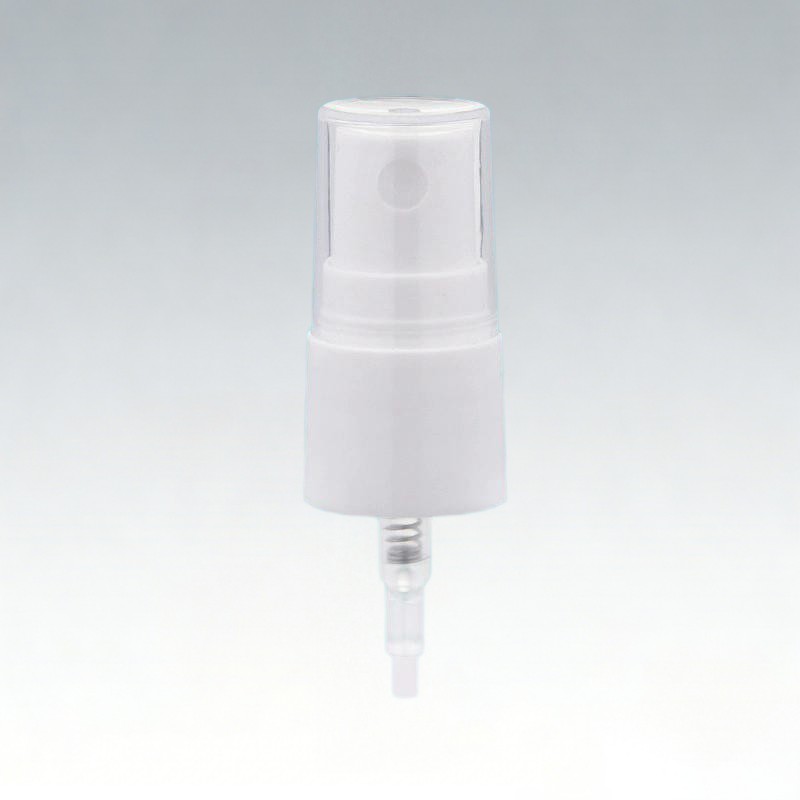
Components to discuss with your supplier.
These references share the component type discussed here. Confirm the selected assembly and application with samples.

Related articles
VIEW THE COMPONENTS