THE DECISION IN BRIEF
Our lid artwork looks correct on screen. What else needs approval?
Approve the supplier’s exact lid template, color and coating references, formed appearance, and production artwork revision before authorizing the printed run.
Begin with the correct physical lid
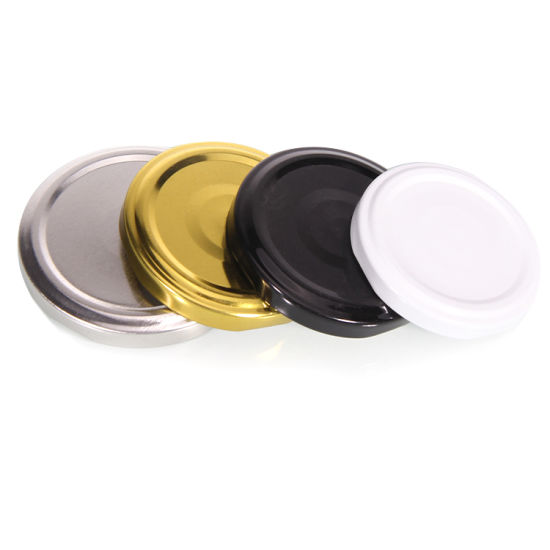
An artwork file cannot resolve an unfinished component specification. Confirm the lid size, construction, liner, and intended jar first. Then request the supplier’s current print template for that exact lid. A drawing borrowed from a similar diameter may place a logo too close to the curved region or put critical text into a forming area. Keep the component drawing revision linked to the artwork revision.
O.Berk describes rendered images as a way to visualize a decorated package. That is valuable for design communication, but a rendering cannot establish production color, coating feel, or the appearance of a formed metal edge. Decide which questions each proof can answer. Use a layout proof to approve content and positioning, and request appropriate physical references for the aspects that depend on materials and production.
Use separate approvals for separate decisions
Assign a named decision-maker to each gate and retain the actual approved reference. A vague email saying the design looks good leaves too much open to interpretation.
| Gate | Approve | Do not infer |
|---|---|---|
| Artwork layout | Text, orientation, template, and revision | Exact production color from a screen |
| Color reference | Agreed ink and coating appearance | Identical appearance under every light |
| Formed lid review | Logo position and appearance over the curved areas | Fit or process suitability from appearance |
| Functional approval | Approved jar, lid, liner, and process | That a later construction change is acceptable |
| Production release | Signed file and referenced physical standards | Permission for unrecorded substitutions |
Check what changes when flat artwork becomes a lid
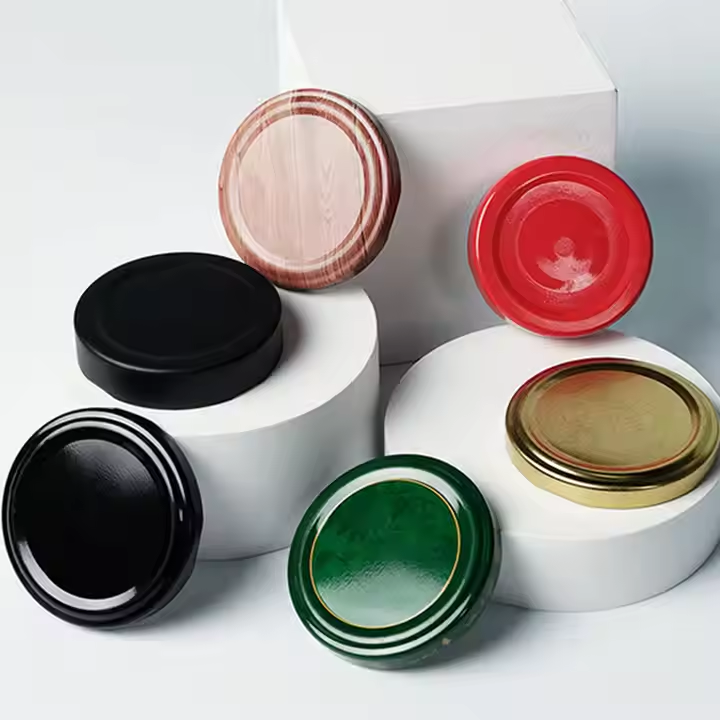
Review the top, sidewall, and visible edge as separate visual areas. Ask where printing can be placed and which areas need to remain clear for forming or other production requirements. Keep small text and fine details within the supplier’s confirmed capabilities. If a design uses large solid color fields, metallic effects, or a closely registered border, ask for specific feedback on the risk before treating the concept as finished.
Inspect the formed lid with the actual jar where possible. A centered mark on a flat proof may look visually unbalanced beside a jar label. Do not assume that the final rotational position of a twist-off lid will align its logo with the front label. If that alignment matters, discuss how it could be achieved and verified in the filling operation before making it a design promise.
Define appearance acceptance without hiding functional risks
Agree the viewing conditions and reference standards for cosmetic inspection. Identify which differences are unacceptable and which production variation is permitted. Preserve approved samples so that later inspection does not depend on a phone photograph. Review scuffs and rub resistance under relevant packing and handling conditions, particularly when lids contact neighboring parts or trays.
External decoration approval does not establish the suitability of the internal coating or sealing compound. Keep those construction details in the component specification, with appropriate documentation for the intended product and market. Ask the supplier to identify whether a decoration change also changes coating, processing, or any relevant material. A visually minor change can still require technical review if the underlying construction changes.
Before release, consolidate the final artwork, template, translations, color references, finish, component specification, packing method, and approval record into one controlled packet. Remove superseded files from the active production instruction. STDPAK’s custom printed tinplate MOQ is 100,000 pieces, with indicative lead time of 35–45 days subject to quotation. Confirm when the schedule starts and how artwork changes affect it; do not assume an unfinished proof is already on the production calendar.
Sources & further reading
Use the references below alongside the selected component drawing and agreed sample plan. Product-specific claims need product-specific evidence.
PRODUCT REFERENCES
Components to discuss with your supplier.
These references share the component type discussed here. Confirm the selected assembly and application with samples.


Related articles
VIEW THE COMPONENTS