THE DECISION IN BRIEF
Customers can see liquid left, but the mist starts sputtering. Should we lengthen the dip tube?
Measure the remaining liquid and inspect the tube’s actual position first. Compare bottle geometry, tube behavior, and intended use angle before changing its length.
Define the end-of-use complaint
Visible liquid is not a reliable measure of accessible product. A decorative base or thick glass can exaggerate what remains, while a deep internal recess can hold liquid away from the tube. Record residual mass using an agreed method and photograph the actual internal geometry where it can be seen.
Determine whether sputtering occurs upright, during a normal tilt, or only in a position outside the product brief. Keep the user action attached to the complaint. A pump approved for upright operation should not acquire an unsupported all-angle claim simply because buyers want better evacuation.
Inspect the collection path
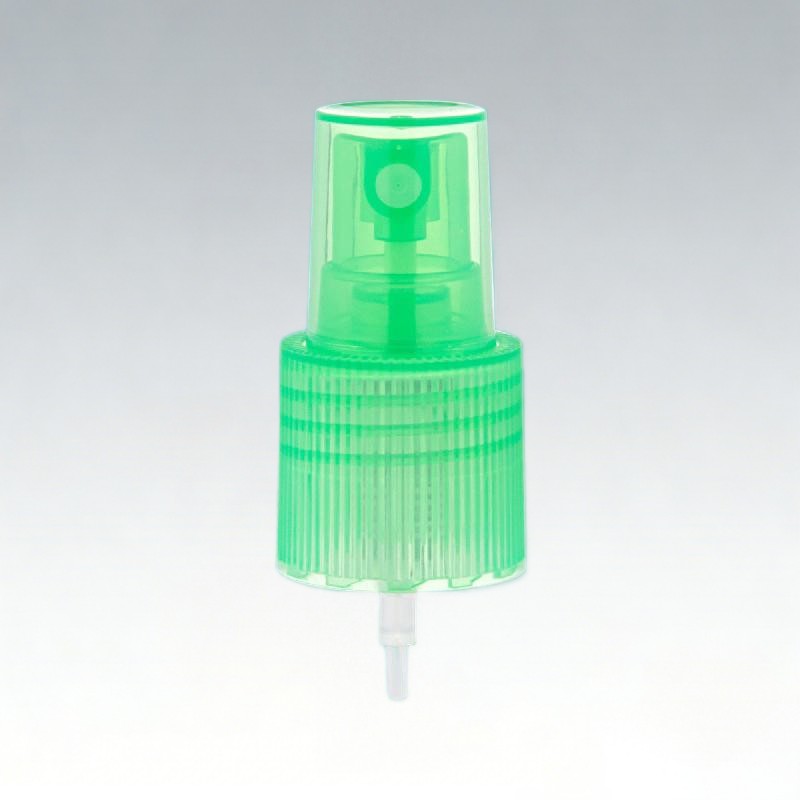
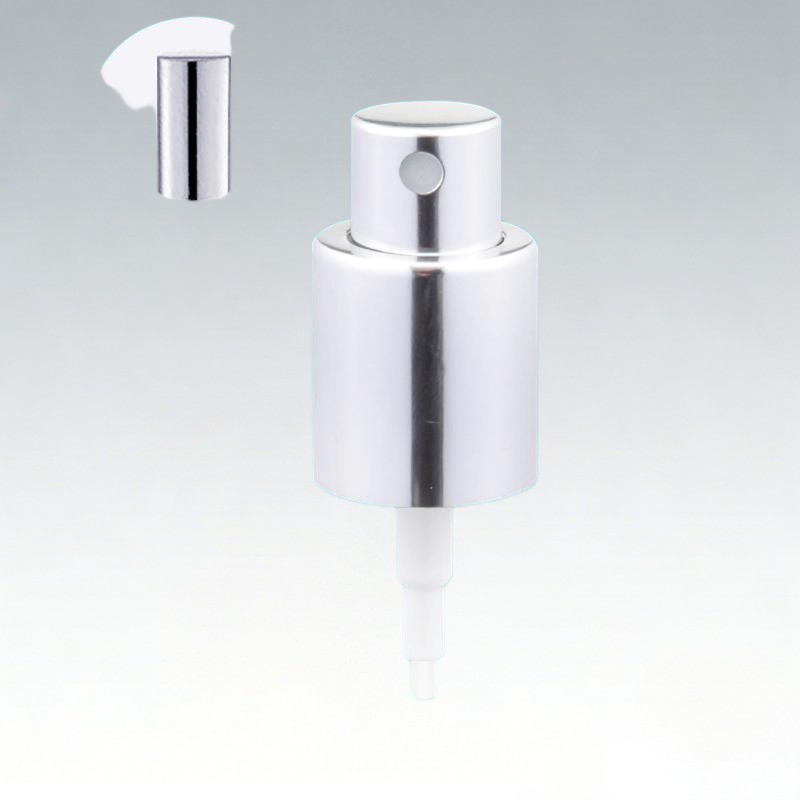
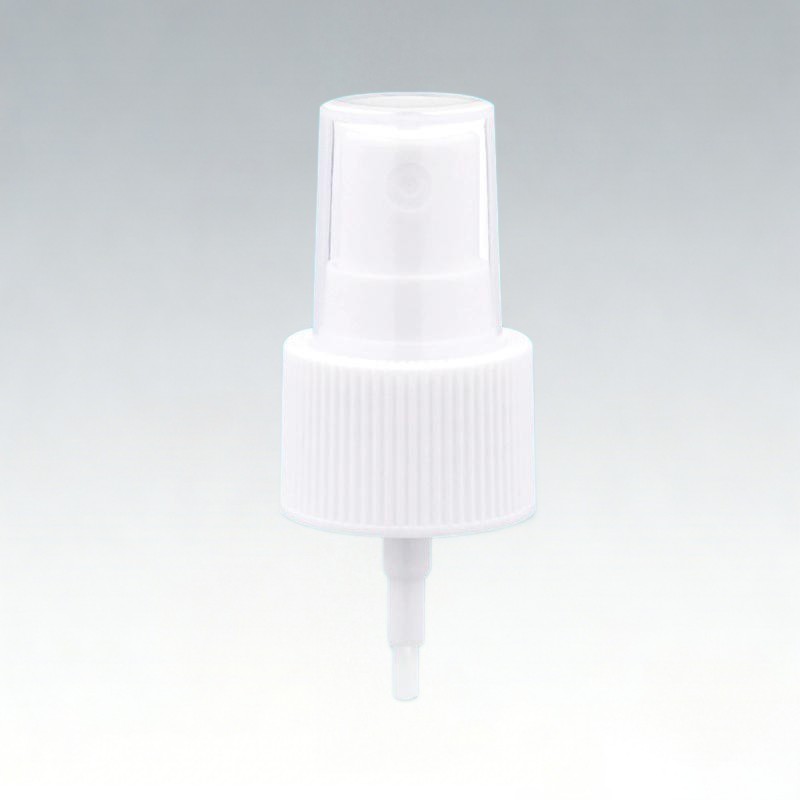
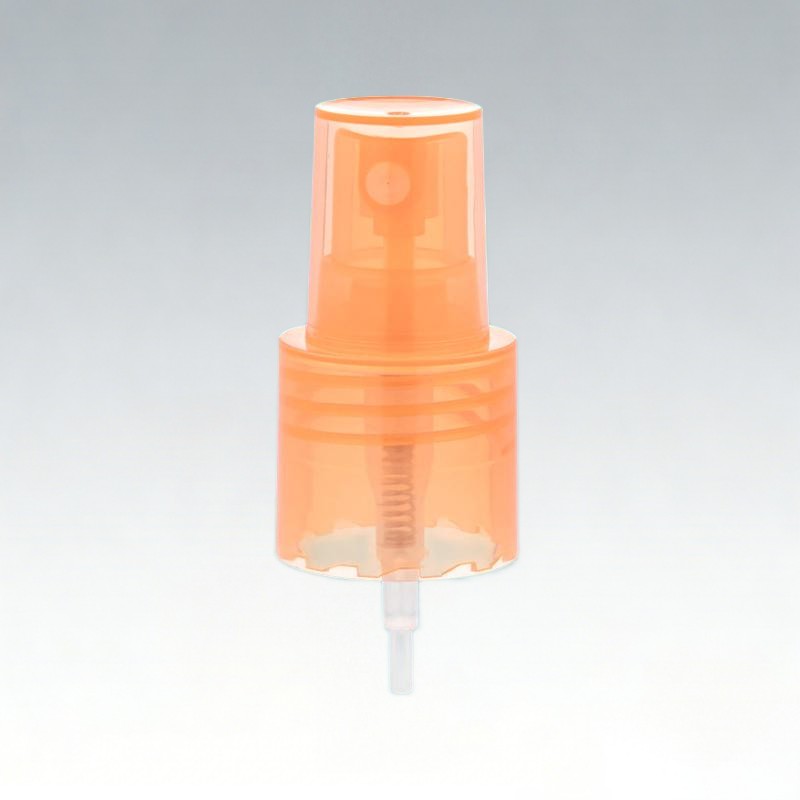
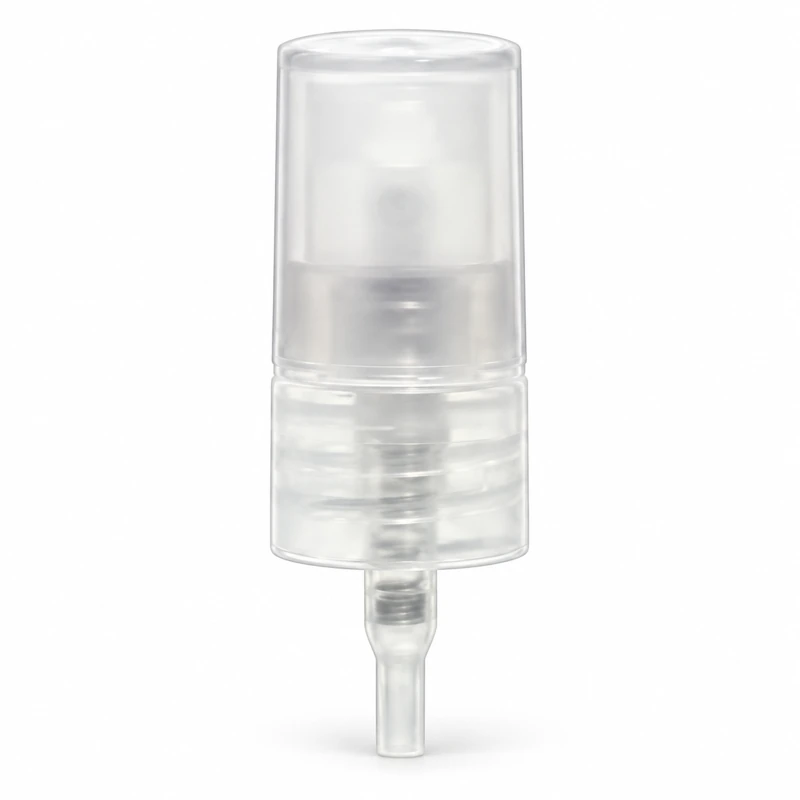
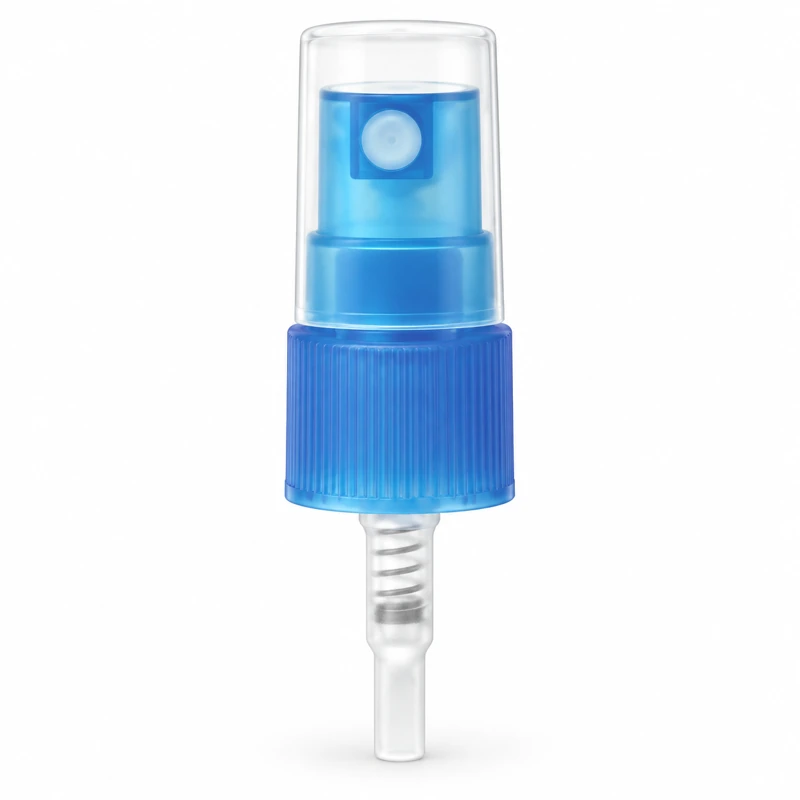
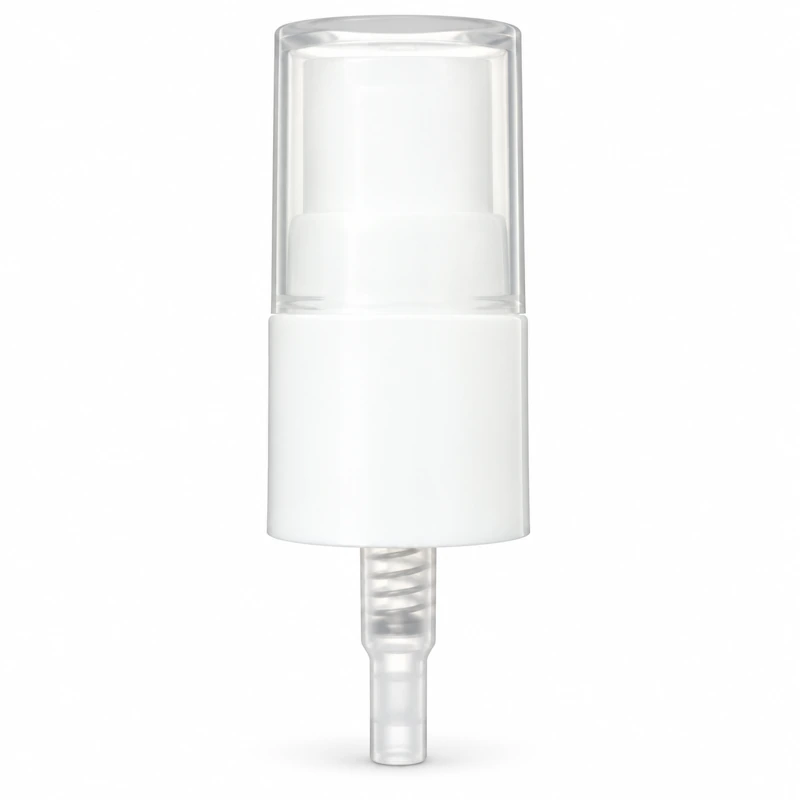
O.Berk lists cut-to-size dip tube options for a fine-mist sprayer. The length is therefore a specified assembly characteristic, not a detail to leave to visual guesswork.
- Check the approved measurement datum and actual cut length.
- Observe tube curl and the location of its open end.
- Compare the tube with the bottle’s internal bottom profile.
- Weigh residual product after the agreed use sequence.
Choose the change that addresses access
A longer tube may improve access in one bottle but buckle, curl, or press against the bottom in another. Ask for a proposed length and end-cut configuration suited to the measured bottle. Evaluate actual assembled examples across representative bottle variation rather than trimming one tube until it appears satisfactory.
If the tube position is acceptable but delivery becomes inconsistent well before the liquid approaches it, investigate air entry, formula behavior, or another pump function. Preserve those packs for examination. Tube length should not become the default explanation for every late-life spray complaint.
Approve evacuation and handling together
Set an application-specific residual-product goal and observation method with the product team. Compare candidates under the same filling and dispensing conditions, reporting both mass left and the behavior during the final usable sprays. Avoid marketing a theoretical near-empty result that requires an impractical consumer maneuver.
Keep the final tube specification, bottle revision, and test orientation in the release packet. Recheck when bottle height, base profile, tube material, or cutting process changes. A small dimensional revision can alter where the tube rests even if the exterior bottle looks unchanged.
Sources & further reading
Use the references below alongside the selected component drawing and agreed sample plan. Product-specific claims need product-specific evidence.
PRODUCT REFERENCES
Components to discuss with your supplier.
These references share the component type discussed here. Confirm the selected assembly and application with samples.
Related articles
VIEW THE COMPONENTS