THE DECISION IN BRIEF
Some lid buttons sit differently. Can receiving staff judge the seal from that alone?
Use the selected lid’s approved inspection method and the responsible filling team’s process controls. A button’s appearance alone is not a universal sealing, vacuum or food-safety decision.
Identify the lid and process
Confirm that every sample uses the same lid specification and jar finish. Record filling and cooling history through the responsible process team. Mixed button designs or different process conditions make a visual comparison hard to interpret.
Photograph the unopened pack before manipulating the button. Pressing it repeatedly can change the observation you wanted to preserve. Follow the supplier’s handling and inspection instructions for the specific component.
Separate the questions
Ask which feature the approved method actually evaluates and which measurements or process records remain necessary. Packaging purchasing should not set thermal processing conditions or release filled food from an informal visual check. Route any product-safety question to the authorized specialist.
If a changed lid is proposed, review button behavior together with the sealing compound, jar interface and intended process. A familiar-looking top does not prove the replacement is the same system.
Write a usable receiving instruction
Receiving staff need a named reference, an approved method and a clear escalation route for exceptions. Include pictures of the relevant appearance where helpful, but state the limit of what that picture establishes.
Give receiving a named lid reference and an escalation route, rather than an instruction to accept every button that looks flat. Preserve the relevant process records with the investigation so the filling team can make the decision from the actual package history.
Sources & further reading
Use the references below alongside the selected component drawing and agreed sample plan. Product-specific claims need product-specific evidence.
PRODUCT REFERENCES
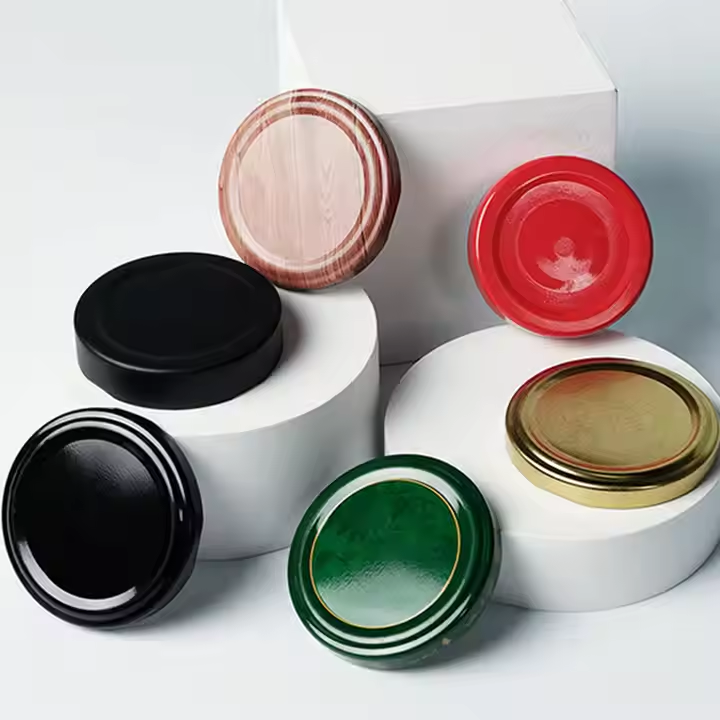
Components to discuss with your supplier.
These references share the component type discussed here. Confirm the selected assembly and application with samples.


Related articles
VIEW THE COMPONENTS