THE DECISION IN BRIEF
Should a refill kit include a new pump, only a tube, or no dispensing parts?
Choose the kit from the approved reuse scenario and evidence. Replace only parts designed for the intended user task, and compare total handling, identification and performance across the complete refill cycle.
Begin with a service model
A refill kit can replace the entire dispensing head, preserve it for another use or supply a defined replaceable module. Ask the supplier which parts are intended to be user-serviceable. A component that can be pulled apart in a workshop is not automatically suitable for consumer replacement.
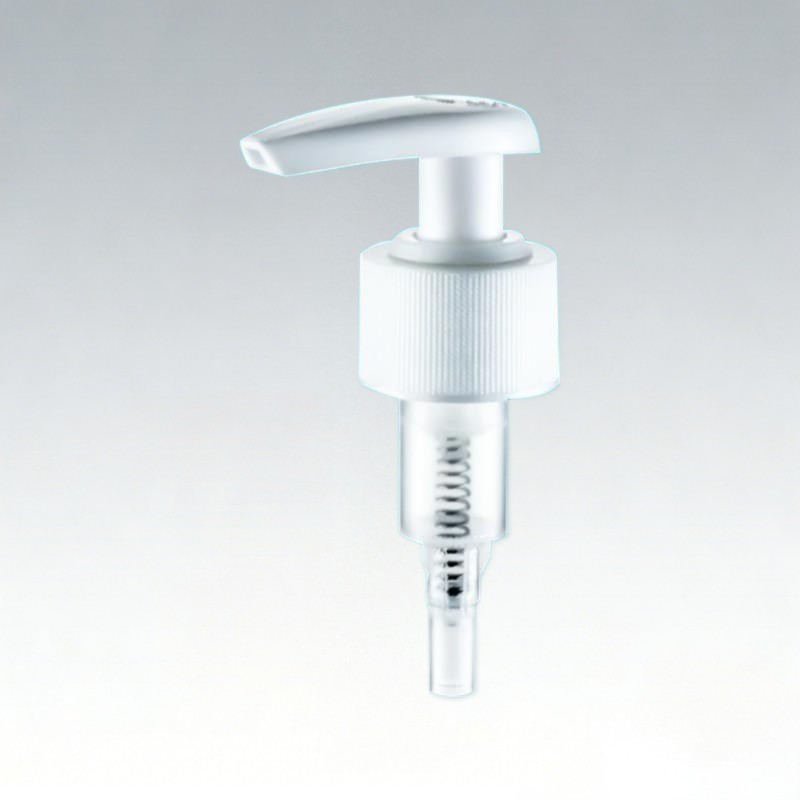
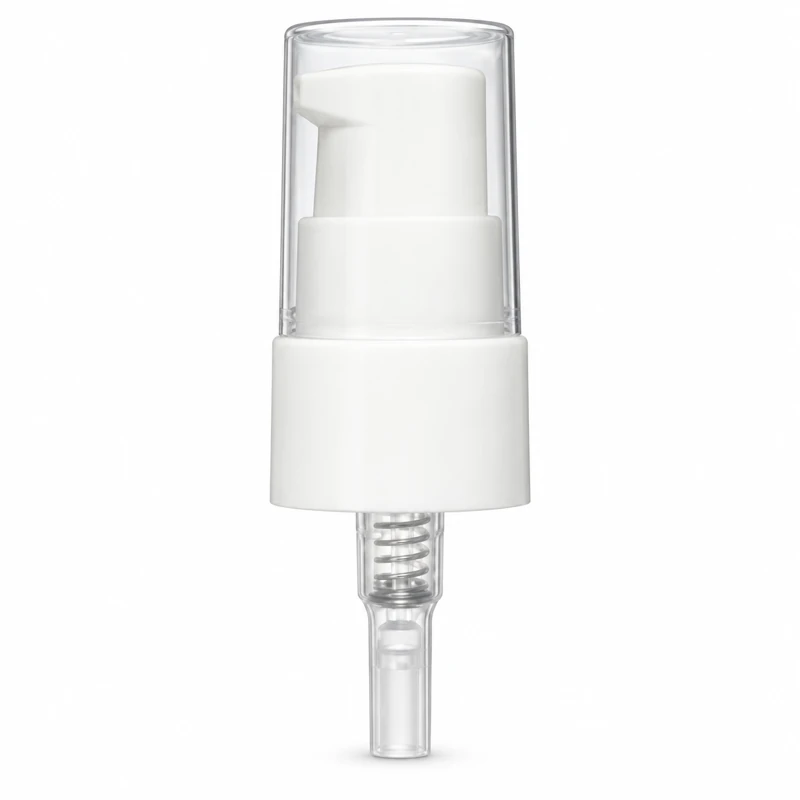
O.Berk's component breakdown is helpful for discussing the assembly, but it does not authorize users to service internal springs, valves or seals. Keep the commercial kit aligned with the selected design.
Compare the kit alternatives
Use the product team's approved refill routine and evaluation criteria. Do not select a replacement interval without supporting evidence.
- Identify which parts are reused and which are replaced.
- Confirm whether ordinary users can recognize and fit replacements.
- Check packaging and labelling for visually similar variants.
- Evaluate performance after the intended assembly sequence.
- Cost additional parts, instructions, packing and support requirements.
Avoid an ambiguous middle option
Supplying a loose tube may appear economical, but users must understand where and how it connects. Review attachment security, insertion and pickup with representative users and final formula before adopting that approach.
A complete replacement head can simplify assembly while changing the material and cost proposition of the refill system. Reusing everything may reduce supplied components but requires appropriate evidence for the defined continued-use task. Compare these tradeoffs openly.
If more than one bottle size exists, prevent mismatched tubes or heads through clear kit identity and compatible-system documentation. A shared exterior appearance can make the wrong combination seem correct until dispensing fails near empty.
Record the selected kit bill of materials and permitted combinations. When a hardware revision occurs, decide how existing users will recognize replacement compatibility. The purchasing decision should establish a manageable product system rather than leave customer support to explain a set of loose components after launch.
Sources & further reading
Use the references below alongside the selected component drawing and agreed sample plan. Product-specific claims need product-specific evidence.
PRODUCT REFERENCES
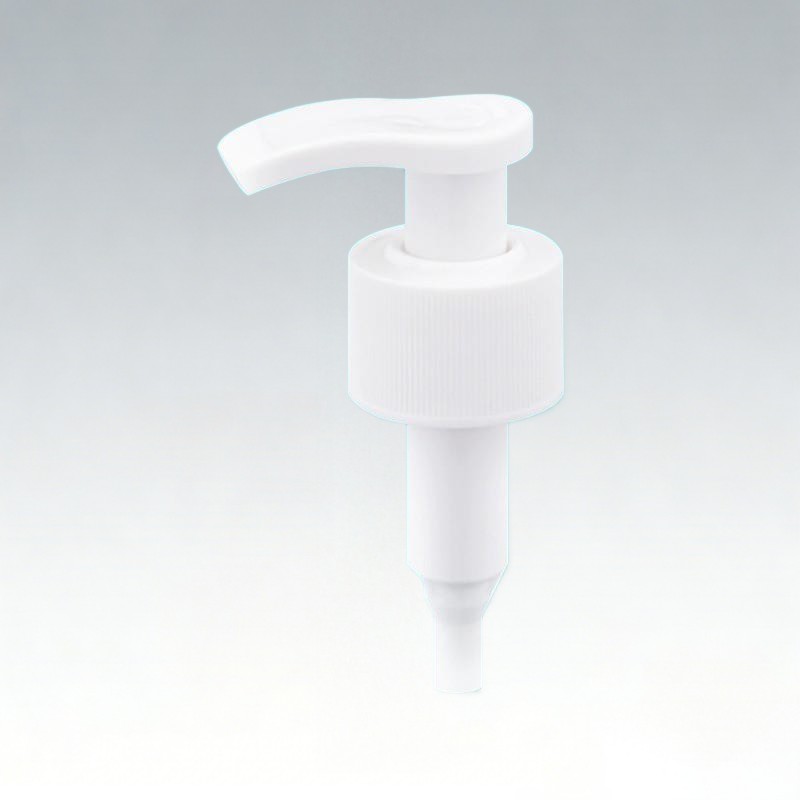
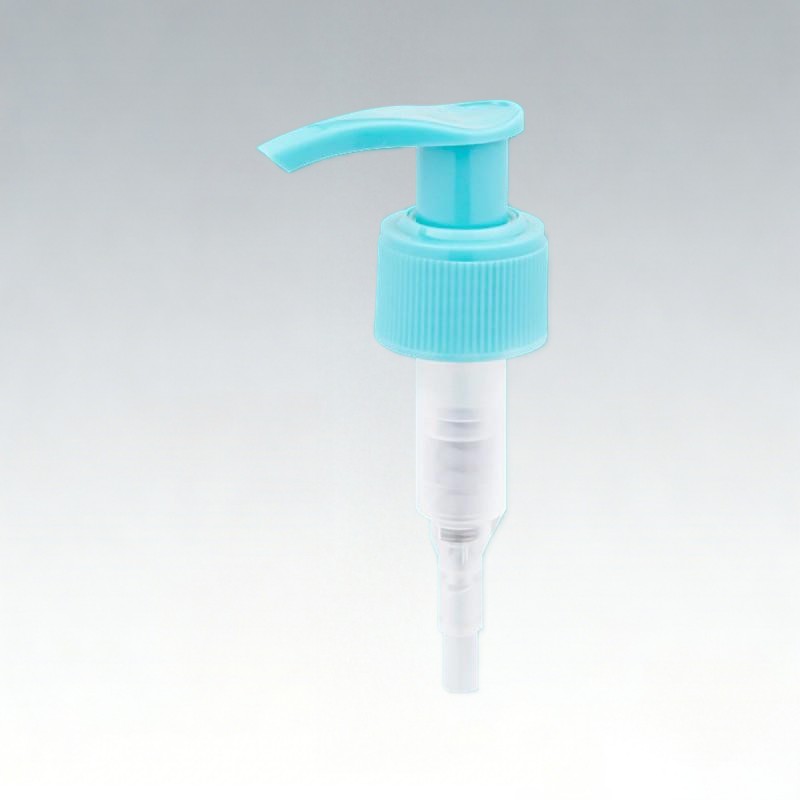
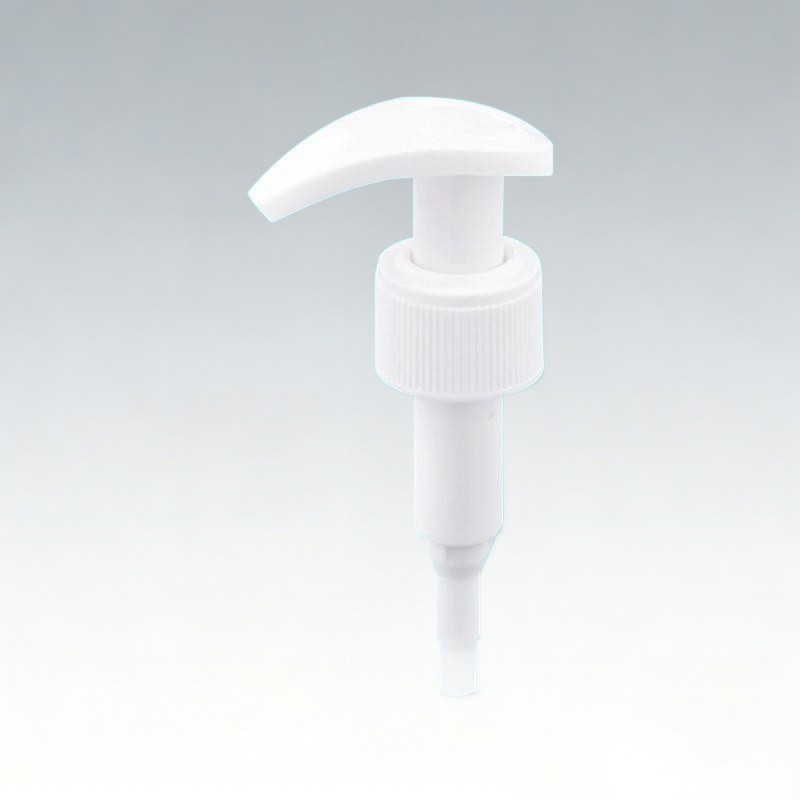
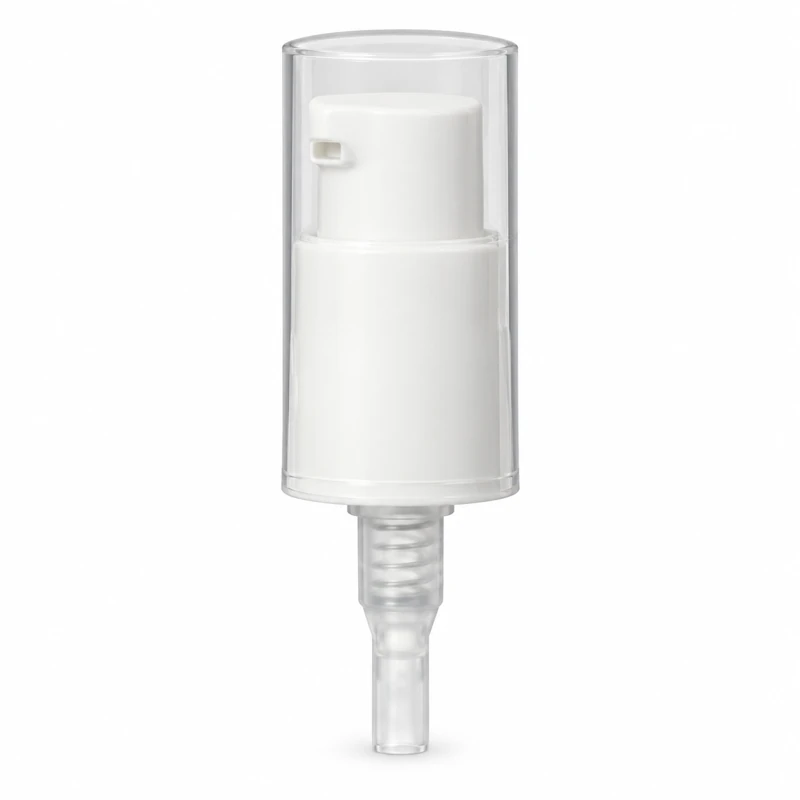
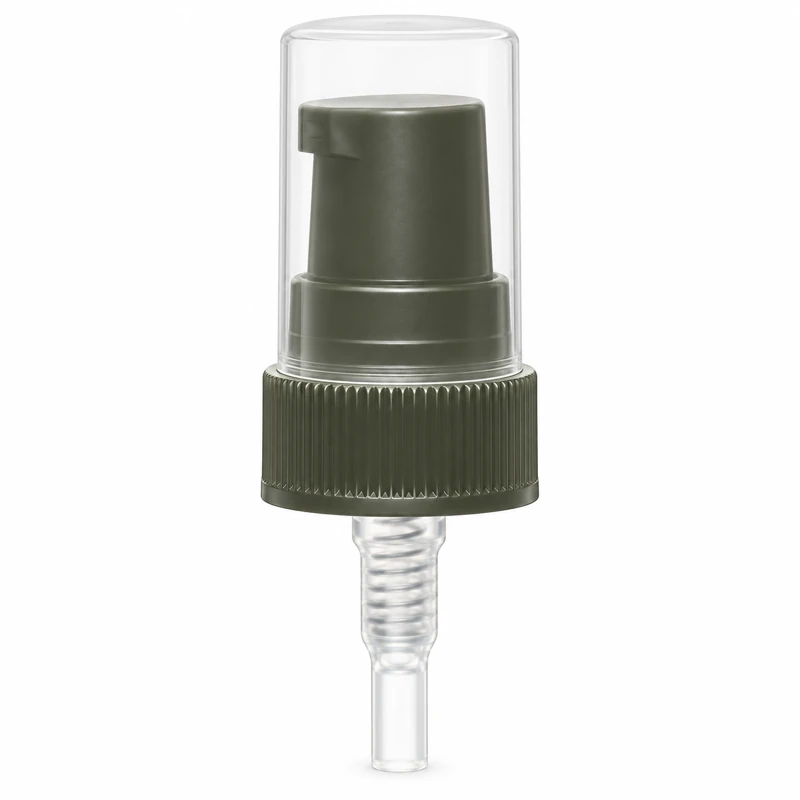
Components to discuss with your supplier.
These references share the component type discussed here. Confirm the selected assembly and application with samples.
Related articles
VIEW THE COMPONENTS