THE DECISION IN BRIEF
White stress marks appear near our clear cap’s retention feature. Can we accept them?
Compare the marks before and after installation, inspect the material condition, and agree a disposition with the supplier before classifying them as cosmetic.
Find the stage that introduces the mark
Inspect unopened caps, freshly fitted caps, and repeatedly removed caps under the same viewing conditions. Identify the engagement region and retain marked examples. Marks present before assembly require a different investigation from marks generated only when the cap is pushed onto the bottle.
Record cap material and production lot rather than relying on the description clear plastic. A decoration or resin change may accompany a visually similar part. Ask the supplier for the controlled component identity and the intended engagement arrangement.
Build a meaningful comparison
Berlin Packaging describes dimensional and microscopic inspection resources. Use an appropriate method for the observed feature instead of deciding from a compressed phone photograph.
- Compare loose and installed caps from the same lot.
- Inspect for cracking, sharp damage, or changing retention.
- Check the mating component and seating condition.
- Repeat intended removal and refitting on identified samples.
Separate appearance from functional risk
A visible whitening mark should not automatically be called harmless. Ask the technical team whether it accompanies material damage or an excessive assembly condition. At the same time, do not infer a structural failure from color alone. Preserve evidence so the assessment can address both appearance and performance.
If the issue follows one cap lot, compare dimensions and material records. If it appears across caps only on one pump assembly, review the mating geometry and capping action. Applying lubricant or heat as an informal fix introduces another uncontrolled variable and should not become a production shortcut.
Define an enforceable acceptance standard
If the technical review supports acceptance, document the permitted appearance with physical references and viewing conditions. If a revision is needed, assess its removal, retention, clearance, and relevant transport behavior. A cap made easier to install may become too loose during distribution.
Keep the corrected material, dimensions, process, and approved sample linked in the specification. Receiving staff need clear criteria for distinguishing permitted visual variation from a newly damaged feature. Review later resin or color changes rather than assuming that an externally identical cap will show the same engagement behavior.
Sources & further reading
Use the references below alongside the selected component drawing and agreed sample plan. Product-specific claims need product-specific evidence.
PRODUCT REFERENCES
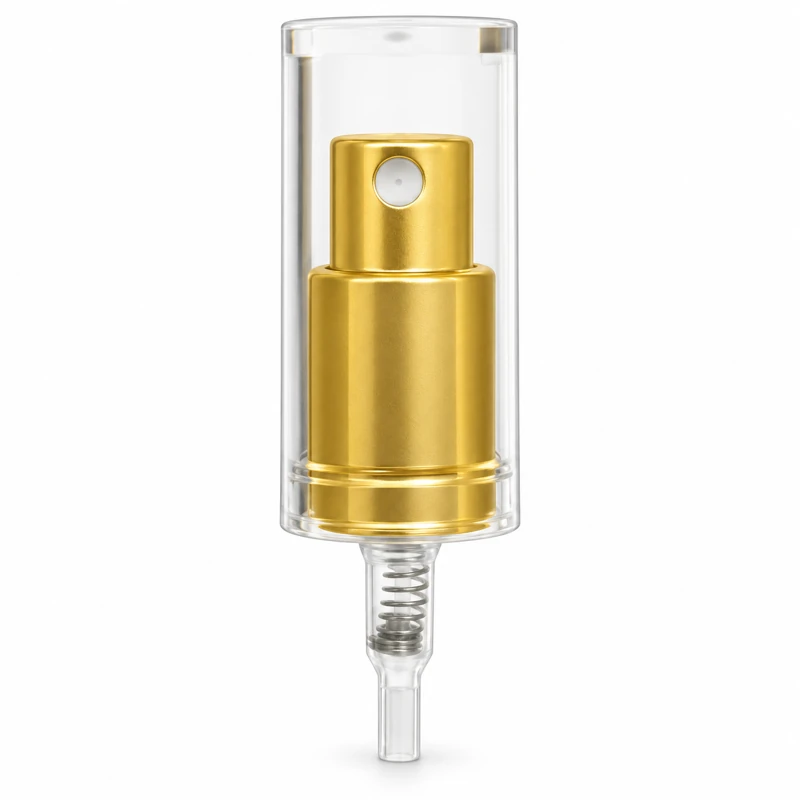
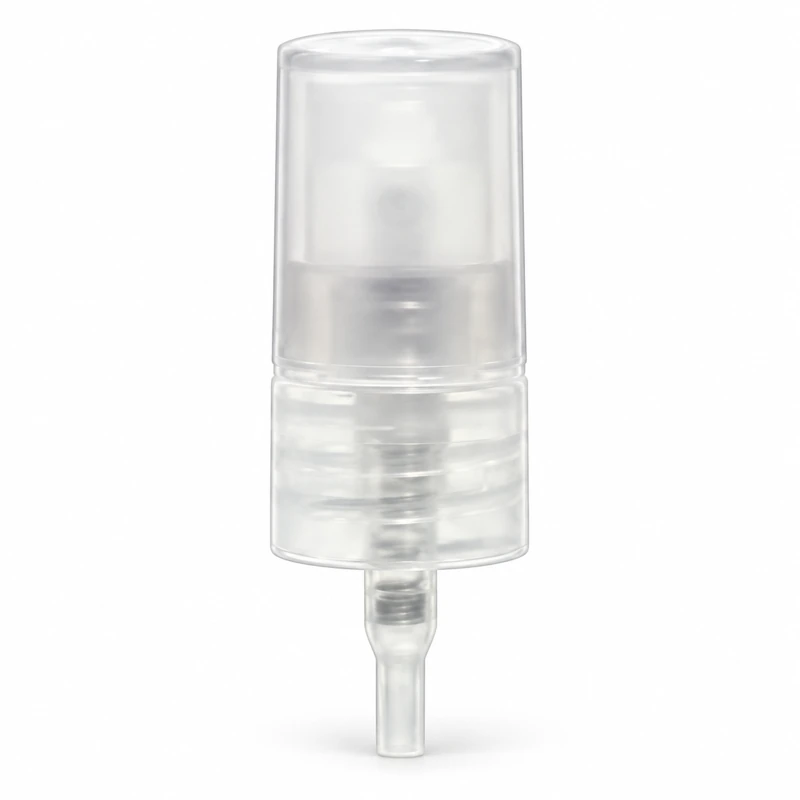
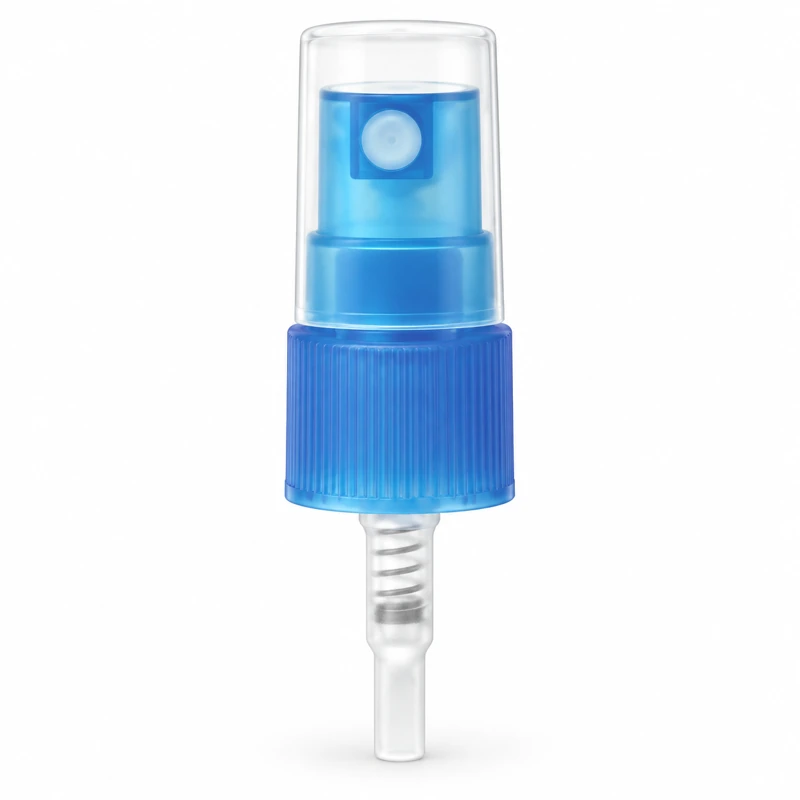
Components to discuss with your supplier.
These references share the component type discussed here. Confirm the selected assembly and application with samples.
Related articles
VIEW THE COMPONENTS