THE DECISION IN BRIEF
The cap fits tightly at first but becomes loose after use. How should we set acceptance?
Compare retention and removal through the intended use sequence on production-intent assemblies, then approve both initial and later behavior with identified references.
Define what the cap must do
A cap should remain appropriately positioned during its intended handling and still be practical to remove. Maximum initial tightness is not automatically the best design. State the product’s use pattern, transport protection, and expected reclosing behavior before discussing a retention change.
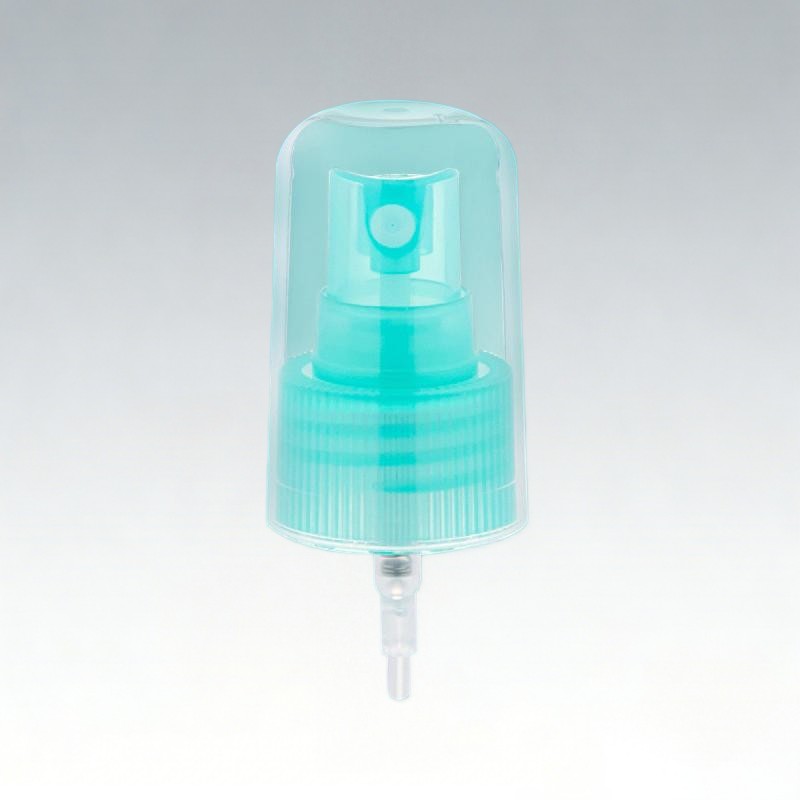
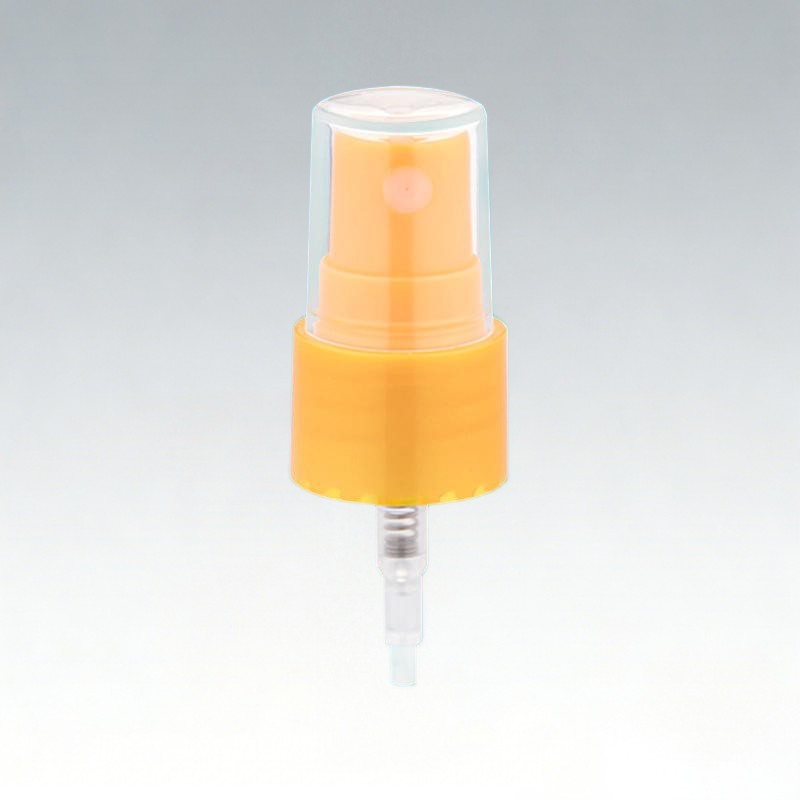
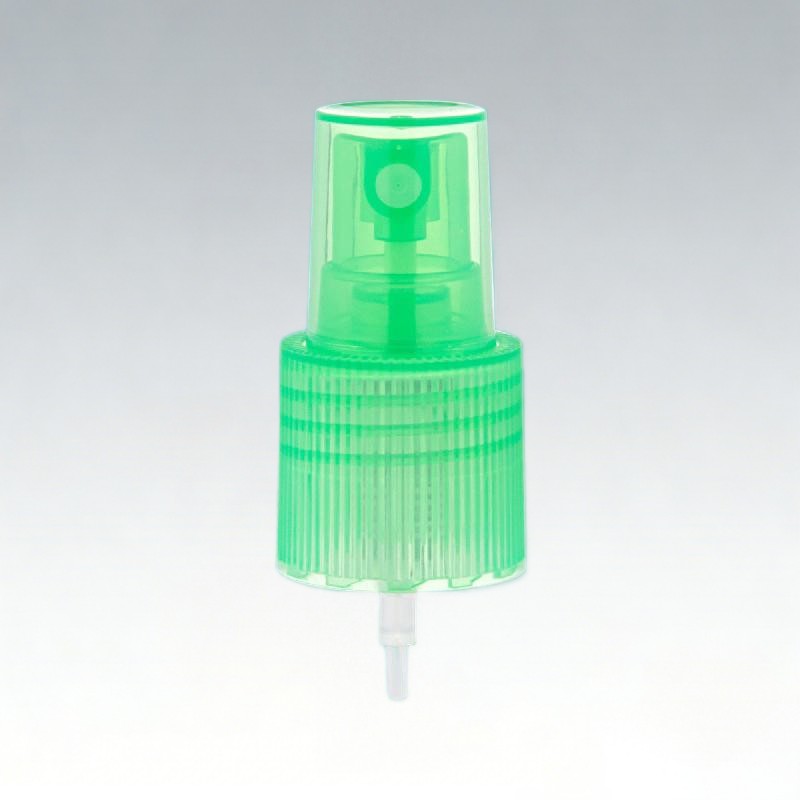
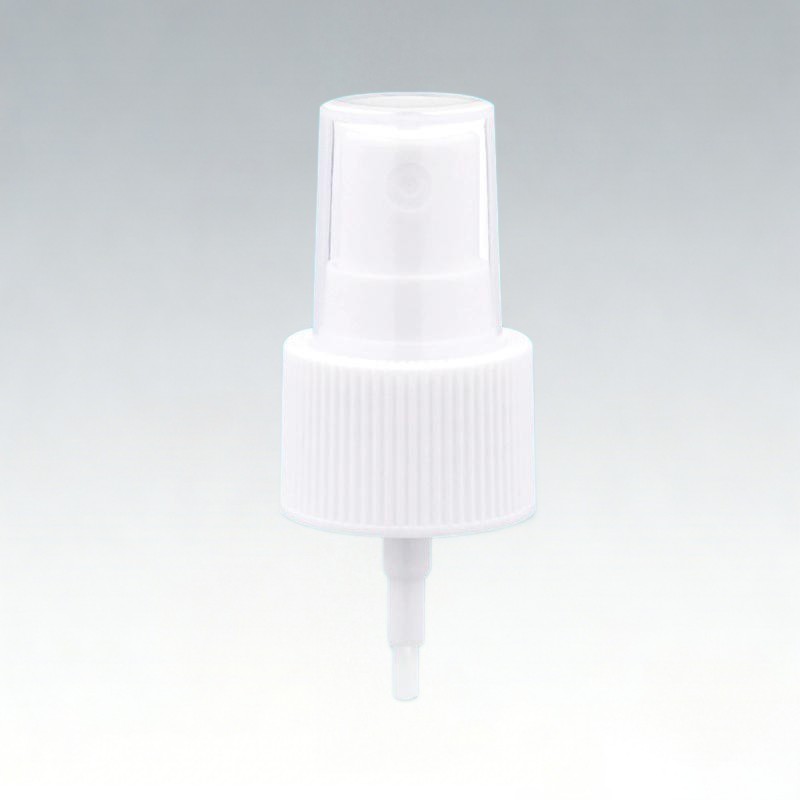
Record whether the cap engages the actuator, collar, or another feature in the selected construction. Ask the supplier for its intended seating condition. A repeated-use test is only meaningful if caps are fitted correctly and the same interface is being assessed.
Observe change over intended use
Aptar lists cap and actuator choices within a specific spray family. Keep the exact pairing controlled while comparing retention rather than mixing similar-looking accessories.
- Assess initial seating and ordinary user removal.
- Repeat the intended opening and refitting sequence.
- Record wear, whitening, cracking, and fit changes.
- Review relevant formula contact and transport condition.
Separate wear from incorrect handling
If loosening follows visible damage, preserve examples and inspect the engagement features. If it occurs only after off-angle removal or excessive seating, review both geometry and the user action. Do not dismiss a common natural action merely because a trained operator can avoid it.
If a tighter revision is proposed, evaluate removal effort, collar movement, accidental spraying during capping, and cap stress. Improvement in one retention result can create another problem. Compare candidates through the same sequence with the same formula, bottle, and conditioning.
Release a usable acceptance method
Agree cycle selection and inspection criteria with the responsible teams as project-specific requirements. This guide does not assign a universal retention force or life. Use an appropriate controlled measurement where required, alongside practical handling observations.
Keep initial and post-use reference examples with the approved component identities and method. Recheck after resin, decoration, engagement-feature, or mating-part changes. The final buying specification should preserve a cap that remains usable through the intended product experience, rather than a passing unused sample that becomes unrepresentative as soon as the consumer starts opening the bottle.
Sources & further reading
Use the references below alongside the selected component drawing and agreed sample plan. Product-specific claims need product-specific evidence.
PRODUCT REFERENCES
Components to discuss with your supplier.
These references share the component type discussed here. Confirm the selected assembly and application with samples.
Related articles
VIEW THE COMPONENTS