
THE DECISION IN BRIEF
The latest delivery makes coarser foam than our retained sample. How do we identify whether bulk or pumps changed?
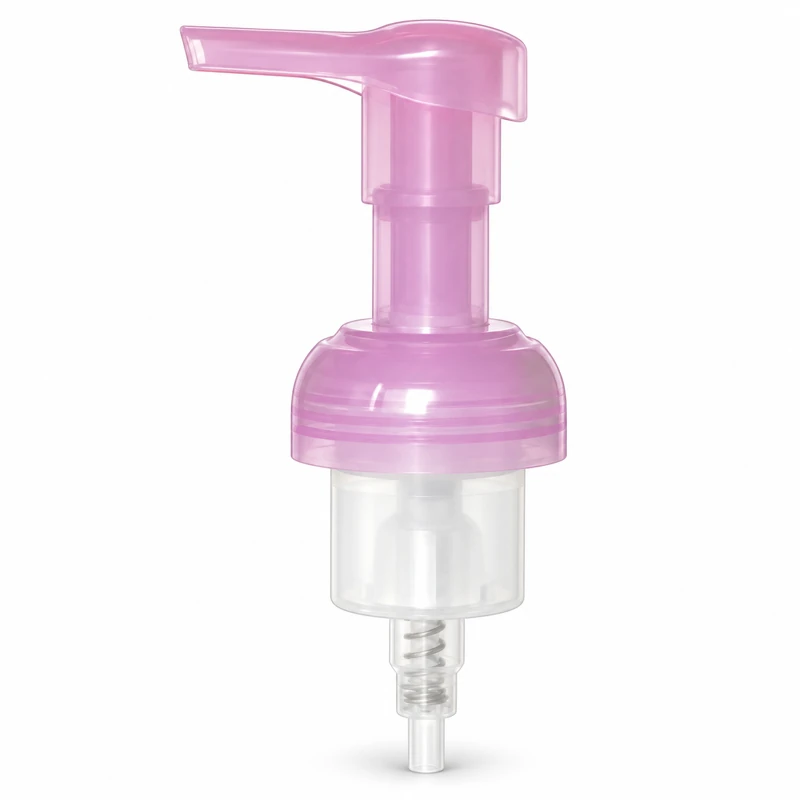
Compare identified current and reference bulk with current and reference assemblies where practical. Verify configuration and observation method before assigning the cause to the incoming lot.
Check whether the comparison is valid
Record the age and condition of the retained sample, the formula revision and the pump reference. A used filled retention and a fresh dry component do not begin from the same state. Recreate the agreed dispensing procedure before concluding that the new lot differs. Repeat a comparison from clearly identified unopened material where available, rather than relying entirely on components with unknown handling histories.
Silgan's formulation guidance links formula and configuration to foam quality. This makes a comparison involving both material identities more useful than judging a new head with whatever bulk happens to be available.
Use a small investigation matrix
Where suitable references are available, the matrix helps isolate variables. Qualified teams should decide whether aged bulk or retained components remain appropriate for comparison.
| Assembly | Bulk | Question |
|---|---|---|
| Reference | Reference | Can the original result be reproduced? |
| Current | Reference | Does the component change the result? |
| Reference | Current | Does the bulk change the result? |
| Current | Current | What does the proposed production pack deliver? |
Read more than texture
Measure or assess liquid consumption, recovery and restart alongside visible bubble appearance. A texture difference may coincide with another useful clue. Keep observations distinct instead of summarizing everything as poor foam.
Ask the supplier to confirm engine, mesh and nozzle identity, including any approved changes. Ask the formulator about bulk revision and manufacturing history. Neither party should need to speculate from an unlabelled video.
Preserve failed and successful samples with the matrix records. If a configuration change is the remedy, identify it clearly and review affected performance before releasing mixed inventory.
Close with a controlled reference
Once the cause is supported, update the relevant component, bulk or comparison method. Keep the accepted foam reference usable and clearly identified. This prevents each delivery from being judged against a different ageing sample and turns a subjective appearance complaint into a repeatable quality decision.
Sources & further reading
Use the references below alongside the selected component drawing and agreed sample plan. Product-specific claims need product-specific evidence.
PRODUCT REFERENCES
Components to discuss with your supplier.
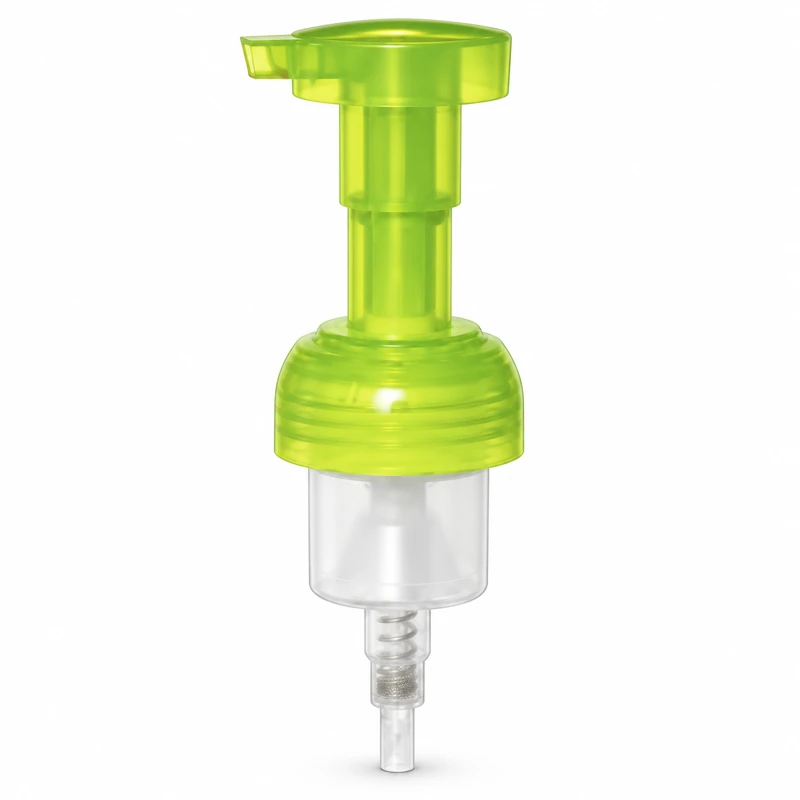
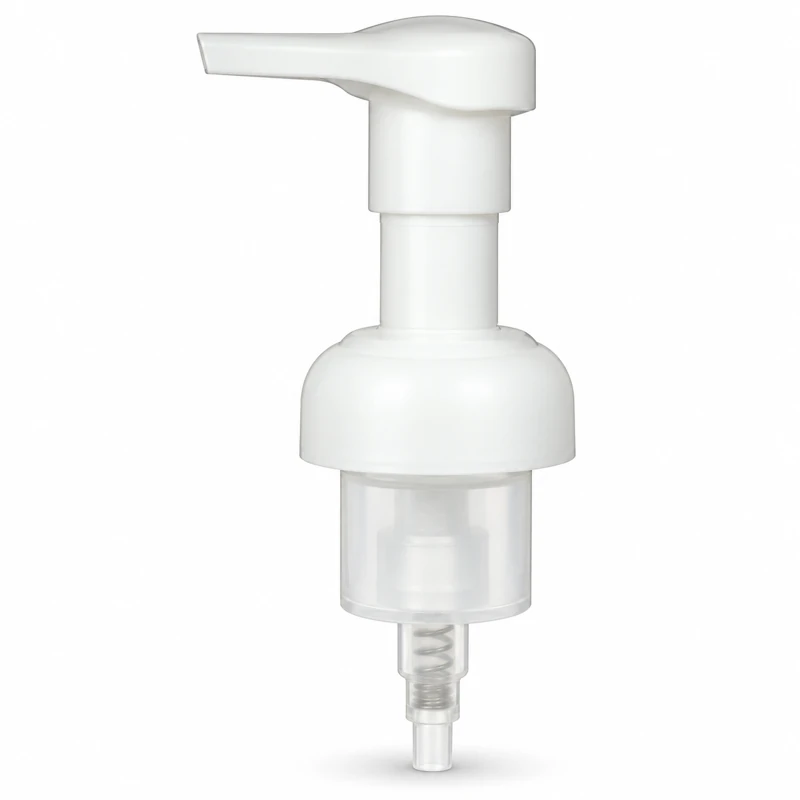
These references share the component type discussed here. Confirm the selected assembly and application with samples.
VIEW THE COMPONENTS