THE DECISION IN BRIEF
Fine particles appeared during pump assembly. Could dip tube cutting be responsible?
Preserve the particles and compare uncut, cut, and assembled material before assigning the cause. Agree a controlled cut-quality and cleanliness check with the supplier.
Preserve evidence at the stage it appears
Stop treating every particle as the same defect. Record color, shape, location, component lot, and the operation where it was first observed. Keep unopened bags and representative failed parts. A particle found after filling may originate from the bottle, line, tube, or another component; appearance alone rarely settles attribution.
Inspect components before they pass through local trimming or assembly. If the tubes arrive precut, examine retained material from unopened cartons. If the filler cuts them, compare incoming tubes with freshly cut examples. This stage comparison makes the investigation more useful than simply cleaning the finished pump.
Use an agreed cut inspection
Cut-to-size dip tubes are commercially specified for fine-mist assemblies in O.Berk’s listings. Request a precise definition of the supplied cut and responsibility for any final trimming.
- Confirm the measurement datum, end shape, and allowed variation.
- Inspect for loose fragments and visibly damaged edges.
- Check whether the opening remains unobstructed.
- Record cutting equipment condition and cleaning responsibility.
Avoid an uncontrolled corrective process
Do not ask receiving staff to trim an entire shipment with hand scissors while calling it the original approved product. Any rework needs an agreed method, effectiveness check, quantity reconciliation, and identification. A quick modification may change tube length or generate additional debris even if it improves one visible edge.
If particles are found upstream of cutting, broaden the investigation instead of repeatedly replacing blades. Compare packing material, tube handling, and other components using identified samples. Ask the supplier to propose a containment boundary tied to the evidence, such as affected lots or cutting periods, rather than assuming every similar-looking carton is affected.
Release cleanliness and function together
Agree the inspection environment and method with the quality team. A visual check should state its lighting, background, and reference examples where relevant. Do not invent a universal cosmetic-cleanliness threshold for all mist products. Consider the product’s actual requirements and the inspection’s practical detection limits.
After a cut-process change, verify tube length, installed position, dispensing near low fill, and any affected assembly behavior. Keep the approved cut sample and revision with the purchase specification. The aim is a repeatable delivered tube, with a documented route for investigating fragments if they recur, rather than an informal promise that parts will be cleaned more carefully.
Sources & further reading
Use the references below alongside the selected component drawing and agreed sample plan. Product-specific claims need product-specific evidence.
PRODUCT REFERENCES
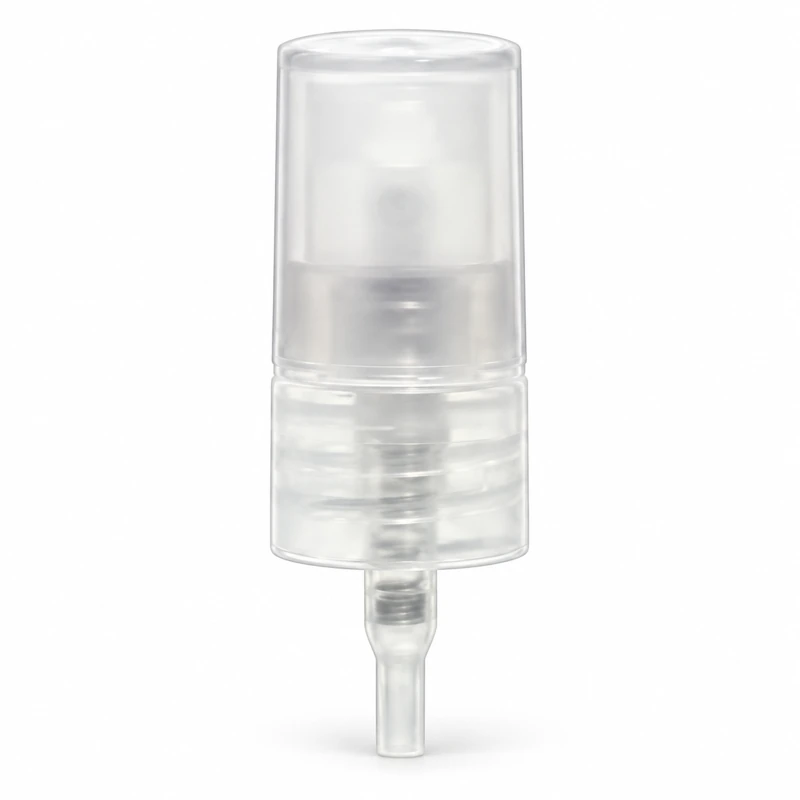
Components to discuss with your supplier.
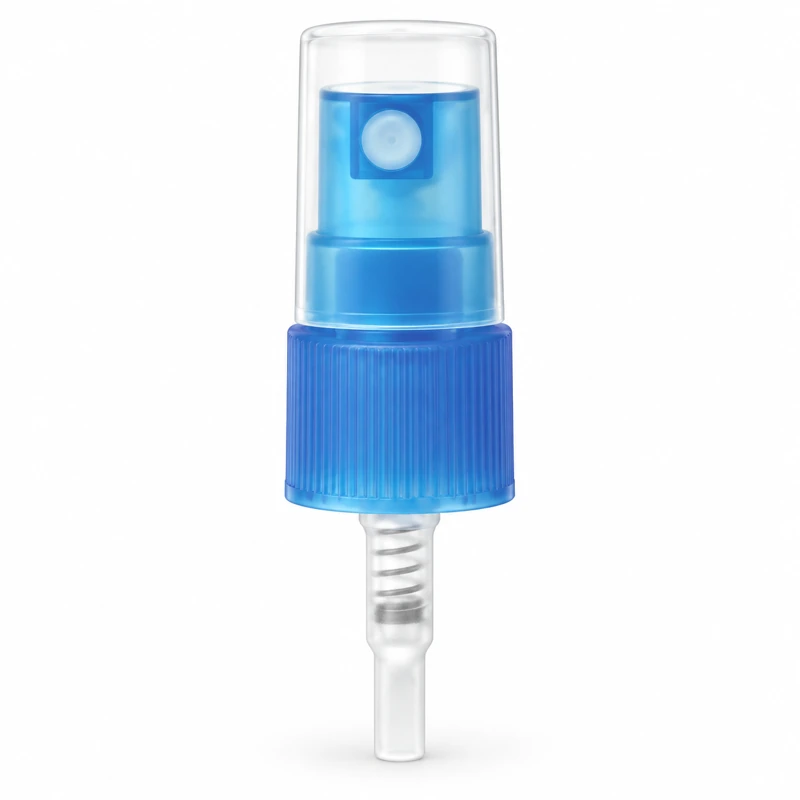
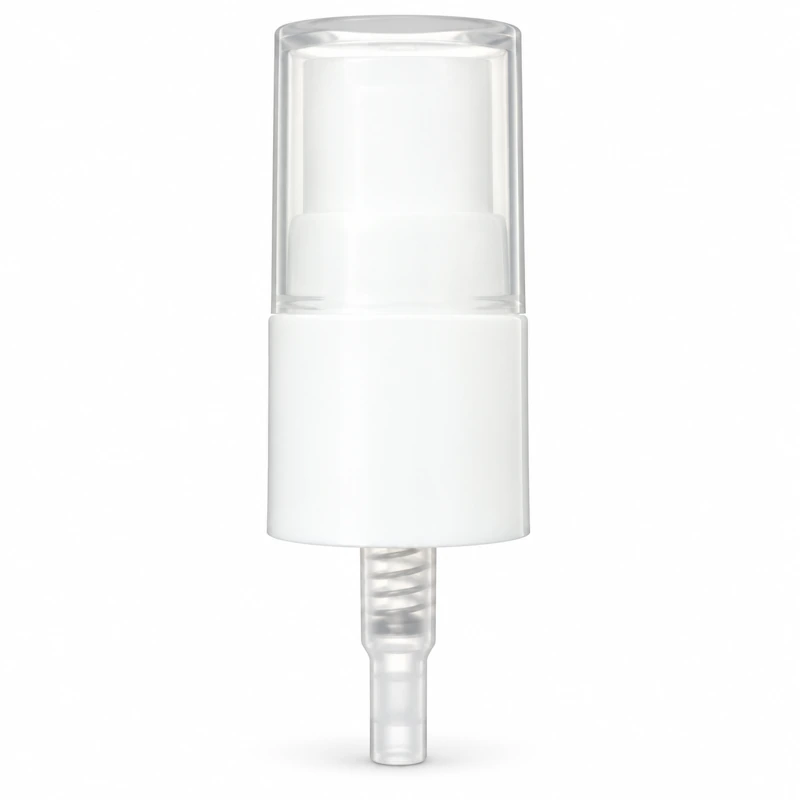
These references share the component type discussed here. Confirm the selected assembly and application with samples.
Related articles
VIEW THE COMPONENTS