THE DECISION IN BRIEF
Two sprayers have the same stated output. Why does one feel wetter and more concentrated?
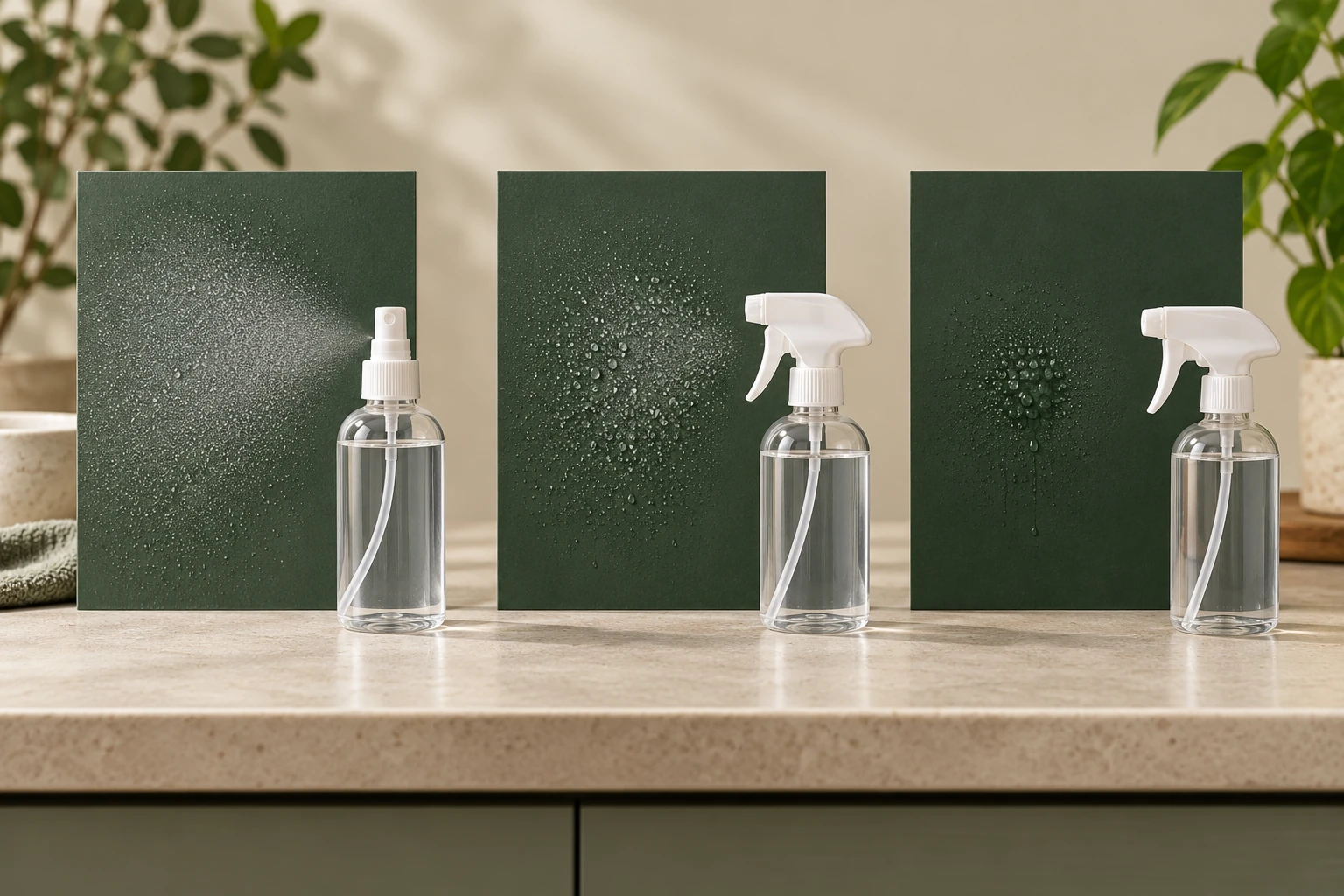
Equal output does not establish equal spray distribution. Compare the selected pump and insert using the final formula, fixed actuation conditions and an agreed spray target, alongside measured liquid output.
One number cannot describe the experience
Output tells a buyer how much liquid is delivered per actuation under specified conditions. Spray pattern describes how that delivery is distributed. A pump can deliver a similar total amount in a narrow target or over a wider area. Neither value, by itself, proves a soft application or an acceptable finish on skin or hair.
Aptar's PZ1 page describes choosing inserts according to formula type. Silgan's Mark VII Max page likewise offers a range of pattern options. Use those distinctions in an enquiry: request output and spray characteristics separately and have the supplier identify the exact engine, insert and actuator used for the sample.
Write an application brief
Start with the target use distance, application area and user action. A body mist covering a broad area has a different brief from a targeted hair product. State whether customers are expected to make one deliberate press or several quick strokes. Provide the final formula or sufficient formulation information for the supplier's screening.
Avoid buying on a video of water spraying into the air. Lighting can make a plume look impressive while showing little about wetting on the target. A useful comparison holds formula, distance, target material and actuation method constant. Keep the environment and observation method defined so a later sample can be compared fairly.
The phrase “ultra fine” should lead to a request for a definition and evidence, not an automatic approval. If measured droplet characteristics matter to your application, agree the method and required result with qualified teams. A photograph of a spray mark is useful for distribution, but does not replace droplet-size measurement.
Build a two-part comparison
First measure stable liquid output after recording priming separately. Collect a defined number of full strokes and measure mass, converting to volume only with an appropriate density value. Then evaluate the spray on the agreed target at the intended use distance. Label the samples so the preferred appearance can be tied back to a configuration.
Record the shape, central concentration, obvious jets, satellite wetting and any liquid remaining at the nozzle. These observations are proposed comparison criteria, not universal failure limits. Agree what is unacceptable for this product before choosing a winner.
| Result | Likely purchasing question |
|---|---|
| Correct liquid amount, target too concentrated | Should a different insert or pattern be evaluated? |
| Attractive pattern, portion too large | Is another engine/output configuration available? |
| Good first spray, wet nozzle afterwards | Does the final formula need a different configuration? |
| Pattern changes after storage | Do formula and package remain suitable together? |
| Different appearance under fast strokes | What actuation conditions should approval cover? |
Keep the approved insert visible in the specification
The nozzle insert may be a small part, but it belongs in change control. Do not allow a visually identical actuator to replace it without review. Ask the supplier whether the proposed output, insert and formula compatibility have been evaluated as the same assembly.
Evaluate representative samples after the agreed storage conditions and through the relevant fill range. Include ordinary user pressing behaviour after the controlled comparison, because the package ultimately needs to function outside a laboratory rhythm. Record any restrictions on orientation rather than assuming all mist pumps work inverted.
When requesting STDPAK samples, send an application brief rather than only a desired millilitre figure. Keep the chosen spray reference and measured output together on the approval sheet. This gives purchasing a defensible target while leaving the supplier room to recommend a suitable configuration.
Sources & further reading
Use the references below alongside the selected component drawing and agreed sample plan. Product-specific claims need product-specific evidence.
PRODUCT REFERENCES
Components to discuss with your supplier.
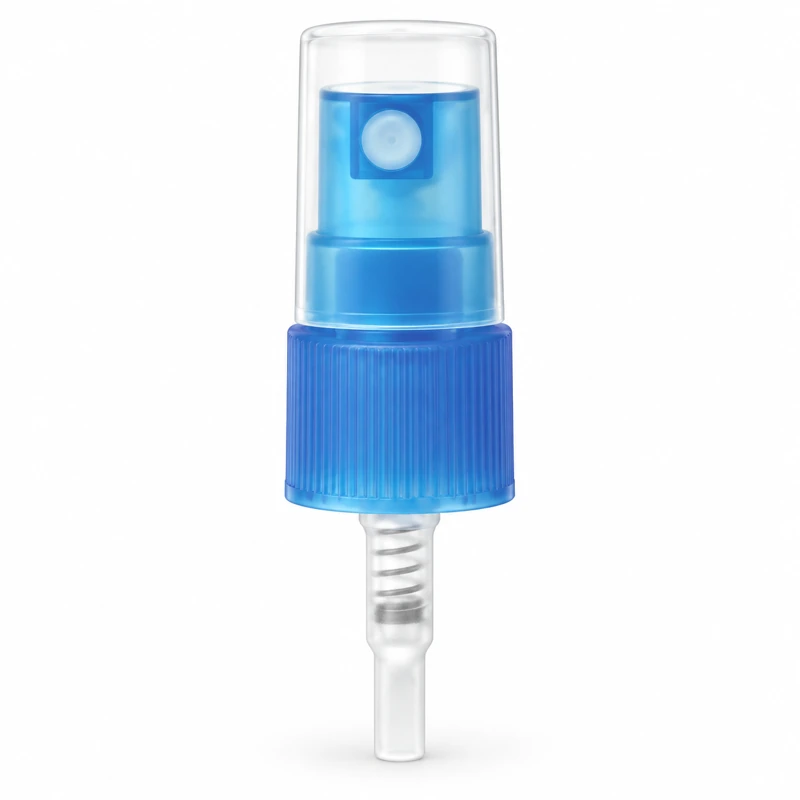
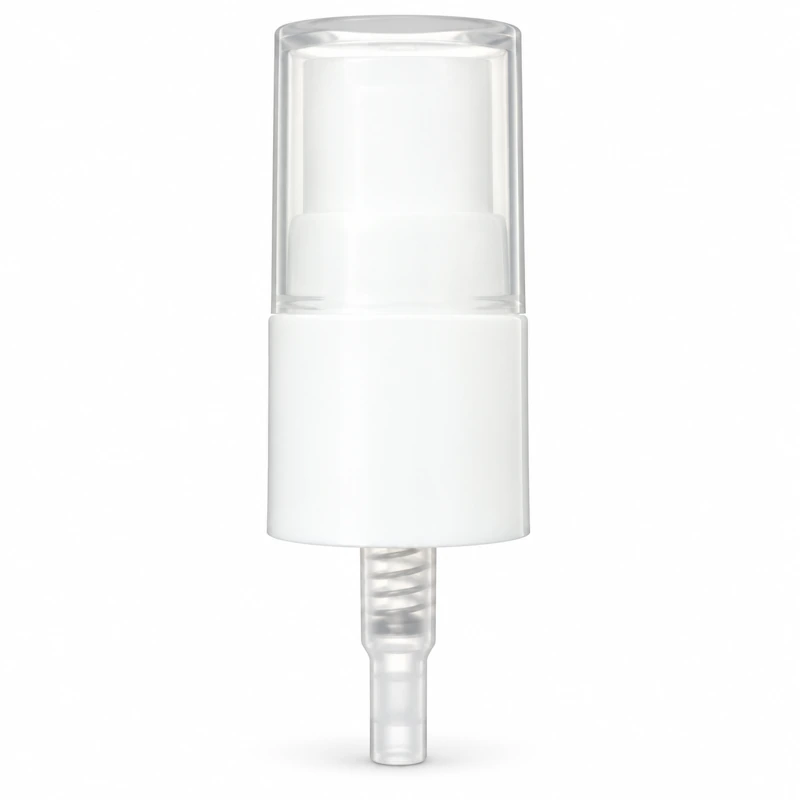
These references share the component type discussed here. Confirm the selected assembly and application with samples.
Related articles
VIEW THE COMPONENTS