THE DECISION IN BRIEF
Our clear bottle exposes an unattractive dip tube. Can we choose a decorative shape or shorten it?
Ask the supplier for suitable appearance options and evaluate each in the filled bottle. Preserve approved pickup, connection and assembly performance; visual improvement alone should not determine the tube geometry.
Identify the actual visual problem
Decide whether the concern is tube colour, curvature, connection visibility or its relationship to the label. Review the filled decorated pack at normal viewing distance. A close-up of an empty bottle can exaggerate details customers may not see in the intended presentation.
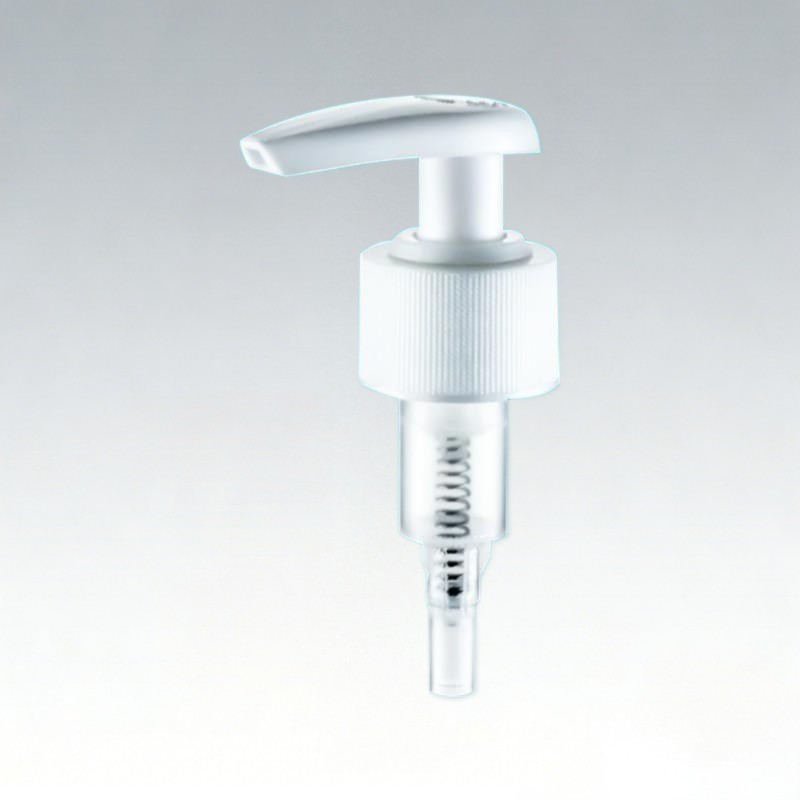
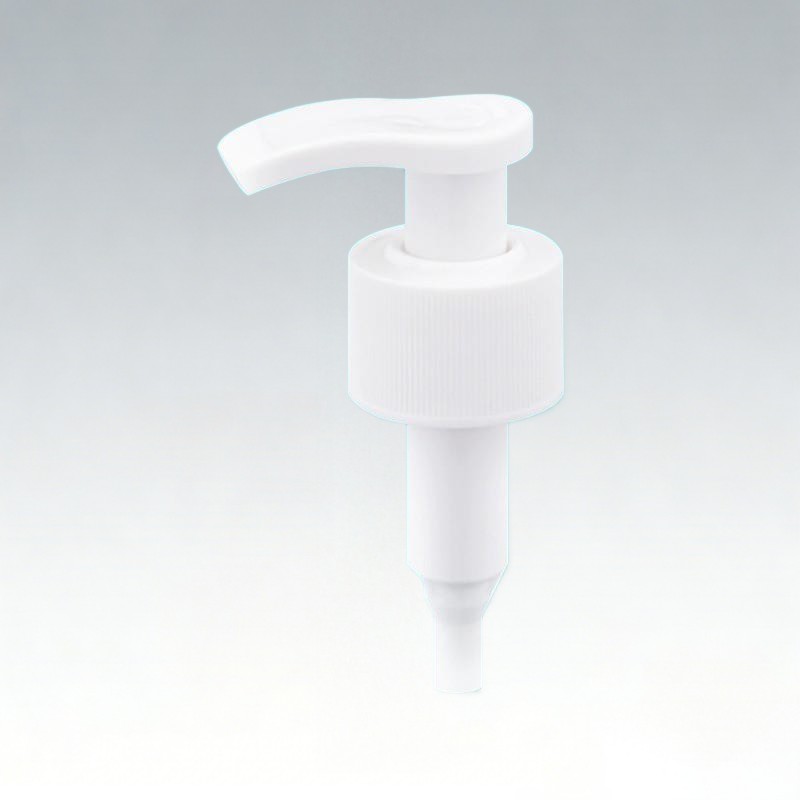
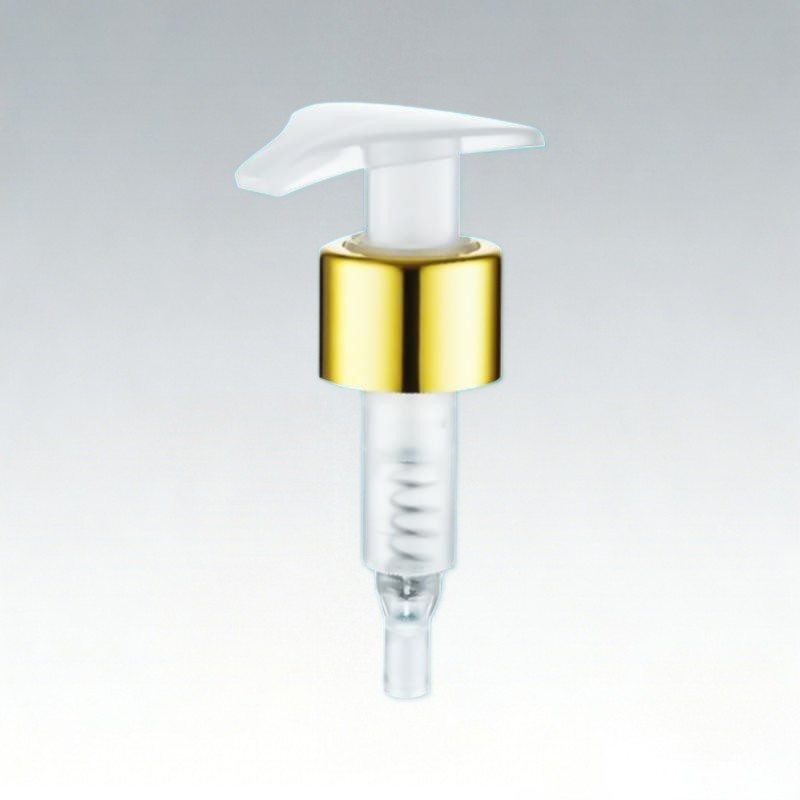
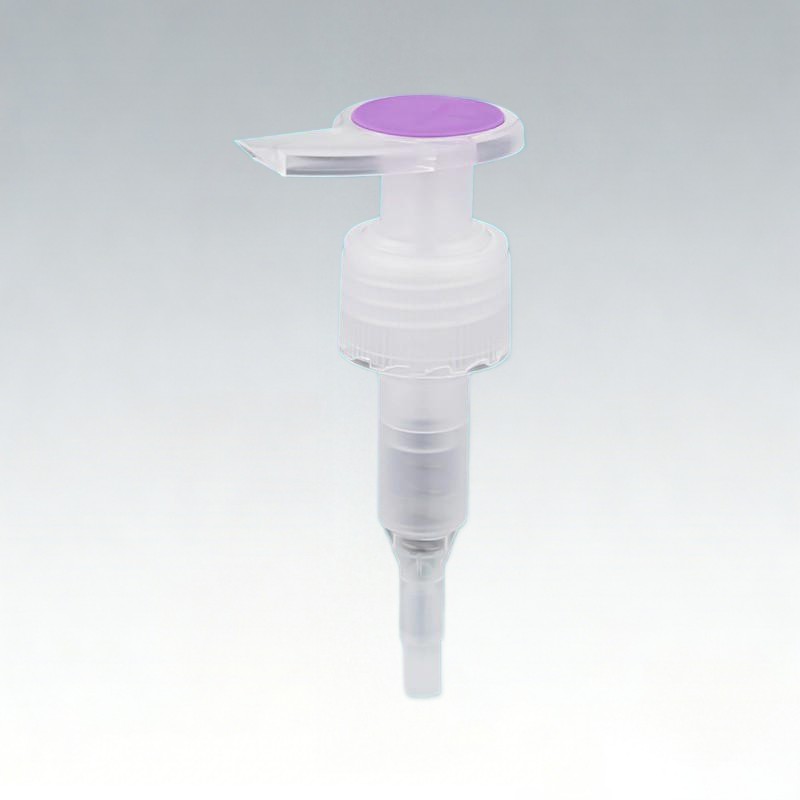
O.Berk explains that tube selection depends on the paired bottle and contributes to product use. That makes a visible tube a functional component even when marketing treats it as part of the interior styling.
Compare candidate presentation options
Use supplier-supported materials and shapes rather than hand-bending production parts to match a rendering.
- Review the tube in the intended formula and filled bottle.
- Confirm connection, reach and final inlet position.
- Observe insertion through the intended line process.
- Assess first use and low-fill pickup.
- Compare the full labelled presentation, not only the bare bottle.
Avoid a shorter-tube shortcut
Shortening may hide the tube behind a label while changing where pickup stops. If that option is proposed, measure the relevant remaining product under the agreed use method and let the product team assess the tradeoff.
A different tube material or decorative treatment requires supplier and formulation review where it changes contact surfaces. Do not add an unsupported coating simply because it looks more discreet.
If the tube curves deliberately, inspect its position after normal assembly and handling. An attractive hand-arranged sample is not enough if production tubes land inconsistently.
Choose a reproducible interior appearance
Consider bottle tint, label coverage or another exterior presentation if these preserve the approved dispensing assembly more simply. Each option has its own brand and manufacturing implications, so compare the whole package.
Specify the accepted visual and functional references together. The resulting order should tell the supplier what appearance matters and what pickup behaviour must remain, avoiding a conflict where one department approves a hidden tube while another later discovers excess residual lotion.
Sources & further reading
Use the references below alongside the selected component drawing and agreed sample plan. Product-specific claims need product-specific evidence.
PRODUCT REFERENCES
Components to discuss with your supplier.
These references share the component type discussed here. Confirm the selected assembly and application with samples.


Related articles
VIEW THE COMPONENTS