THE DECISION IN BRIEF
Particles appear around mist pump assemblies during filling. Should we reject every pump carton?
Contain the affected material and compare identified samples at successive stages. Establish where the particles first appear before defining the supplier or process action.
Preserve the particle and its context
Record where the material was found: inside a bag, on a tube, around the neck, in the product, or on the line. Keep representative particles and unopened component references using the quality team’s handling method. A photograph alone may not distinguish similar-looking sources.
Mark the affected time period, component lots, bottle lots, and line settings. Avoid merging every observed speck into a single category. Differences in color, shape, or location can indicate separate mechanisms and require separate containment decisions.
Compare successive stages
Berlin Packaging includes microscopy and package troubleshooting in its quality resources. Use appropriate identification methods rather than assigning responsibility from appearance alone.
| Stage | Useful evidence |
|---|---|
| Unopened components | Whether material predates local handling |
| Feeding and conveyance | Contact points that may generate debris |
| Tube or closure application | New particles after a specific operation |
| Finished pack | Location and relevance to product quality |
Set a justified containment boundary
Have the quality team determine the affected scope and disposition. If material is present in unopened supply, request supplier investigation with lot identities. If it first appears after a line operation, review the contact and tooling there. An initial hypothesis should not become a final claim before the stage comparison supports it.
Do not repeatedly clean the same sample and report that the problem has disappeared. Record cleaning or rework separately and verify its effectiveness by an agreed method. Reconcile quantities and preserve the original evidence before any mass sorting begins.
Close the case with the supported source, corrective action, and prevention checks. Revalidate any changed cutting, feeding, or application process for damage and component function. Update the relevant receiving or setup criterion only where the investigation justifies it. The objective is a traceable clean delivery and assembly route, rather than a broader rejection or reassurance than the evidence can support.
Sources & further reading
Use the references below alongside the selected component drawing and agreed sample plan. Product-specific claims need product-specific evidence.
PRODUCT REFERENCES
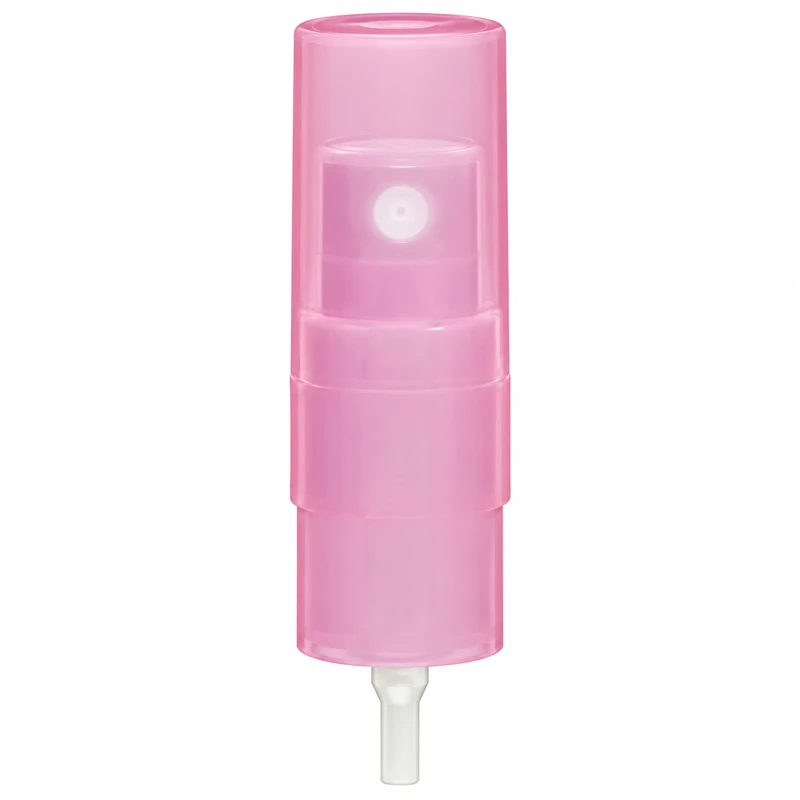
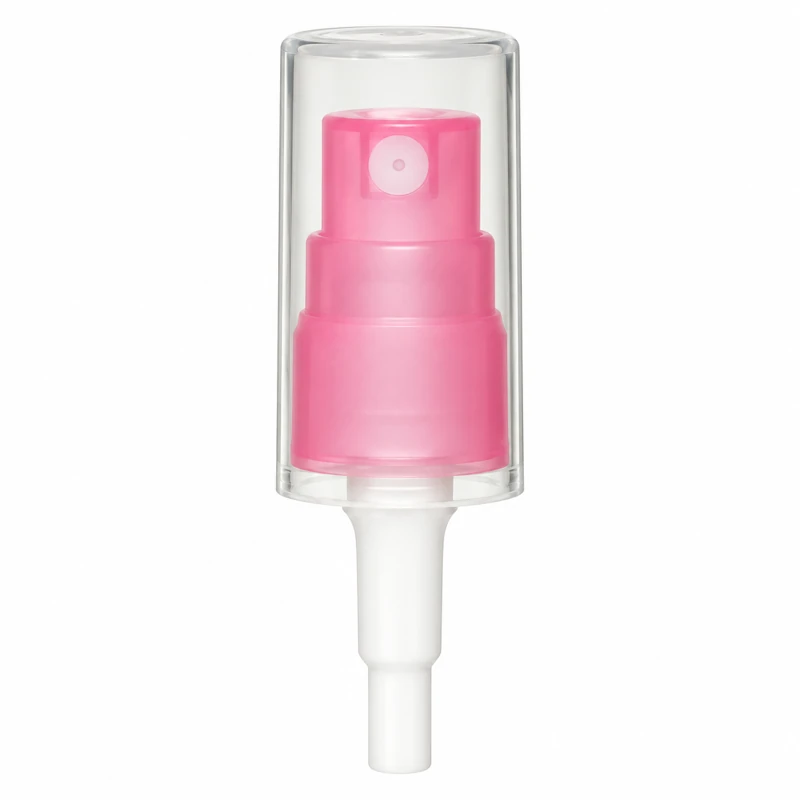
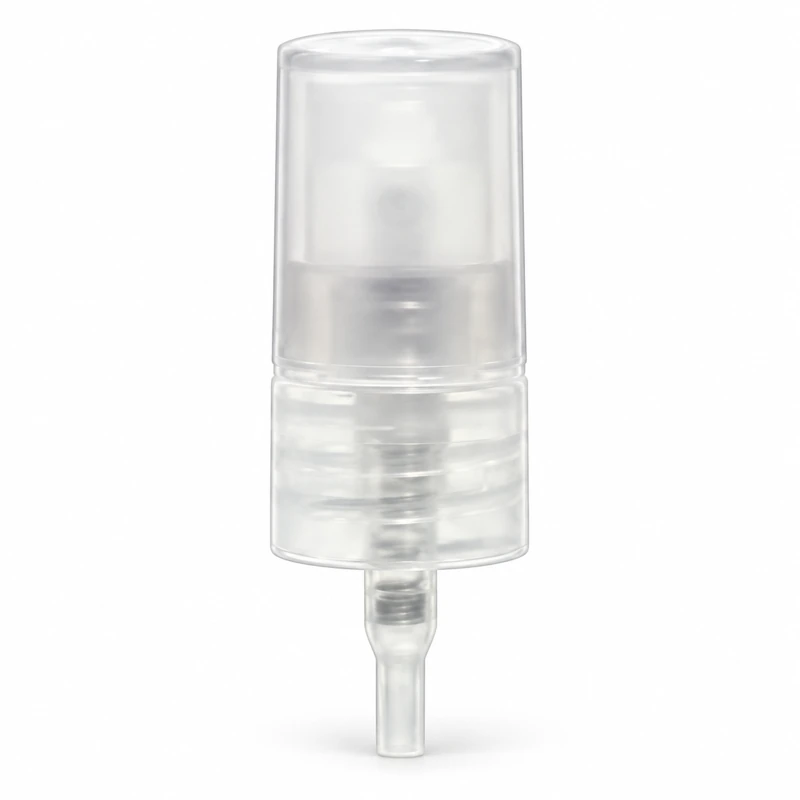
Components to discuss with your supplier.
These references share the component type discussed here. Confirm the selected assembly and application with samples.
Related articles
VIEW THE COMPONENTS