THE DECISION IN BRIEF
An oil sprayer works slowly but sputters when pressed repeatedly; how should we evaluate it?
Record the intended and observed actuation cadence, compare return and delivery using matched assemblies, and ask the supplier to review the configuration against the actual task.
Define the task behind repeated pressing
Repeated actuation can be part of normal use or a response to an unsatisfactory deposit. Observe why users speed up. A broad application task may encourage repeated actions, while an awkward pattern may lead users to compensate with extra presses.
Record whether the actuator visibly returns before the next action. Avoid assigning a return-force value or internal cause from appearance. The useful evidence is the sequence: action, return and delivery, together with the formula and assembly reference.
Compare a controlled sequence with realistic use
Use the intended bottle, representative fill state and actual oil formula. Establish a controlled baseline following the supplier's operation instructions, then observe the realistic sequence that prompted the complaint. Keep target distance and orientation comparable.
If delivery changes only when the next action begins before return is complete, discuss that finding with the supplier and product team. If inconsistency remains during the baseline, investigate priming, formula and assembly separately. Neither result proves that a stronger spring is the right correction.
- Record actual action sequence rather than writing fast or slow.
- Keep return observations separate from deposit observations.
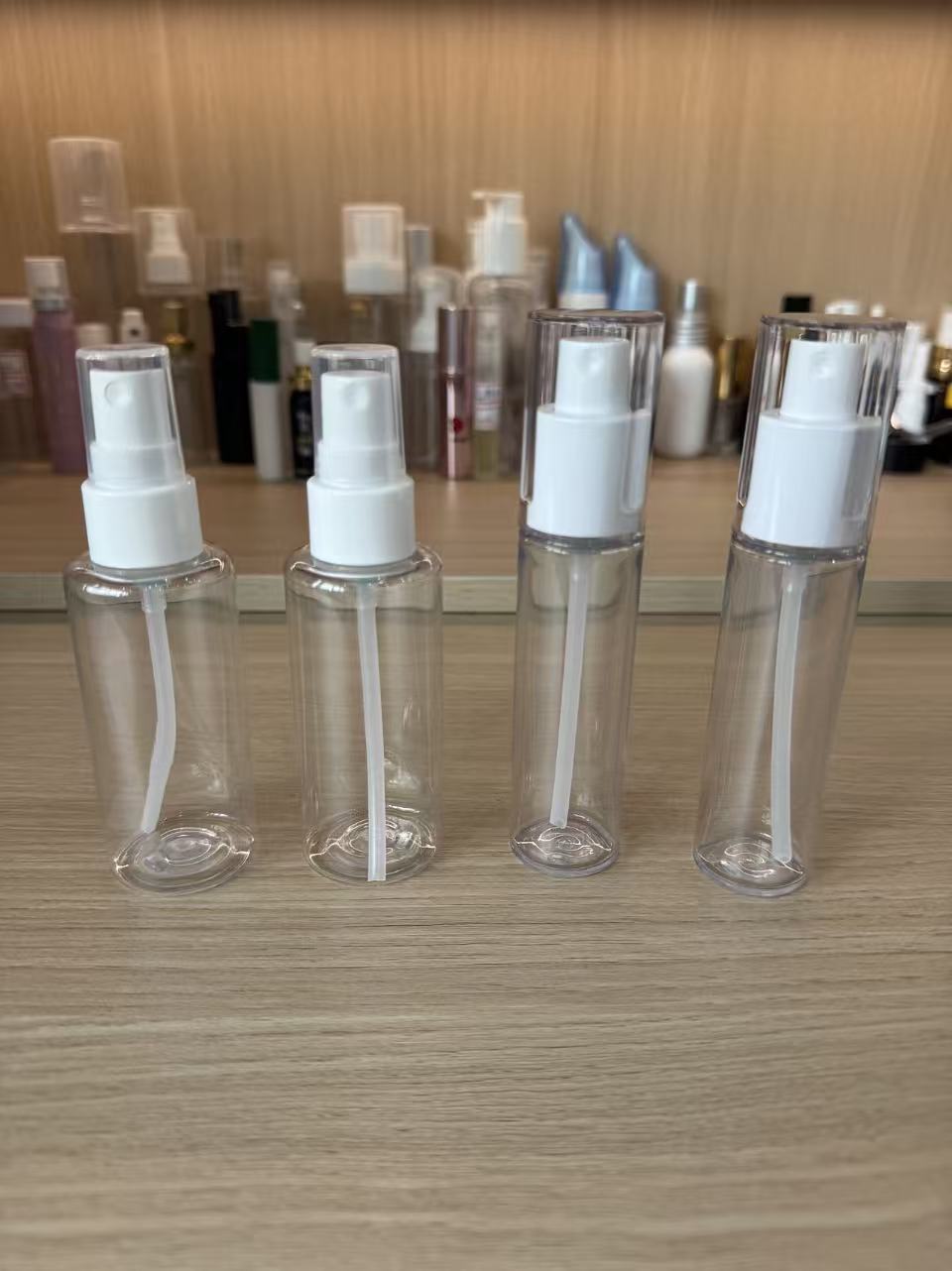
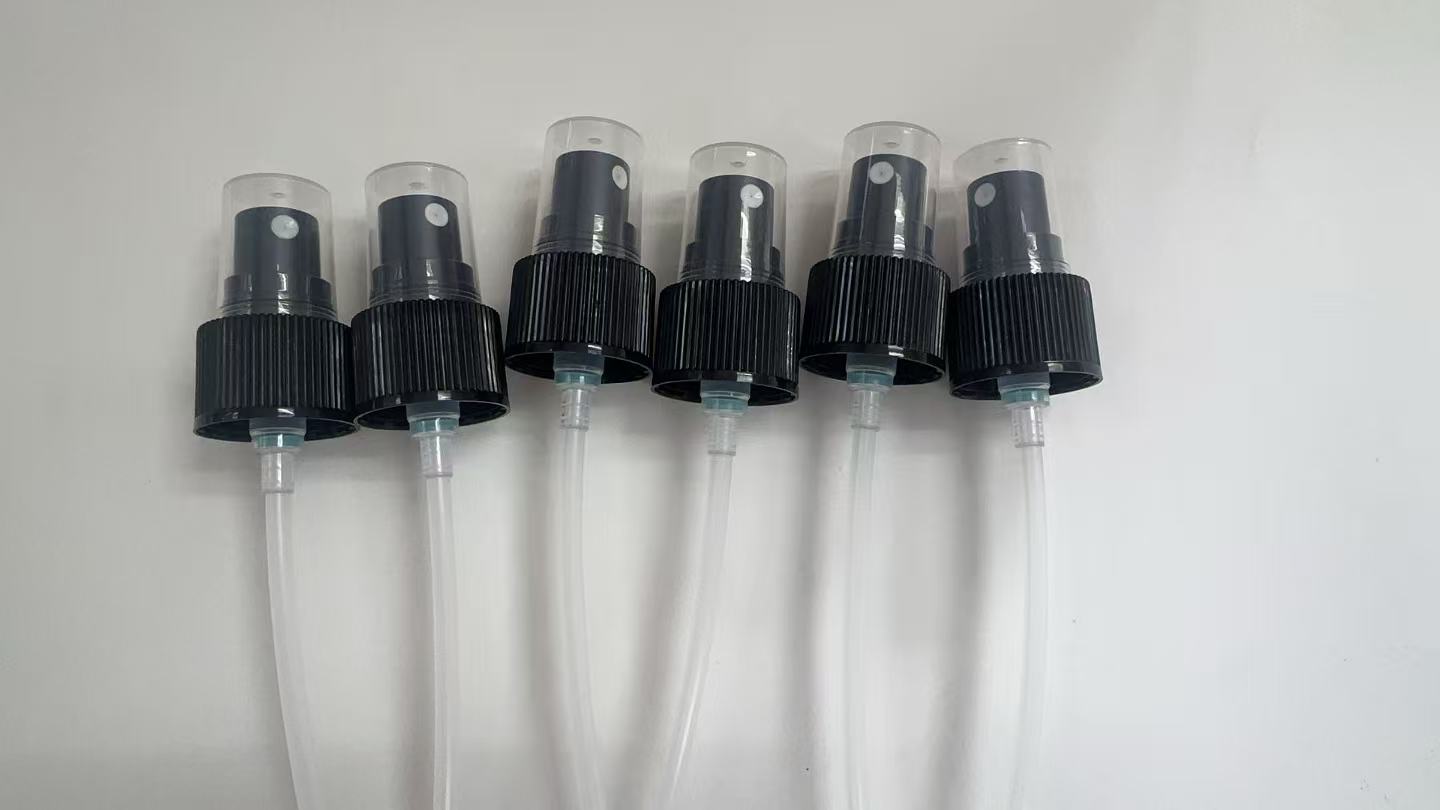
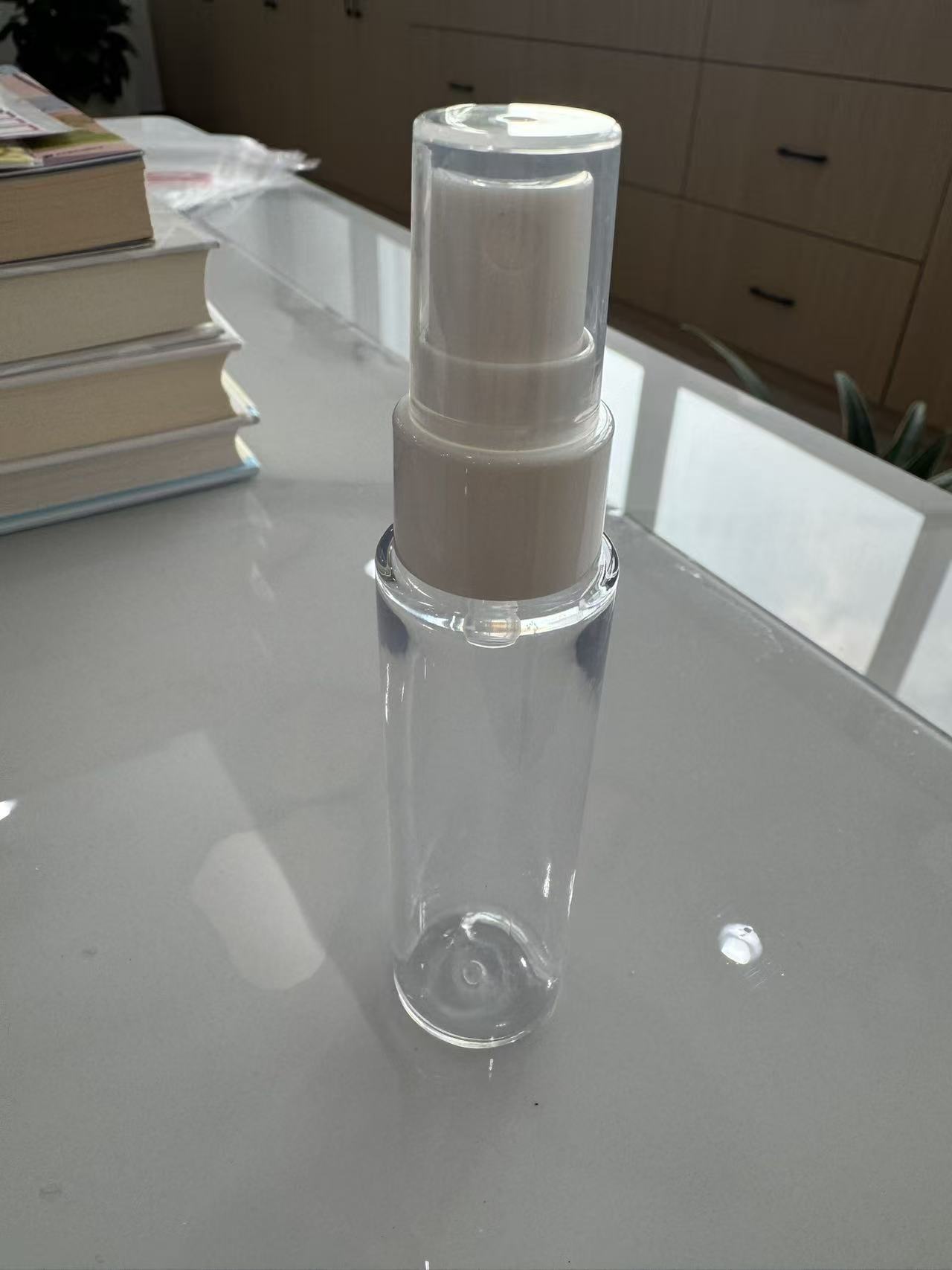
- Identify nozzle, actuator and tube configuration.
- Preserve affected samples without internal modification.
Decide whether to change the package or the task
Oil and viscous-formula variants appear in Aptar's PZ family. Give the supplier the repeated-action sequence and observed return behavior. Ask whether a different candidate merits comparison for the actual workload, keeping useful coverage and residue in the evaluation.
Ask for a candidate that can be compared under the intended workload, or assess whether the selected format suits the task at all. A verbal instruction to press slowly may be unrealistic for a large-area application. If a new candidate is selected, compare useful coverage and residue as well as repeated-action behavior so solving cadence does not create another application problem.
Watch compensating actions
Users may press again because the previous deposit was difficult to see. Record that behaviour before asking them to slow down. A clearer application cue or a different deposit may deserve investigation alongside return action. The comparison should explain why the rapid sequence occurs, not only describe its consequences.
Sources & further reading
Use the references below alongside the selected component drawing and agreed sample plan. Product-specific claims need product-specific evidence.
PRODUCT REFERENCES
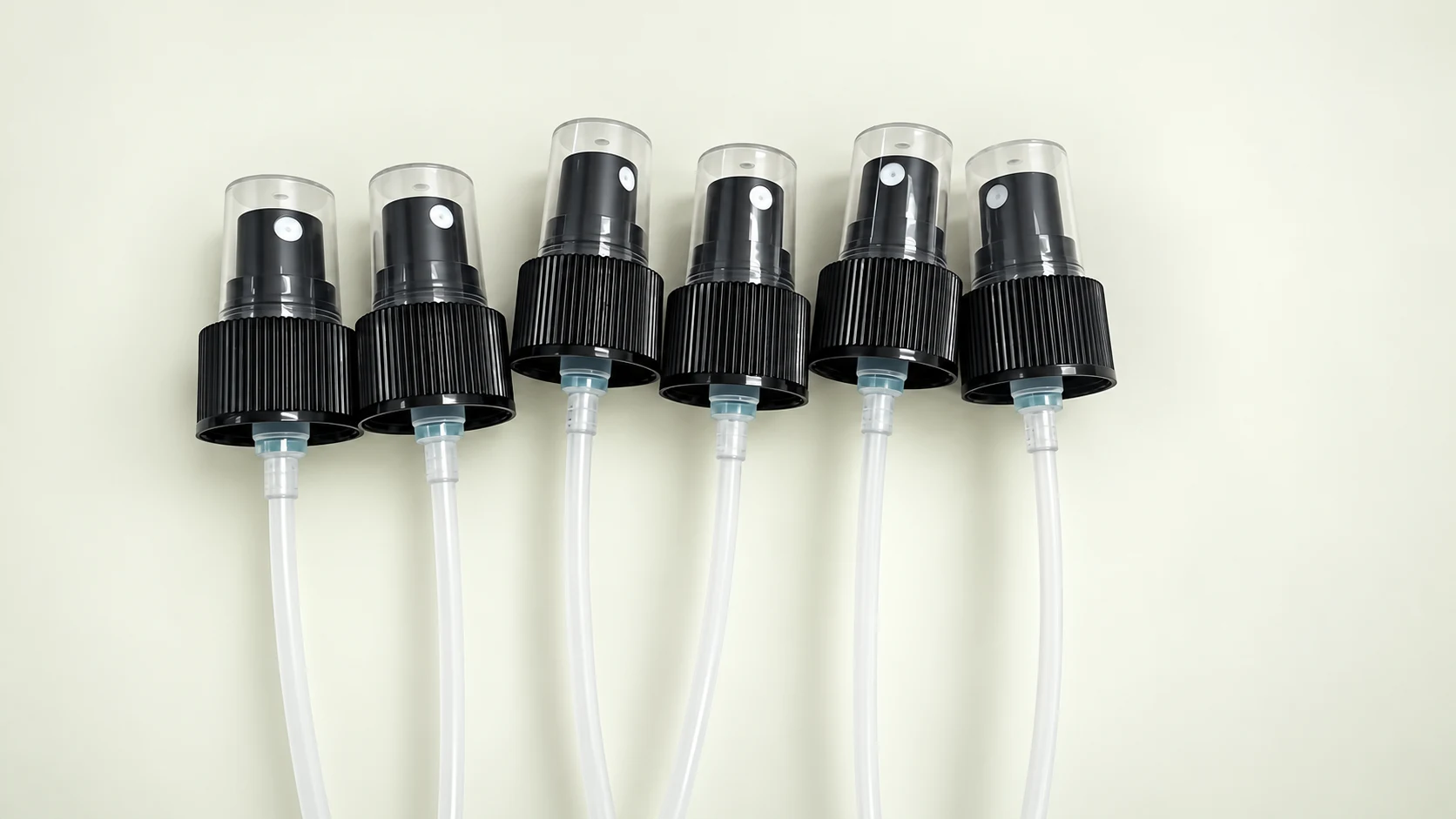
Components to discuss with your supplier.
These references share the component type discussed here. Confirm the selected assembly and application with samples.
Related articles
VIEW THE COMPONENTS