THE DECISION IN BRIEF
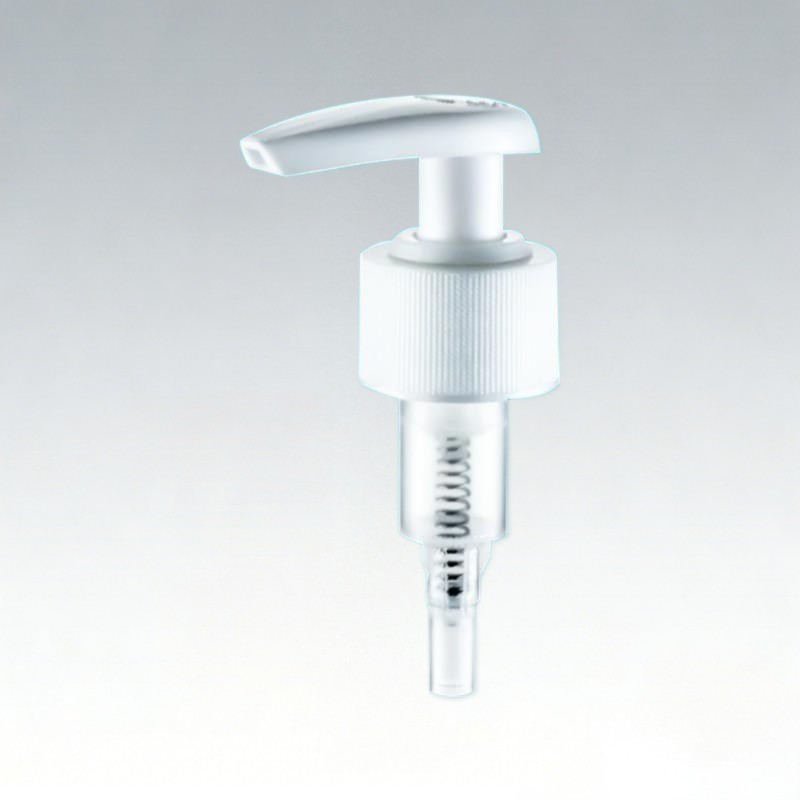
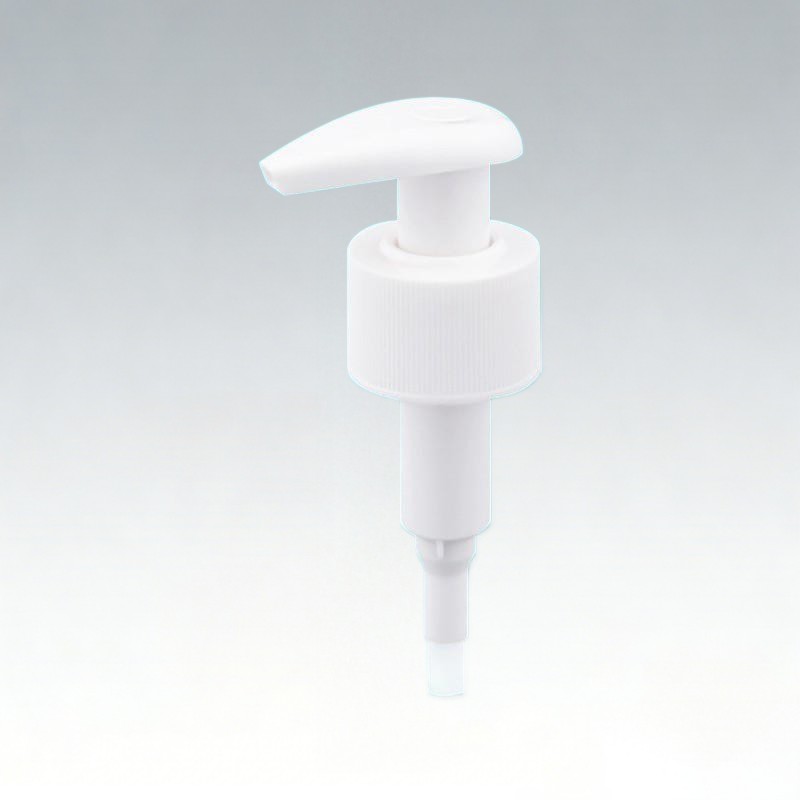
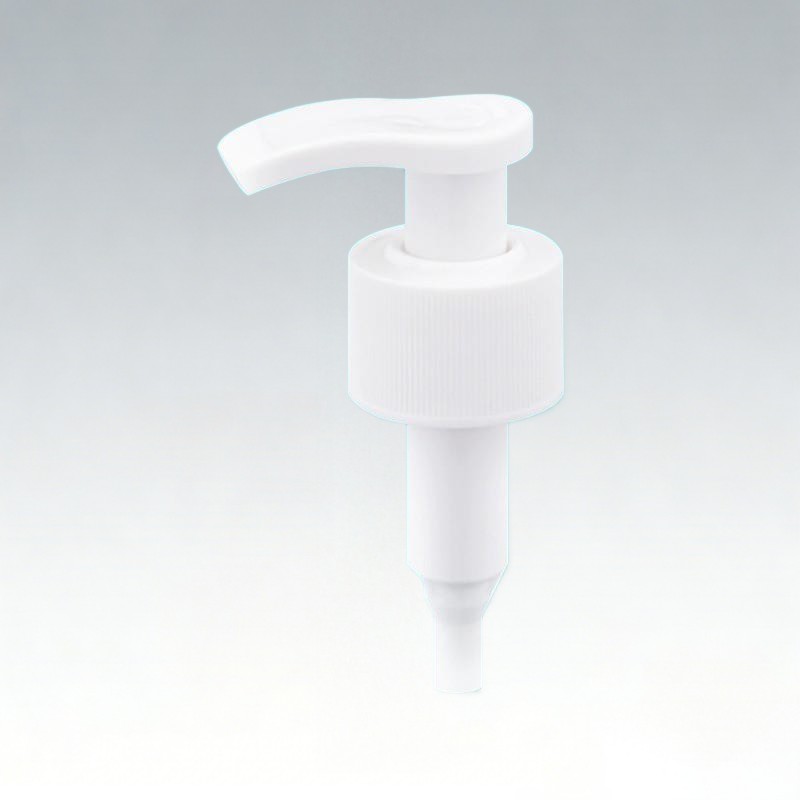
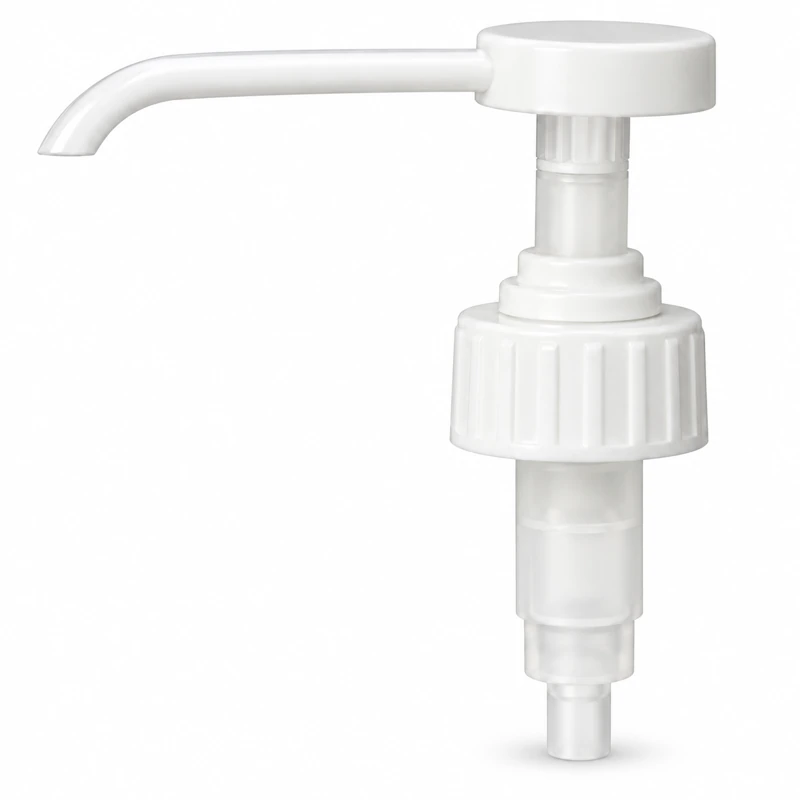
Should we select the longest lotion spout to keep product off the bottle shoulder?
Compare reach, discharge location and bottle stability together. Evaluate the actual formula and normal pressing position before choosing a longer actuator.
Start with the receiving hand
Show the intended bottle height and use position in the brief. A pump on a low bathroom counter presents a different receiving-hand task from a bottle held during application. Observe whether users can place their hand beneath the outlet without touching the bottle.
O.Berk identifies actuator design as a source of ergonomic differences. Spout length is one visible part of that design, but it cannot establish the complete use experience on its own.
Compare the complete action
Keep the bottle and formula consistent while evaluating candidate actuators. If output differs, record it rather than attributing every preference to reach.
- Locate where the portion lands during a full stroke.
- Observe whether users press near the intended finger pad.
- Check movement or tipping on the intended surface.
- Inspect bottle shoulder and spout residue after repeated use.
- Fit the final cap and carton to review clearance.
Account for transport and presentation
A longer spout may change the protected envelope and how the pack sits in a carton. Ask the supplier which actuator variants share the selected engine and which require other protective parts. Include packing cost and handling in the comparison.
Do not use a longer spout as an unexamined remedy for stringing or dripping. Those behaviours may need formula and cutoff review. Request separate evidence that the selected configuration dispenses cleanly with the actual bulk.
Check the result near empty, when users may hold or tilt the bottle differently. If the instructions specify upright dispensing, make that use requirement explicit. Do not imply all-angle function simply because a long spout makes hand access easier.
Record the chosen actuator reference and assembled dimensions. Later substitutions should preserve the accepted reach, pressing target and cap compatibility or receive review. A successful choice keeps product accessible without making the assembly awkward to press, pack or carry.
Sources & further reading
Use the references below alongside the selected component drawing and agreed sample plan. Product-specific claims need product-specific evidence.
PRODUCT REFERENCES
Components to discuss with your supplier.
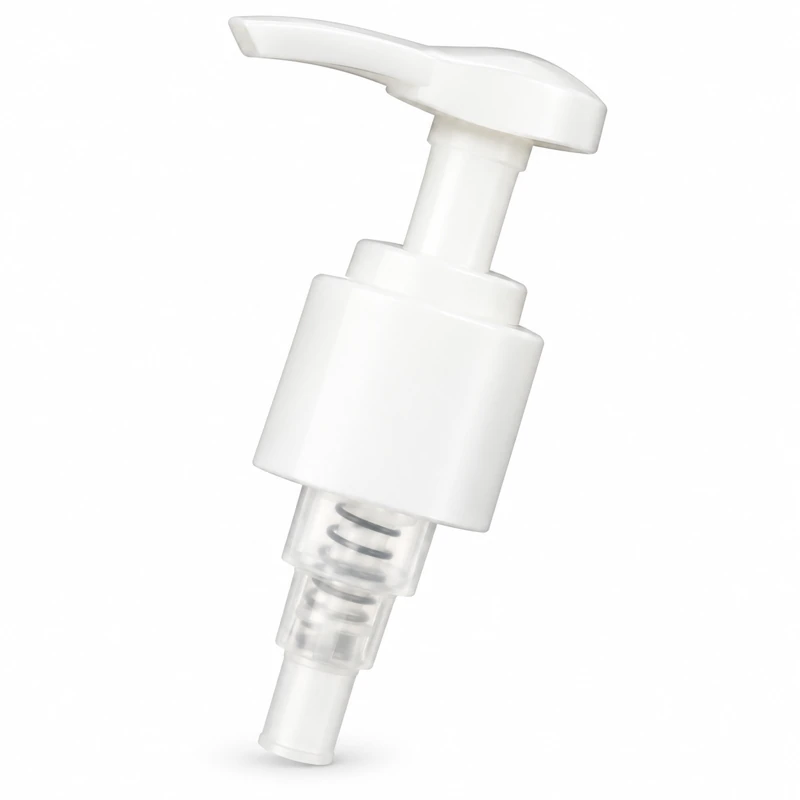
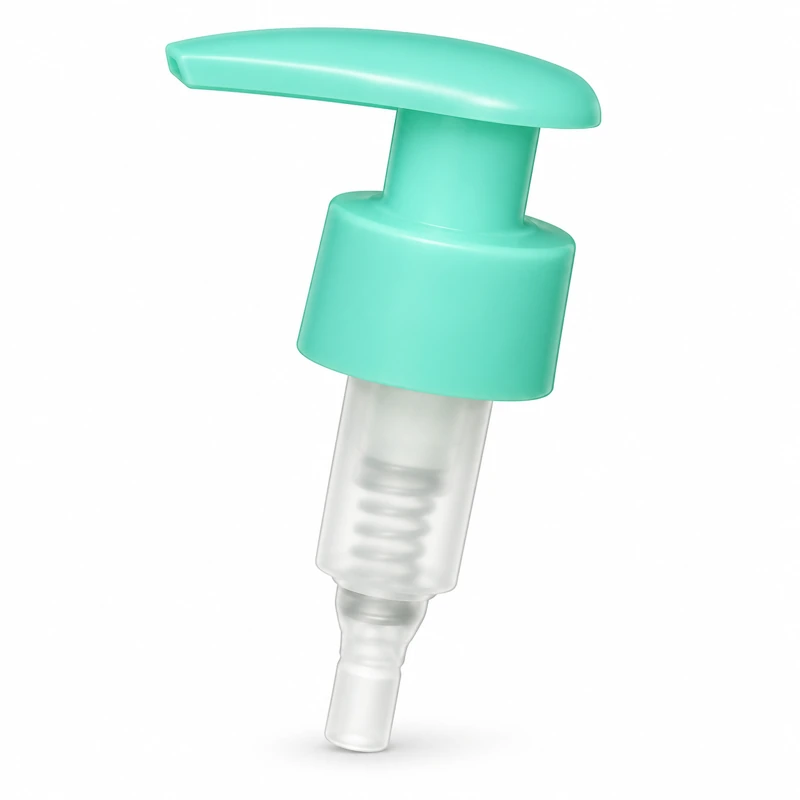
These references share the component type discussed here. Confirm the selected assembly and application with samples.
Related articles
VIEW THE COMPONENTS