THE DECISION IN BRIEF
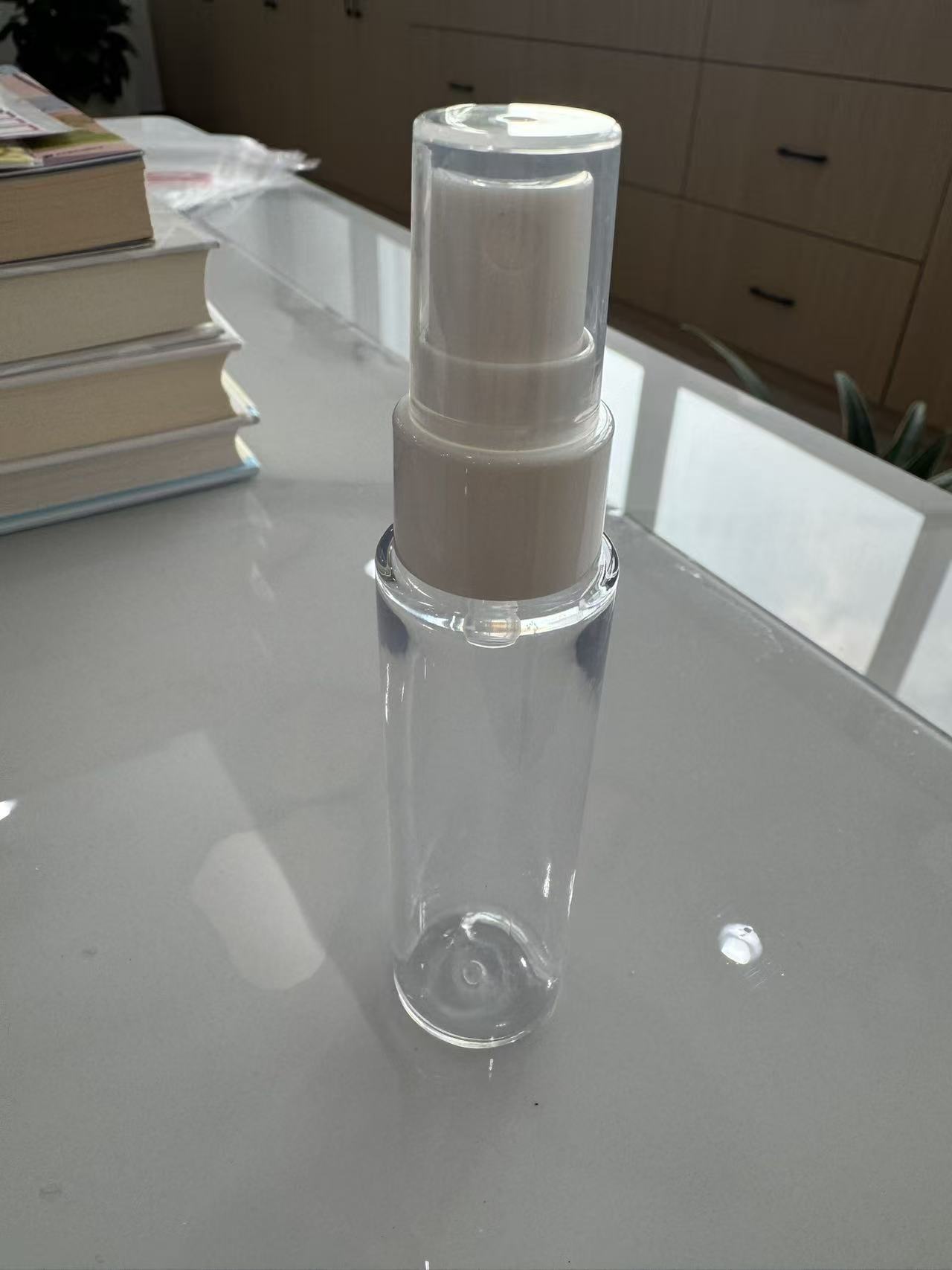
There is a visible gap between our dip tube and bottle base; must the tube touch the bottom?
Compare the assembled geometry and end-of-use behavior before changing length. Request a defined alternative only if the observed arrangement fails the product's recovery requirement.
Measure the package you will assemble
Confirm that the sample uses the intended bottle and closure configuration. Record the tube's measurement reference and final position after assembly. The apparent gap through a shaped bottle wall can be misleading, so use the bottle drawing and a consistent observation method.
Do not treat contact with the base as the sole acceptance criterion. The question is whether the intended application and recovery can be supported without creating another assembly or pickup problem.
Compare practical end-of-use performance
Evaluate matched assemblies with the actual oil formula. Record when normal delivery changes as the package is used and what remains. Keep ordinary operation separate from optional tilting or other recovery actions.
If the current arrangement meets the agreed requirement, extending the tube may add no useful benefit. If it does not, ask the supplier for an identified alternative and compare both on the same bottle. Record any effect on tube routing and assembly rather than judging only the remaining gap.
- Confirm bottle and closure references.
- Record the assembled inlet position.
- Compare remaining product using an agreed method.
- Preserve the current tube as a baseline.
Specify the selected alternative clearly
McKernan's anatomy guidance links tube length with container matching. Present the observed gap and end-of-use record together, then ask whether another defined length should be sampled. The relevant decision concerns useful pickup and assembly rather than base contact alone.
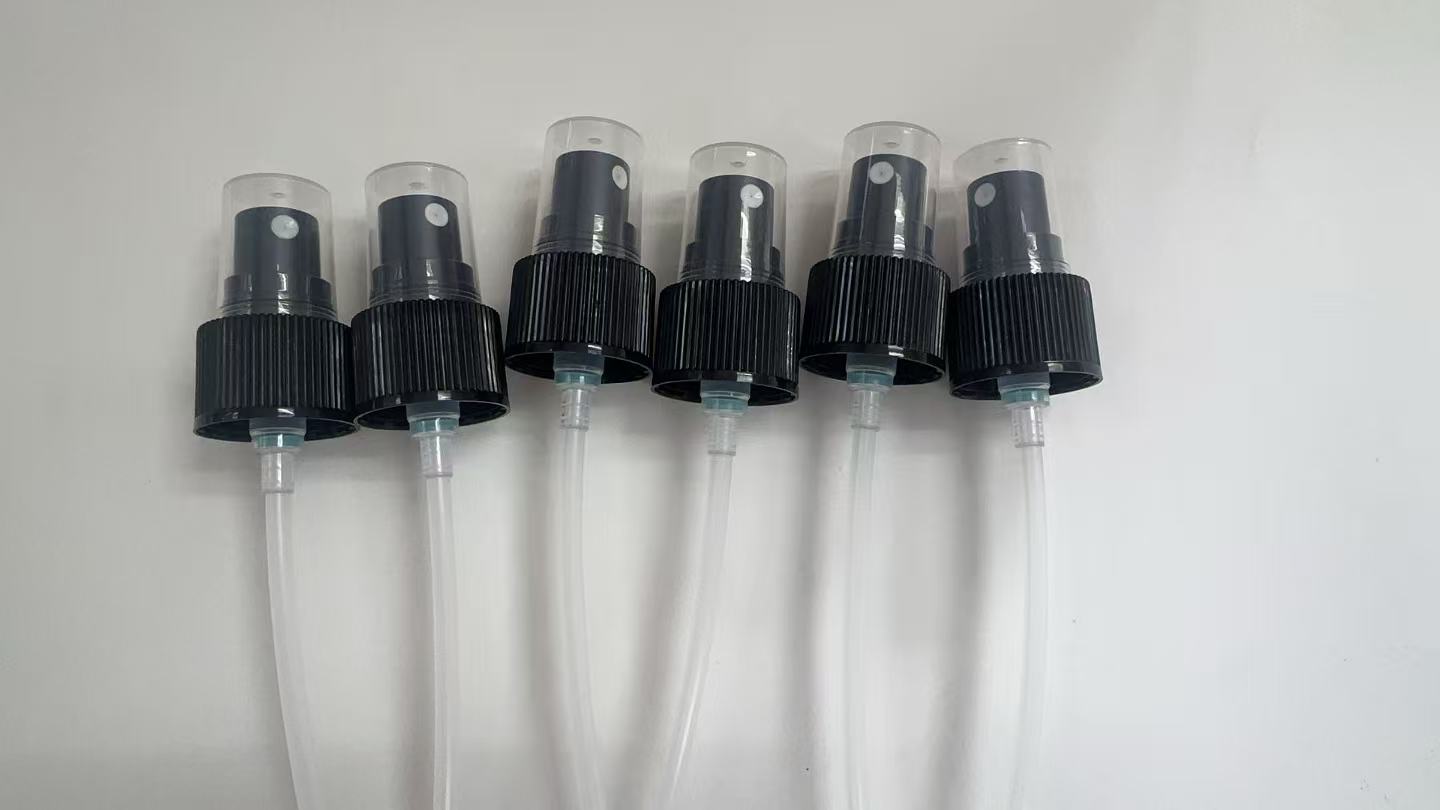
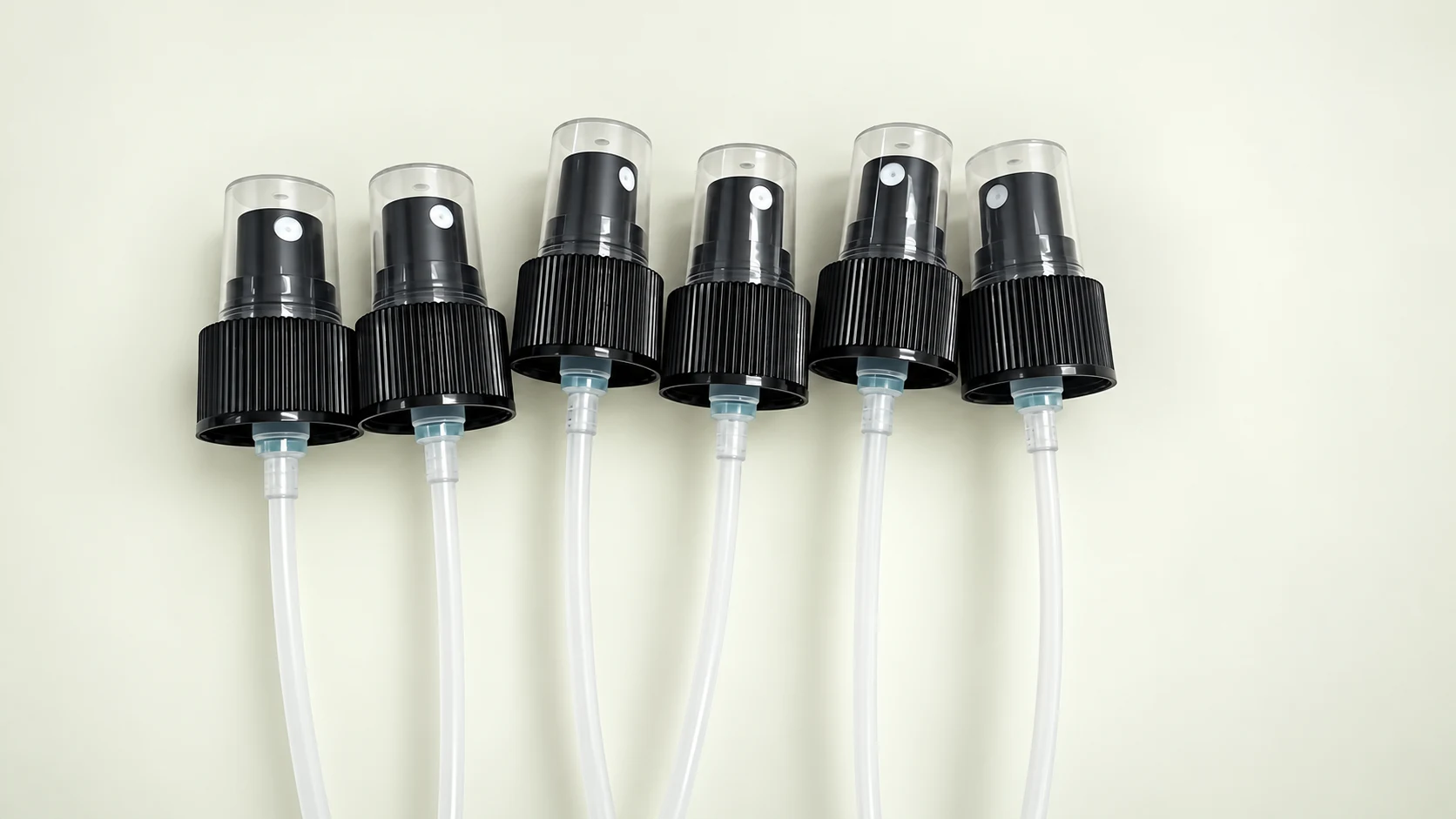
For STDPAK SP-LP-200, PP is the confirmed tube material. The correct length and interface require confirmation for the actual bottle. If an alternative is selected, specify the measurement convention and sample reference in purchasing. Do not let the line switch between two lengths merely because both can be installed. The decision should reproduce the evaluated assembly and its useful recovery behavior.
If one bottle shows a different gap from its peers, check the actual bottle and tube identities before changing the nominal length. A single assembled photograph may represent a supply or assembly discrepancy. Compare matching samples so a corrective length is chosen for the intended geometry rather than an unexplained outlier.
Sources & further reading
Use the references below alongside the selected component drawing and agreed sample plan. Product-specific claims need product-specific evidence.
PRODUCT REFERENCES
Components to discuss with your supplier.
These references share the component type discussed here. Confirm the selected assembly and application with samples.
Related articles
VIEW THE COMPONENTS