THE DECISION IN BRIEF
Can we set the dip tube length equal to our bottle height?
No. Establish the supplier's tube measurement datum, review internal bottle geometry, and approve the cut length in an assembled filled bottle through priming and near-empty use.
External height is the wrong starting dimension
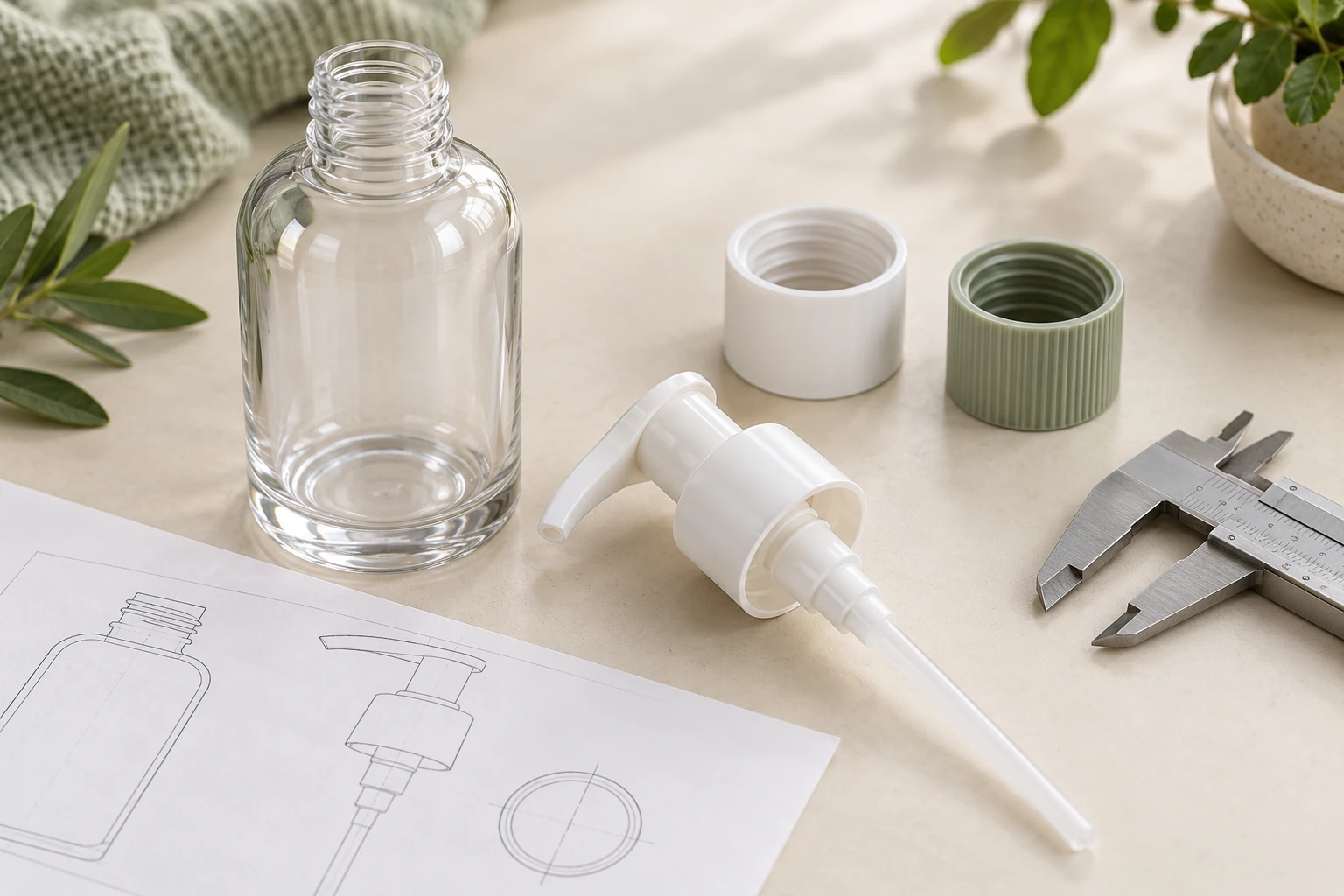
A bottle's overall height includes features that do not define the tube's working reach. The pump sits at a sealing interface, its housing extends below that interface, and the bottle base has an internal shape. Glass base thickness and a raised internal base can make two externally similar bottles behave differently.
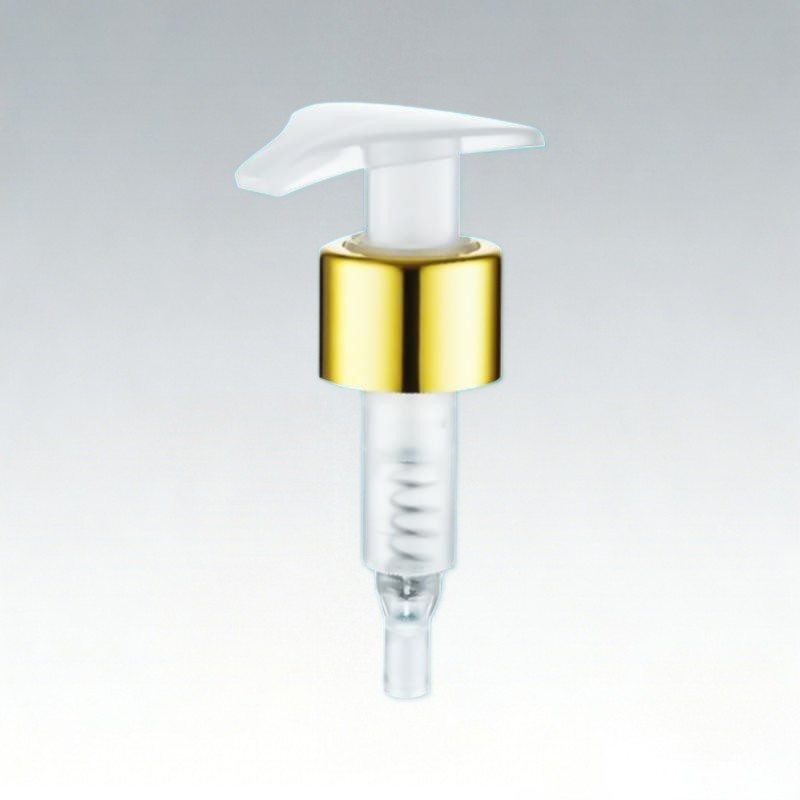
O.Berk explains that dip tube length varies with the paired bottle and that a correctly cut tube helps product use. Treat the tube as a specified part of the pump assembly, not as excess plastic that the filler can trim by eye. Ask where the supplier measures from and show that datum on the approved drawing.
What happens at the bottom
A tube that stops too high may leave product beyond its reach as the bottle empties. One that is too long may bend into an unintended position or place the inlet against a surface. The actual outcome depends on tube flexibility, cut shape, internal bottle geometry and product flow, so a universal clearance rule would be misleading.
Ask the supplier to propose the cut geometry and reach for your bottle. Review the inlet location in a transparent sample or another suitable inspection arrangement. For an opaque bottle, use an agreed dimensional or sectioned-sample check rather than assuming the tip reaches the lowest usable region.
A sloped base or pronounced push-up deserves specific attention. The visually lowest point outside the bottle may not be the lowest point available to the formula inside. Likewise, a tube cut successfully for one bottle capacity should not automatically be reused on a taller or shorter member of the range.
| Symptom | Possible tube-related cause | Useful next check |
|---|---|---|
| Good initial operation, early loss of product pickup | Tip stops above remaining formula | Inspect reach at low fill |
| Difficult insertion during capping | Tube too long or poorly guided | Observe assembly and final tube position |
| Intermittent delivery | Tube connection or inlet position | Inspect connection and repeat at different fill levels |
| Poor first product delivery | Flow-path issue among other causes | Check tube attachment before changing engine |
| High residual product | Bottle geometry, tube reach or formula flow | Measure remaining mass after agreed use sequence |
Approve a sequence, not a single successful stroke
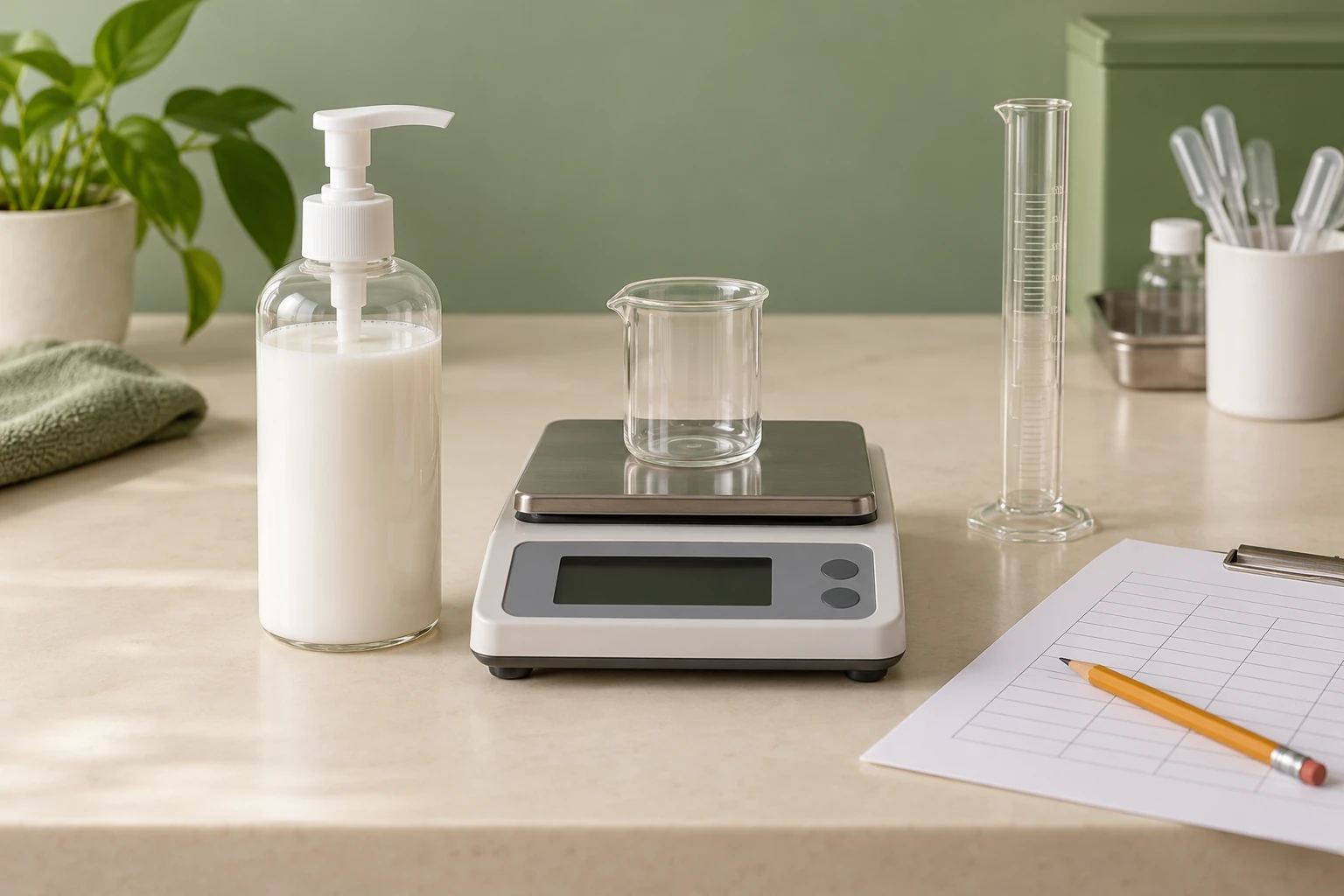
Start with a dry pump to record first-use priming. O.Berk's pump explanation distinguishes the initial filling of the flow path from later dispensing. Use the intended lotion because a thin test liquid may enter and refill the pump differently. Record pressing pace and allow complete return rather than squeezing repeatedly without a defined method.
Continue through the usable fill range. Observe whether pickup changes when the bottle is nearly empty and whether ordinary consumer handling brings product to the inlet. If the label requires upright dispensing, evaluate that use explicitly. Do not imply inverted or all-angle operation unless the selected system is designed and approved for it.
Measure residual product against the team's agreed method. A simple proposed method is to record starting filled mass, dispensed mass and the remaining product when normal dispensing stops. Specify whether tapping, tilting or unscrewing is allowed, because these actions change what “empty” means to reviewers.
Control trimming and repeat orders
Document the measurement datum, nominal cut length, cut shape, tube material reference and agreed dimensional acceptance. Allocate trimming responsibility to either the component supplier or filler and include that operation in the quotation. Multiple parties making informal adjustments can leave no traceable production specification.
For an STDPAK enquiry, send the bottle drawing and actual bottles with the formula details. Request approval samples with production-intent tubes and preserve a reference assembly. Reopen the tube review whenever the bottle base, pump housing or assembly changes; a familiar neck finish does not preserve the geometry below it.
Sources & further reading
Use the references below alongside the selected component drawing and agreed sample plan. Product-specific claims need product-specific evidence.
PRODUCT REFERENCES
Components to discuss with your supplier.
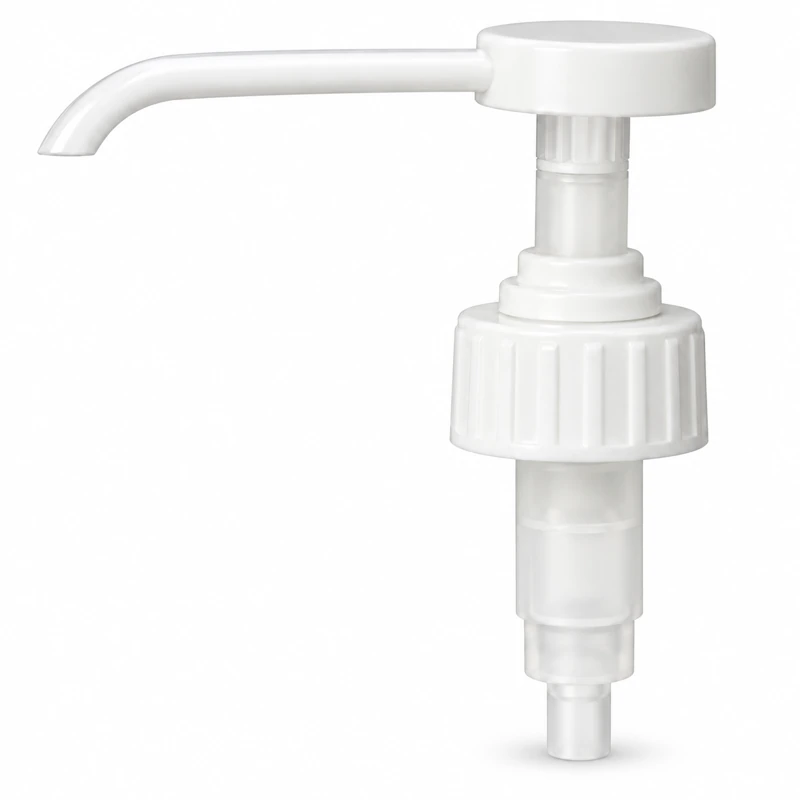
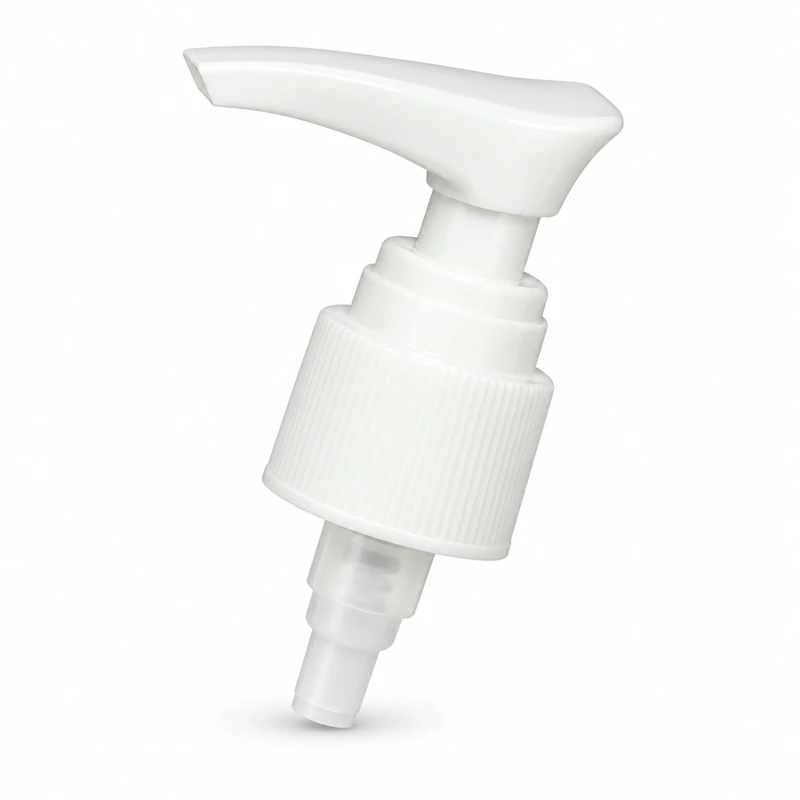
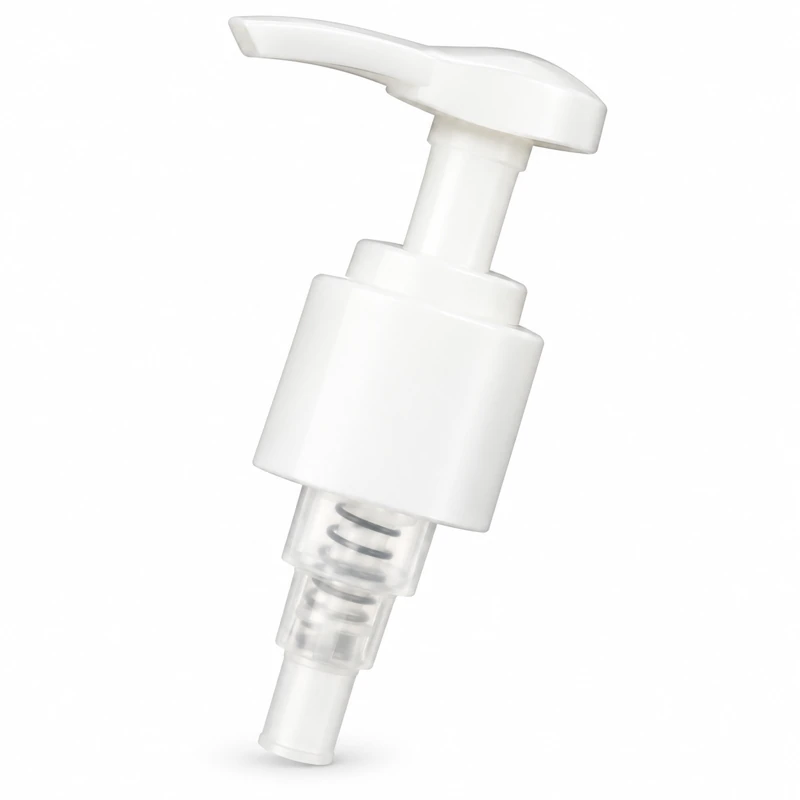
These references share the component type discussed here. Confirm the selected assembly and application with samples.
Related articles
VIEW THE COMPONENTS