THE DECISION IN BRIEF
Dip tubes are found loose inside filled bottles. What should purchasing ask the supplier and filler to investigate?
Retain affected assemblies and compare connection integrity, tube insertion and handling. Agree the supplier's attachment specification and a production-intent line trial before accepting a revised tube.
Trace when separation occurs
Inspect incoming pumps before filling and compare them with rejects from the line. Record whether loose tubes appear in sealed cartons, during insertion or only after filled-pack handling. Preserve samples with their component and line references. The stage at which the fault appears narrows the investigation.
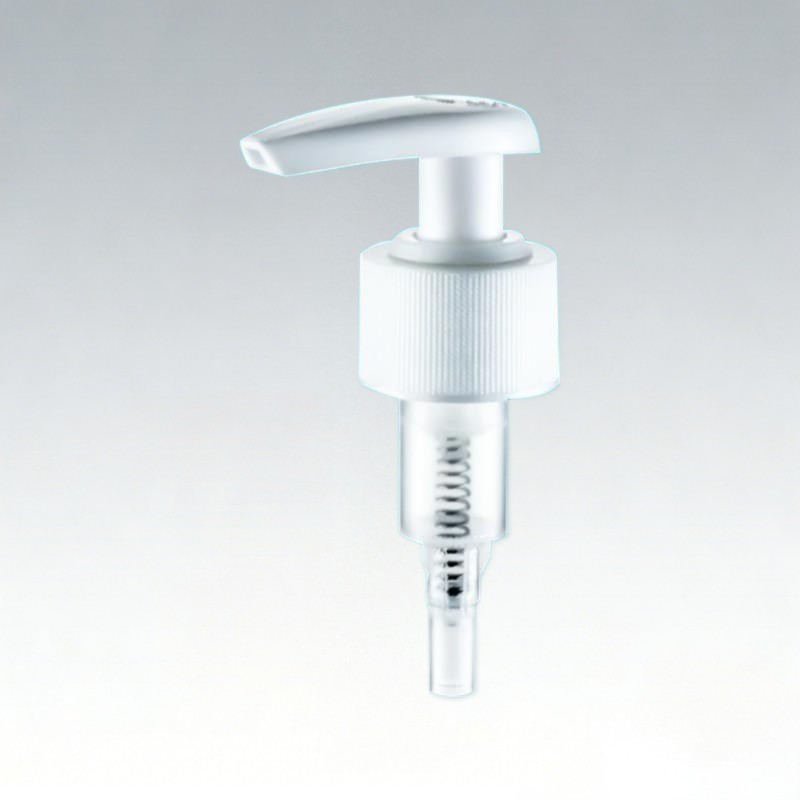
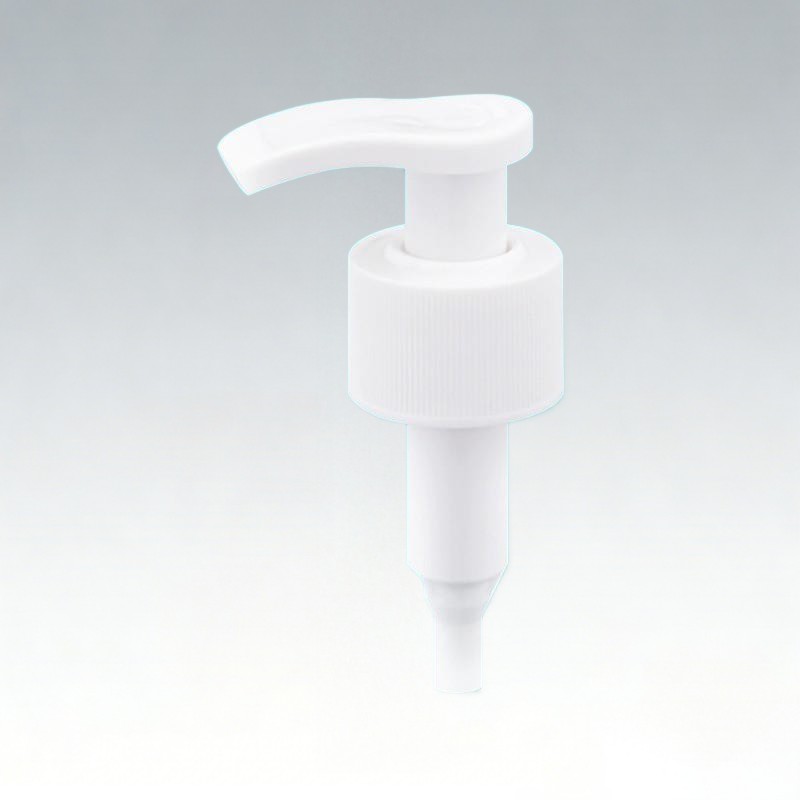
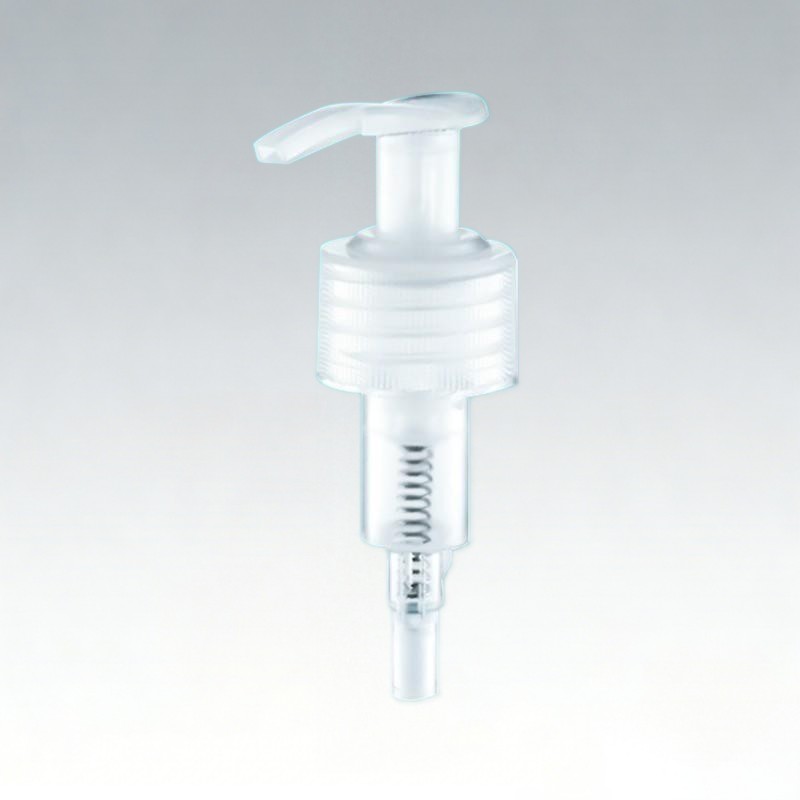
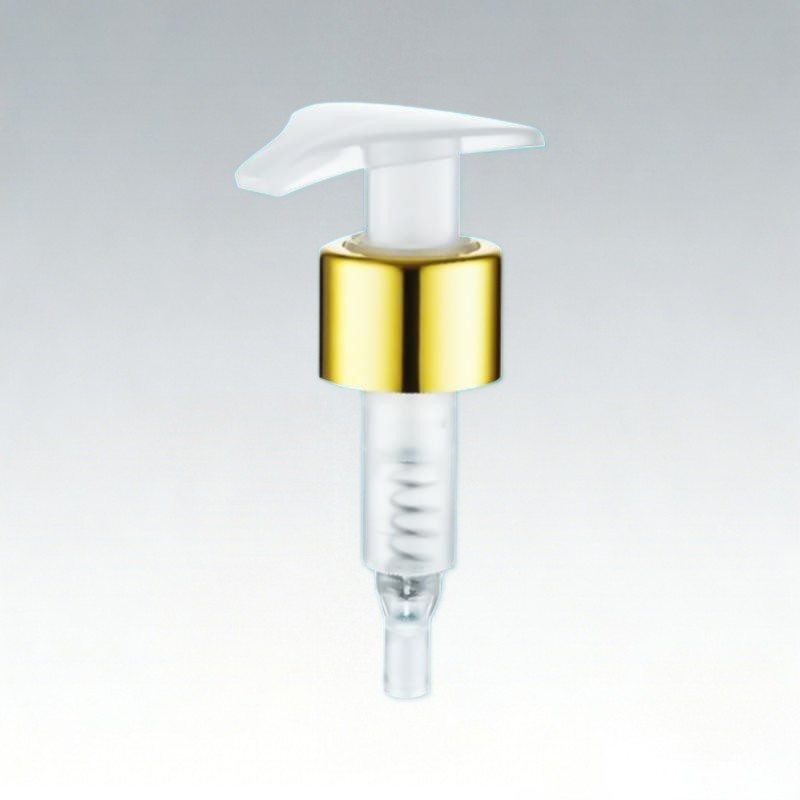
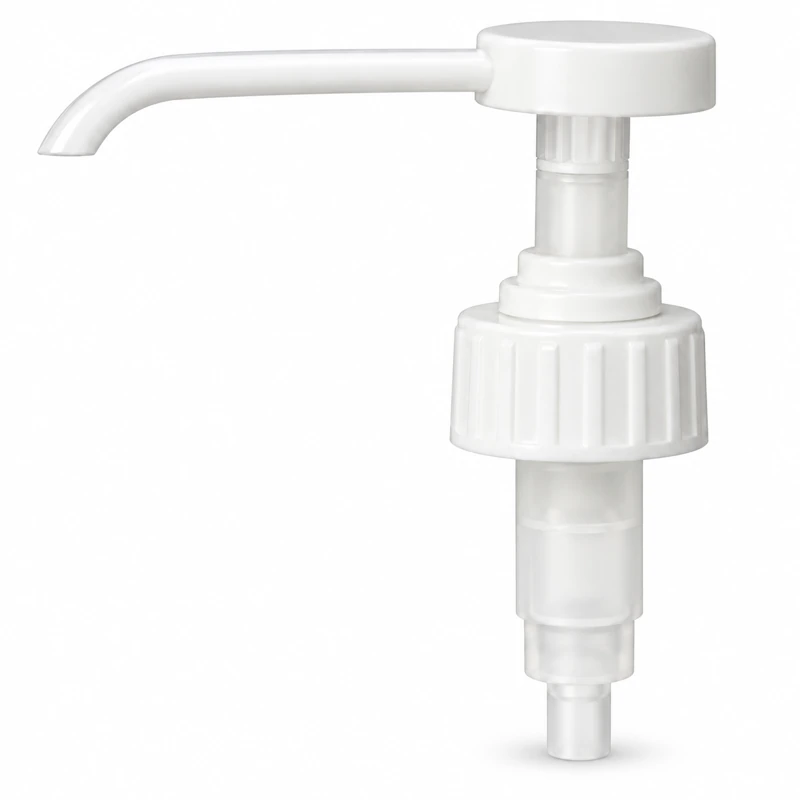
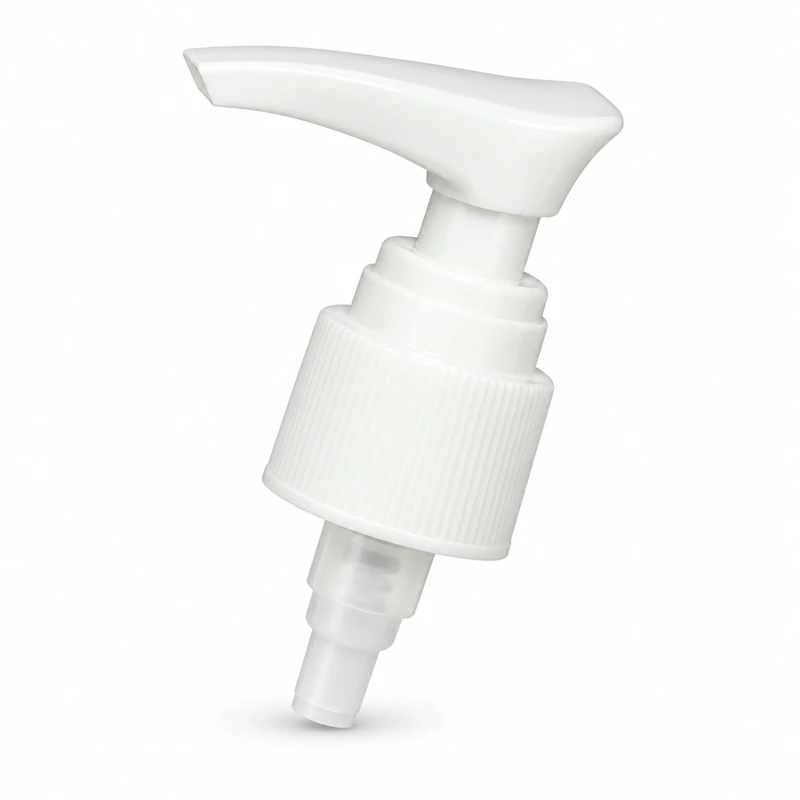
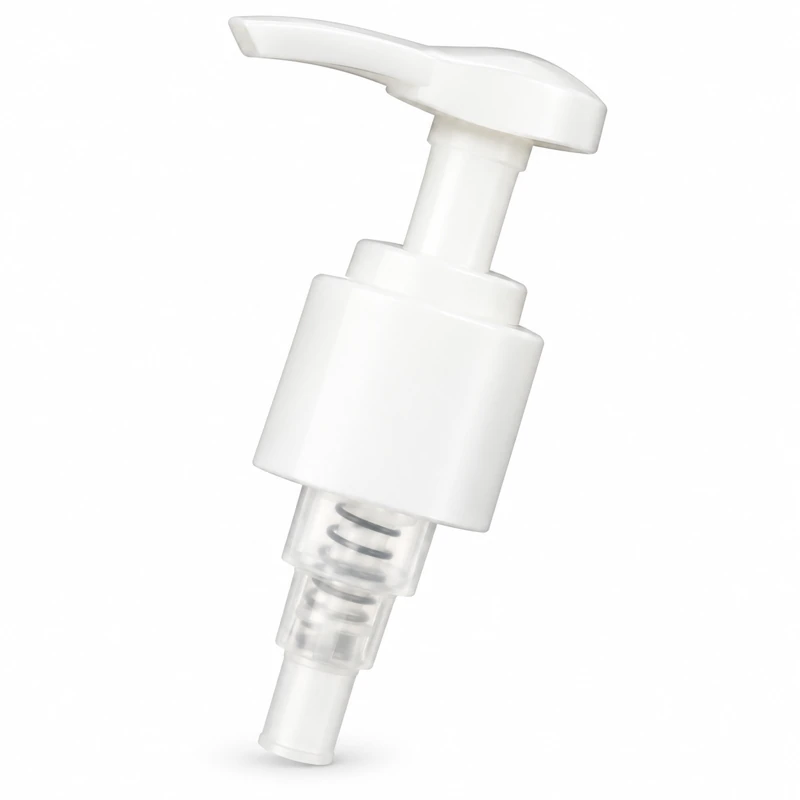
O.Berk identifies the dip tube as a separate reach component below the housing. A correct overall reach does not, by itself, establish a secure connection to the pump.
Separate connection from insertion
Review the intended connection design with the supplier. Do not improvise an attachment force limit or add adhesive without technical approval.
| Evidence | Investigation focus |
|---|---|
| Loose tubes before filling | Supplier assembly and incoming handling |
| Separation at bottle entry | Insertion alignment, tube contact and line guidance |
| Only one component lot affected | Tube and pump reference consistency |
| Separation after distribution | Filled-pack handling and connection retention |
Approve a complete corrective action
Ask the supplier whether connection dimensions, material or assembly method changed. Ask the filler whether tube guidance, bottle presentation or machine setup changed. A longer or stiffer tube may alter insertion behaviour, so replacing it is not a neutral adjustment.
Run the proposed configuration on the intended process and inspect both successful assemblies and rejects. Check that the remedy does not create bent tubes, poor pickup or damage to the pump housing. Keep the same formula when comparing dispensing results.
Specify the approved tube and attachment reference in the purchase record, including who performs the connection. Where the filler connects tubes separately, align incoming inspection and work instructions with that responsibility.
Close the issue with evidence from representative production-intent material, rather than one tube pushed firmly onto a hand sample. A durable purchasing solution identifies the interface, controls the assembly step and defines how future lots will be checked without requiring operators to guess.
Sources & further reading
Use the references below alongside the selected component drawing and agreed sample plan. Product-specific claims need product-specific evidence.
PRODUCT REFERENCES
Components to discuss with your supplier.
These references share the component type discussed here. Confirm the selected assembly and application with samples.
Related articles
VIEW THE COMPONENTS