THE DECISION IN BRIEF
What should we send a supplier when our formula contains oil but the final sprayer specification is undecided?
Send the actual formula identity, its intended use, bottle drawing and observed flow behavior together. Ask the supplier to propose a defined configuration for trials, with unresolved specifications marked explicitly.
Begin with the product people will dispense
An oil sprayer brief should describe a real formulation rather than an ingredient category. A hair oil, diluted fragrance blend and equipment lubricant may all contain oil, yet a sample suitable for one cannot establish suitability for the others. Give the formula a revision code and identify whether the supplied sample represents production material or an early development blend.
Provide the ingredient information needed for a technical review through an agreed confidential channel. Include relevant safety information, fragrance or solvent additions, suspended ingredients and any planned reformulation. A product name or marketing description does not tell a supplier which internal components will contact the liquid. If detailed composition is unavailable, say so and explain how a sample and technical discussion can close that gap.
Describe behavior under intended conditions
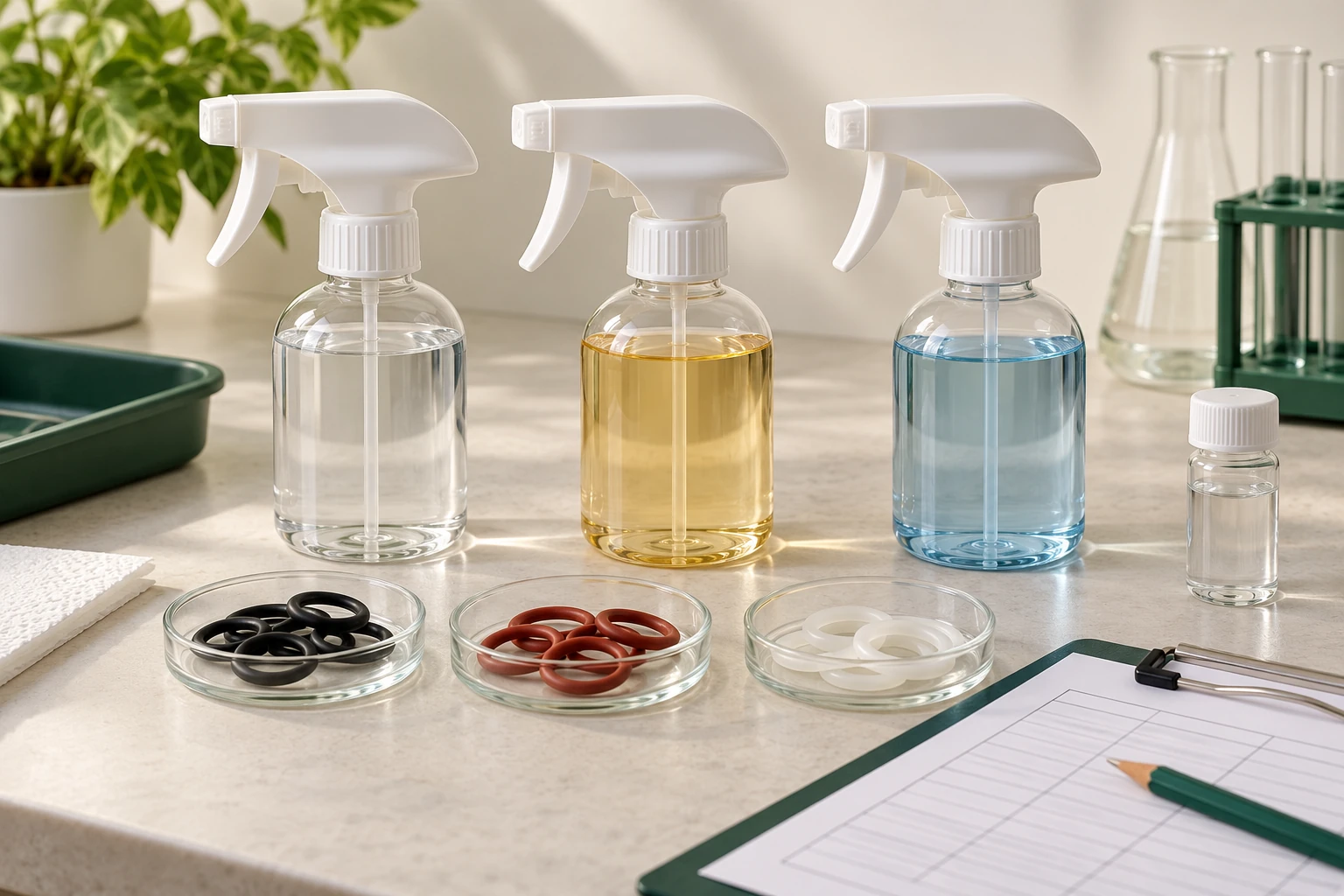
Record available viscosity information with its measurement conditions instead of sending a number without context. Explain the expected storage and use environments, how the product behaves after standing, and whether users shake the bottle. Flag sediment, visible separation or changes observed when the product is cooler. These observations help shape a trial; they do not independently prove which pump will work.
Aptar distinguishes oil-based and more viscous oil-based variants within its PZ1 family. That is a useful industry example of why formula type and dispensing configuration belong in the same conversation. It is not evidence that an unrelated sprayer shares those capabilities or that every oil requires the same mechanism.
Use a brief that separates facts from requests
The procurement brief should make missing information easy to spot. A blank field often becomes an assumption in a quotation, so use 'to be confirmed' and assign responsibility for resolving it.
| Brief field | Information to supply | Decision it supports |
|---|---|---|
| Formula | Revision, sample, relevant ingredients | Candidate material review |
| Use | Target surface, direction, user action | Pattern and handling trial |
| Bottle | Drawing, neck specification, sample | Closure and tube matching |
| Performance | Desired coverage and observed issues | Sample comparison |
| Distribution | Filled-pack route and handling | Package evaluation plan |
Keep the STDPAK request precise
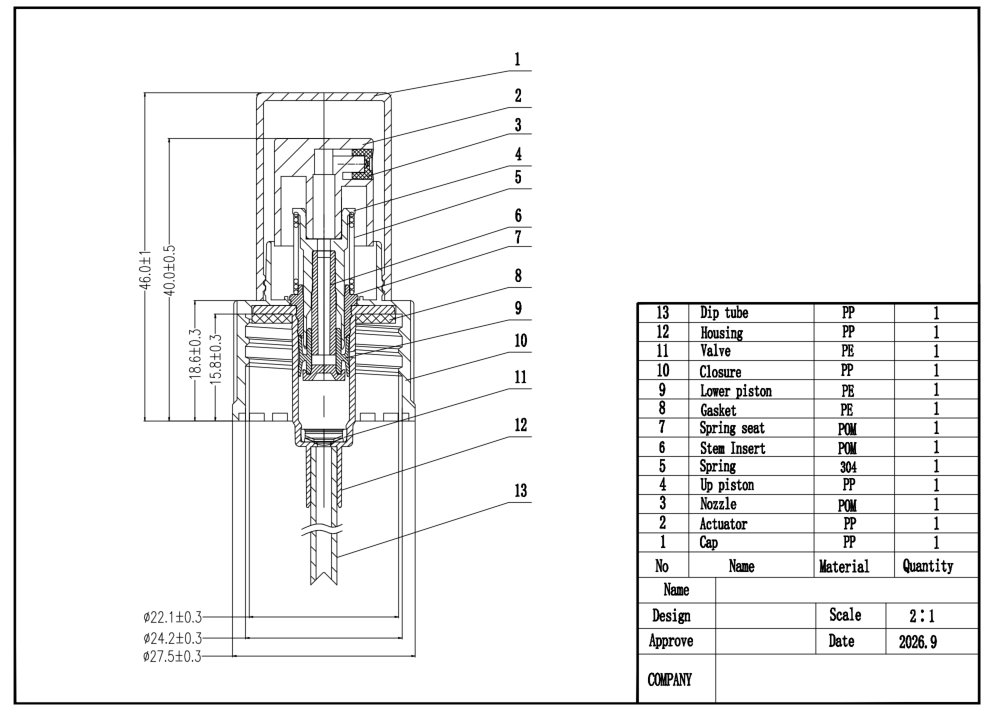
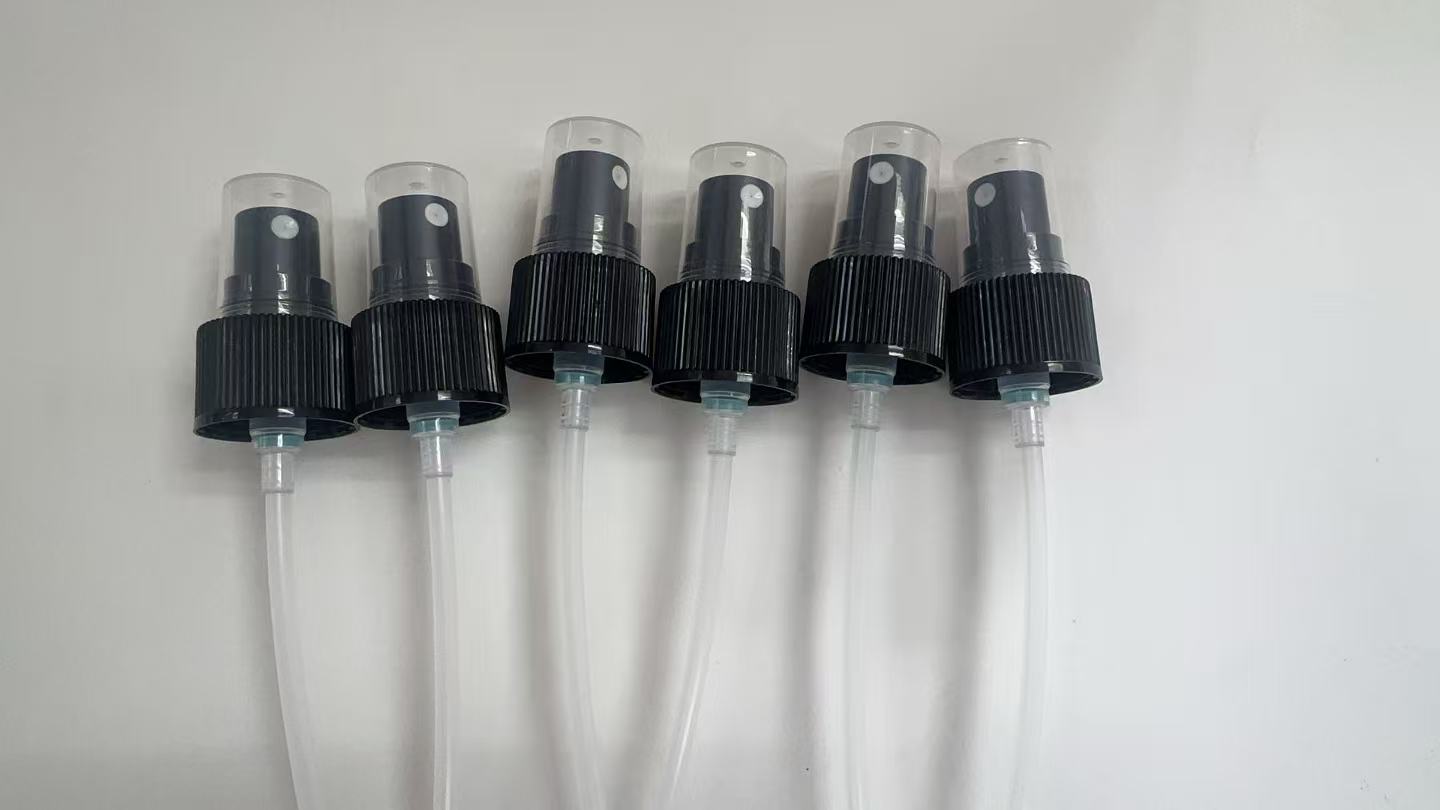
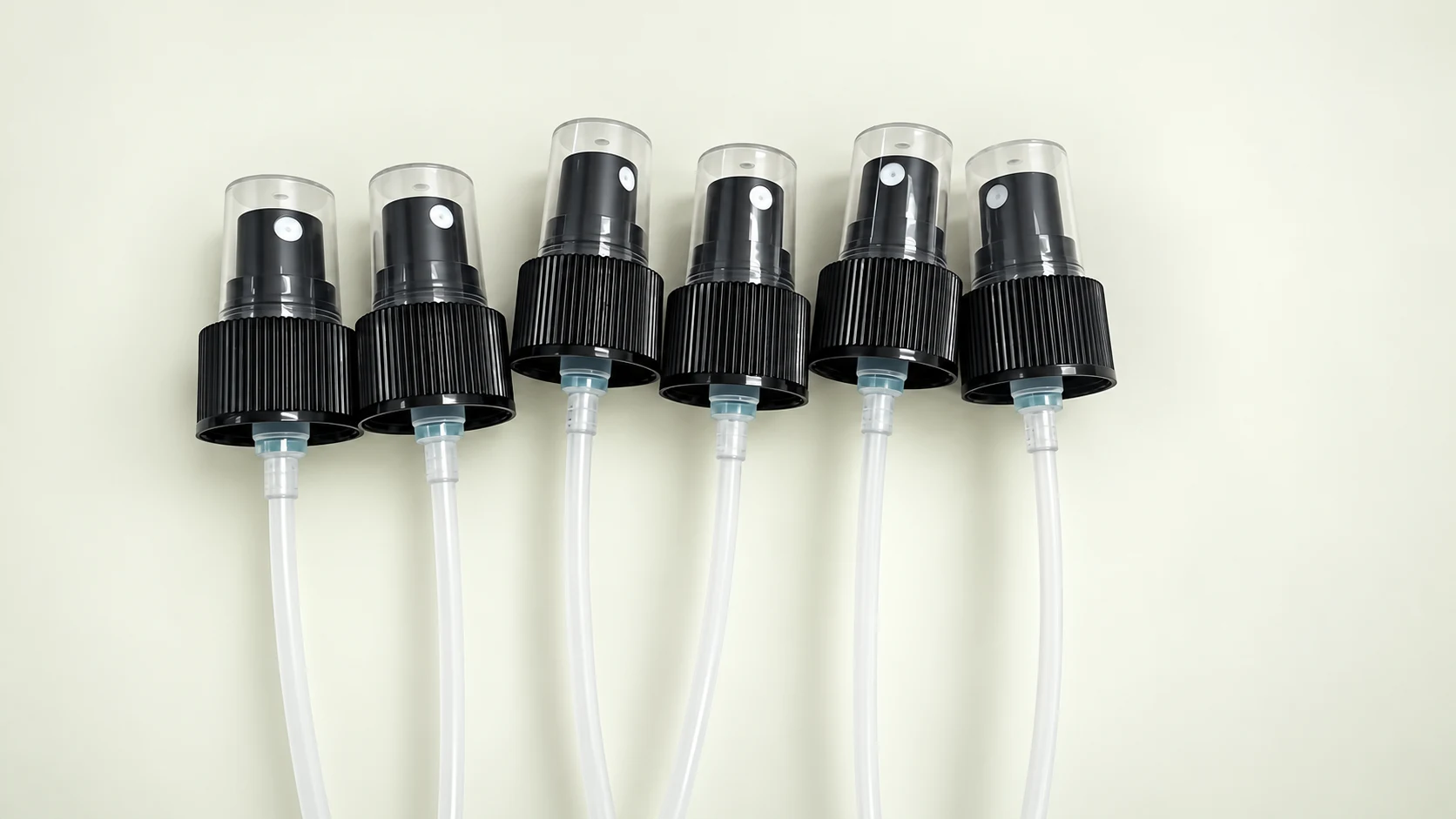
For STDPAK SP-LP-200, the confirmed construction includes PP, PE and POM components, a 304 stainless steel spring and a PP tube. Its double-layer seal is a confirmed design feature. Oil resistance remains formula-dependent. Do not turn that materials list into an assumed seal grade, a food-contact declaration or a universal compatibility statement.
The bottle thread and output require confirmation for the proposed configuration. Diameters shown on a body drawing are not bottle neck sizes. Send the actual bottle specification before choosing a closure, then request assembled samples with an identified tube length and intended seal arrangement.
Close the brief with a request for a written sample proposal: configuration reference, open questions, quantities and the agreed evaluation sequence. Reserve time for technical approval before treating a production estimate as a launch commitment.
Name the people responsible for formula decisions and bottle selection in the brief. If purchasing receives a question about solvent content or a sealing surface, it should reach the right technical owner quickly. This prevents a commercial contact from resolving a missing engineering detail through assumption.
Sources & further reading
Use the references below alongside the selected component drawing and agreed sample plan. Product-specific claims need product-specific evidence.
PRODUCT REFERENCES
Components to discuss with your supplier.
These references share the component type discussed here. Confirm the selected assembly and application with samples.
Related articles
VIEW THE COMPONENTS