THE DECISION IN BRIEF
Freshly filled packs spit and deliver irregular portions, but some improve after standing. Should the pump order be rejected?
Preserve the fill history and compare equivalent assemblies before and after an agreed hold. Investigate bulk handling and pump pickup together before assigning the cause.
Record what entered the bottle
Ask the filler how the bulk was transferred, filled and held before closure application. Note visible air, any settling period and whether the trial used the intended process. A freshly mixed development batch may not represent ordinary production bulk.
O.Berk describes priming as filling the pump pathway. Irregular first delivery therefore needs to be distinguished from performance after the assembly has reached stable operation. Do not merge both observations into one output average.
Follow the symptom over time
Use clearly identified samples and an agreed comparison. Improvement after standing is an observation to investigate, not proof that every complaint comes from entrained air.
| Result | Next question |
|---|---|
| Only fresh fills spit | Does bulk or filling history differ after holding? |
| All samples remain irregular | Are tube pickup and selected engine suitable? |
| Visible air varies between bottles | Is the filling process consistent? |
| Stable output follows several strokes | How does first-use experience compare with the product requirement? |
Compare without hiding the customer experience
Test the proposed production pack using a controlled stroke method, then assess normal use. Record when stable delivery begins and whether it persists after pauses. If the approved shipping process includes a hold, document it rather than quietly relying on extra warehouse time.
Have formulation and filling teams examine the bulk before deciding to change the pump. If they recommend a process adjustment, reproduce it with the same component configuration and retain the before-and-after records.
A pump change may still be appropriate where the selected engine does not handle the intended bulk acceptably. Request identified alternatives and compare them against the same fill history. Changing the filling method and engine simultaneously can produce a working sample without revealing which change mattered.
Specify the accepted handover condition of the filled pack. Receiving and quality teams should know whether immediate operation is required or whether a defined production hold forms part of the process. No numerical waiting time should be invented without project evidence.
Sources & further reading
Use the references below alongside the selected component drawing and agreed sample plan. Product-specific claims need product-specific evidence.
PRODUCT REFERENCES
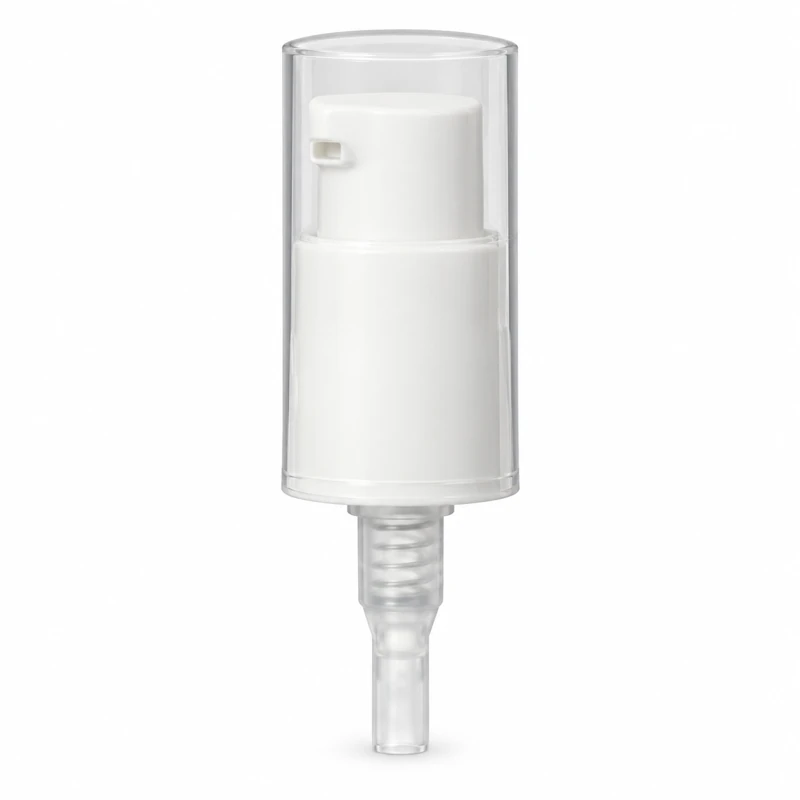
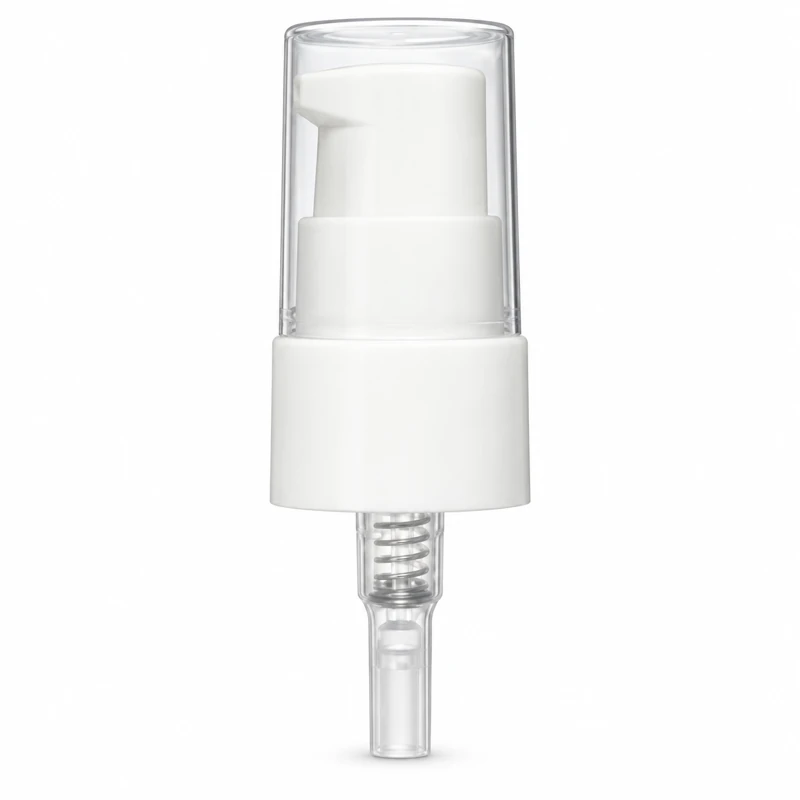
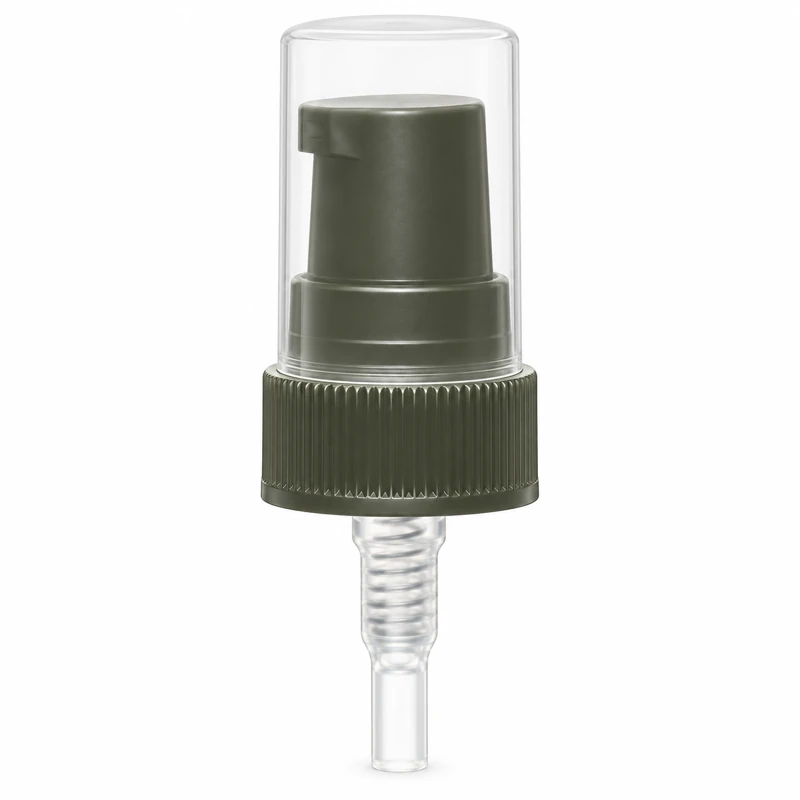
Components to discuss with your supplier.
These references share the component type discussed here. Confirm the selected assembly and application with samples.
Related articles
VIEW THE COMPONENTS