THE DECISION IN BRIEF
A new bottle supplier offers the same nominal neck size; can we keep our oil sprayer approval?
Compare the actual finish drawings and assembled samples, then evaluate the relevant sealing, handling and dispensing behavior before approving the new bottle source.
Compare specifications before samples
Request the finish drawing and bottle reference from both suppliers. A common nominal label is useful for discussion, but it should not replace the actual interface information. Identify any drawing revision and the bottle construction proposed for production.
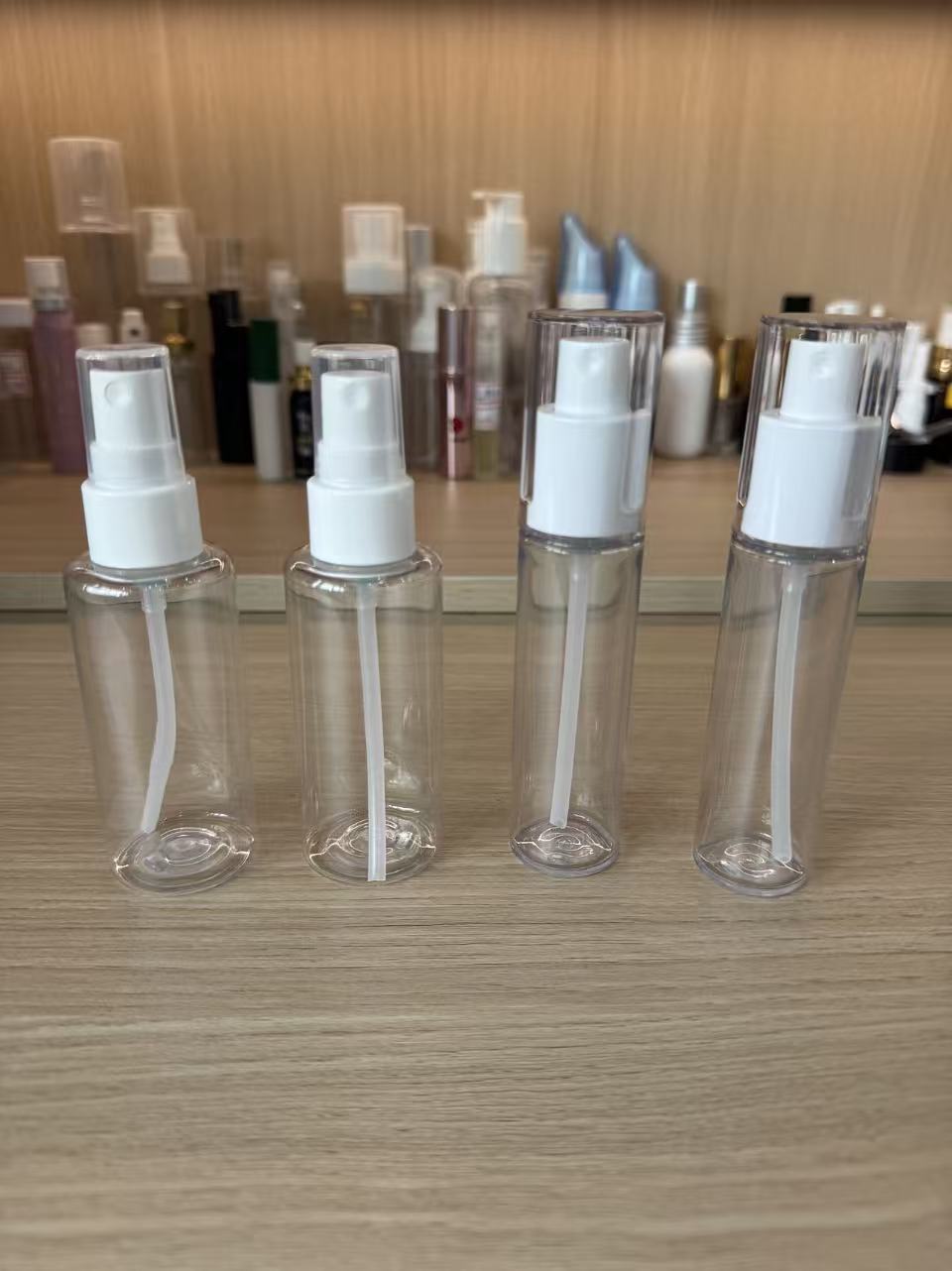
Keep the existing approved bottle as a baseline. Do not mix unlabelled samples from the two suppliers in one trial bag. If the new source changes geometry beyond the finish, record that too because tube placement and user grip may need review.
Evaluate the assembled alternative
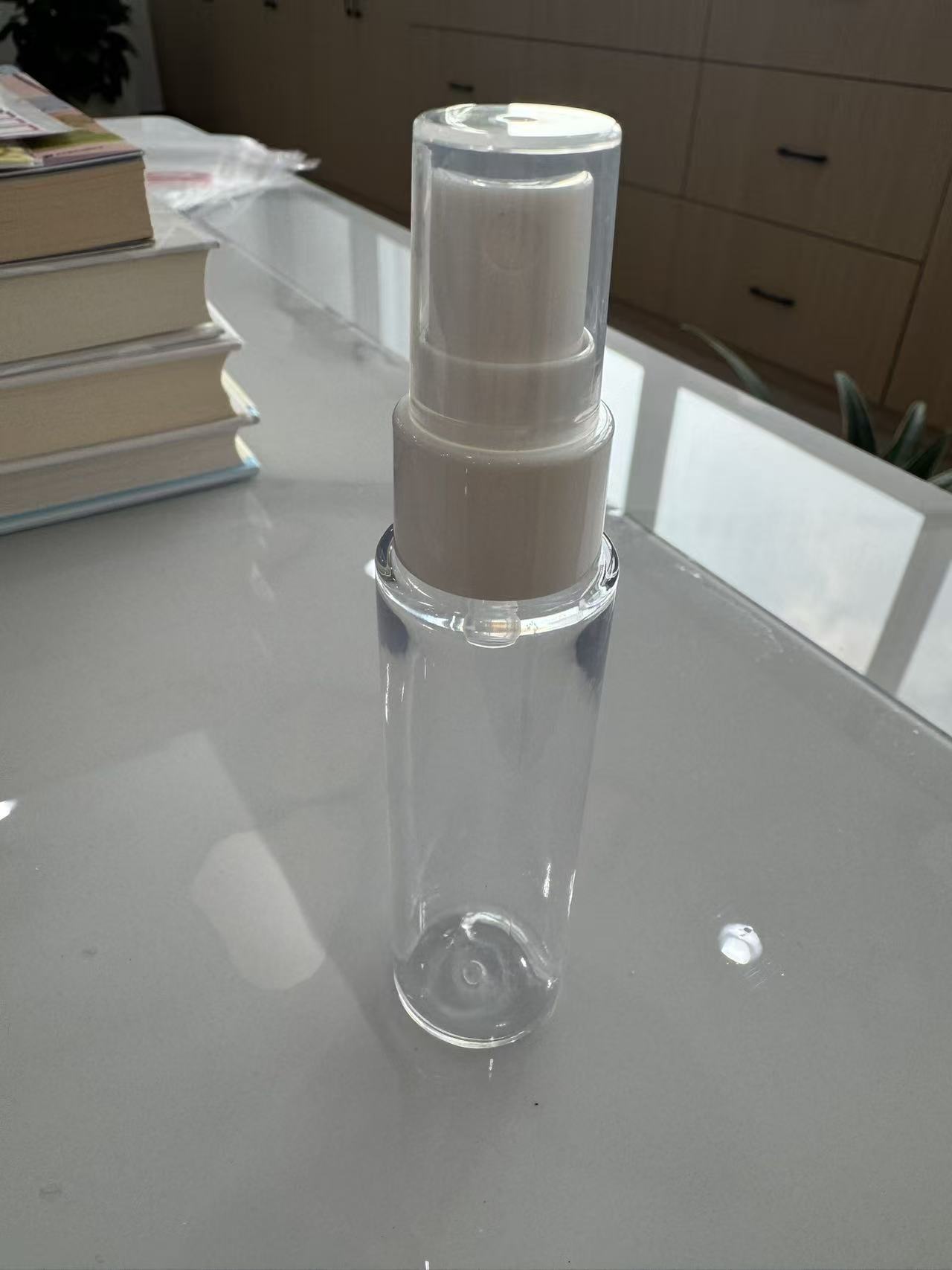
Use the same identified sprayer configuration and formula on both bottles. Compare assembly, resting position, relevant leakage observations and normal dispensing. Include cap fit and the intended storage arrangement.
- Obtain actual finish drawings and revisions.
- Keep bottle source visible on every sample.
- Confirm tube position in the new geometry.
- Compare the established assembly procedure.
Retain the alternate sample
If the new bottle behaves differently, send both references and the structured observations to the suppliers. If it behaves similarly in a limited comparison, do not turn that result into a blanket assertion that every future bottle from the source is covered. Record which construction was evaluated.
Decide what purchasing can substitute
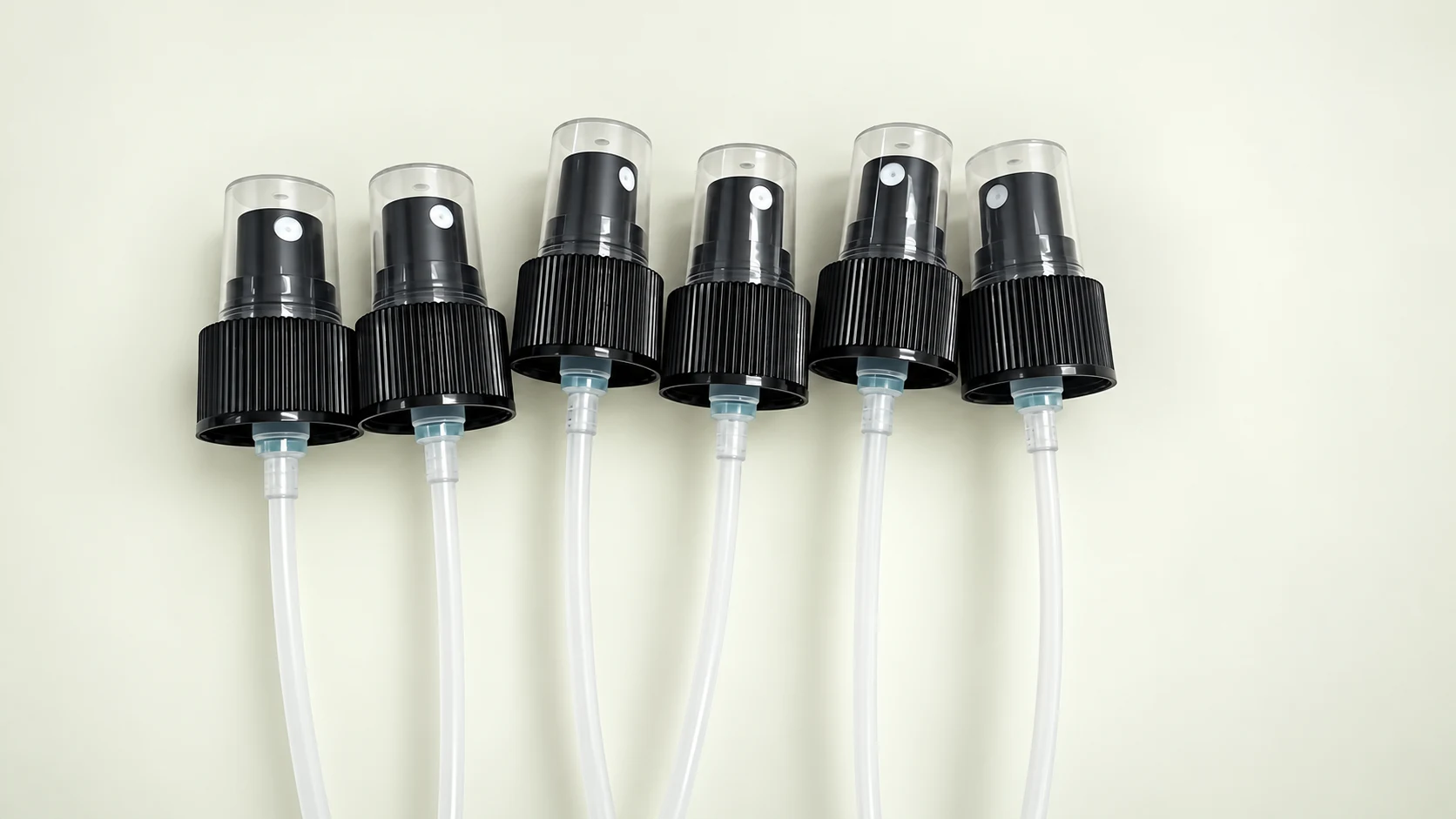
McKernan's guidance requires matching pump and container finishes. Use the actual drawings and sample pairing to review the new source. Keep any tube, cap or assembly differences visible so the source decision covers the complete proposed package.
A dual-source decision should identify the accepted bottle and sprayer references and the evidence supporting each pairing. If a source-specific tube or assembly instruction is necessary, make that distinction visible in ordering and filling. For SP-LP-200, body drawing diameters must not be substituted for the unconfirmed bottle thread. Obtain that actual interface specification before closing the source-change review.
Control receiving references
If the new bottle source is accepted, make its reference visible to the filling team. A mixed lot can defeat an otherwise useful source comparison. Preserve the approved pairings and any source-specific assembly detail so operators do not unknowingly combine a tube arrangement with a bottle that was never evaluated.
Sources & further reading
Use the references below alongside the selected component drawing and agreed sample plan. Product-specific claims need product-specific evidence.
PRODUCT REFERENCES
Components to discuss with your supplier.
These references share the component type discussed here. Confirm the selected assembly and application with samples.
Related articles
VIEW THE COMPONENTS