THE DECISION IN BRIEF
Overcaps shift during shipment even though they fit well at packing. What should change?
Compare retained position before and after a route-appropriate handling evaluation, then assess cap retention, pack contact, and any movement of the underlying closure.
Record the starting condition
Inspect cap seating and retention on the actual filled assembly before transport exposure. Photograph the intended arrangement inside the carton. Identify cap and pump lots, packing count, and any protective parts. A cap that starts incompletely seated requires a different correction from one that moves during handling.
Mark whether the cap lifts, rotates, rubs, or detaches. Check the actuator and underlying closure separately. Movement of an accessory should not automatically be interpreted as a sealing failure, but it can expose the head or create loads that need investigation.
Compare component and packing effects
ISTA’s distribution-test categories help distinguish a route-based evaluation from a simple screening exercise. Agree the test objective before interpreting a vibration result.
- Evaluate the approved cap on the filled assembly.
- Compare packed contact with an appropriate control.
- Inspect caps and mating surfaces after exposure.
- Check spray function, wetting, and closure position.
Avoid a retention-only fix
Increasing retention can make removal difficult or transfer more force into the collar. Ask the supplier to propose a controlled revision and evaluate user removal after conditioning. A cap that remains attached but frustrates opening may not meet the product brief.
If rubbing against a tray or neighboring bottle drives movement, revise the contact arrangement. Adding tight packing can reduce one motion while creating actuator loads or surface damage. Compare the complete protection proposal rather than treating maximum restraint as automatically best.
Release the relevant configuration
Set the accepted post-transport cap condition and user-removal requirement. Retain examples and record the exposure, pack layout, and assessment method. Do not turn one successful vibration run into a general guarantee for every route.
Freeze cap material, engagement features, packing orientation, and protection with the order. Recheck after decoration, resin, carton-count, or pallet changes. The purchasing goal is a cap that remains appropriately positioned through its intended route and still opens as approved when it reaches the user.
Sources & further reading
Use the references below alongside the selected component drawing and agreed sample plan. Product-specific claims need product-specific evidence.
PRODUCT REFERENCES
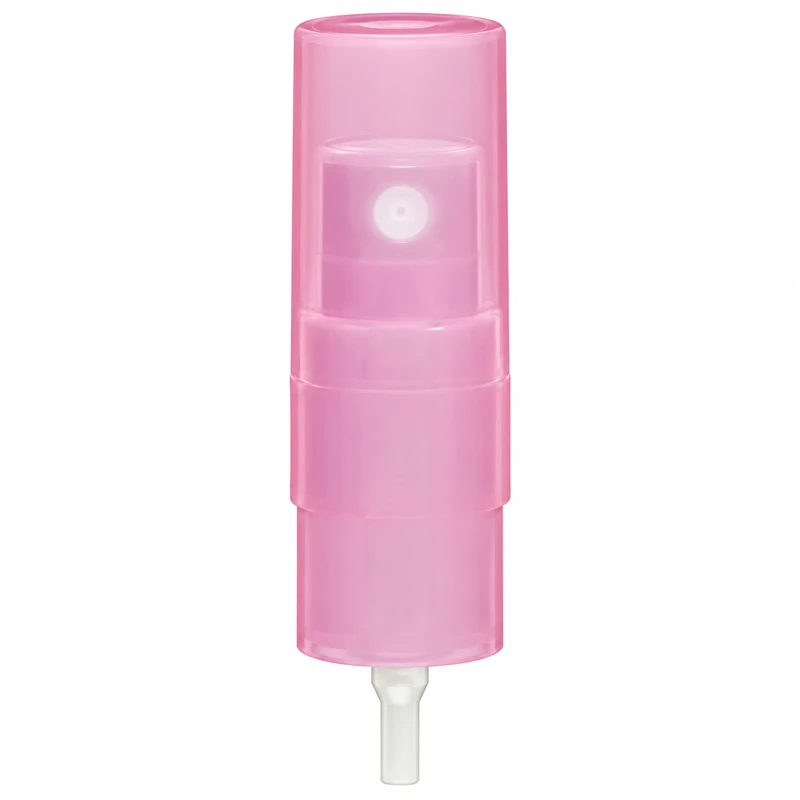
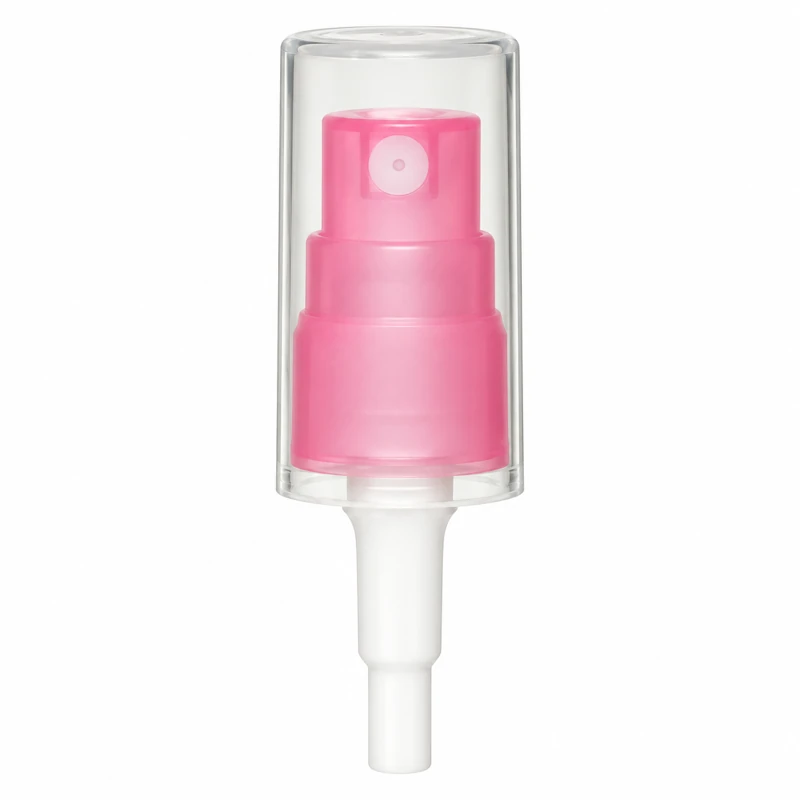
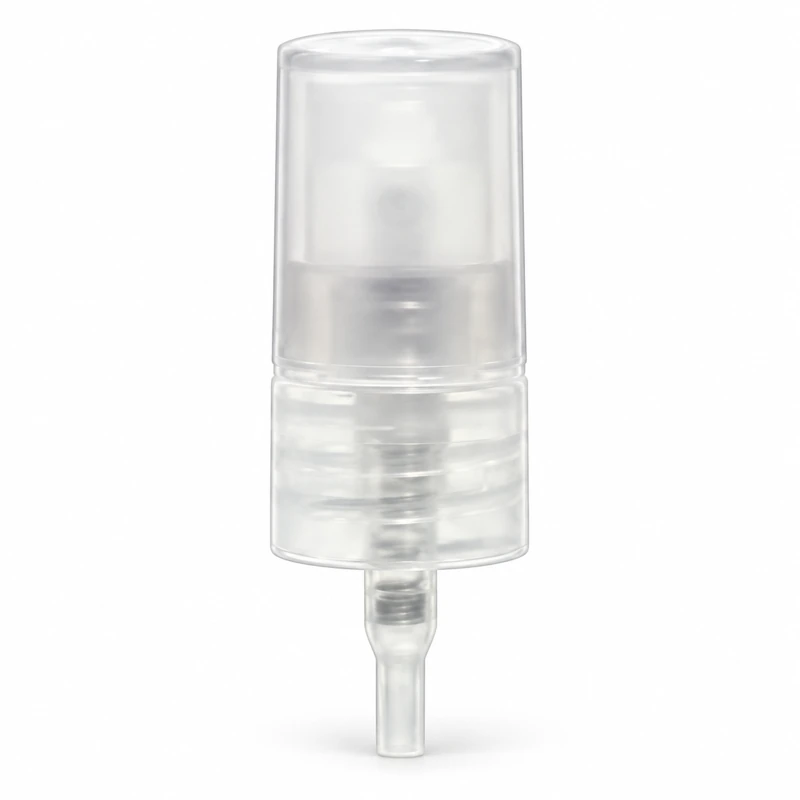
Components to discuss with your supplier.
These references share the component type discussed here. Confirm the selected assembly and application with samples.
Related articles
VIEW THE COMPONENTS