THE DECISION IN BRIEF
Our oil formula sprays well on arrival; what evidence should we collect before ordering production?
Evaluate identified filled assemblies through agreed storage, use and distribution conditions. Compare them with retained baseline samples and document changes before approving the configuration.
A successful first spray is a starting observation
Fresh samples answer whether an assembly can dispense at that moment. They do not show how it will behave after storage, repeated use or contact with the final formula. Structure the trial around decisions: whether to retain the proposed configuration, investigate a failure, or request a different component combination. Avoid collecting photographs without knowing which decision they support.
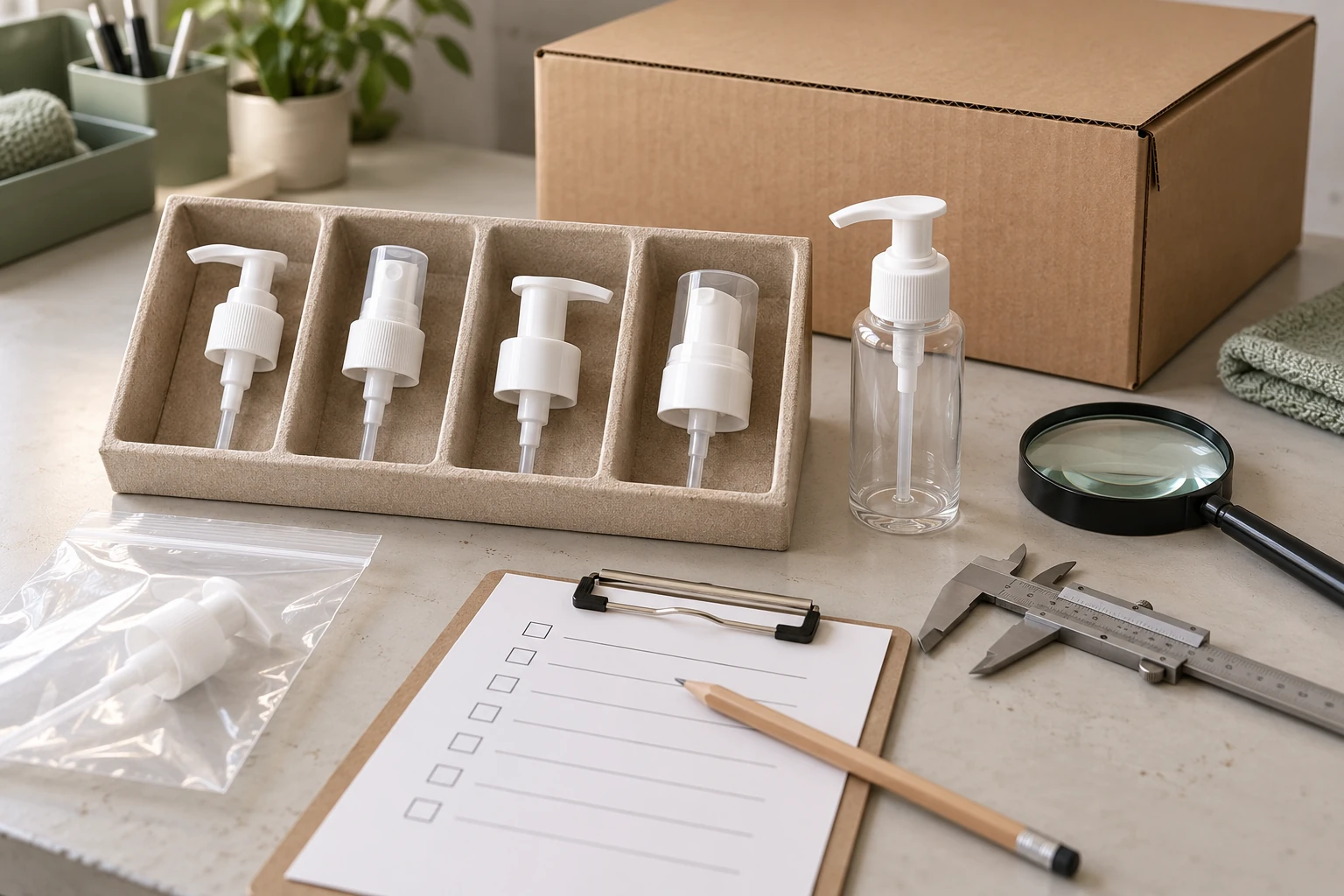
Agree the protocol with the formulation and packaging teams before filling. Specify the actual product revision, intended bottle and closure assembly procedure. Record sample identities individually so a slow-returning actuator can be traced to its filling condition and storage history. Keep an untouched reference assembly for comparison rather than repeatedly operating every sample.
Build a comparison that answers one question at a time
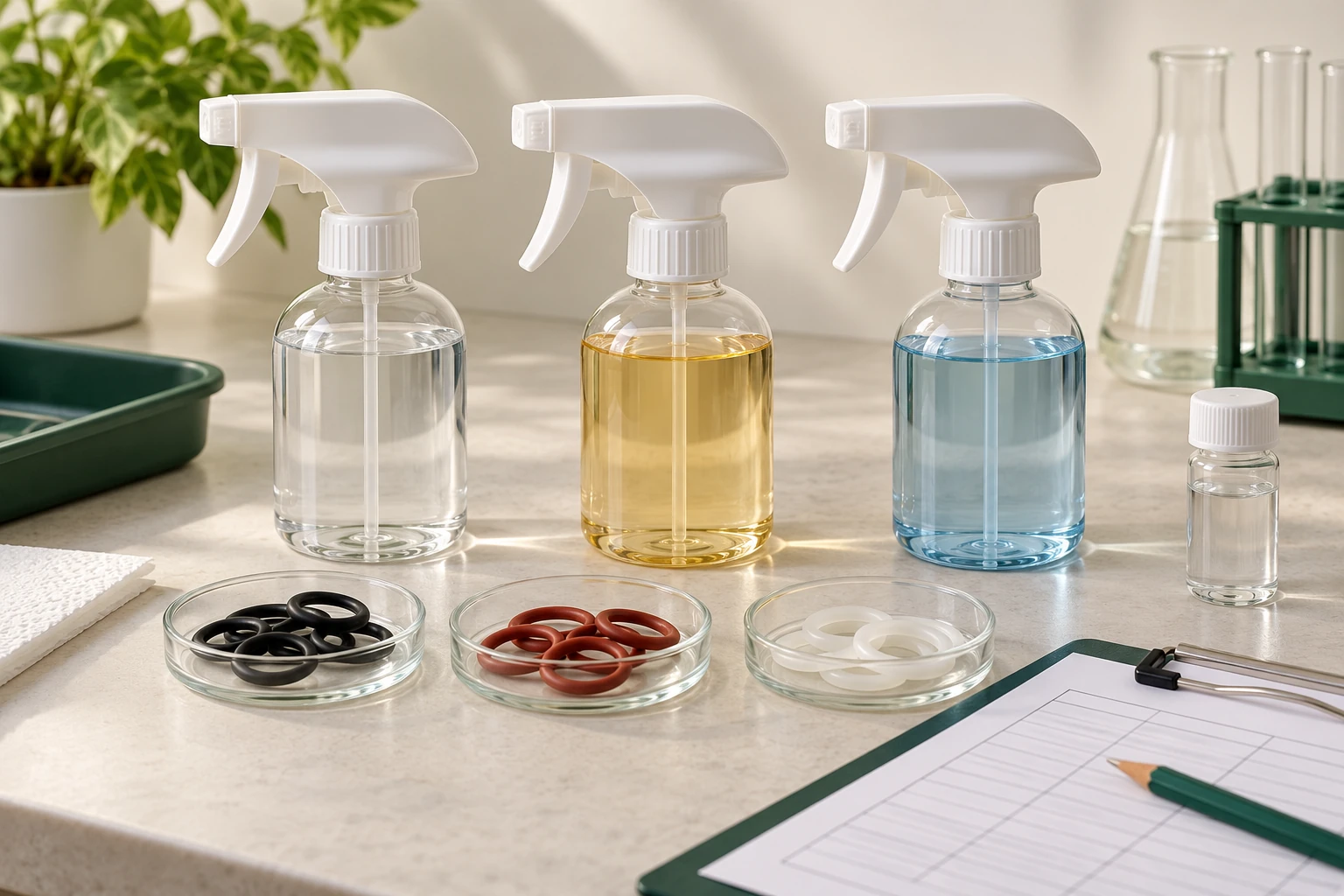
When two sprayers differ in nozzle, tube and seal configuration, a performance difference cannot be assigned confidently to any single part. Where practical, change one documented variable between comparison groups. If several changes must be made together, treat the new combination as a separate candidate and avoid claiming that a particular material solved the problem.
Use conditions representing the product's expected life and distribution route, agreed with the responsible technical team. Any accelerated condition needs a reason and an interpretation plan. A short warm-storage observation cannot automatically be translated into a claimed shelf life. Include recovery and dispensing checks when samples return to their intended use conditions.
Record more than visible leakage
Use the same handling instructions and observation sequence for each candidate. A useful record connects what the user experiences with where a change appears.
- Before storage: photograph the assembled package and note formula appearance, fill level, closure application and initial dispensing.
- During review: locate wetness, record component appearance and distinguish a collar leak from nozzle residue.
- During operation: note priming behavior, return action, pattern, dribble and dispensing consistency using an agreed method.
- After standing: repeat the same use sequence and record whether intervention was needed to restart.
- At investigation: preserve affected parts and identify any assembly changes instead of replacing components without a record.
Define approval without inventing a universal limit
Acceptance criteria should come from the product's use requirements and the buyer's quality process. Set them before judging candidates. For a targeted oil application, visible runoff may matter more than the width of a pattern; for another application, a narrow stream may defeat the purpose. A supplier's generic demonstration should not replace those requirements.
Aptar's PZ1 page notes that package test results can vary with container shape, container size and sample formula. Use that caveat as a reminder to evaluate the real combination. Its published testing language applies to its specified options and does not certify a STDPAK assembly.
For SP-LP-200, record the double-layer seal design and the confirmed PP, PE, POM, 304 stainless spring and PP tube construction alongside the sample reference. Obtain confirmation of any unresolved wetted-component details. Approve only the tested configuration and formula revision, and require review when either changes. A concise report with clear limitations is more useful to purchasing than a broad statement that the sprayer passed an oil test.
Include a rule for handling interrupted or invalid observations. A sample accidentally operated during a storage-only comparison should be identified, not quietly returned to its group. Keeping deviations visible helps the team decide whether the remaining evidence answers the original approval question.
Sources & further reading
Use the references below alongside the selected component drawing and agreed sample plan. Product-specific claims need product-specific evidence.
PRODUCT REFERENCES
Components to discuss with your supplier.
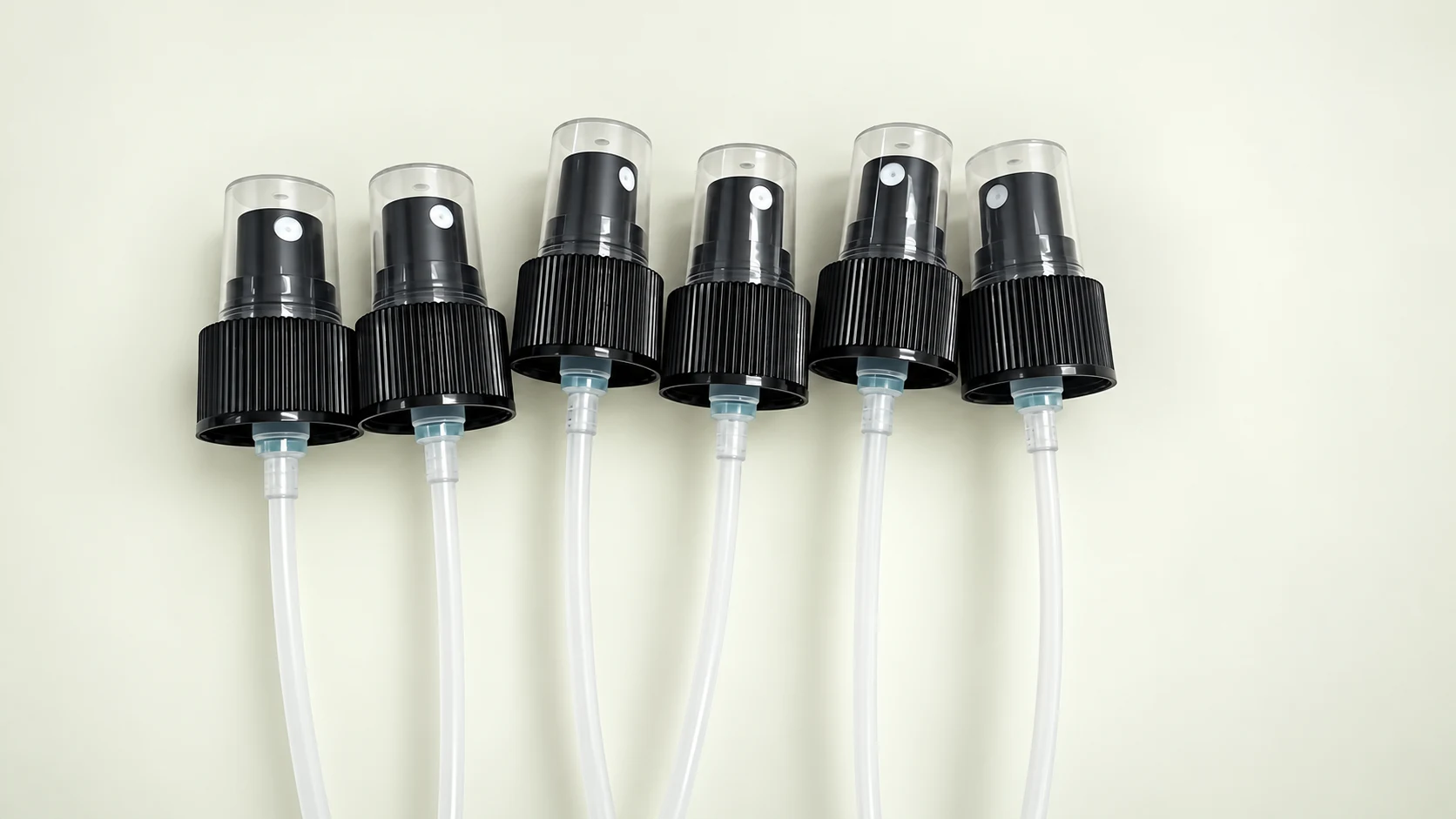
These references share the component type discussed here. Confirm the selected assembly and application with samples.
Related articles
VIEW THE COMPONENTS