THE DECISION IN BRIEF
We find oil inside the overcap, but the bottle shoulder is dry; is the seal failing?
Compare unused capped assemblies with used assemblies and trace residue transfer. Investigate the outlet and cap contact before attributing the finding to an internal seal.
Look at the cap before cleaning it
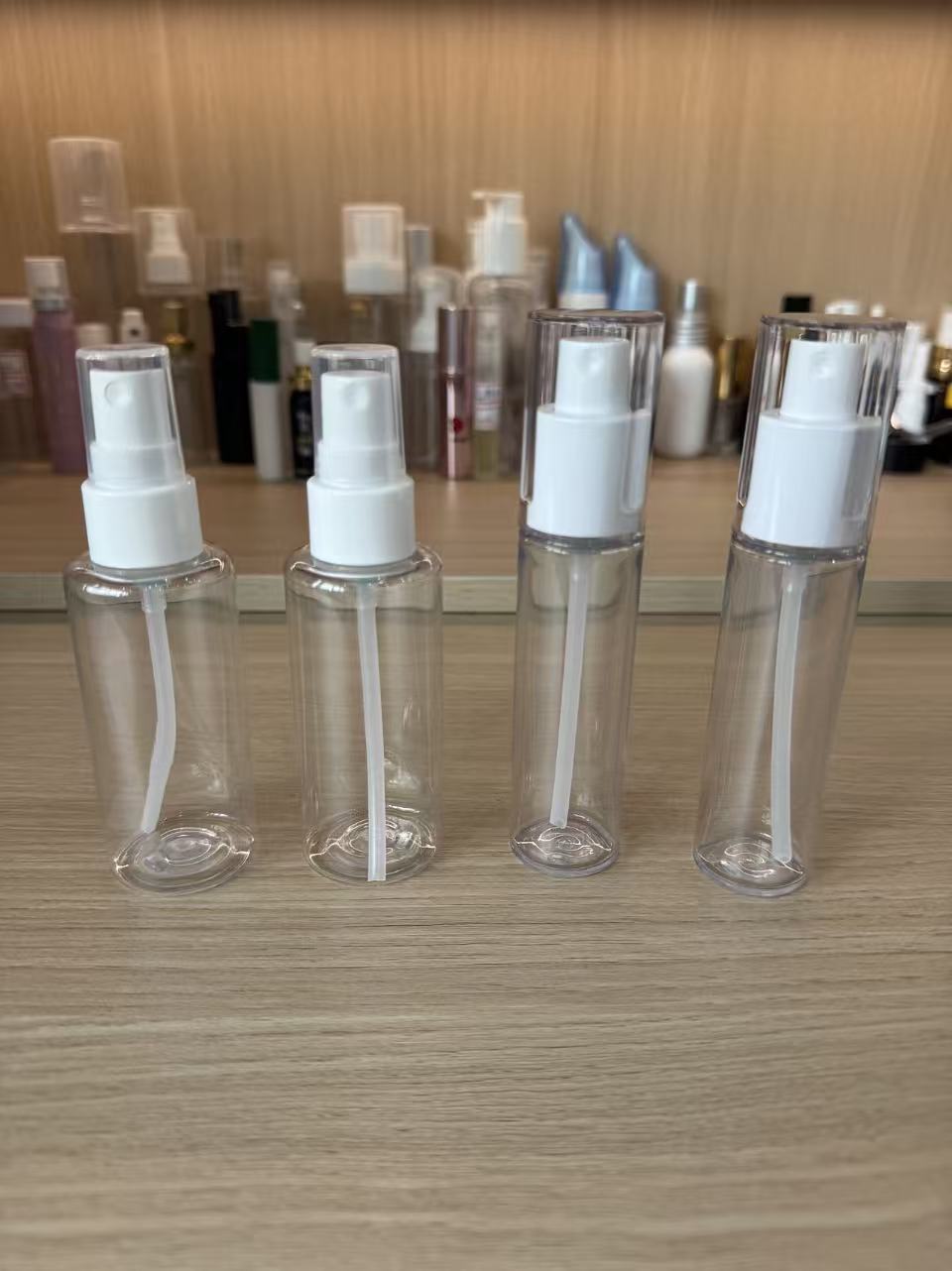
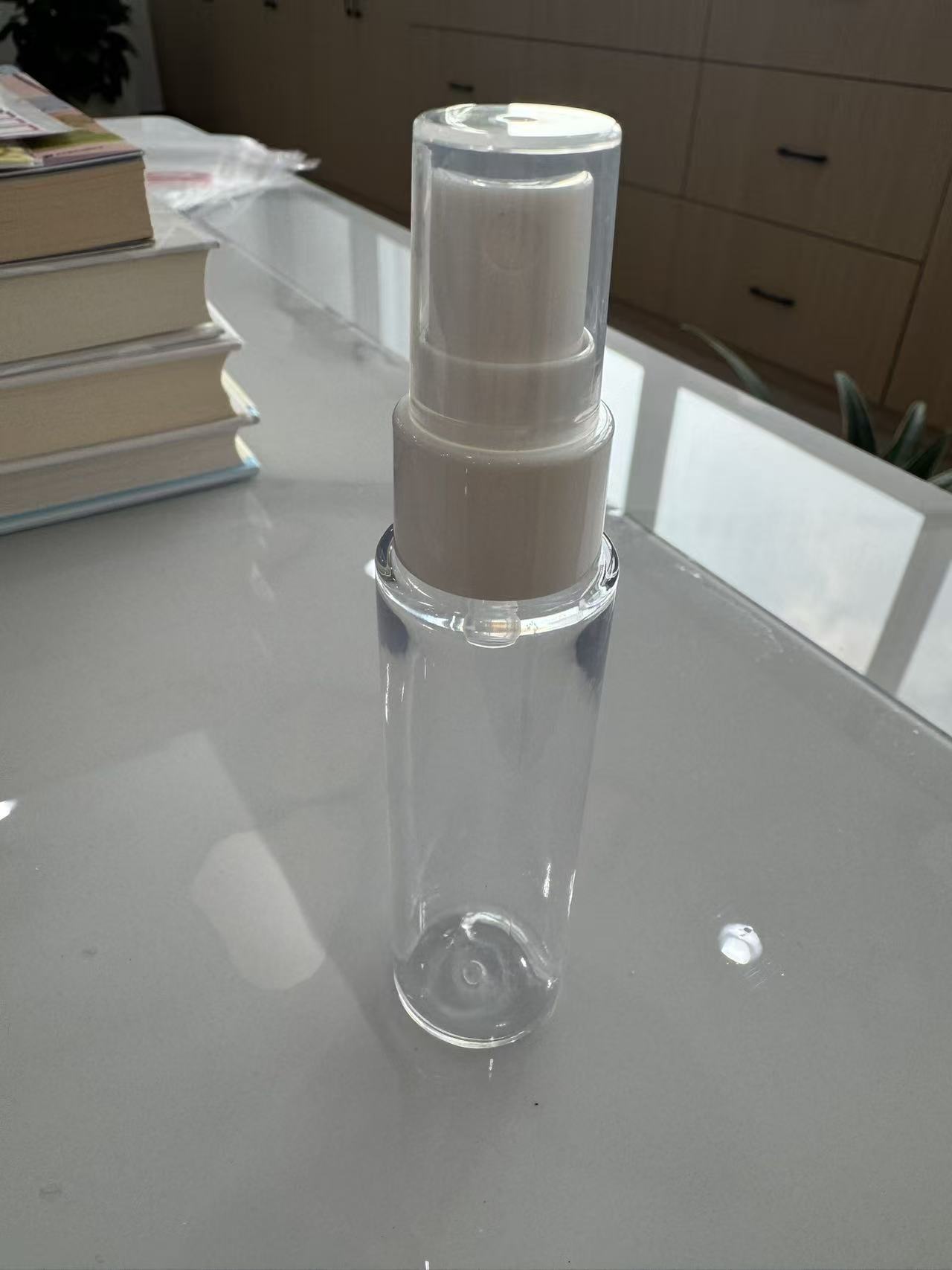
Photograph the inside and outside of the cap and the actuator beneath it. Note where residue is concentrated and whether the cap touches the outlet or moving head. Preserve the original cap and sprayer pairing so contact marks remain interpretable.
Ask when the cap was replaced relative to spraying. A cap fitted immediately after use may collect liquid differently from one fitted after the outlet has been observed. Record the sequence without suggesting that consumers must adopt an unsupported waiting instruction.
Use two histories to narrow the route
Compare matching unused stored assemblies with assemblies operated through the intended task and then capped. Keep formula, orientation and packaging configuration the same. Check whether the residue appears only after use or also in an untouched assembly.
If only used assemblies show the problem, investigate trailing liquid and cap clearance. If untouched assemblies also develop wetness, preserve them for a broader leakage review. A dry bottle shoulder does not prove there is no internal issue, but it helps keep the next question focused.
- Identify cap and actuator references together.
- Photograph residue before wiping.
- Record cap replacement sequence.
- Compare untouched and used assemblies separately.
Decide whether the cap arrangement needs revision
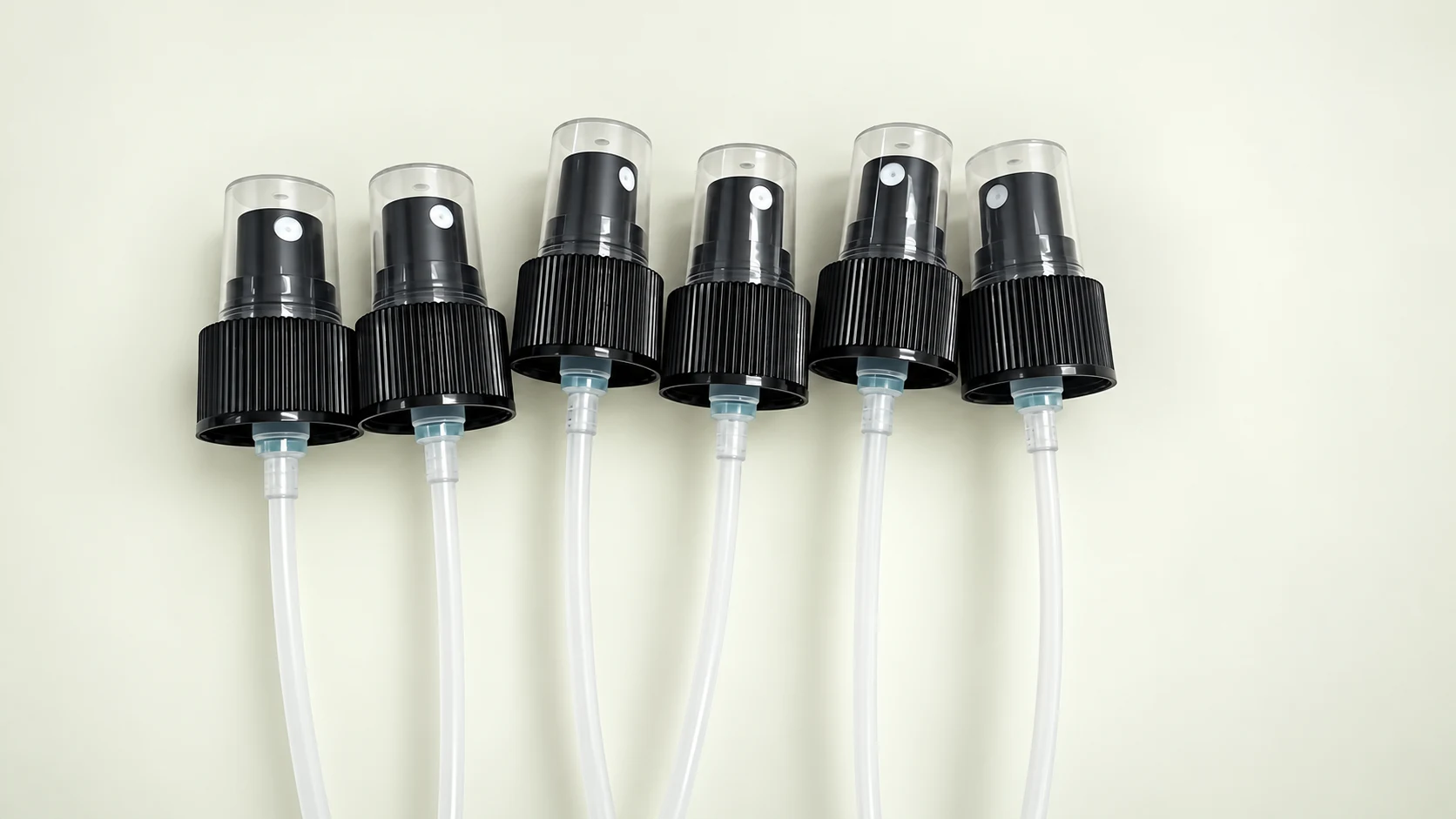
Silgan's Mini-Trigger Curve identifies an integrated lock as a portability feature. Ask which storage arrangement is proposed for this package and compare its clearance and residue transfer. Preserve cap and actuator references together so the selected combination can be reproduced.
Ask the supplier to review physical clearance and the observed transfer route. If another cap or protection arrangement is proposed, compare fit, accidental actuation and post-use residue using the same oil formula. Do not add absorbent material to hide the symptom before understanding it. The selected assembly should support a practical storage sequence and preserve the intended appearance.
Include cap removal
Observe what happens when the cap is next removed. Residue may transfer to fingers or another surface even when it remained contained during storage. Record this as part of the user task. The team can then compare cap geometry and trailing liquid using the consequence that actually matters.
Sources & further reading
Use the references below alongside the selected component drawing and agreed sample plan. Product-specific claims need product-specific evidence.
PRODUCT REFERENCES
Components to discuss with your supplier.
These references share the component type discussed here. Confirm the selected assembly and application with samples.
Related articles
VIEW THE COMPONENTS