THE DECISION IN BRIEF
Our oil sprayer tube bows against the bottle base; should we cut it shorter on the filling line?
Preserve the supplied reference and confirm the measurement convention first. Request a defined corrective tube sample rather than making an uncontrolled production trim.
Record the assembled geometry
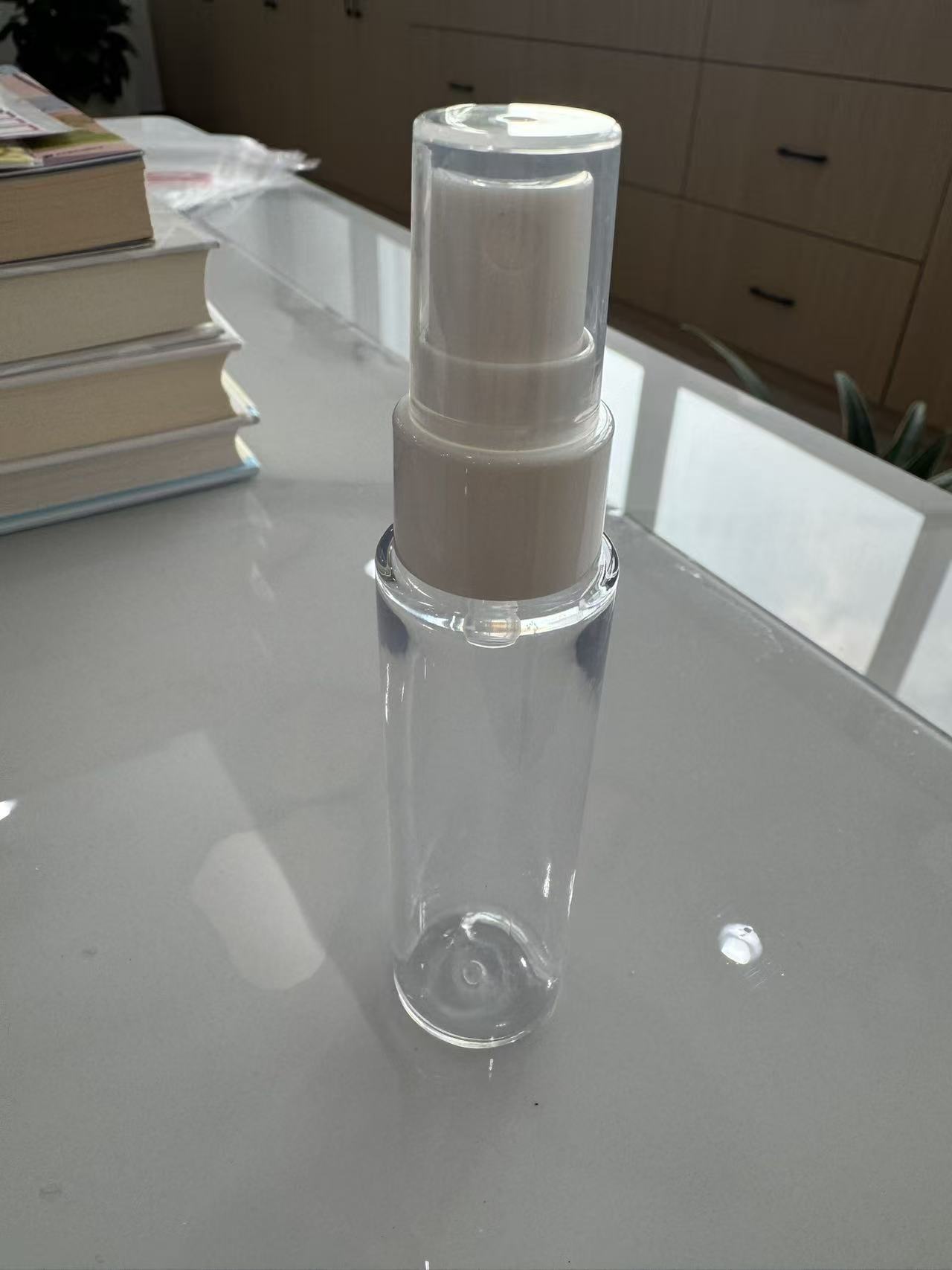
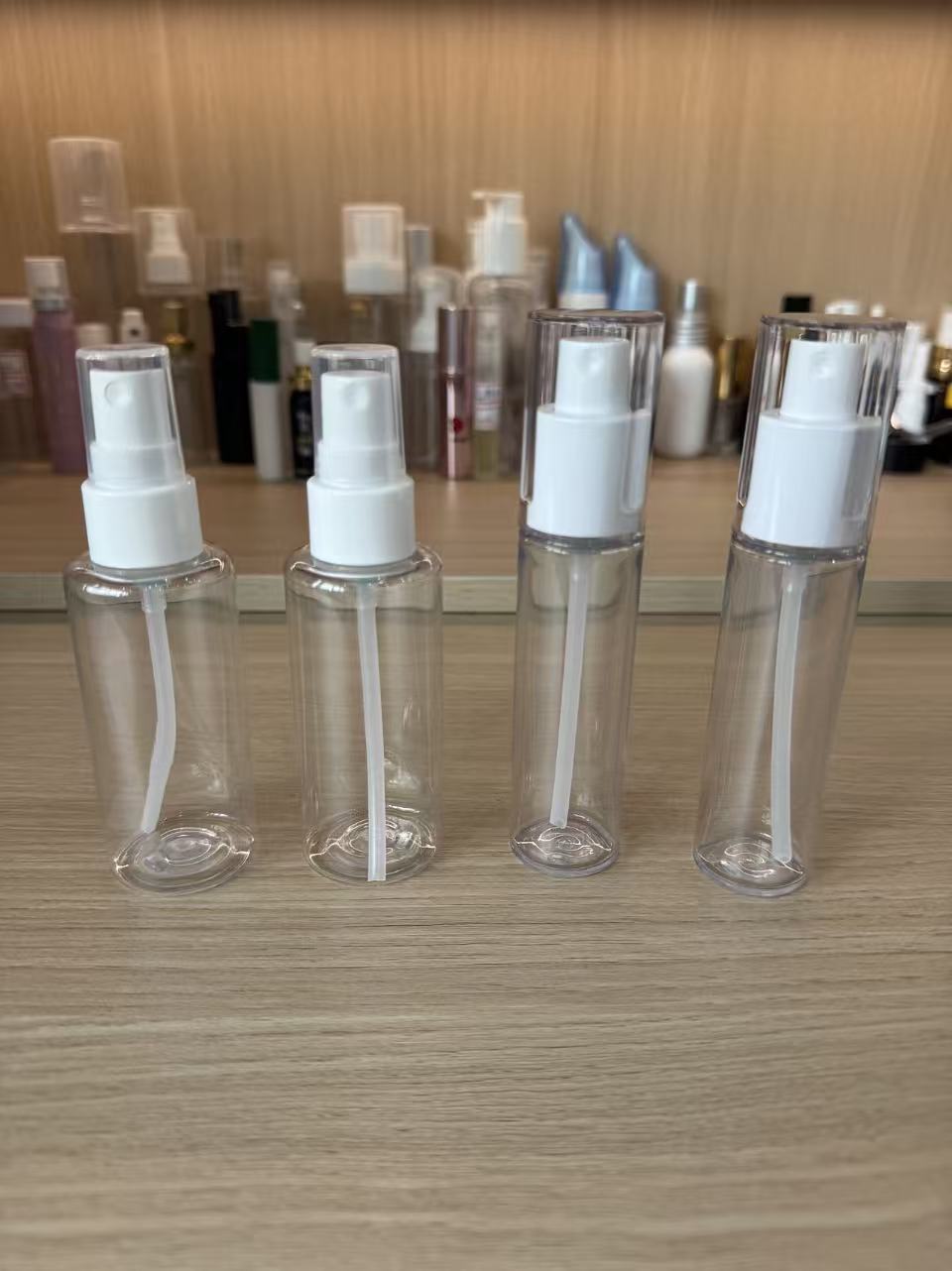
Photograph the tube in the intended bottle and note whether it bends, twists or presses into a feature of the base. Identify the sprayer and bottle references and the closure's fully assembled position. A loose tube laid beside a bottle does not reproduce its final location.
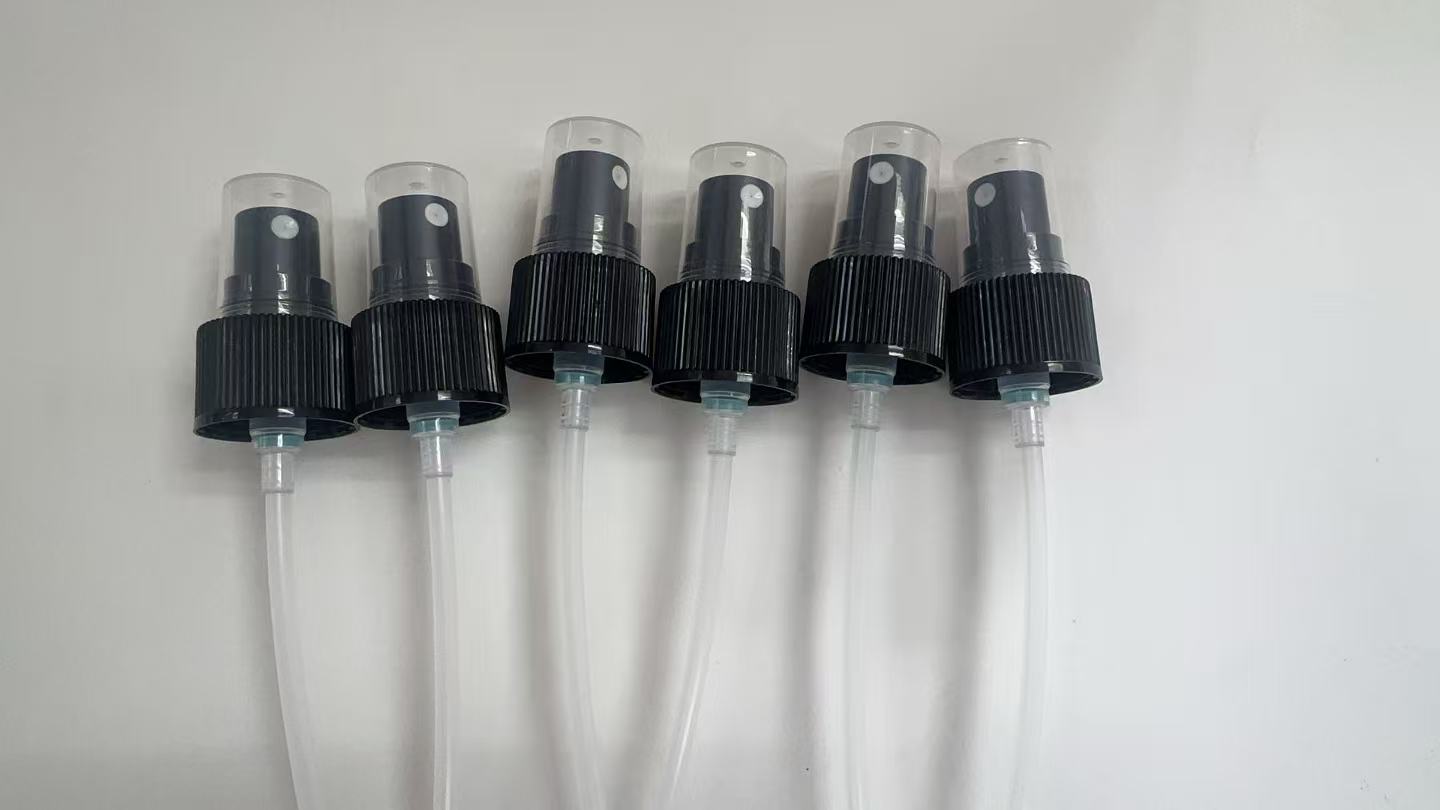
Check whether all supplied samples show the same arrangement. If tube lengths vary, preserve representative pieces and their labels. Do not assume the bend is the cause of a dispensing complaint until the behavior and geometry are compared together.
Resolve the dimension before cutting
McKernan's reference guidance describes a bottom-of-gasket measurement convention. Confirm the convention used for the quoted tube and annotate the proposed dimension. The sample comparison should connect that dimension with its final position in the intended bottle.
If an alternative length is proposed, give it a separate reference and evaluate it on the intended bottle. Record pickup, near-empty behavior and any assembly difficulty. A hand-trimmed prototype should remain identified as a prototype rather than becoming an unrecorded receiving correction.
- Preserve an original tube and its label.
- Confirm the dimension datum with the supplier.
- Identify any proposed end-cut change.
- Compare assembled samples rather than loose dimensions alone.
Decide how the correction will be controlled
If the shorter sample performs acceptably, ask how production length and supply references will be specified. Agree which team is responsible for the tube arrangement delivered to filling. Avoid a vague instruction to trim as needed.
For SP-LP-200, the confirmed tube material is PP; that fact does not establish length, inside diameter or the correct bottle interface. Keep those details tied to the proposed assembly. A useful corrective decision closes the dimensional ambiguity and preserves the tested package reference.
Keep prototype cuts identifiable
If the supplier authorizes a hand-cut sample for investigation, label its actual preparation and retain a photograph. Do not describe it as a production part until the supplier confirms the orderable arrangement. This prevents a successful prototype from leaving purchasing with an unclear specification for the next delivery.
Sources & further reading
Use the references below alongside the selected component drawing and agreed sample plan. Product-specific claims need product-specific evidence.
PRODUCT REFERENCES
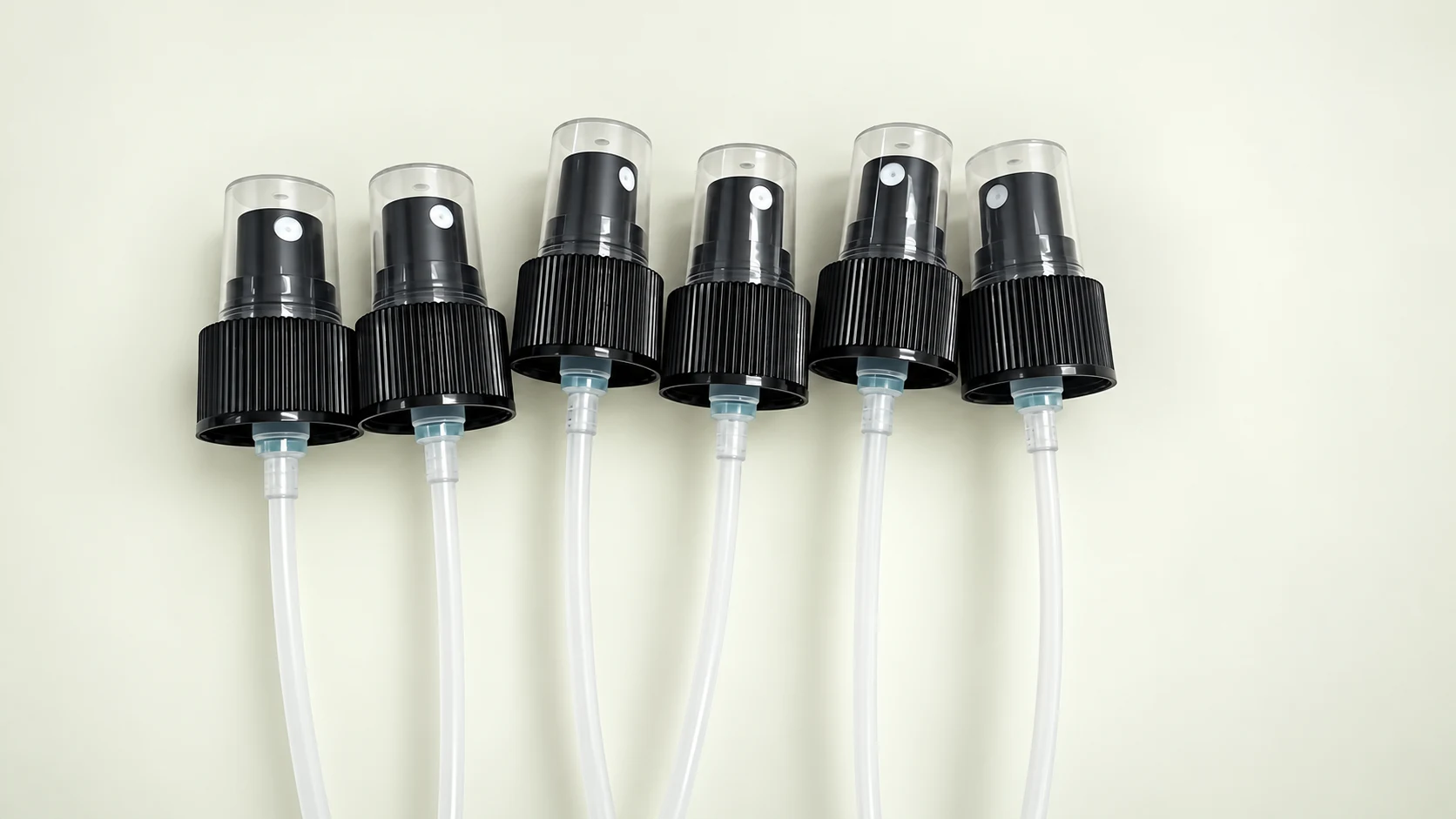
Components to discuss with your supplier.
These references share the component type discussed here. Confirm the selected assembly and application with samples.
Related articles
VIEW THE COMPONENTS