THE DECISION IN BRIEF
Our actuator returns slowly after cold storage. What should change?
Compare conditioned and room-temperature assemblies with the same formula and complete strokes. Ask the supplier to evaluate cold-formula recovery before changing output, tube or formulation.
Preserve the complaint conditions
A report of winter failure needs a storage history. Record where the filled pack was held, the duration and whether users attempted dispensing immediately or after indoor recovery. Preserve the formula batch and component reference. Separate a head that physically sticks from one that returns normally but delivers little product. Include the condition of unopened packs as well as bottles already in use, since their starting histories may differ.
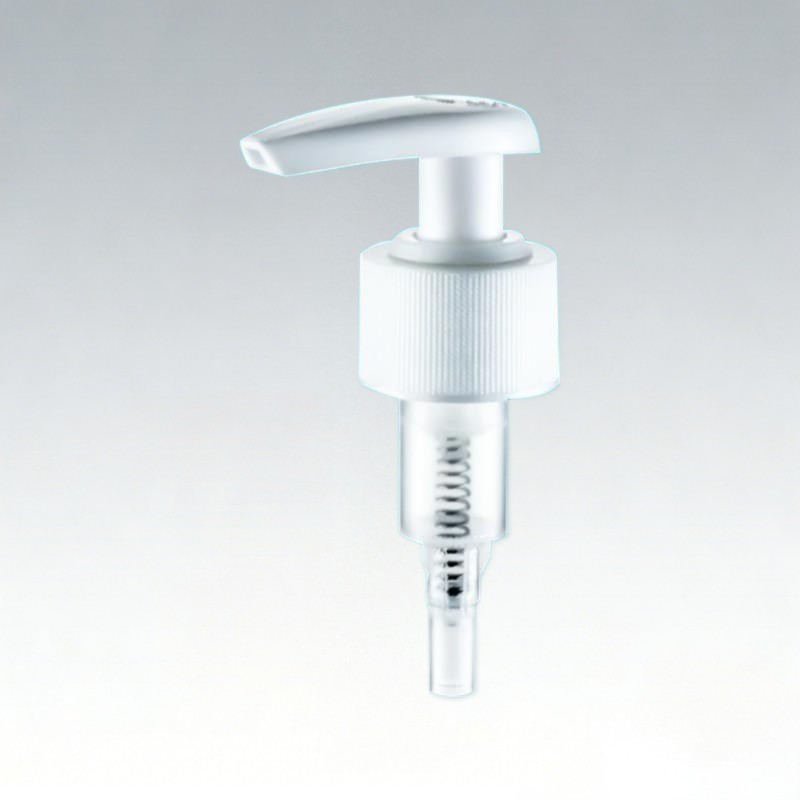
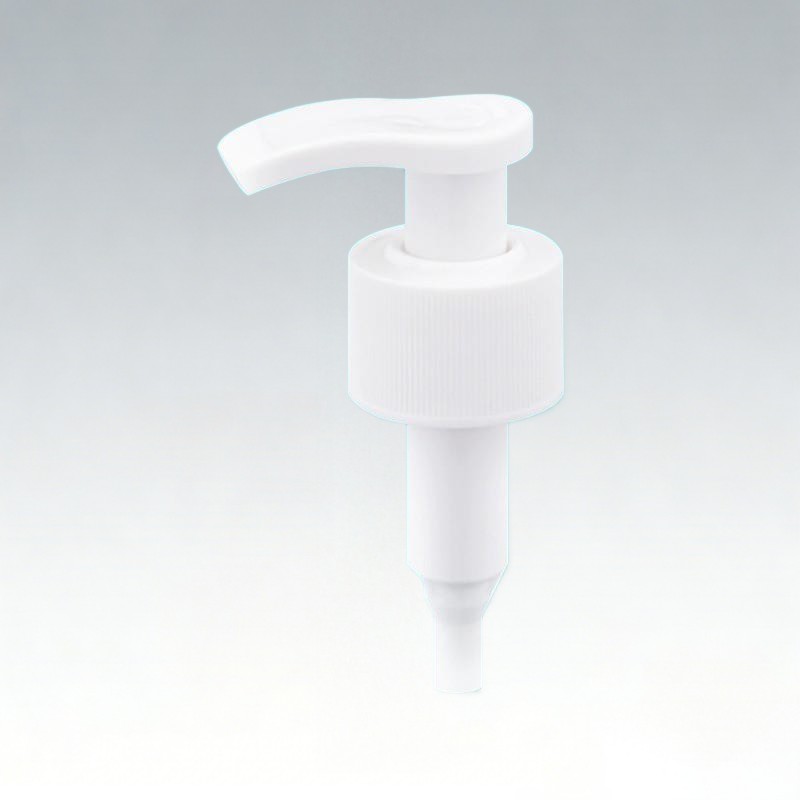
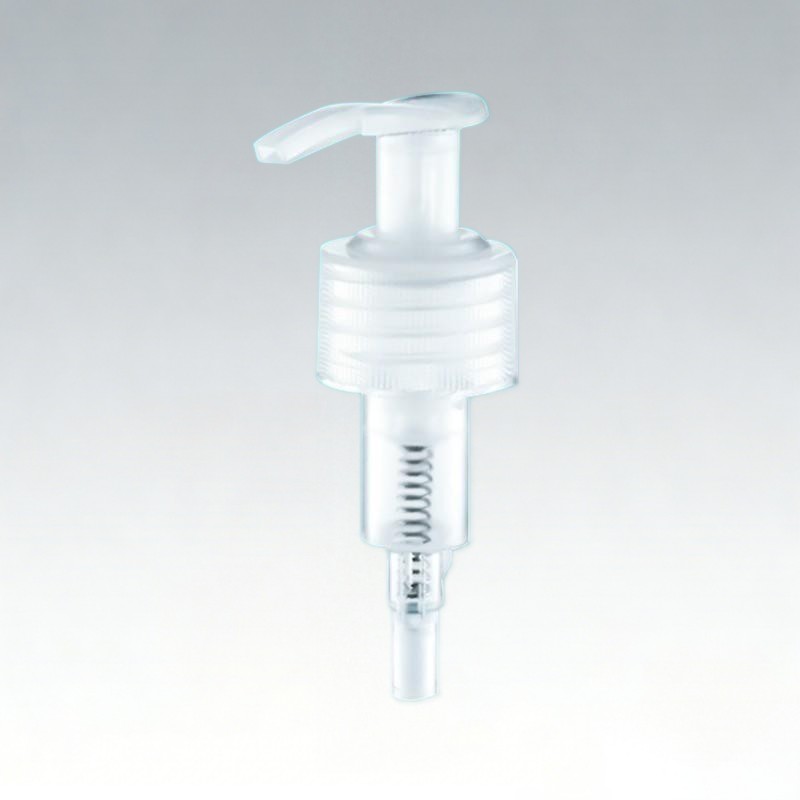
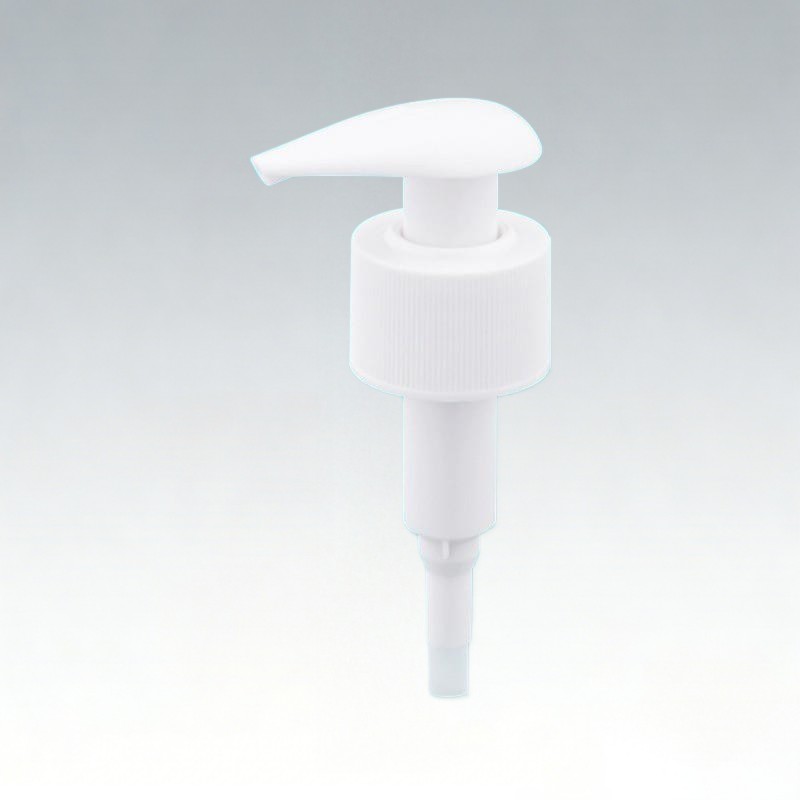
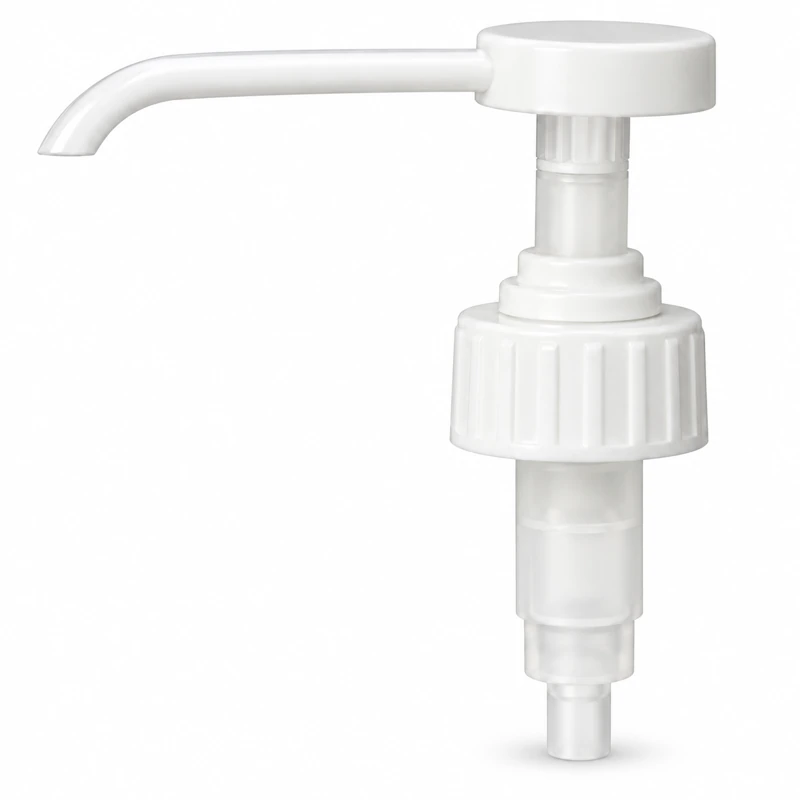
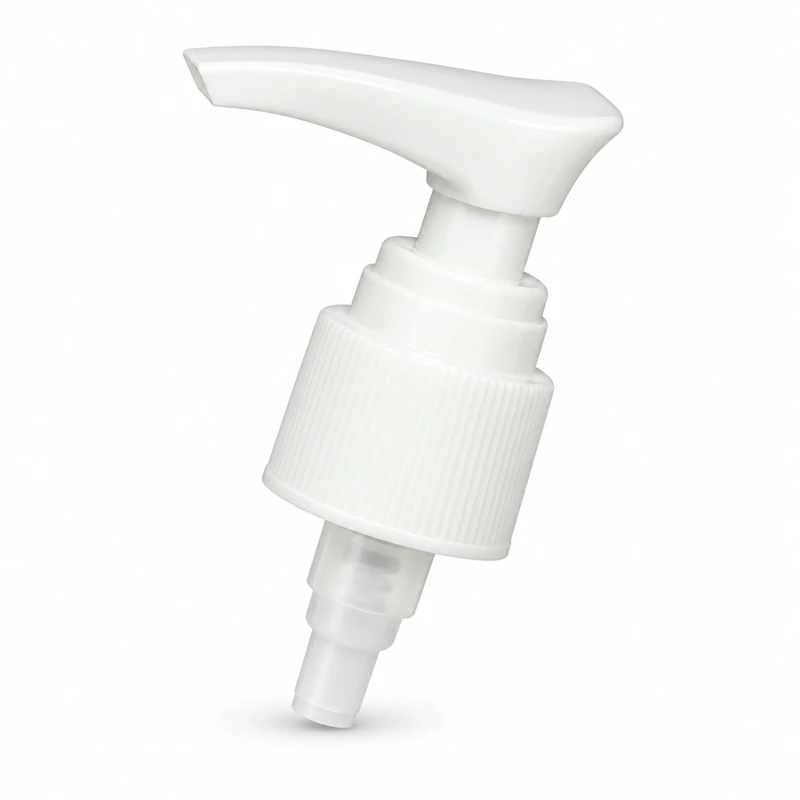
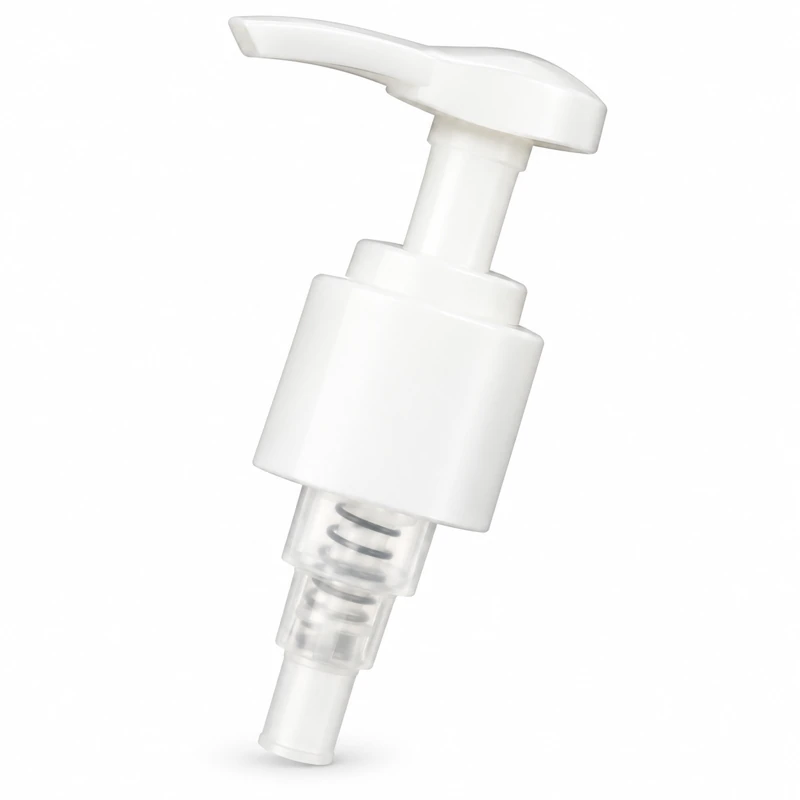
Silgan's catalogue offers engines with different formula applications and actuation characteristics. That supports a selected-configuration review rather than an assumption that every lotion pump behaves identically across conditions.
Observe return and delivery independently
Agree the conditioning and pressing method with packaging and formulation teams. Use equivalent assemblies and avoid selecting an arbitrary pass temperature from another product's specification.
| Observation | Next check |
|---|---|
| Slow only while cold | Recovery and delivered portion at intended use condition |
| Still slow after warming | Persistent mechanical or compatibility change |
| Normal return, little product | Pickup and delivered mass |
| Scattered failures | Component identity and assembly history |
Make a targeted revision
A larger nominal dose does not necessarily solve slow chamber refill. Ask whether another flow path or engine is the appropriate candidate, then compare identified samples using production-representative bulk. If the formulator proposes changing viscosity, treat that as a product revision with separate approval responsibilities.
Include restart after standing as well as consecutive strokes. Customers may use a cold pack immediately after delivery even when ordinary storage instructions anticipate indoor conditions. Decide which situation the product must support and make that purchasing requirement explicit.
Record the accepted configuration and the evaluation conditions together. Keep the reference samples and storage history so a later batch can be assessed against the same question. Avoid accepting a vague promise that the pump suits every climate. Receiving teams need an identifiable component and reproducible evidence, while the supplier needs a defined operating requirement.
Sources & further reading
Use the references below alongside the selected component drawing and agreed sample plan. Product-specific claims need product-specific evidence.
PRODUCT REFERENCES
Components to discuss with your supplier.
These references share the component type discussed here. Confirm the selected assembly and application with samples.
Related articles
VIEW THE COMPONENTS