THE DECISION IN BRIEF
Our uncapped oil sprayer changes pattern after standing; should we add a cap?
Compare identified capped and exposed assemblies under the intended use scenario, recording outlet condition and restart. Ask the supplier to review evidence before selecting protection.
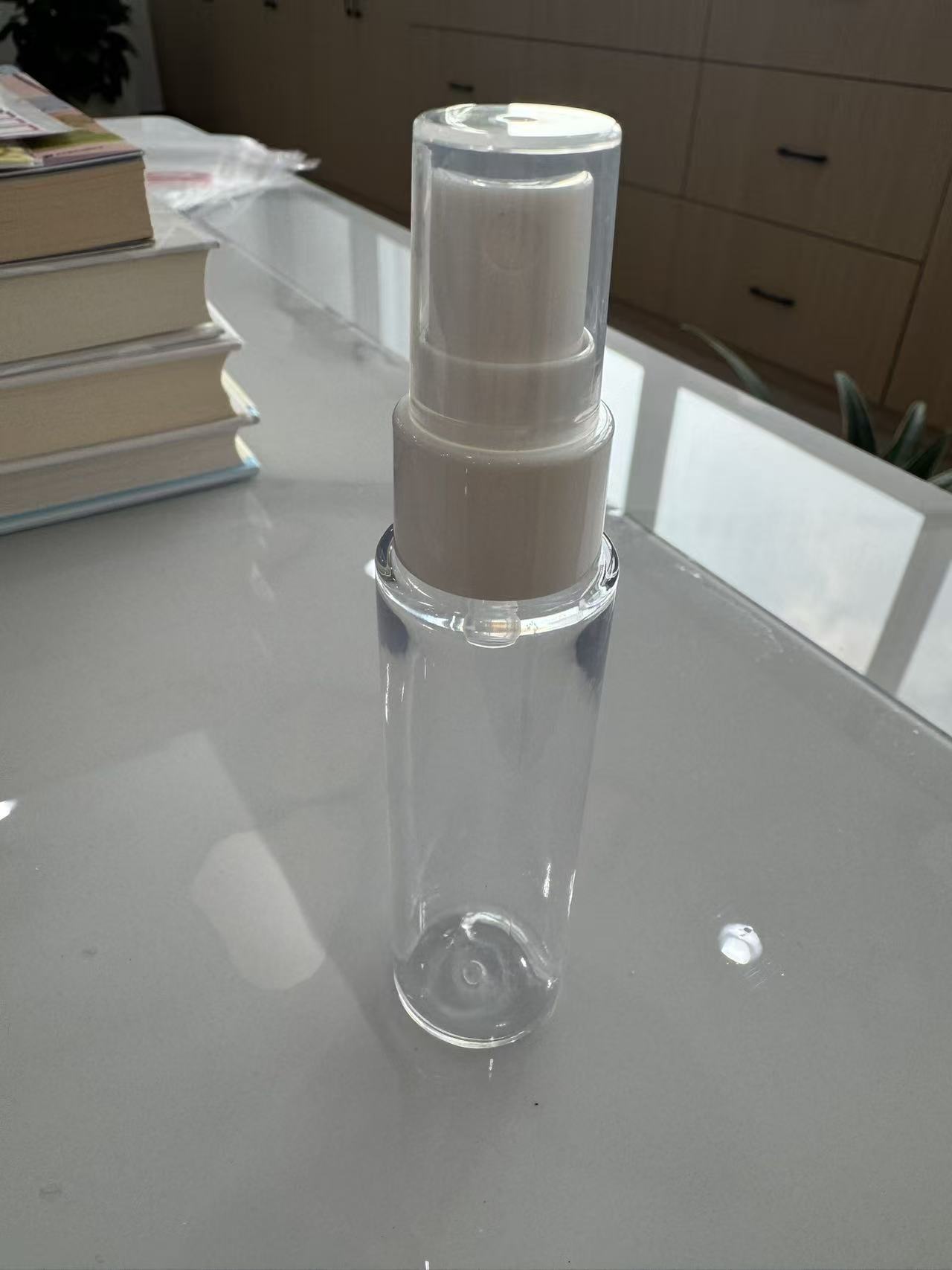
Record the exposed condition
Identify the formula, assembly and location where the bottle stood. Record whether the sprayer had been operated and whether the outlet already carried residue. An unused exposed sample and a used exposed sample have different histories.
Avoid describing the problem as drying, oxidation or contamination without evidence from the appropriate technical owner. The buyer can document a changed appearance or delivery pattern without claiming a chemical mechanism.
Compare storage arrangements
Use matching assemblies to compare the proposed storage configurations. Keep handling, formula and observation sequence controlled. Photograph the outlet before the next actuation, then record first delivery and later normal operation separately.
If the exposed group differs while the protected group does not, investigate whether a practical protective arrangement supports the intended task. If both groups change, review formula and assembly behavior more broadly. A cap comparison can narrow the question but cannot establish a universal storage duration.
- Record whether the sample was previously used.
- Identify protection and closure status.
- Observe outlet condition before intervention.
- Preserve samples that do not recover normally.
Choose protection the user will actually use
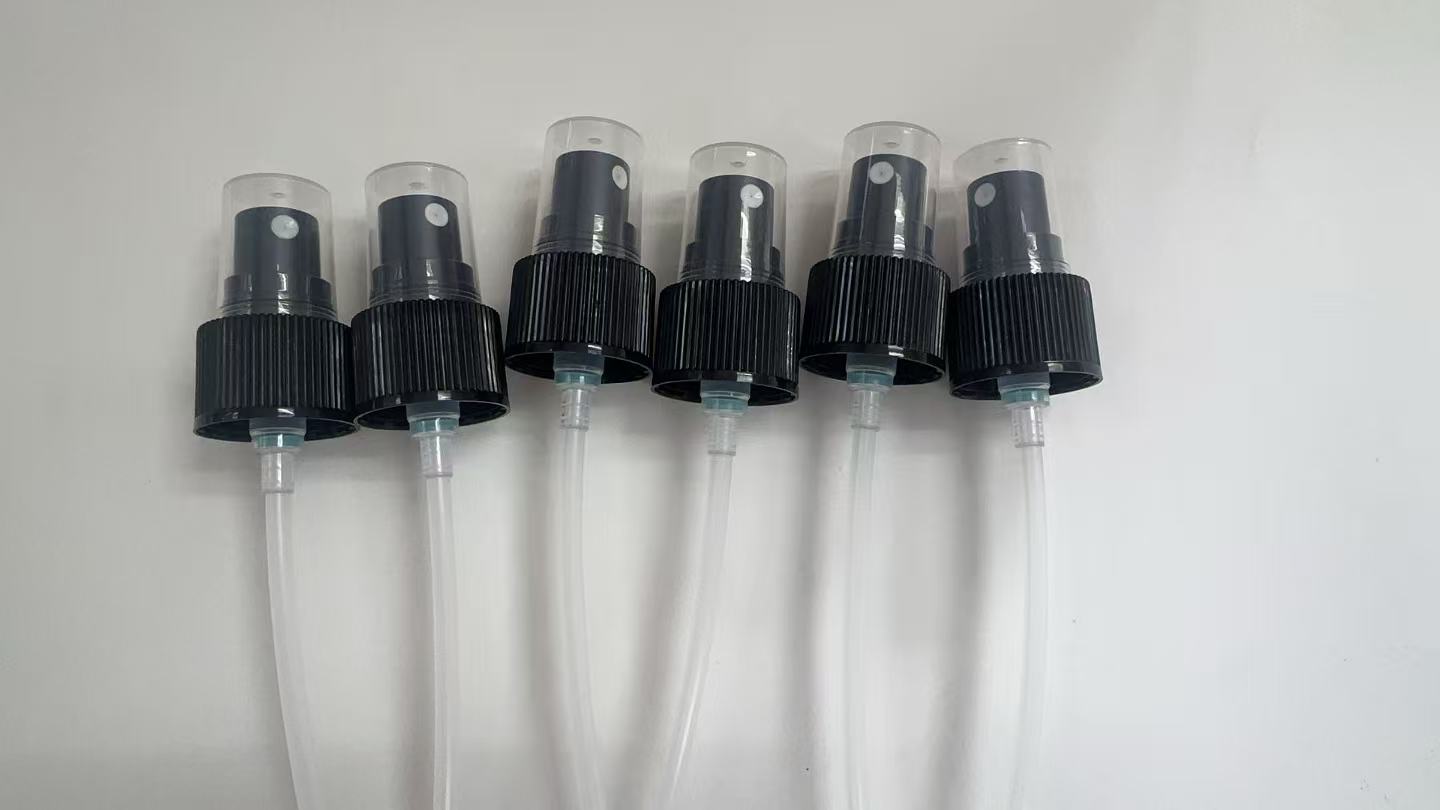
Aptar lists distinct protection and locking configurations. Ask the supplier to identify the proposed storage arrangement and compare it in the realistic task. Include removal and replacement in the observation, since a feature only helps when users can operate it as intended.
Compare the proposed cap or lock with the complete bottle, including clearance, removal and replacement. If users are likely to omit a loose cap during the normal task, the technical benefit may not translate into reliable product behavior. If cleaning or extra priming is proposed instead, evaluate that sequence explicitly and confirm that it is realistic. Select the assembly and instruction together.
Review housekeeping effects
If standing samples were handled near other products or equipment, record the environment and any visible foreign material. Do not assign contamination as the cause without examination. A clean, identified repeat can help determine whether the exposed-storage comparison needs another variable while preserving the original complaint as evidence.
Sources & further reading
Use the references below alongside the selected component drawing and agreed sample plan. Product-specific claims need product-specific evidence.
PRODUCT REFERENCES
Components to discuss with your supplier.
These references share the component type discussed here. Confirm the selected assembly and application with samples.
Related articles
VIEW THE COMPONENTS