THE DECISION IN BRIEF
Some pump heads stay down after pressing. How can we distinguish assembly interference from formula resistance?
Observe the return stroke, inspect external contact and compare identified assemblies under the same conditions. Preserve failed samples before dismantling or forcing them free.
Start with a visible return sequence
Record whether the actuator stops immediately, rises partly or returns slowly all the way. Inspect its relationship to the collar, bottle shoulder and any decorative shell. A head rubbing an exterior part requires a different corrective action from a pump with unobstructed movement.
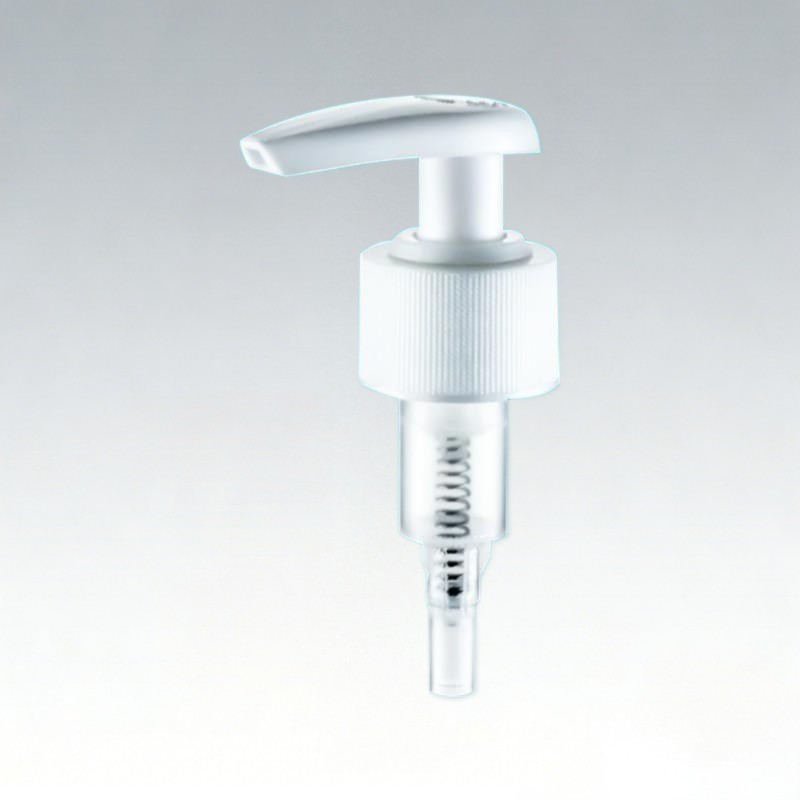
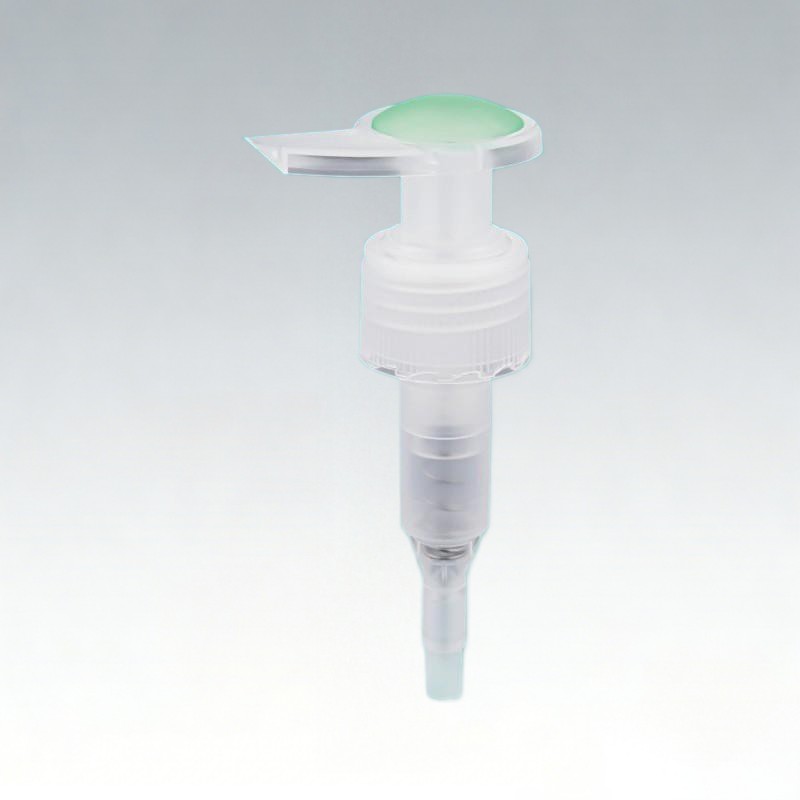
O.Berk's component anatomy distinguishes the actuator, closure, housing and internal mechanism. Use that separation to describe the symptom precisely when contacting the supplier.
A practical diagnostic sequence
Follow supplier guidance for any disassembly; retain untouched examples so the original condition remains available for investigation.
- Confirm operating lock state and remove only intended protective parts.
- Check for contact through the complete actuator travel.
- Compare affected and unaffected units with matching component identities.
- Record formula, conditioning and pressing pace.
- Ask the supplier to inspect representative failed and working assemblies.
Avoid changing everything at once
Compare samples using the same bottle and formula before trying another engine. If a decorative collar was recently introduced, include the undecorated reference in the investigation. If a formula revision coincides with the complaint, identify it explicitly rather than assuming every visually identical bulk behaves alike.
Do not repeatedly pull the head upward and then report successful dispensing as a pass. Manual intervention changes the observed condition and may not reflect what users will do. Document whether the sample needs assistance and when the problem returns.
Where the supplier proposes another configuration, evaluate complete return, delivered portion and user effort together. A faster return is helpful only if the pack still dispenses cleanly and provides an appropriate portion.
Translate the diagnosis into a controlled change: corrected clearance, assembly instructions or selected component reference. Retain the failure photographs and accepted result beside the specification. Later inspection can then check the relevant interface instead of relying on the vague instruction that the pump must feel smooth.
Sources & further reading
Use the references below alongside the selected component drawing and agreed sample plan. Product-specific claims need product-specific evidence.
PRODUCT REFERENCES
Components to discuss with your supplier.
These references share the component type discussed here. Confirm the selected assembly and application with samples.


Related articles
VIEW THE COMPONENTS