THE DECISION IN BRIEF
Our heavier perfume bottle leaves more liquid than the original. Must we change the pump?
Compare the internal base and tube-end position first. External bottle height and visual fill level cannot establish equivalent product access.
Review the inside of the redesign
A premium bottle can keep the same outer silhouette while changing the usable internal space. A raised base, recess, or offset cavity may move liquid away from the tube end. Obtain the internal drawing where available and examine representative bottles, not just exterior dimensions.
Map where residual liquid collects during the intended final sprays. Record the bottle’s normal use angle and the tube’s installed position. A photograph through thick glass can misrepresent the remaining amount, so supplement visual observations with a defined residual-mass comparison.
Compare old and new bottles fairly
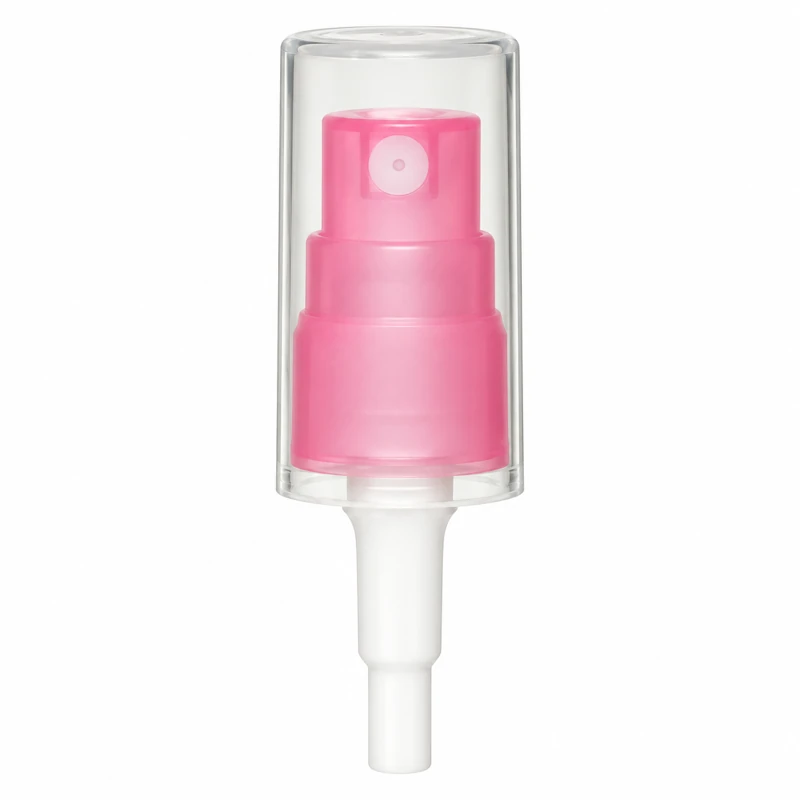
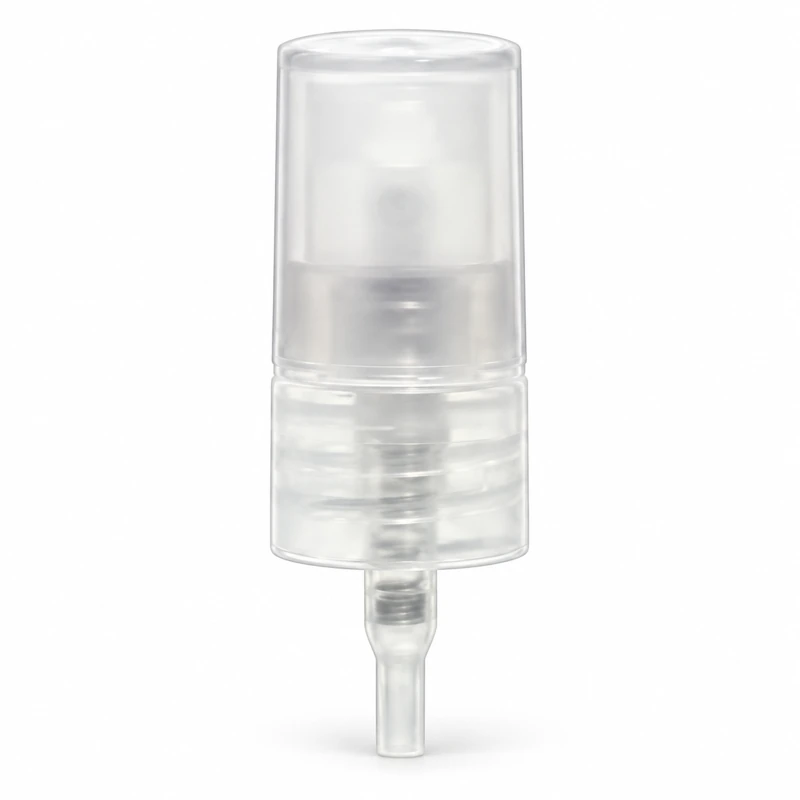
O.Berk lists tube length as a configurable characteristic of fine-mist sprayers. Use an identified tube proposal for each bottle rather than transferring the old length by default.
- Use the same formula batch and consistent starting fill.
- Record both bottle and tube revisions.
- Dispense using the same intended user sequence.
- Measure residual liquid and observe the final usable spray.
Choose between geometry, tube, and user action
If liquid collects in an accessible region away from the current tube, ask whether a revised length or end position can reach it without buckling. Check representative bottle variation before approving a solution. A manually bent prototype can demonstrate a concept but may not represent a controllable production tube.
If the base creates isolated pockets, improving evacuation may require a bottle revision rather than a pump adjustment. Compare the cost and appearance consequences with the brand team. Avoid relying on users to perform an awkward sequence merely to meet an internal evacuation target unless that action is intentionally part of the product experience.
Keep the claim proportional to the evidence
Report residual product using the agreed method and distinguish it from nominal bottle capacity. Do not turn a favorable single-bottle result into a broad near-total-evacuation claim. Describe the actual configuration and tested orientation when presenting the result to decision-makers.
Freeze the selected bottle base profile and tube specification together. Request review if glass weight, internal geometry, tube material, or assembly method changes. The purchasing decision should preserve the approved end-of-use experience even when a supplier proposes an exterior-identical bottle revision for manufacturing convenience.
Sources & further reading
Use the references below alongside the selected component drawing and agreed sample plan. Product-specific claims need product-specific evidence.
PRODUCT REFERENCES
Components to discuss with your supplier.
These references share the component type discussed here. Confirm the selected assembly and application with samples.
Related articles
VIEW THE COMPONENTS