THE DECISION IN BRIEF
A dip tube is found loose inside an oil bottle; what evidence should we preserve?
Keep the tube, sprayer and bottle together, identify their references and review assembly and handling history. Compare untouched samples before requesting an attachment change.
Preserve the detached assembly
Photograph the tube and connection area before reattaching anything. Record when the detachment was discovered and whether the bottle had been transported, repeatedly opened or used. Keep the sample identified so a later examination concerns the same event.
Collect the incoming component and filling records. A tube found loose after filling raises a different investigation from one detached during a supplier sample demonstration. Do not assume that the tube's presence inside the bottle proves when it separated.
Compare unaffected references
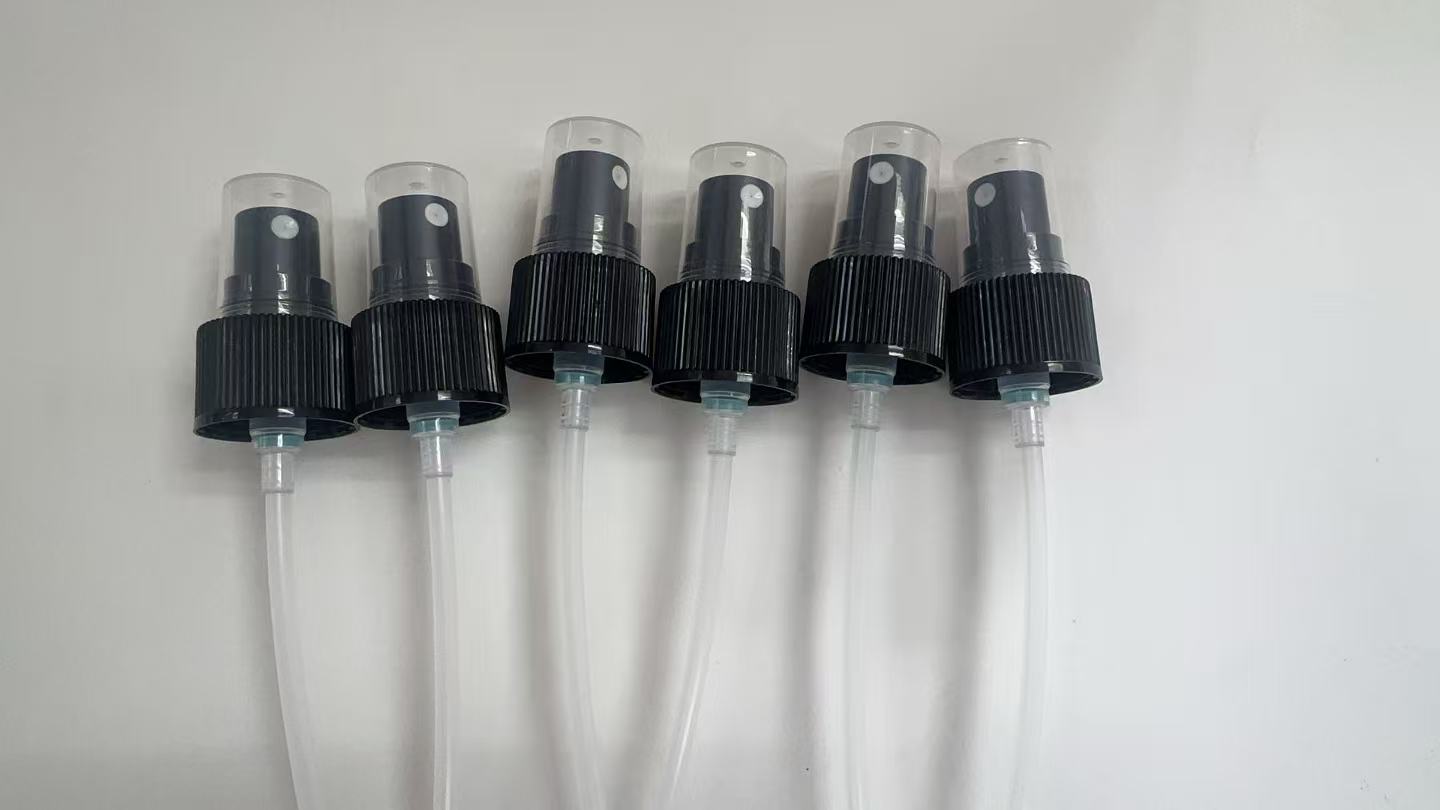
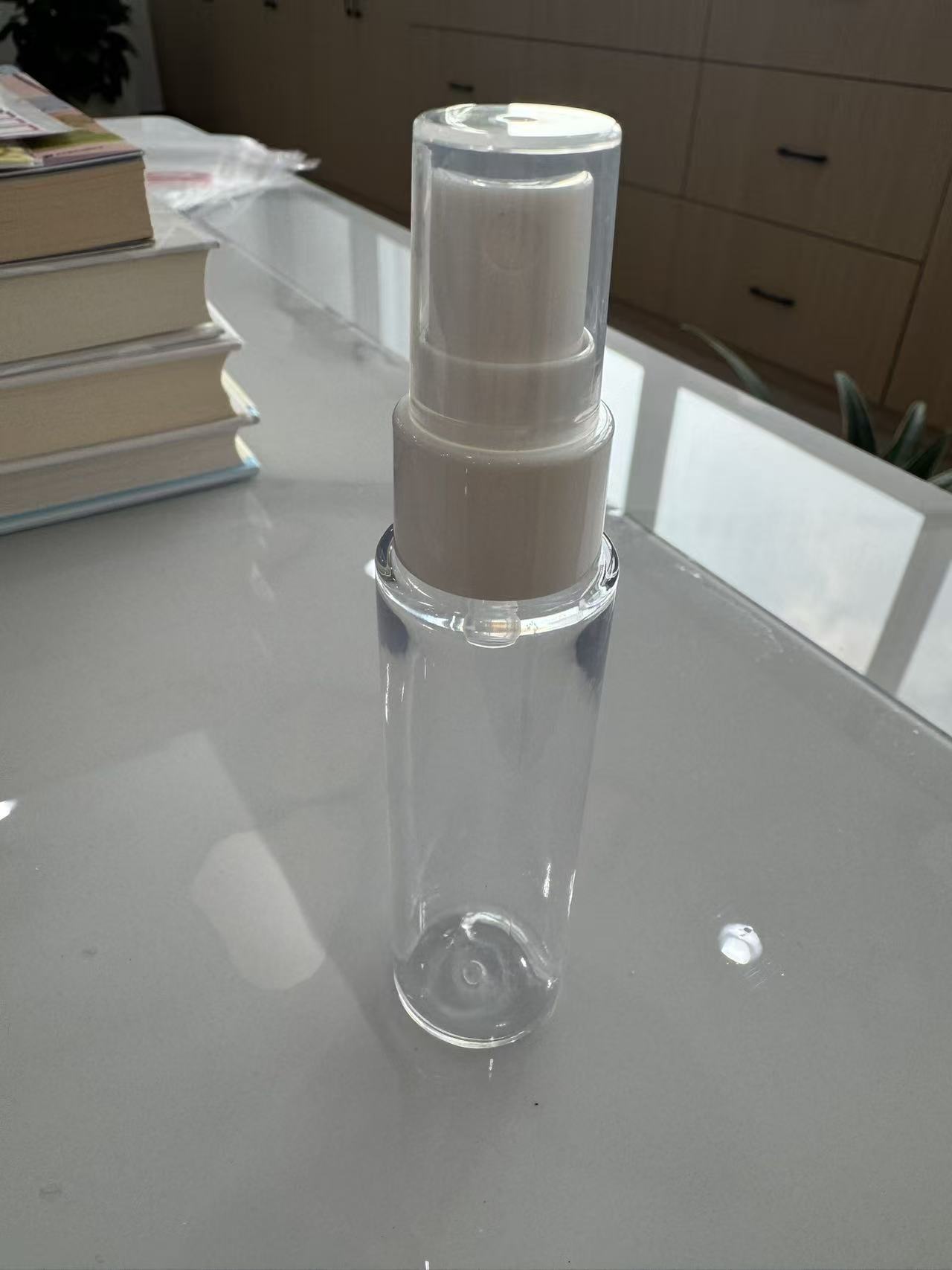
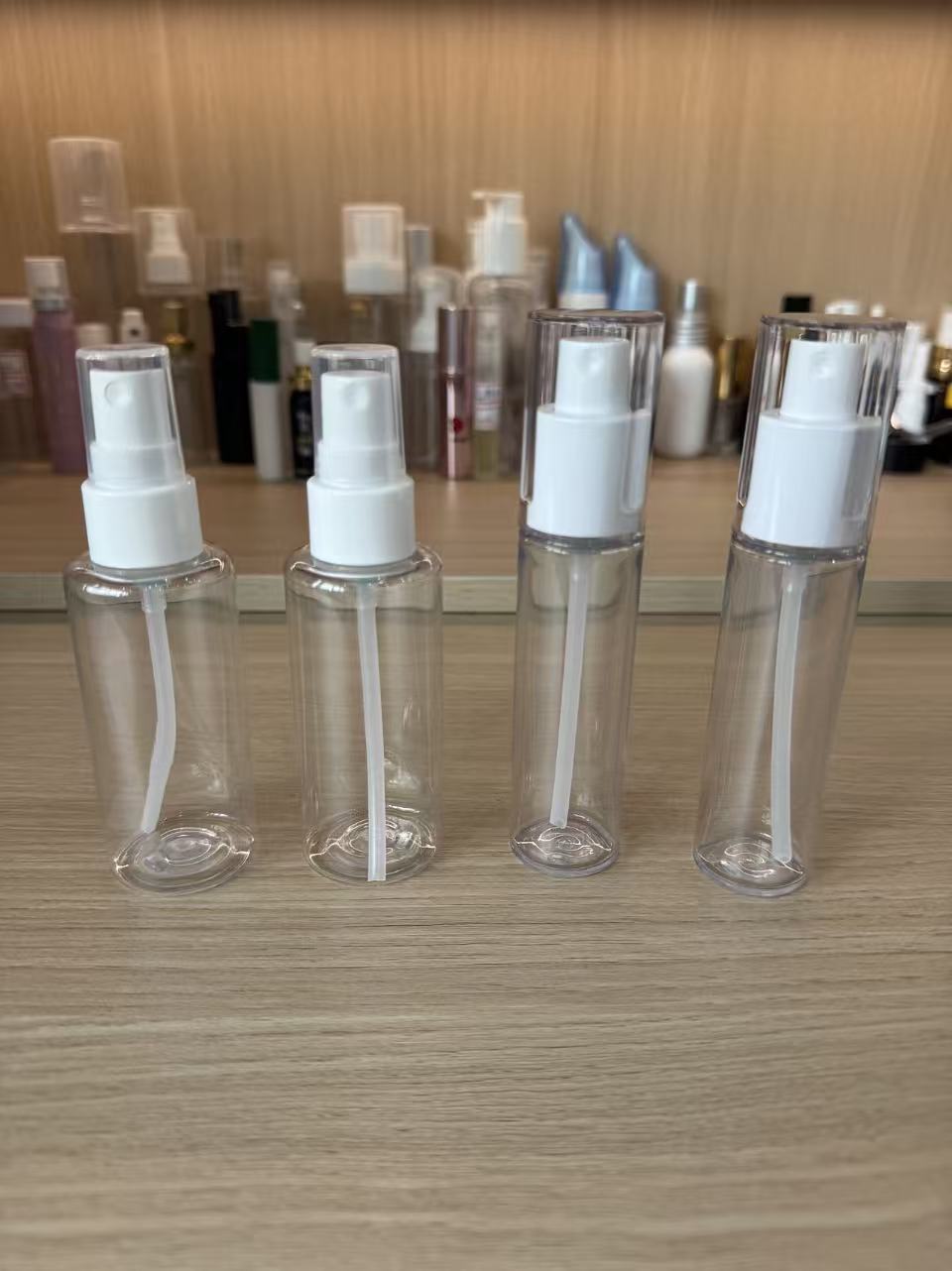
Ask the supplier to inspect the supplied attachment arrangement and confirm the intended component pairing. Compare unused samples from the same delivery with retained assemblies that have a known satisfactory history. Record visible differences without assigning an internal dimension from appearance.
If an assembly-process issue is suspected, review the relevant operation using the established procedure. If a different connection or tube is proposed, identify it as a new candidate. Avoid glue, heating or other improvised repairs that change contact materials and make the original evidence unusable.
- Keep all detached parts in one labelled set.
- Identify tube and sprayer supply references.
- Record filling and later opening history.
- Preserve unused comparison parts.
Verify the corrective scope
McKernan treats tubing as a matched packaging component. Ask the supplier to identify the supplied connection and review the intact affected set. Request a corrective candidate with a clear reference if the attachment arrangement changes, preserving the earlier sample for comparison.
For SP-LP-200, the tube is confirmed as PP, but that alone says nothing about the correct attachment dimensions or retention behavior. Ask for the proposed arrangement and the supplier's evidence request. Evaluate the corrective assembly through the relevant handling and dispensing sequence, and carry the new reference into the order if selected. Record what changed so receiving can identify the accepted parts.
Include tube handling before filling
Ask whether the detached tube had been removed or reinserted during staging. That history may guide examination without proving responsibility. If handling is part of the normal process, the proposed arrangement needs evaluation through that process rather than only as an untouched supplier sample.
Sources & further reading
Use the references below alongside the selected component drawing and agreed sample plan. Product-specific claims need product-specific evidence.
PRODUCT REFERENCES
Components to discuss with your supplier.
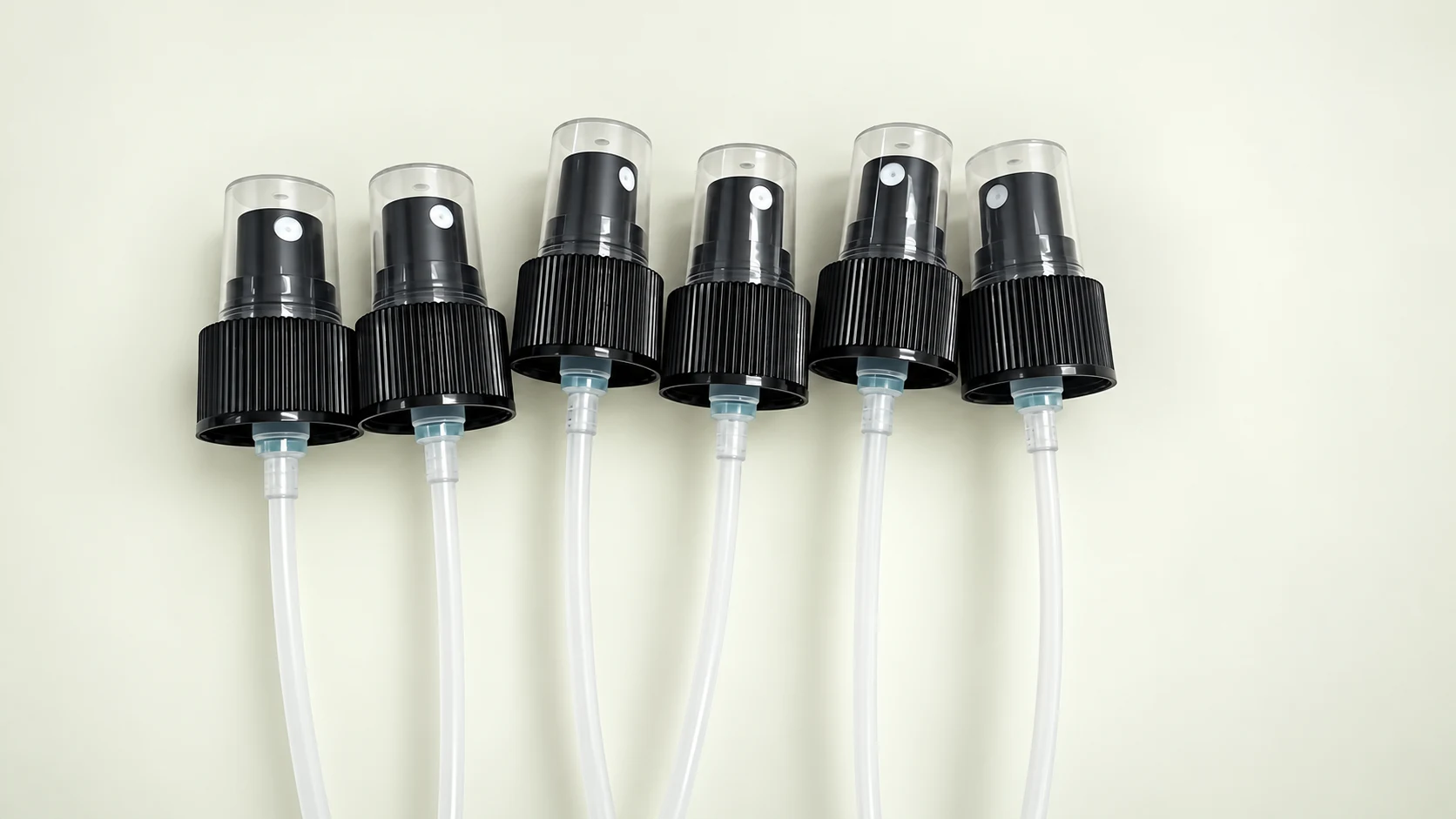
These references share the component type discussed here. Confirm the selected assembly and application with samples.
Related articles
VIEW THE COMPONENTS