THE DECISION IN BRIEF
Our prototype uses a handmade collar and stock engine. What can we safely approve from it?
Approve only the questions the prototype represents, such as visual direction. Record substitutions and obtain production-intent evidence for fit, operation, decoration and assembly before production release.
List what is provisional
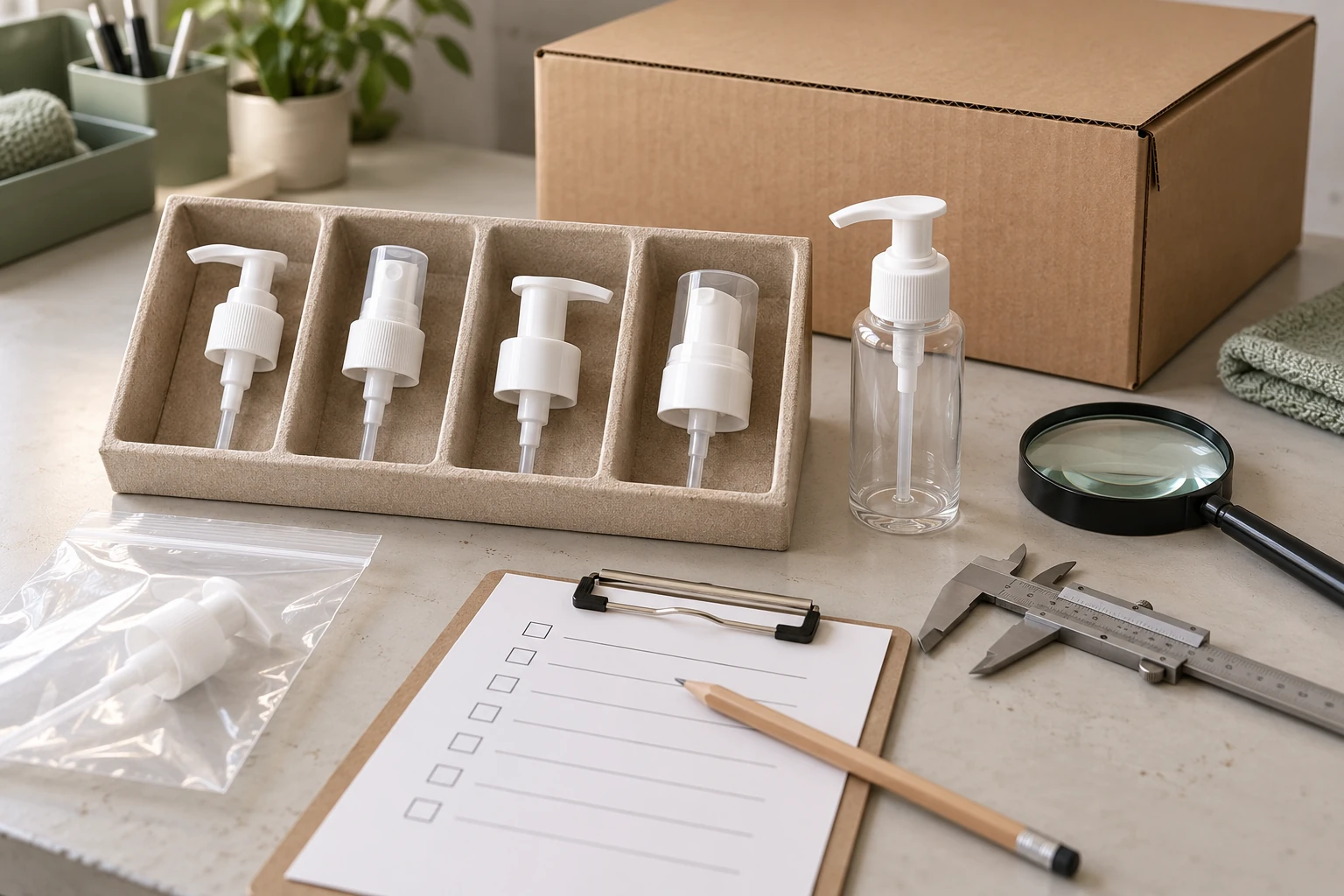
Ask the supplier to identify prototype materials, manufacturing methods, internal engine, tube and decorative treatment. Mark any hand modification. A sample can answer useful questions while remaining unsuitable as a full production reference.
Mark borrowed stock parts and temporary combinations on the development sample. Ask the supplier which engine, actuator, closure and tube will be supplied in production, and identify any difference before the line trial.
Assign an approval purpose
Avoid one broad “approved” stamp. Give each review a specific scope and remaining evidence requirement.
- Visual direction: proportions, general colour relationship and brand fit.
- User task: only where grip and movement represent the intended design.
- Technical fit: production-intent interfaces and material required.
- Formula performance: selected engine with representative bulk required.
- Manufacturing: intended components and process required.
Preserve learning without overstating readiness
Use prototype feedback to refine the brief. If users cannot understand the opening action, that finding can be valuable before tooling. But identify whether the prototype's lock and grip reproduce the planned production mechanism before treating the observation as definitive.
Request a development plan showing which samples will close the remaining questions. Production-intent decoration may arrive at a different stage from engine approval; keep the records connected without pretending they are interchangeable.
When the final sample arrives, compare it with the approved visual direction and independently complete the relevant technical review. Do not assume earlier acceptance transfers to a changed material, engine or attachment.
Retain the prototype as historical context with its status clearly marked. The current production reference should carry its own identity and evidence. This prevents an attractive early mock-up from becoming a competing standard when later production parts inevitably differ in details that were provisional from the start.
Keep approval comments attached to the sample identity so a visual acceptance cannot be mistaken for authorization of provisional internal parts.
Sources & further reading
Use the references below alongside the selected component drawing and agreed sample plan. Product-specific claims need product-specific evidence.
PRODUCT REFERENCES
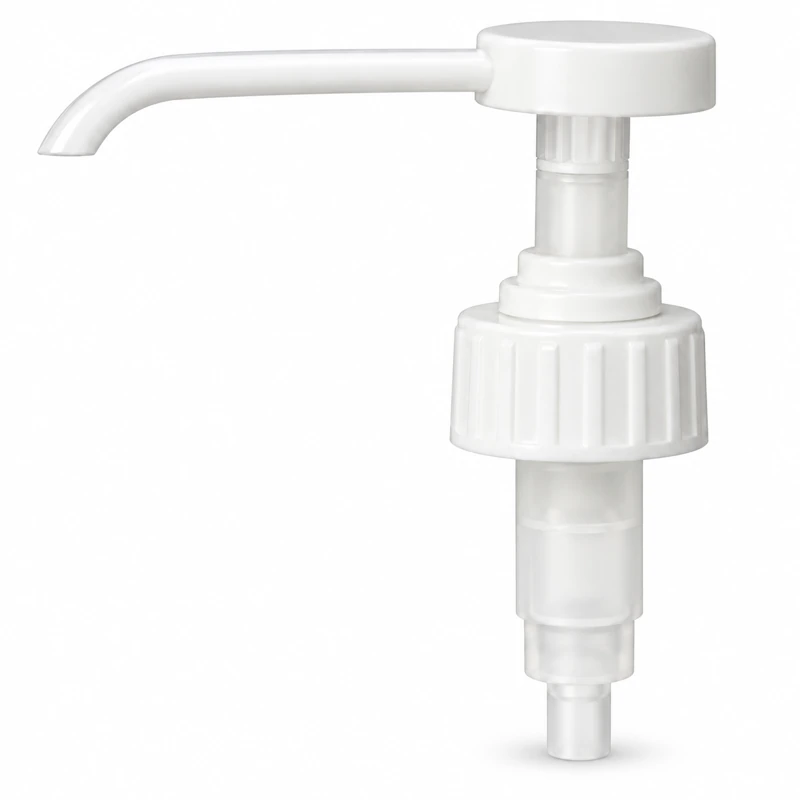
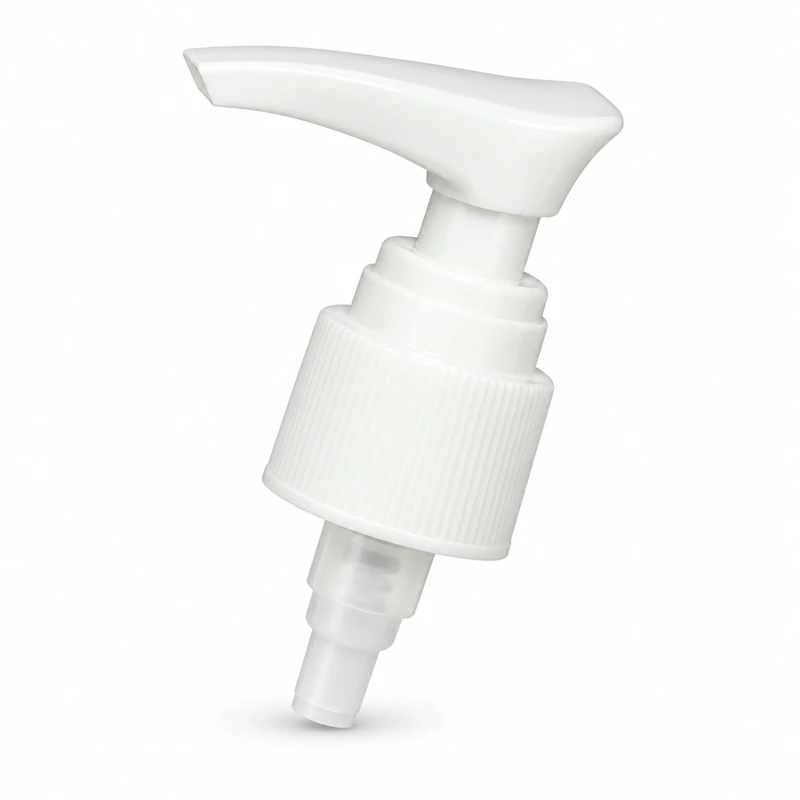
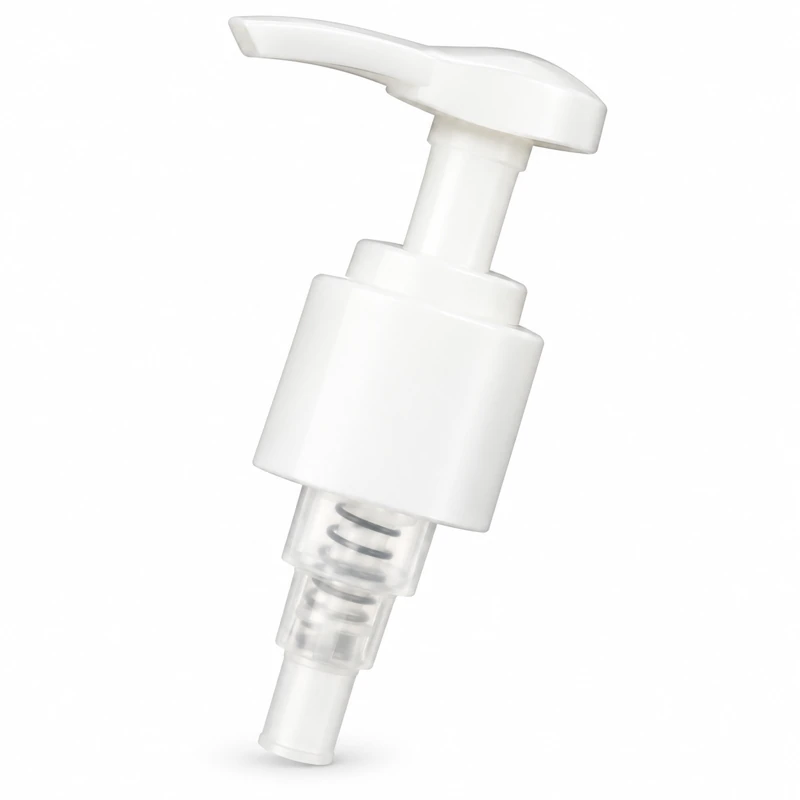
Components to discuss with your supplier.
These references share the component type discussed here. Confirm the selected assembly and application with samples.
Related articles
VIEW THE COMPONENTS