THE DECISION IN BRIEF
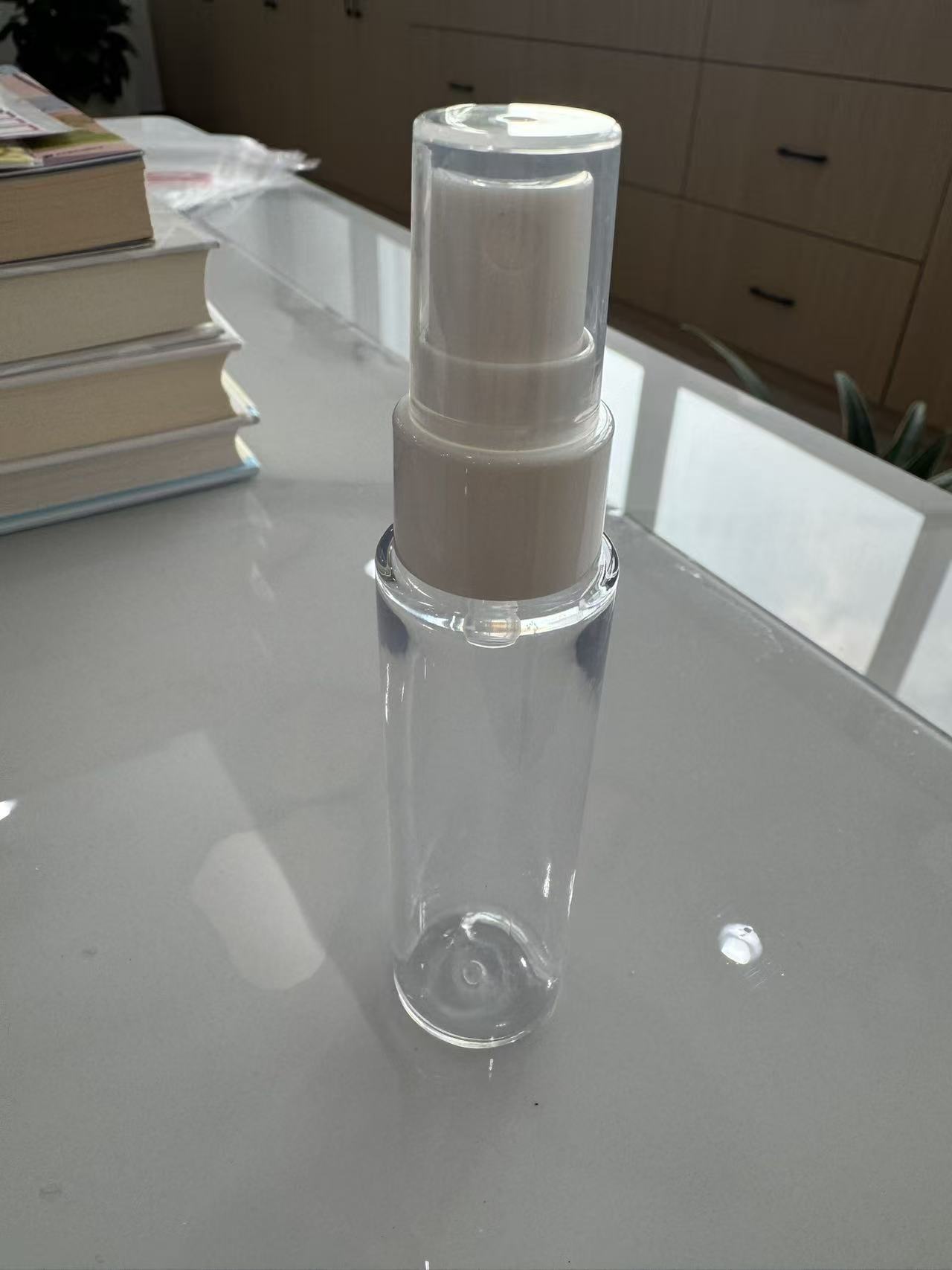
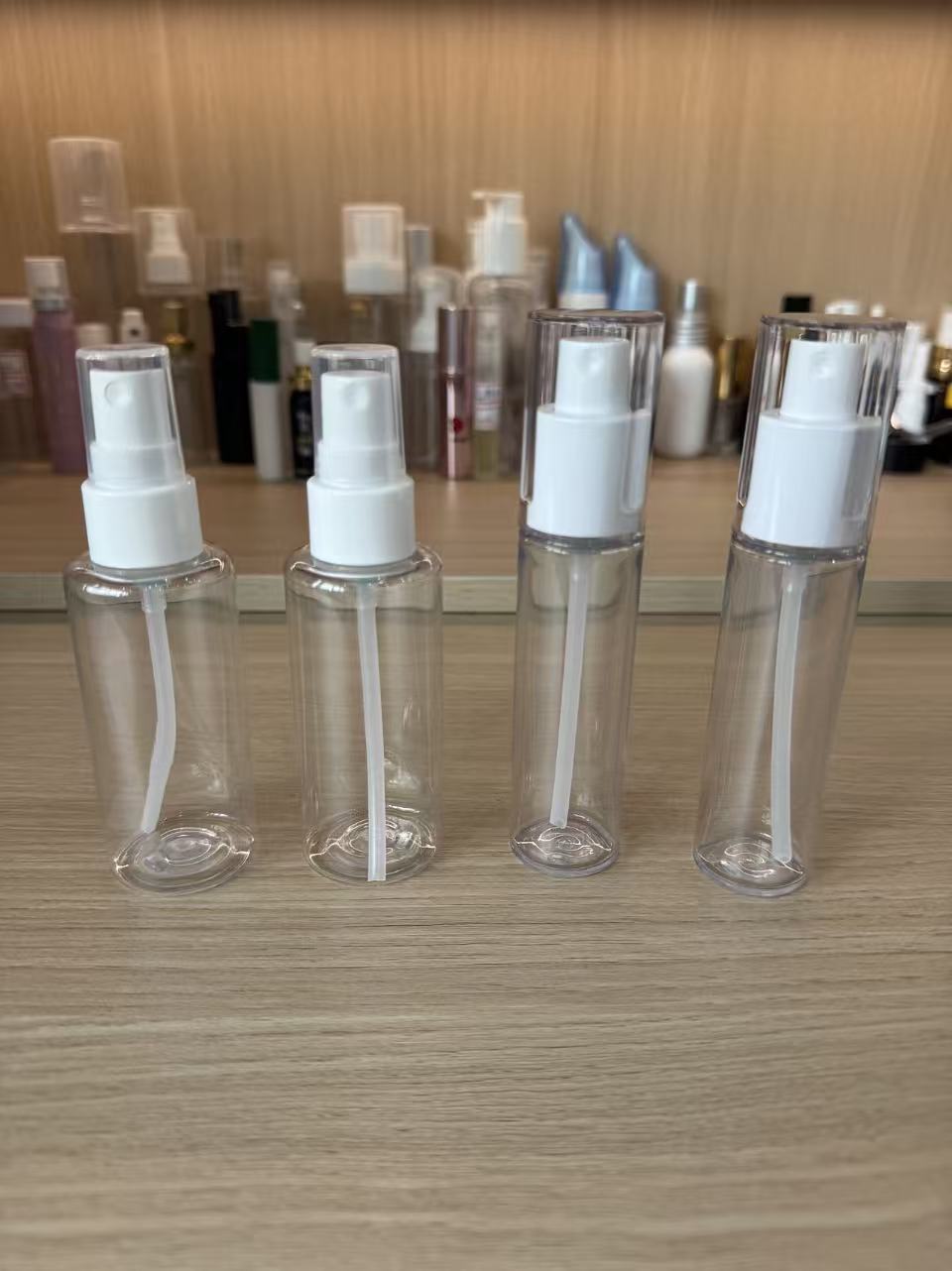
Our protective cap seems to press on the oil sprayer head; should we keep it for shipping?
Confirm the intended cap–actuator pairing and observe contact on an intact assembly. Request a corrected protection sample before treating the cap as suitable for shipping.
Preserve the contact evidence
Photograph the cap fitted on the intended bottle and record whether it seats as the supplier describes. Note resistance, marks and any liquid observed after fitting. Keep used and unused assemblies separate because previous spraying can introduce residue unrelated to cap pressure.
Do not repeatedly force the cap into place to make it look fully seated. Ask the supplier to identify the intended seating condition and whether the supplied cap belongs to the quoted actuator.
Compare an untouched and an operated sample
Use matching filled assemblies and a defined cap-fitting procedure. Observe whether contact or wetness appears before any dispensing and whether it differs after the normal task. Record the cap reference and the actuator's resting position.
If the cap arrangement changes the head position, ask the supplier for examination and an identified alternative. If the cap is clear of the head but residue remains, investigate transfer from the outlet instead. The observations guide the next question without proving an internal leakage mechanism.
- Confirm cap and head part references.
- Record the intended seating condition.
- Photograph marks before repeated fitting.
- Keep unopened and used histories distinct.
Select protection that supports the package
Silgan's integrated-lock example treats protection as a defined feature. Request the actual protective arrangement proposed for this assembly, with cap and actuator references. Evaluate its seating and contact in the filled package rather than selecting protection from an appearance sample.
Evaluate any replacement cap or proposed transport arrangement with the intended bottle, formula and packing method. A larger cap may affect carton fit or user removal, while another mechanism may need a new compatibility review. Preserve the selected combination in purchasing rather than describing it only as the standard protective cap. Shipping suitability needs evidence for that complete arrangement.
Check packing compatibility
A corrected cap may extend farther or seat differently from the original sample. Compare it in the proposed carton before release. Otherwise a fit improvement at the actuator can introduce new contact in distribution. Keep cap geometry and packing arrangement linked in the corrective sample record.
Sources & further reading
Use the references below alongside the selected component drawing and agreed sample plan. Product-specific claims need product-specific evidence.
PRODUCT REFERENCES
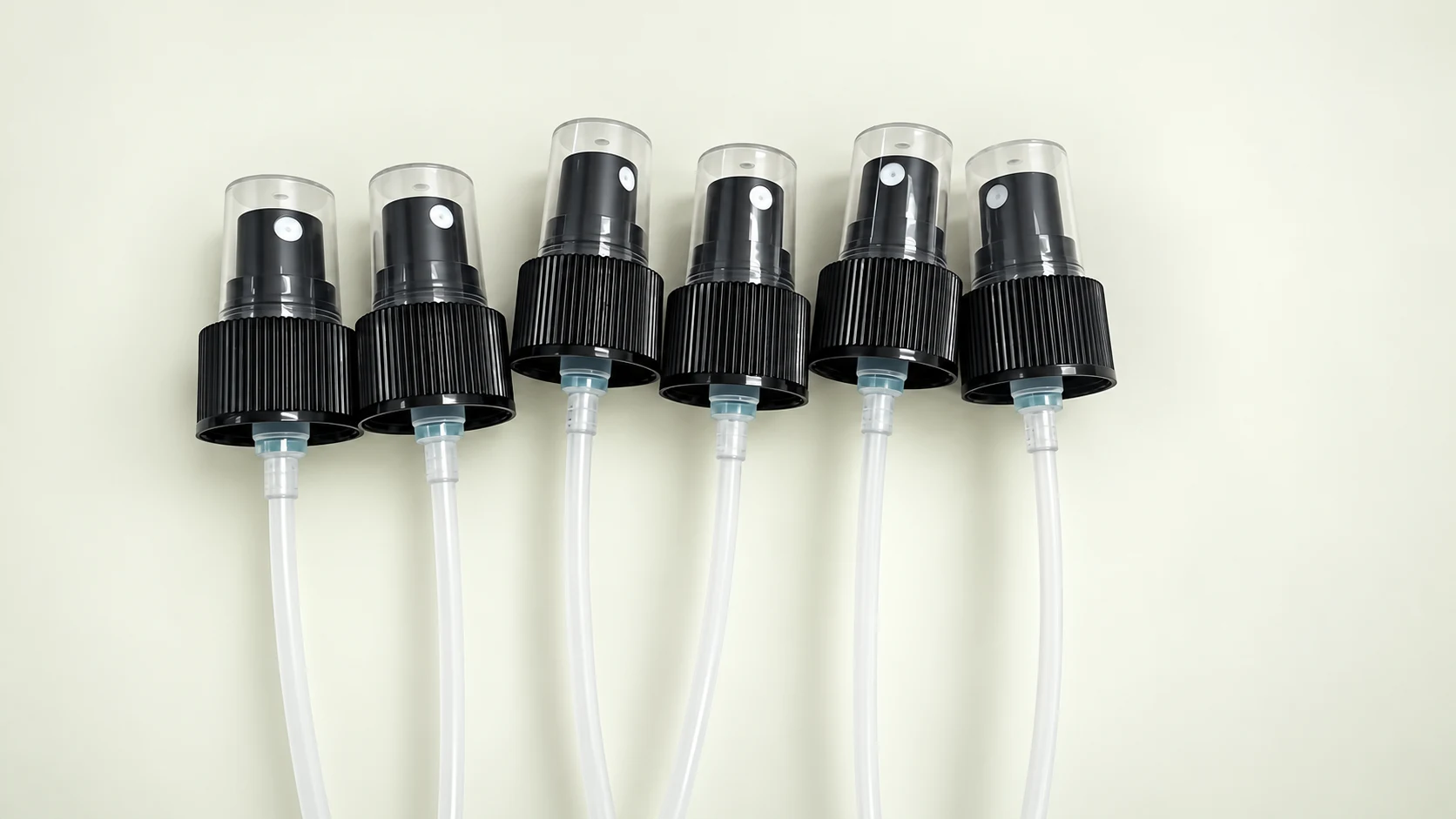
Components to discuss with your supplier.
These references share the component type discussed here. Confirm the selected assembly and application with samples.
Related articles
VIEW THE COMPONENTS