THE DECISION IN BRIEF
Can we market our existing oil sprayer bottle as refillable without changing the dispenser?
Treat refill use as a new product scenario. Define opening, refilling, cleaning if proposed and repeated operation, then evaluate the complete sequence with the supplier.
Define what refillable means for this product
A refill proposal can involve adding the same formula, changing variants or using customer-supplied liquids. Those are different scopes. Ask the product owner to define the intended refill and exclude unsupported improvisations from the approved scenario.
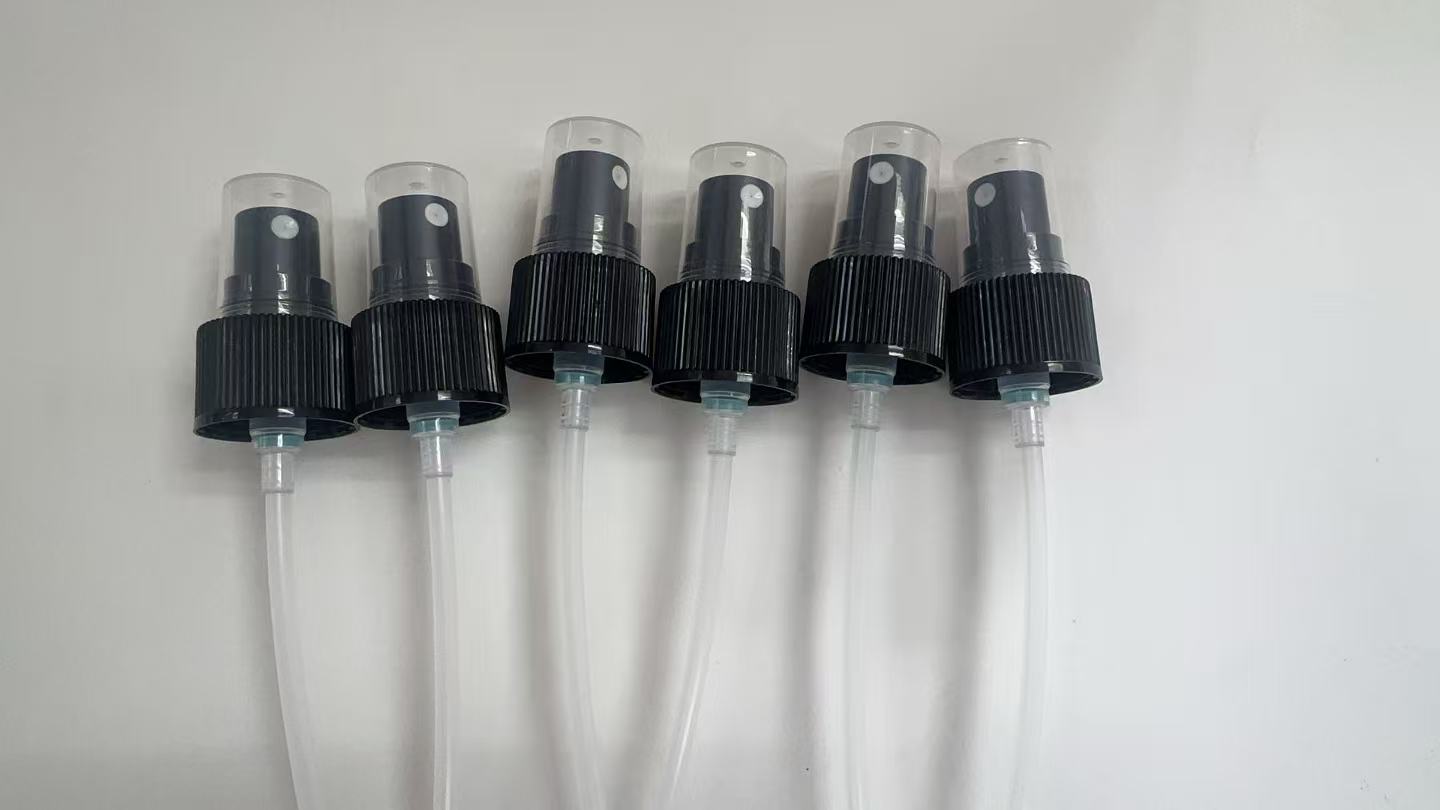
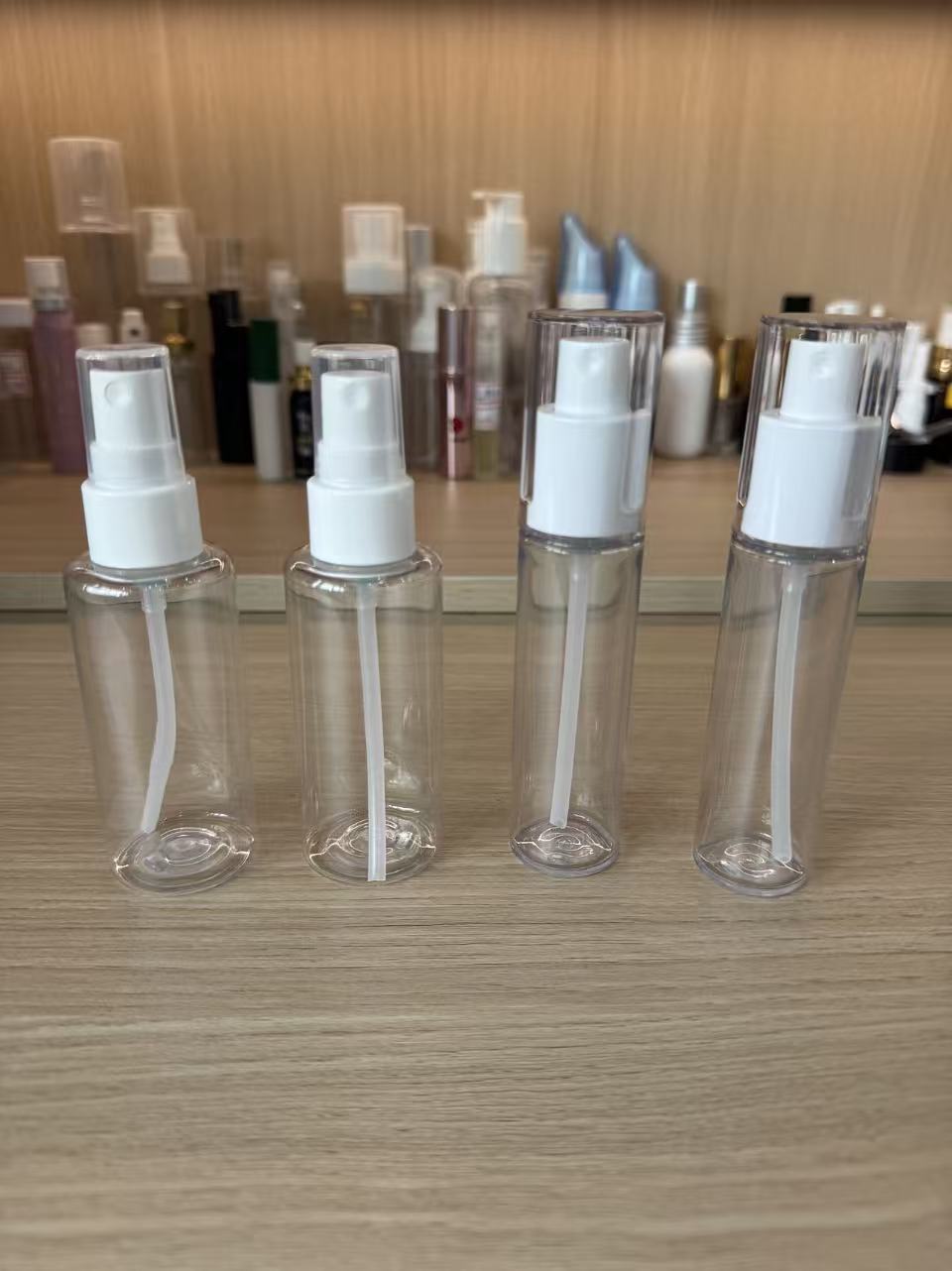
Identify how users open the package, handle the tube and reassemble the closure. Do not assume that a package approved for one fill has been evaluated for repeated removal. Avoid adding a cleaning instruction unless its materials and method have been reviewed separately.
Compare the intended reuse sequence
Use identified assemblies and the actual refill formula. Observe opening, handling, refilling, reassembly and subsequent dispensing under an agreed plan. Record user difficulties and deviations before providing coaching.
- Define the permitted refill formula.
- Identify all removal and reassembly steps.
- Review any proposed cleaning method separately.
- Record dispensing after the complete sequence.
Coordinate the process owner
If performance changes after reassembly, investigate the interface and handling sequence. If users mix formulas or lose protective parts, review the design and instruction rather than attributing every issue to misuse. Do not invent a universal number of refills that the assembly should survive.
Decide whether the claim fits the evidence
Aptar's package information identifies actual formula and container variables. Give the supplier the proposed refill sequence and the permitted refill reference. Ask which configuration or handling change should be evaluated before the product team extends its reuse claim.
Ask the supplier to review the scenario and propose a configuration if needed. A different closure or tube arrangement may deserve evaluation, and a separate refill accessory could change the user task. Preserve the accepted sequence with the package references. The commercial claim should follow demonstrated use, not turn the existence of a removable sprayer into an assumed reuse guarantee.
Observe tube handling at refill
Watch whether the tube touches surrounding surfaces or becomes difficult to guide into the bottle during the proposed refill sequence. Record the event without inventing a cleaning remedy. A different opening or component arrangement may deserve consideration if correct reassembly depends on handling users cannot reproduce comfortably.
Sources & further reading
Use the references below alongside the selected component drawing and agreed sample plan. Product-specific claims need product-specific evidence.
PRODUCT REFERENCES
Components to discuss with your supplier.
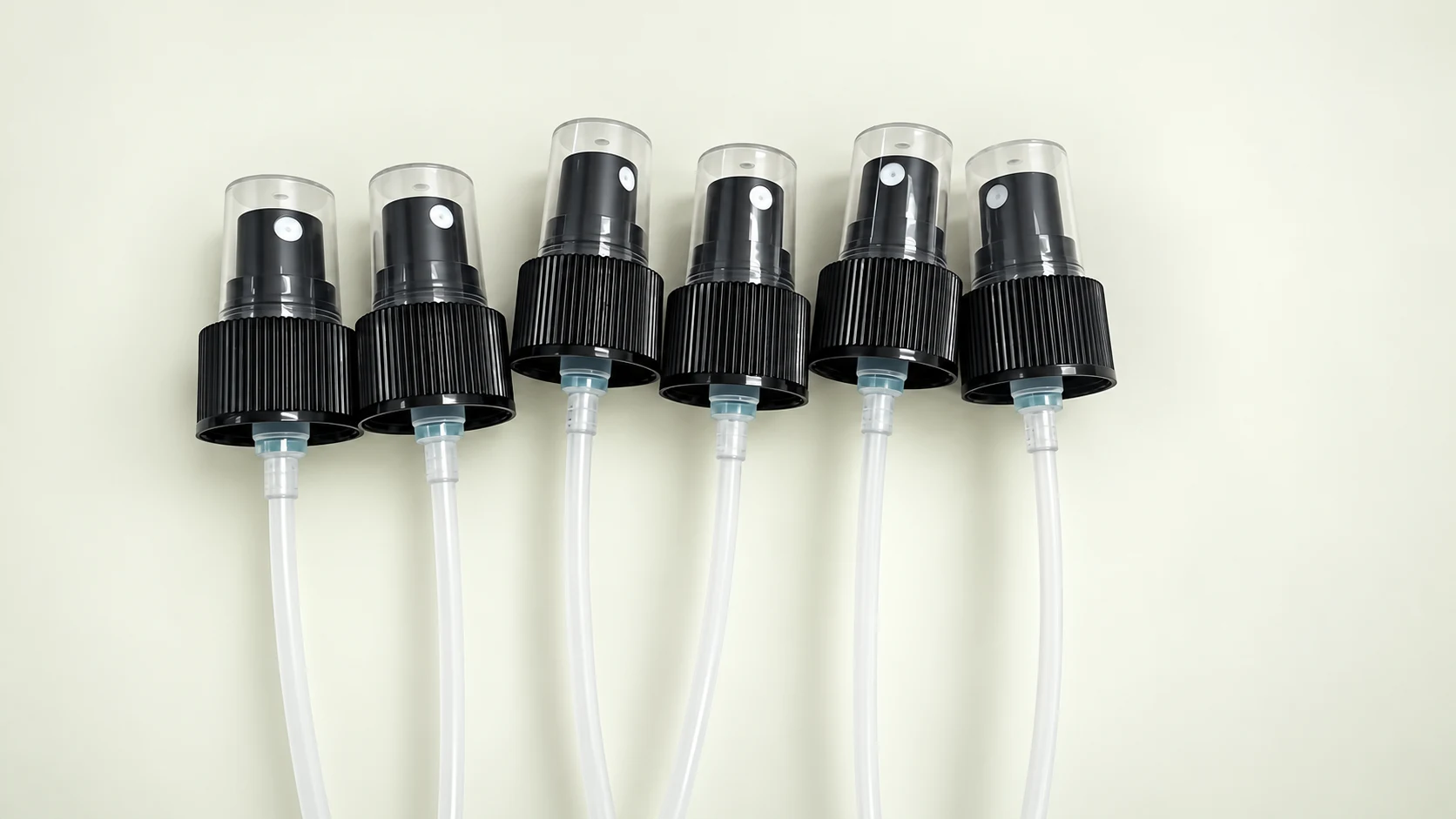
These references share the component type discussed here. Confirm the selected assembly and application with samples.
Related articles
VIEW THE COMPONENTS