THE DECISION IN BRIEF
We suspect our oil sprayer is pressed inside its shipping carton; how do we verify the next correction?
Preserve the packing arrangement, map contact with the moving head and compare a defined revised pack. Keep leakage observations separate from suspected actuation.
Map what touches the actuator
Photograph the original carton, dividers and neighbouring products before repacking. Identify where the actuator, cap or collar can meet another surface. Note evidence of movement or damage without concluding that every wet bottle was accidentally operated.
Record whether the sprayer was fitted, protected or packed separately. Recover the packing instruction and compare it with the actual shipment. A carton sample arranged neatly after unpacking may not represent the original contact points.
Compare one packing change at a time
Develop a corrective proposal with the packaging owner. Where practical, change the relevant support or clearance while keeping the bottle and sprayer configuration fixed. Evaluate the complete filled pack through the agreed distribution scenario.
If wetness continues without the suspected contact, preserve the result for broader investigation. If the revised pack remains dry, still operate the sprayer afterward and record whether protection was displaced or damaged. One observation should not be promoted to a universal transport guarantee.
- Preserve the original packing layout.
- Identify likely contact surfaces.
- Record protection status before evaluation.
- Check post-evaluation dispensing and unpacking.
Choose protection with evidence
Silgan's integrated-lock feature illustrates a specific protection choice. Ask STDPAK to review the proposed arrangement against the mapped contact points. Preserve the protection references and carton layout together so the next comparison evaluates the same corrective hypothesis.
Ask STDPAK to review the proposed protection arrangement for the actual model. A clip, cap or packing divider may introduce new handling or clearance requirements. Record the selected part references and carton layout together. This makes the correction reproducible and prevents later substitutions from silently removing the protection that was evaluated.
A divider or protective part may prevent contact in transit but be difficult to remove cleanly. Observe unpacking as part of the correction. If users pull on the actuator or disturb the closure to remove protection, the new arrangement may create another package issue that a transport-only observation misses.
Sources & further reading
Use the references below alongside the selected component drawing and agreed sample plan. Product-specific claims need product-specific evidence.
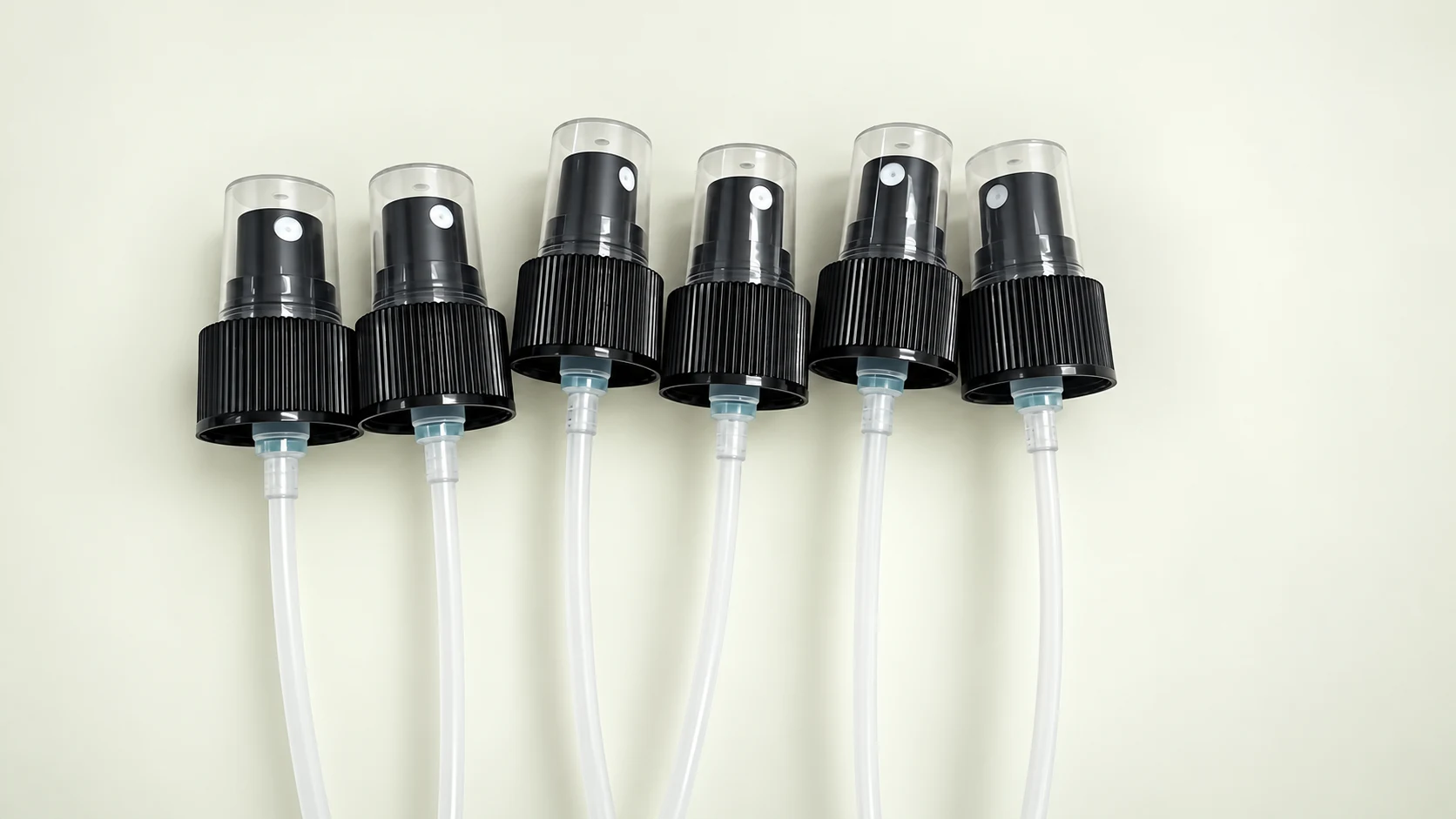
PRODUCT REFERENCES
Components to discuss with your supplier.
These references share the component type discussed here. Confirm the selected assembly and application with samples.
Related articles
VIEW THE COMPONENTS