
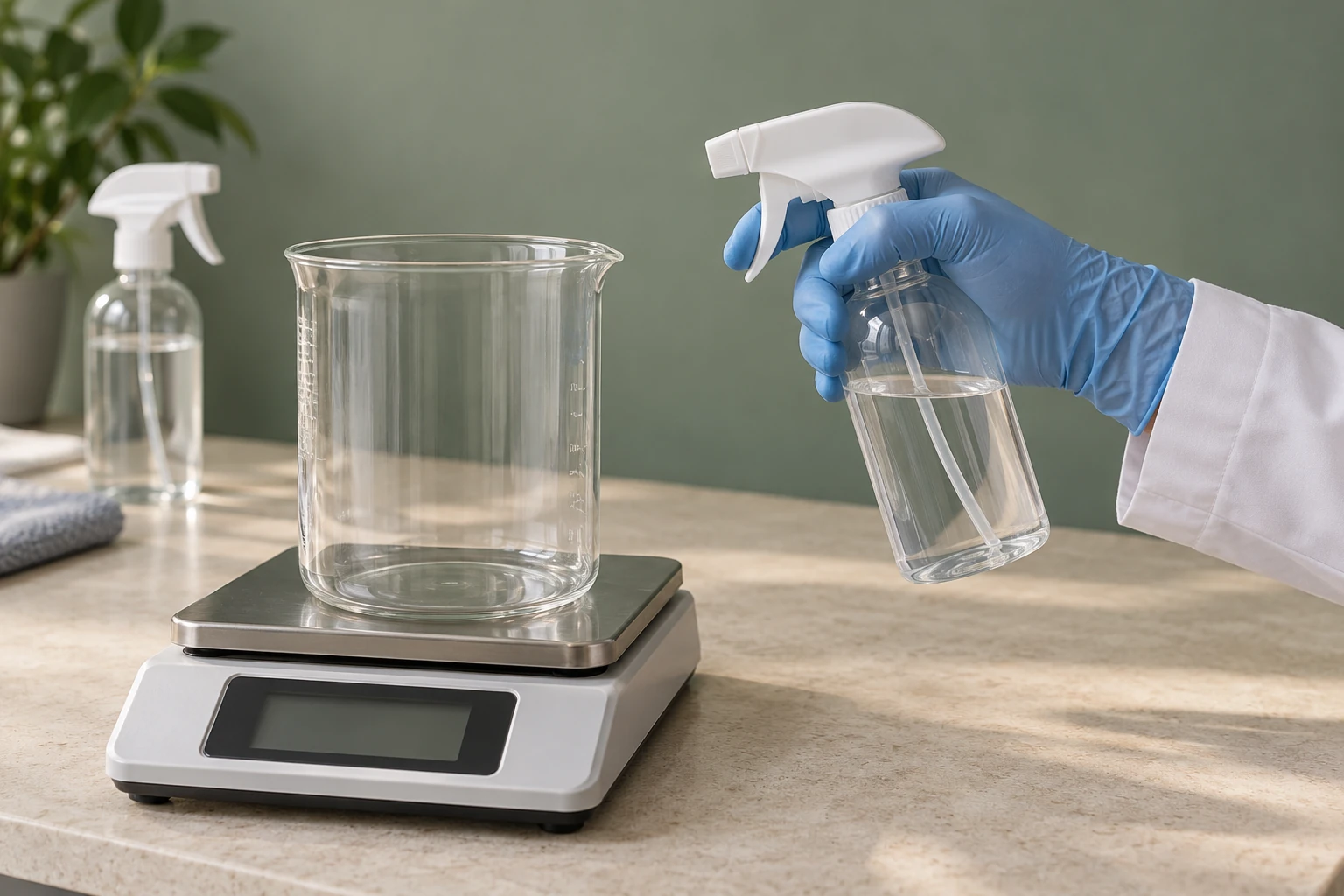
THE DECISION IN BRIEF
The trigger feels comfortable by itself, but users dislike the filled bottle; how should we compare alternatives?
Evaluate the filled bottle and trigger as one assembly during the intended task. Observe grip, reach, control and repeated use across relevant users before deciding whether the bottle, trigger or output needs to change.
The hand holds a package, not a component
A loose trigger sample can show surface texture and lever movement, but it cannot reproduce the weight and balance of a filled bottle. Assemble candidates on the intended bottle and use the actual formula where appropriate under the product's handling instructions. Include fill states that represent normal use so the comparison does not depend only on a full package.
Describe the task before inviting preferences. A person treating a large surface may repeat the action differently from someone applying product to a small detail. Include expected orientation, reach and whether gloves are part of the real use case. Avoid claiming ergonomic superiority from a brief squeeze at a purchasing desk.
Watch behavior before asking for a rating
Observe how users position their fingers, support the bottle and return it to storage. Record whether they shift grip, support the bottle with the other hand, struggle to complete the stroke or lose track of nozzle position. These observations help explain a comfort rating and point toward a component or package change.
Silgan highlights Vela's wide, textured trigger and ergonomic design. Those published features suggest useful comparison questions, but they do not prove that the design is comfortable for your users or on a different bottle. Request samples of the proposed STDPAK configuration and observe the same task for each candidate.
Use a handling checklist
A simple shared observation sheet keeps a trial focused. Separate the operator's description from the observer's interpretation, and note any unusual handling conditions.
- Reach: can the user engage the trigger while keeping a stable hold on the intended bottle?
- Grip: does the filled package require frequent repositioning or support from the other hand?
- Repeated action: does the user change technique, shorten strokes or pause during the representative task?
- Control: can the user place product where intended without awkward wrist or bottle positioning?
- Settings: can the user find and operate the intended nozzle or lock position?
- End of use: can the package be put down and stored using the proposed instructions?
Separate comfort, output and pattern
If users stop completing strokes, investigate the circumstances rather than assuming the return spring is the only issue. Bottle shape, reach, task duration and formula behavior may all affect the observed technique. Ask the supplier to review the traceable assembly and compare a defined alternative. Do not infer actuation force from catalog output or a photograph.
A higher-output option may reduce repeated actions for some tasks but can also change control and the amount deposited. Evaluate useful coverage and product consumed alongside handling. A comfortable trigger that leads to excessive local application may not serve the product instructions, while a smaller dose may require more repetition than users expect.
Make the preference reproducible
Record which users and conditions were represented without treating a small internal trial as a universal human-factors claim. Preserve the filled-bottle reference, trigger configuration and task instructions. Where users disagree, examine their grip and task differences before averaging away a meaningful problem.
Select the assembly that best supports the intended use and document any limitations. If the preferred improvement is a bottle change, review fit, tube arrangement and package performance again. Ergonomics belongs in the overall approval record, alongside chemical compatibility and shipping evaluation, so a later substitution is considered in the context of the complete package.
Sources & further reading
Use the references below alongside the selected component drawing and agreed sample plan. Product-specific claims need product-specific evidence.
PRODUCT REFERENCES
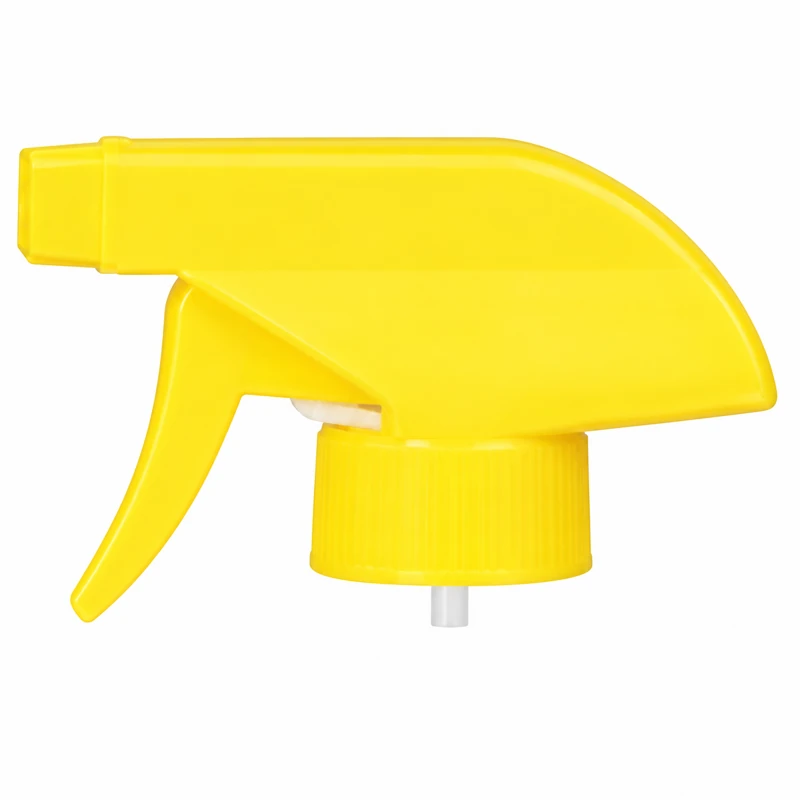
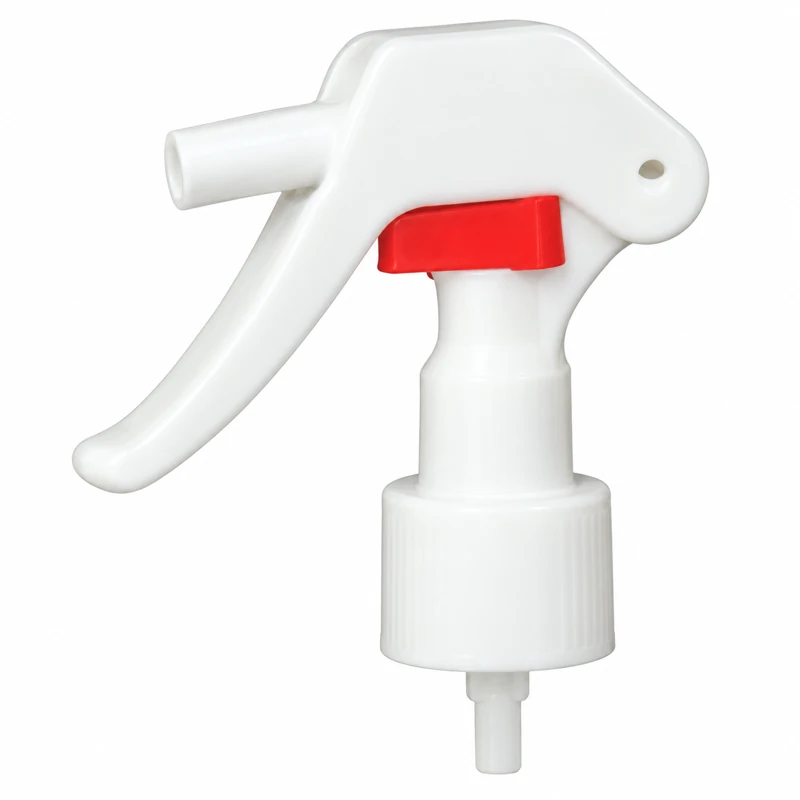
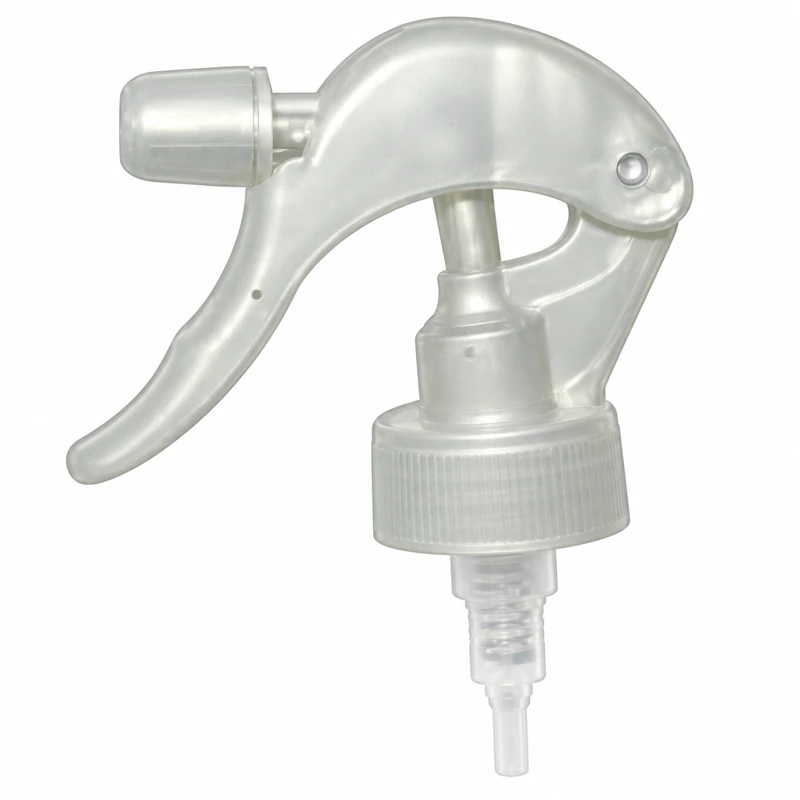
Components to discuss with your supplier.
These references share the component type discussed here. Confirm the selected assembly and application with samples.
Related articles
VIEW THE COMPONENTS