THE DECISION IN BRIEF
Our two-phase mist sprays differently depending on when users press. How should we approve it?
Agree the intended shaking and delay sequence with the product team, then evaluate the exact sprayer across that sequence and after storage.
Specify the user sequence
A shake-before-use instruction creates a time-dependent application. Ask the formulator to define the intended mixed state and practical instruction. Observe how users shake, pause, and press. A laboratory sample kept continuously mixed may not represent the liquid entering the pump during ordinary use.
Ask the supplier whether the selected construction is a suitable candidate for the separated product and what formula information it needs. Aptar's formula-dependent PZ1 insert selection illustrates why a generic fine-mist description is insufficient. Supply the real formula and intended use sequence for assessment.
Keep the sequence traceable
Choose timing conditions as project trial settings rather than presenting them as universal requirements. Use identified packs and a consistent method for documenting visible separation.
- Record the stored state before shaking.
- Apply the proposed shaking instruction consistently.
- Observe early sprays and later sprays after the intended pause.
- Repeat after another storage and use cycle.
Separate pumping from formula consistency
Ask the product team how to judge whether the delivered product meets its requirements. Spray appearance alone cannot establish that the mixture reaching the target has the intended composition. Any necessary analytical assessment belongs with qualified formulation and quality teams.
If the first sprays differ from later ones, consider the liquid retained within the dispensing path between uses. Changing the external nozzle may not solve that issue. Compare the exact construction and user sequence, and ask the supplier to explain what its proposed change is intended to improve.
Approve the instruction with the package
Do not finalize the label before determining whether the proposed sequence is practical. A complicated instruction that users repeatedly miss can undermine a technically passing laboratory trial. Compare a different package or formulation approach if the intended experience remains unreliable.
Release the formula, pump construction, shaking direction, storage conditions, and approval method together. Include repeated use and relevant low-fill behavior. Keep later ingredient or engine changes under review, because a familiar bottle and identical instruction do not guarantee the same behavior after a material revision.
Sources & further reading
Use the references below alongside the selected component drawing and agreed sample plan. Product-specific claims need product-specific evidence.
PRODUCT REFERENCES
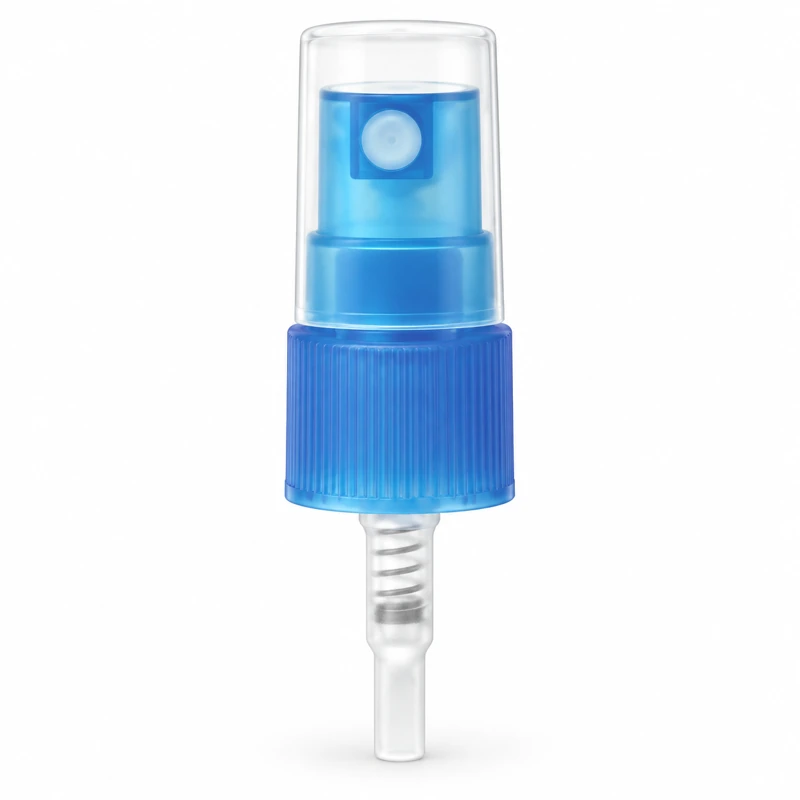
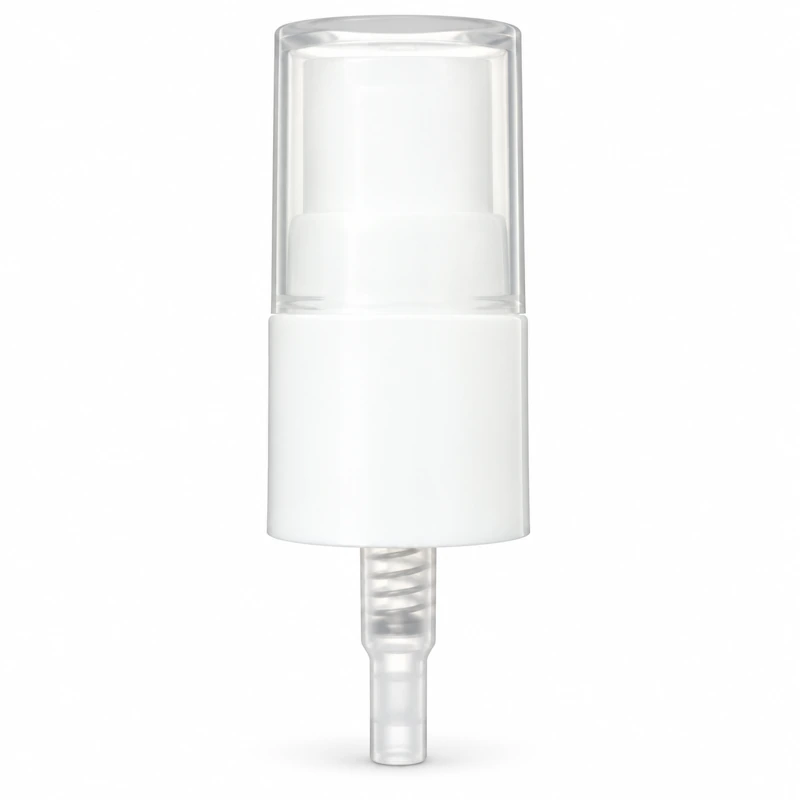
Components to discuss with your supplier.
These references share the component type discussed here. Confirm the selected assembly and application with samples.
Related articles
VIEW THE COMPONENTS