THE DECISION IN BRIEF
Our supplier's dip-tube length differs from our measurement; how do we resolve it before ordering?
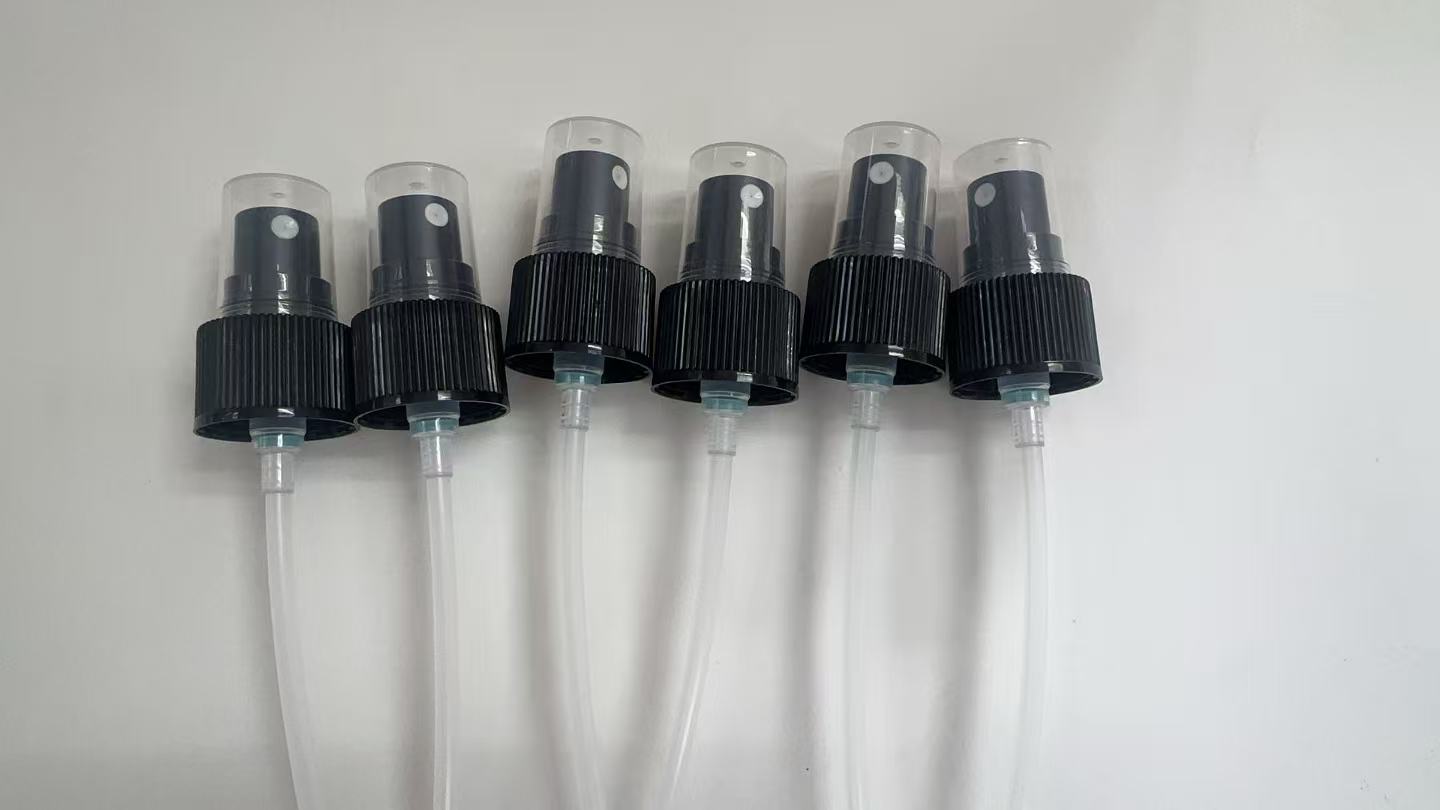
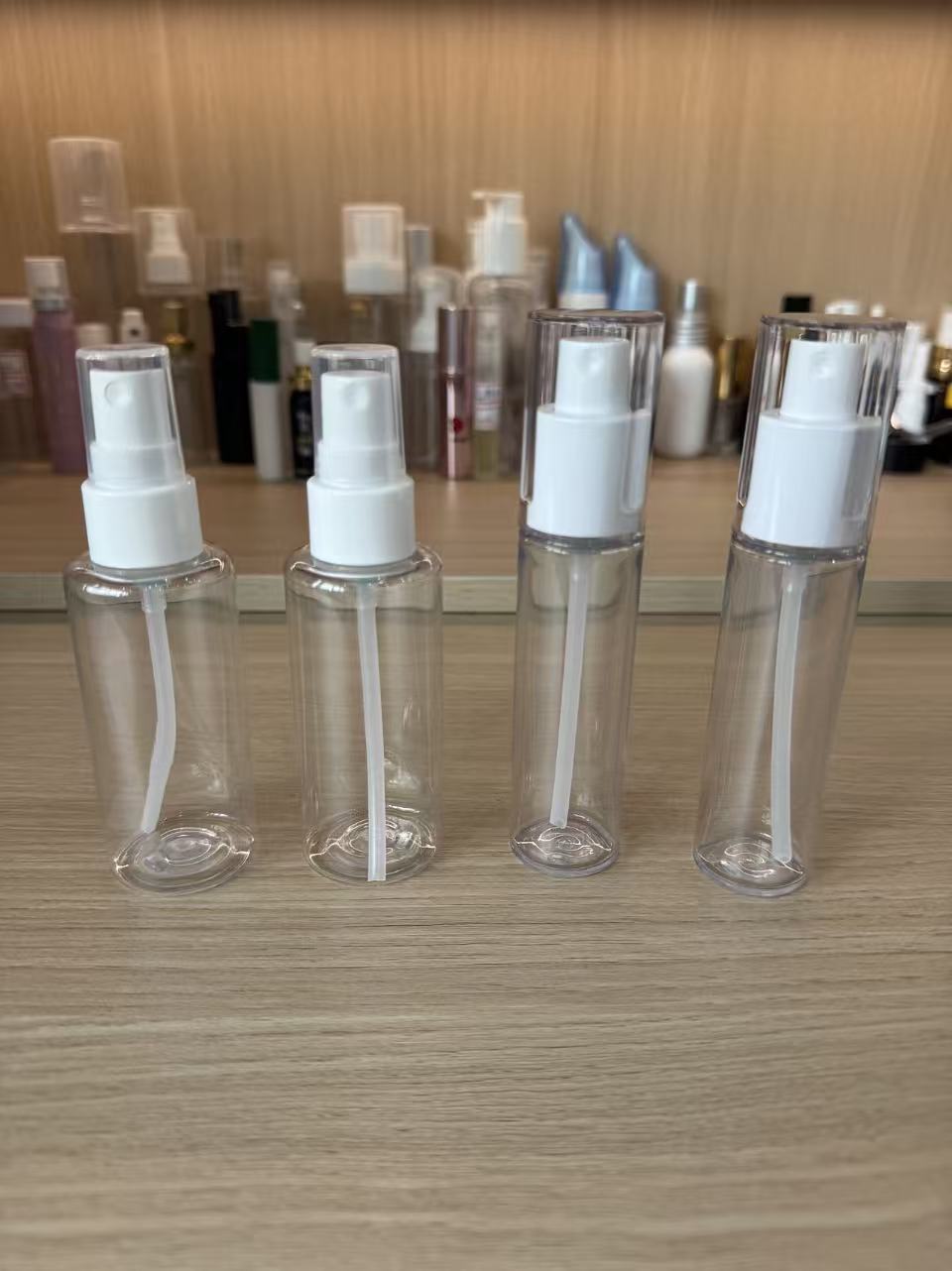
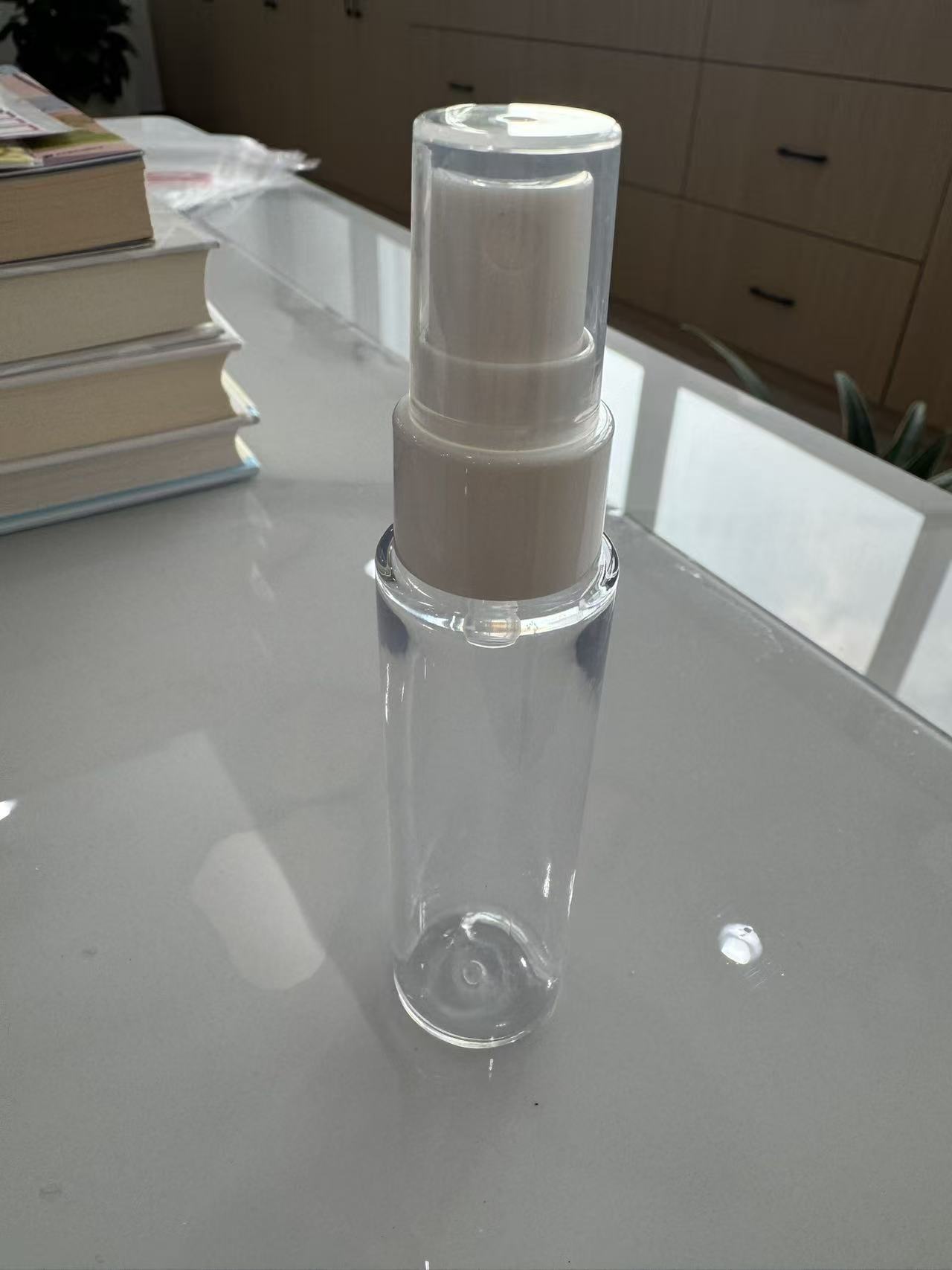
Agree the start datum, end-cut description and assembled reference. Compare annotated photographs or drawings before changing the numerical specification.
Identify what each number describes
A buyer may measure the visible tube while a supplier specifies a length from another reference surface. Recover both measurement methods before deciding that either part is wrong. Include units, instrument and how the tube was held during measurement.
Keep the physical sample linked to its recorded number. If several tubes have been removed from pumps, label them individually. A dimension without a sample identity can create a dispute that no later drawing resolves.
Close the specification rather than the argument
If the measurements reconcile after the datum is clarified, update the purchasing description so the ambiguity does not recur. If the physical lengths still differ, preserve both parts and request a defined corrective candidate.
For STDPAK SP-LP-200, confirmed PP tube material does not supply a finished length or measurement convention. Obtain those details for the intended bottle. The final record should let purchasing order and receiving identify the same geometry without relying on an employee's memory of how a sample was measured.
An end cut can make two length descriptions seem different even when the supplier intended the same overall arrangement. Ask both parties to mark the relevant points on an image of the actual part. Do not resolve the difference by rounding the dimension until the inlet position is understood in the assembled bottle.
Sources & further reading
Use the references below alongside the selected component drawing and agreed sample plan. Product-specific claims need product-specific evidence.
PRODUCT REFERENCES
Components to discuss with your supplier.
These references share the component type discussed here. Confirm the selected assembly and application with samples.
Related articles
VIEW THE COMPONENTS