THE DECISION IN BRIEF
Our loose oil sprayers wait in the factory before filling; what should we ask about storage and handling?
Obtain supplier guidance for the supplied configuration and preserve packaging, identity and handling records. Investigate changes in loose parts separately from filled-formula exposure.
Keep incoming condition visible
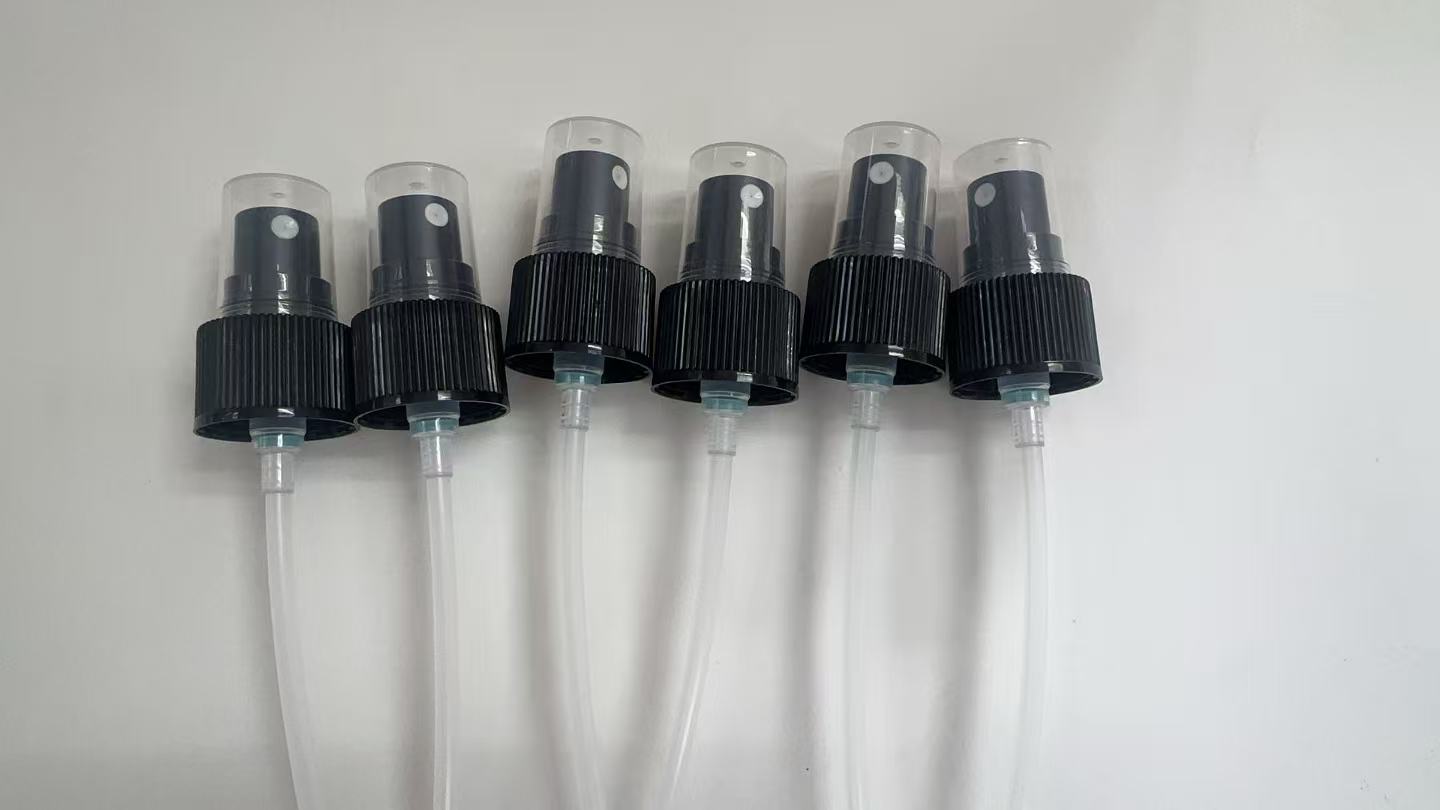
Record how the sprayers arrive, including protective packaging, labels and whether tubes or caps are supplied separately. Preserve a representative incoming sample before the filling team opens and mixes component containers.
Ask the supplier for handling and storage guidance tied to the actual parts. Do not invent a universal storage environment or shelf-life limit for loose sprayers. If the factory cannot meet the guidance, discuss that gap before assuming later filled-package testing will resolve it.
Review the local handling sequence
Follow the parts from receiving through staging and assembly. Note repacking, open containers, tube handling and any cleaning intervention. Keep observed appearance changes separate from conclusions about contamination or material degradation.
If a dispensing issue appears after extended staging, compare identified retained incoming parts with staged parts using the same formula and bottle. If the difference follows handling, investigate that sequence; if it does not, preserve the uncertainty and review the filled assembly.
- Retain original labels and configuration references.
- Avoid mixing unidentified deliveries.
- Record repacking and handling interventions.
- Keep unused incoming references available.
Decide which practice needs control
McKernan emphasizes sampling and matching packaging components. Ask for storage and handling guidance tied to the supplied parts, then compare it with the factory sequence. Where practice differs, select a reviewable corrective proposal instead of assigning an unsupported expiry date.
The corrective action may be clearer identification, a different staging arrangement or a supplier-reviewed protection method. Evaluate the proposed practice without asserting that every exposed part is defective. Keep factory procedures connected to the supplied configuration so a later cap or tube change is reviewed. A useful storage decision preserves reproducibility rather than adding an unsupported expiry date to loose components.
Document open-container intervals
Where parts are staged in open containers, record the actual handling sequence and supplier guidance rather than assigning an invented maximum exposure period. If identity or appearance becomes uncertain, preserve a comparison before introducing a new storage rule. The procedure should answer the observed risk with evidence from the relevant parts.
Sources & further reading
Use the references below alongside the selected component drawing and agreed sample plan. Product-specific claims need product-specific evidence.
PRODUCT REFERENCES
Components to discuss with your supplier.
These references share the component type discussed here. Confirm the selected assembly and application with samples.
Related articles
VIEW THE COMPONENTS