THE DECISION IN BRIEF
We want a cap that stays attached. What must a tethered mist cap prove?
Test the full opening, spraying, reclosing, and packing sequence. Approve a tether only if it remains practical and clears the outlet throughout intended use.
State the reason for retaining the cap
A tether can address cap loss, but it also adds a moving element near the user’s hand and spray path. Define the actual problem: repeated cap misplacement, use away from a dressing table, or another documented need. Avoid adding the feature solely because it appears useful in a display mockup.
Request the proposed tether material, attachment points, and intended opening motion. A design rendering can communicate the concept; it cannot establish how the tether folds, interferes, or wears. O.Berk’s creative services illustrate the role of visualization, while physical handling remains a separate approval task.
Evaluate the complete action
Use the intended bottle and filled weight. Ask observers to operate the pack naturally before explaining a preferred way to hold the tether.
| Stage | Approval question |
|---|---|
| Opening | Can the user move the cap aside clearly? |
| Spraying | Does the tether stay clear of the outlet and finger? |
| Reclosing | Does it fold without trapping or pressing the head? |
| Packing | Does the arrangement fit without forced deformation? |
Challenge repeated use and realistic storage
Repeat opening and closing with identified samples and inspect attachment condition, rubbing, and cap retention. Include the relevant contact with the formula during ordinary use. If the tether rests against a wet nozzle or collects liquid inside a fold, record that observation for material and user-experience review.
If users keep holding the cap in the spray path, revise the geometry or the product concept rather than relying entirely on a diagram. Compare a conventional cap when deciding whether the feature improves the actual experience. The tether should solve a practical problem without introducing an equally frequent new one.
Release the final tether, cap, actuator, and bottle as an approved assembly. Include packing orientation and any supported instructions. Do not transfer approval to a new tether material or attachment method based only on matching color. The commercial choice should reflect demonstrated handling and durability within the intended use, with unresolved limitations stated plainly.
Sources & further reading
Use the references below alongside the selected component drawing and agreed sample plan. Product-specific claims need product-specific evidence.
PRODUCT REFERENCES
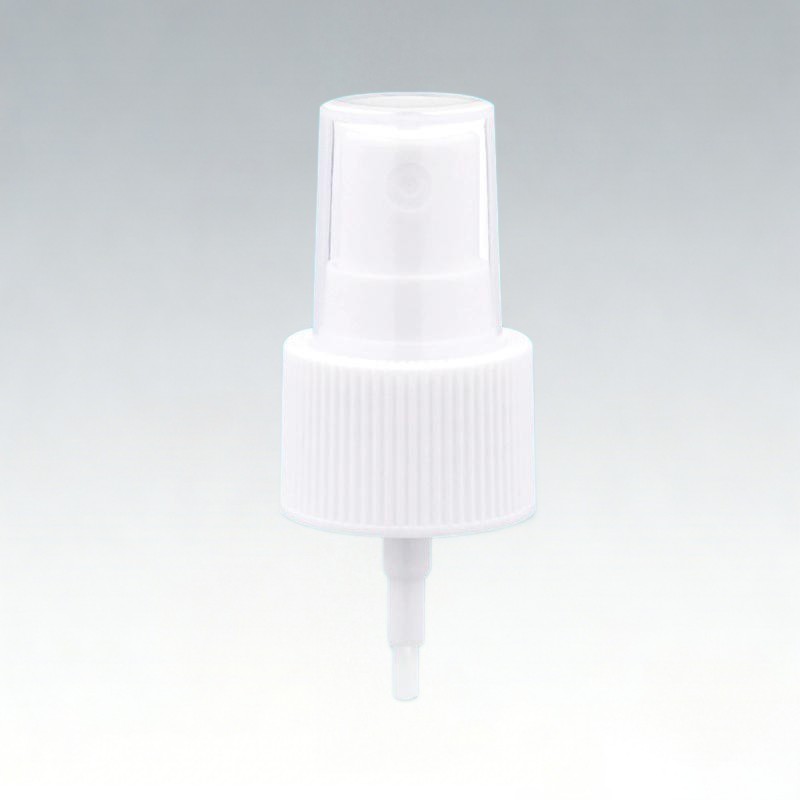
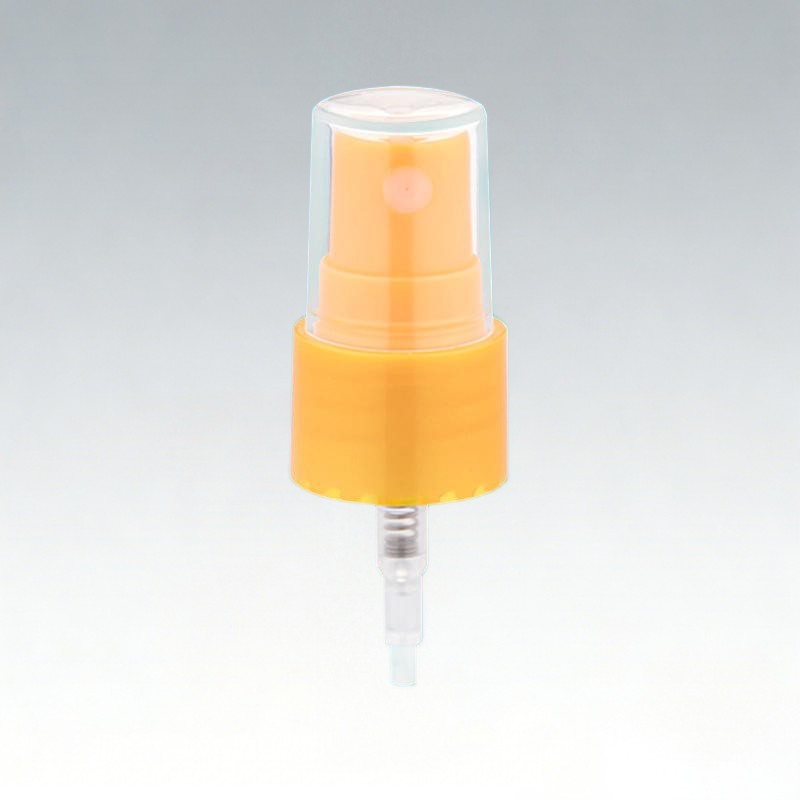
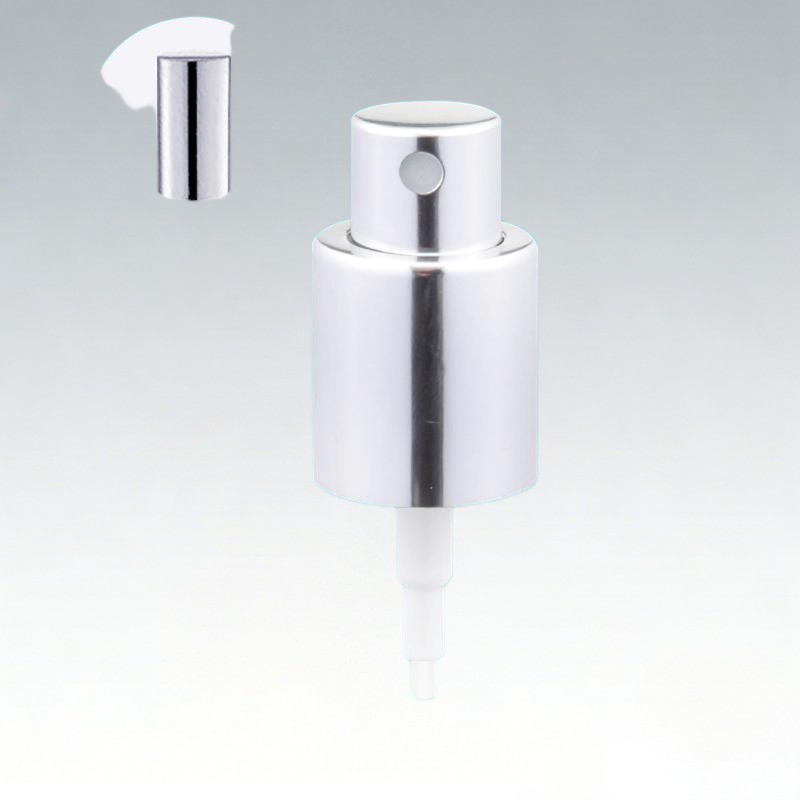
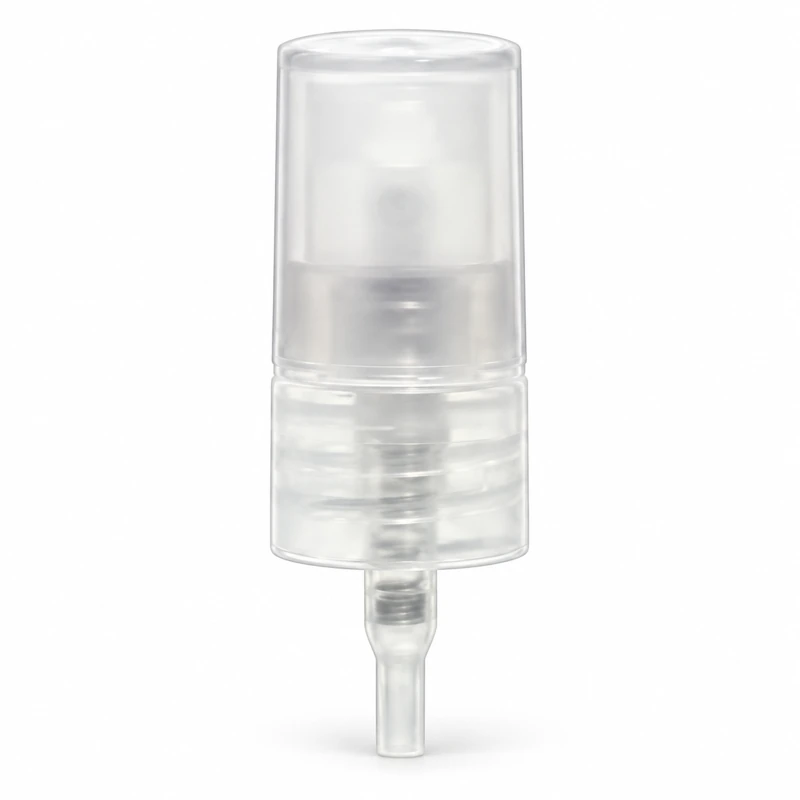
Components to discuss with your supplier.
These references share the component type discussed here. Confirm the selected assembly and application with samples.
Related articles
VIEW THE COMPONENTS