THE DECISION IN BRIEF
Users unscrew the bottle while trying to unlock the pump. Is an arrow on the head enough?
Observe the selected filled pack without coaching. Compare grip points, lock cues and instructions, and confirm that ordinary unlocking leaves the closure correctly assembled.
Watch the first attempt
Give reviewers the complete pack in its proposed retail state. Ask them to open it normally and record where they hold it. Avoid demonstrating first, because that removes the uncertainty the customer actually faces.
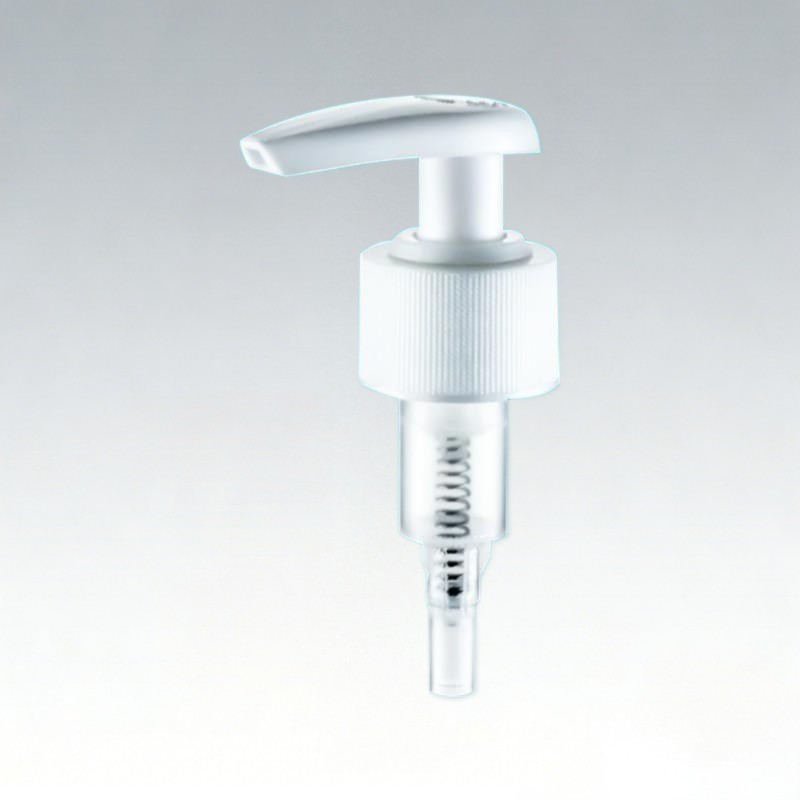
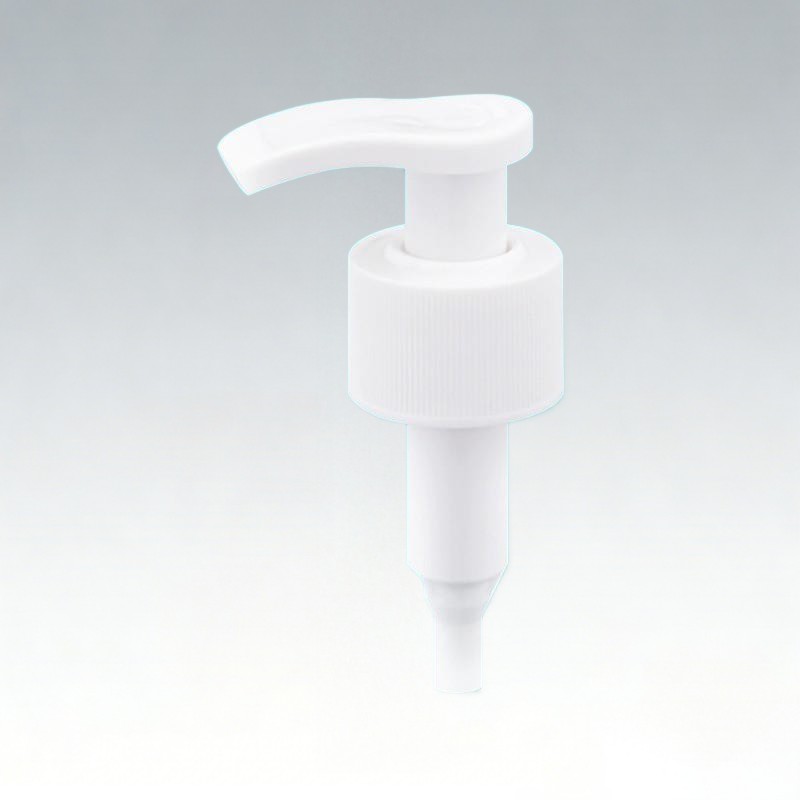
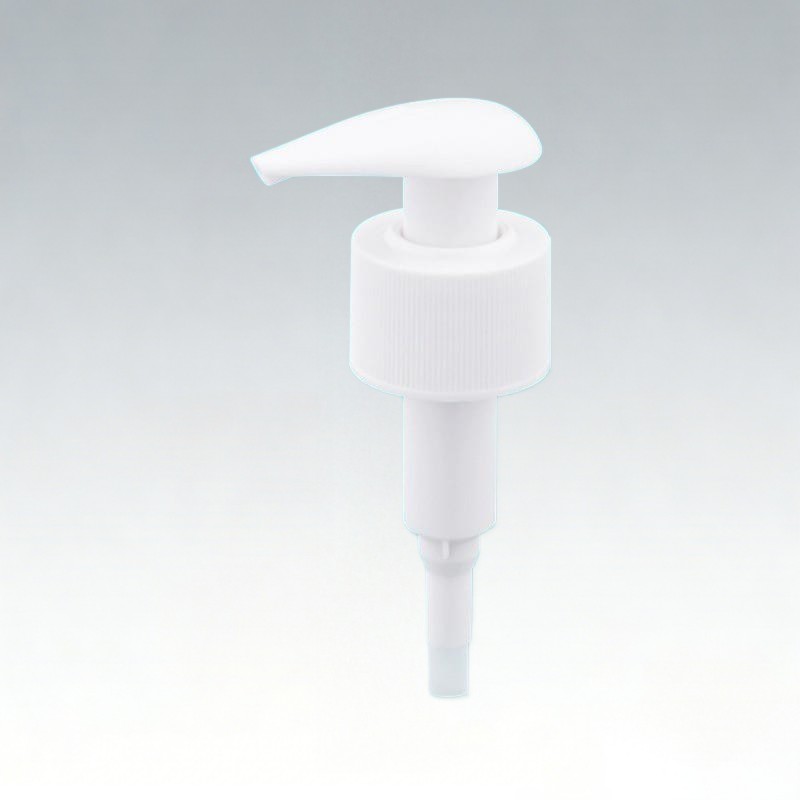
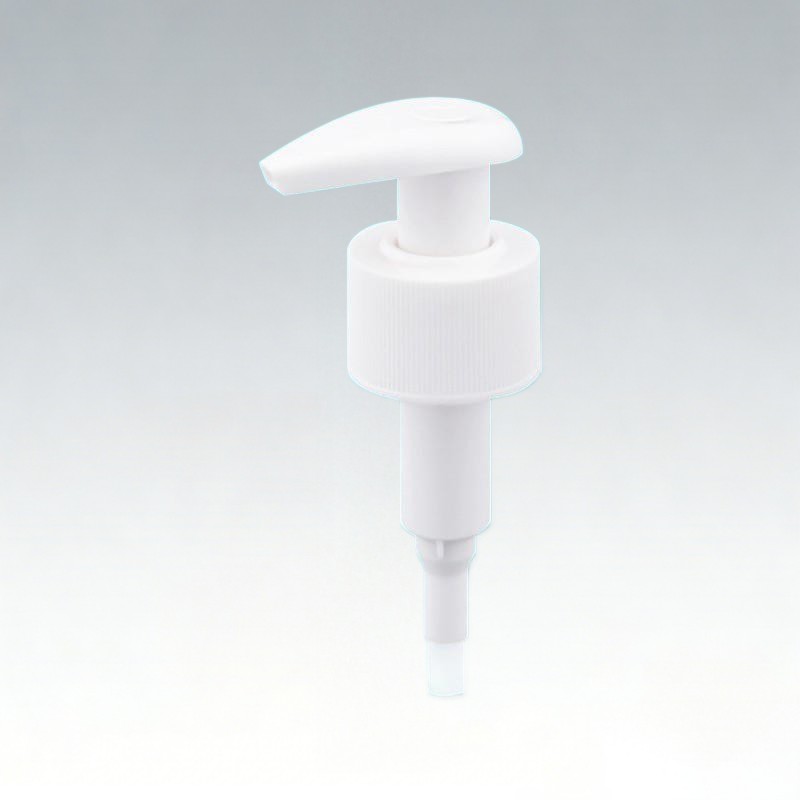
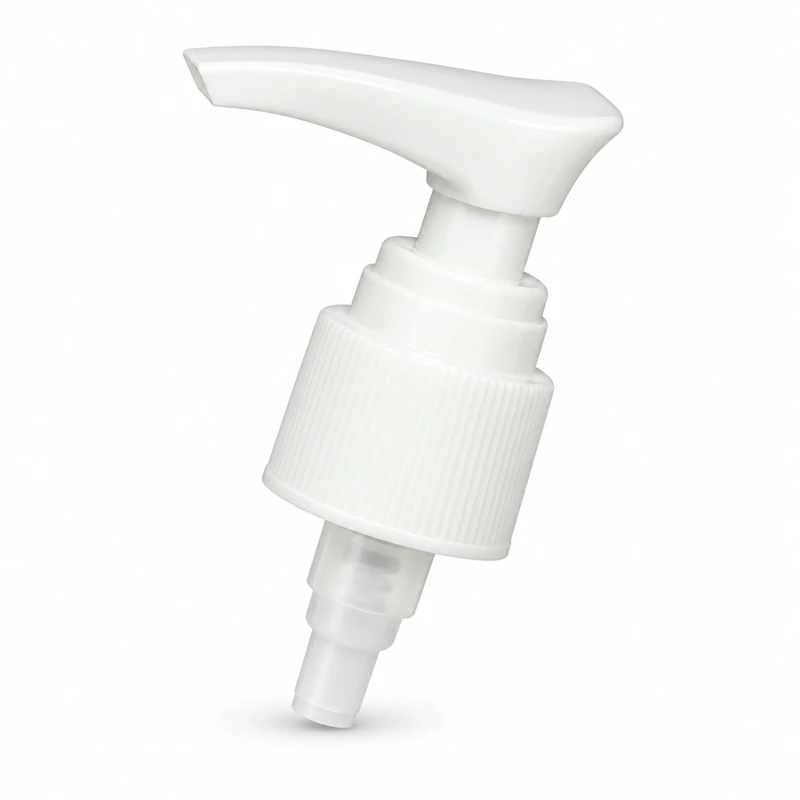
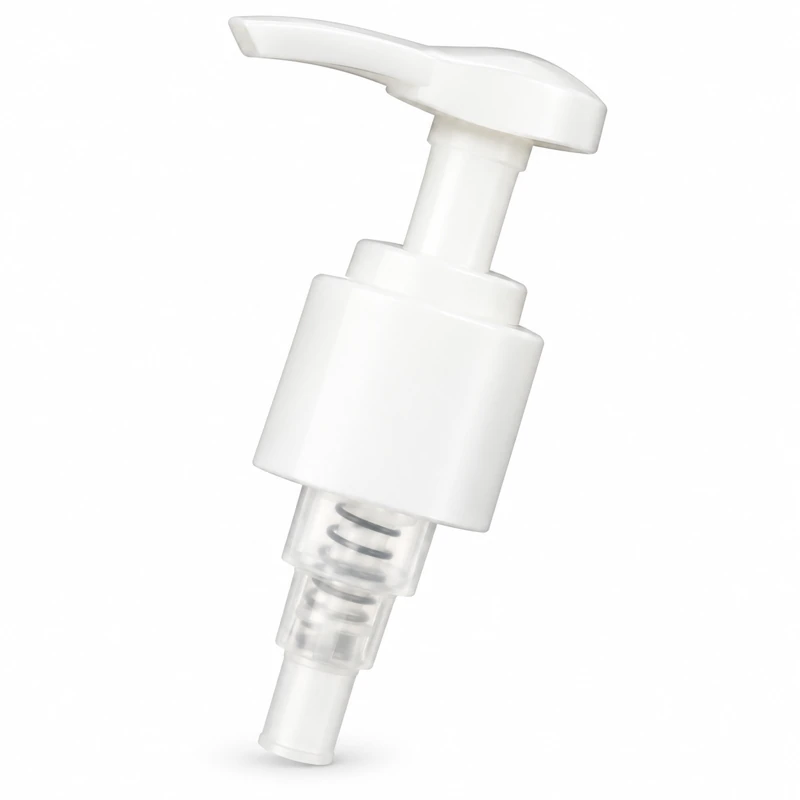
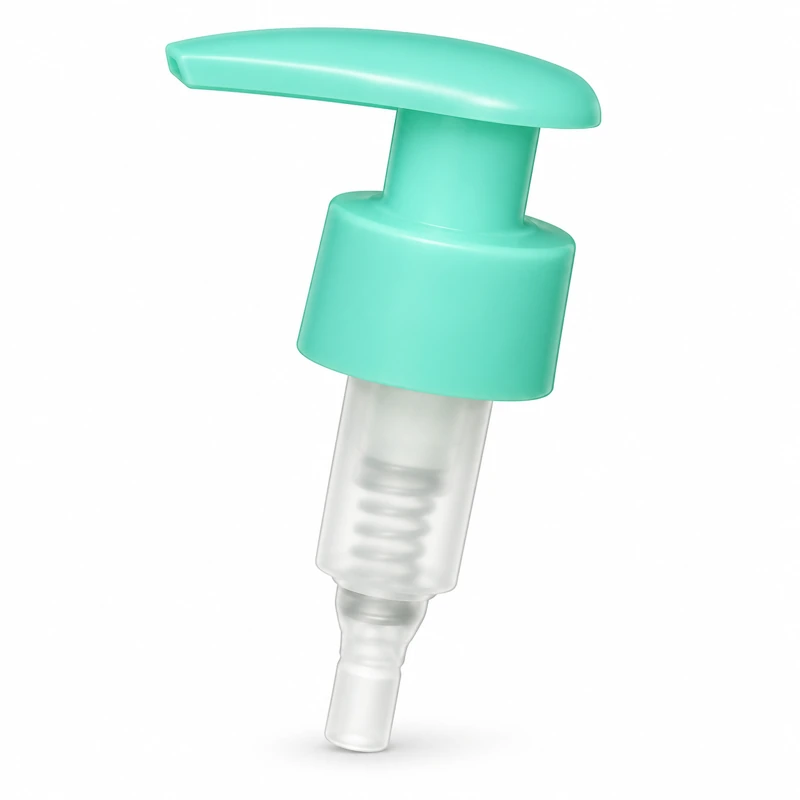
If users grip the smooth collar and rotate the whole assembly, identify whether the design offers a clear alternative grip point. O.Berk distinguishes the actuator from the closure; the user's task should make that distinction understandable without requiring technical knowledge.
An instruction comparison
Use the same pump and bottle while comparing the proposed graphic or wording. If the mechanism itself changes, identify that separately.
- Observe the first opening with no coaching.
- Record grip points and which component moves.
- Check whether closure seating changes during the attempt.
- Compare revised cues or supplied instructions.
- Repeat after relocking, since later use may differ from first use.
Do not make an arrow carry the entire design
An arrow can indicate direction while failing to identify the part that should turn. Check visibility, contrast and whether the cue remains legible on the chosen colour and finish. A decorative highlight may look clear in artwork but disappear under ordinary lighting.
Discuss the opening sequence with the supplier and filler. Confirm that production assembly settings follow the approved instructions, then check the actual finished sample. Do not tighten indefinitely to compensate for a confusing action; use the supplier's reviewed assembly guidance.
Evaluate users with the hand conditions relevant to the product, such as wet or lotion-covered fingers where appropriate. Observe effort and mistakes rather than assuming the same result from a clean dry demonstration.
Document the accepted instruction and final lock configuration together. If an actuator or collar substitution changes the grip or rotating interface, repeat the relevant usability review. A mechanically functional lock is only a complete purchasing solution when users can operate it while preserving the bottle assembly.
Sources & further reading
Use the references below alongside the selected component drawing and agreed sample plan. Product-specific claims need product-specific evidence.
PRODUCT REFERENCES
Components to discuss with your supplier.
These references share the component type discussed here. Confirm the selected assembly and application with samples.
Related articles
VIEW THE COMPONENTS