THE DECISION IN BRIEF
The collar spins when customers remove the cap. Should we tighten it?
Identify what is rotating and the collar’s intended role. Compare decorative movement with movement of the actual closure before changing assembly settings.
Mark the interfaces separately
Use an agreed non-damaging observation method to track bottle, closure, collar, and actuator independently. Record which part moves when the cap is pulled or twisted. A rotating decorative shell does not automatically mean the sealing closure is loosening, and a fixed-looking shell can conceal movement below it.
Ask the supplier whether the collar is decorative, retained by a particular feature, or part of the functional attachment. Obtain the intended assembly condition. Do not use the collar as a tool to apply extra tightening without understanding its relationship to the closure.
Reproduce the customer action
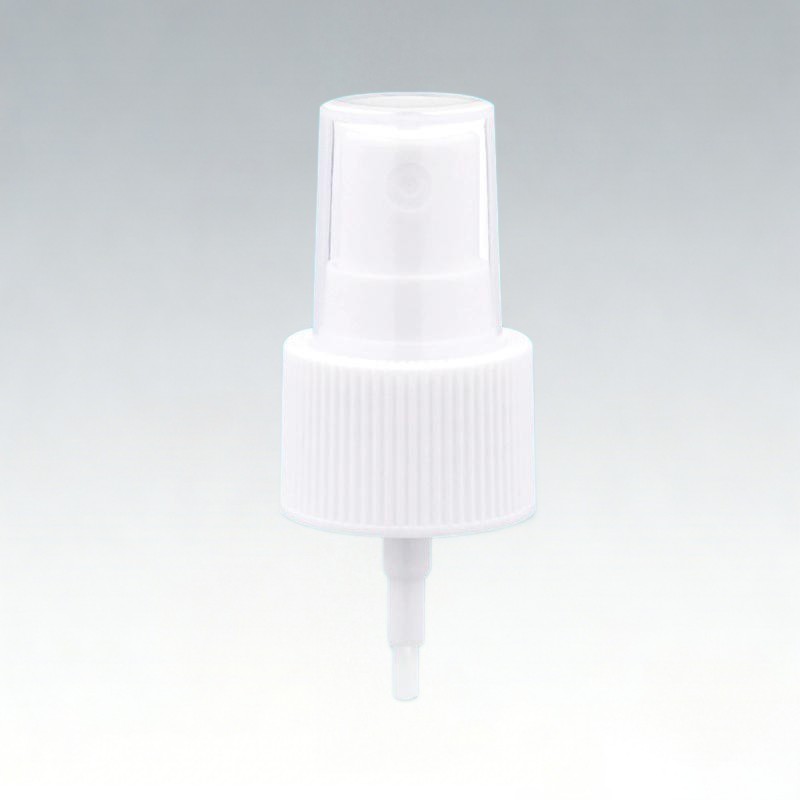
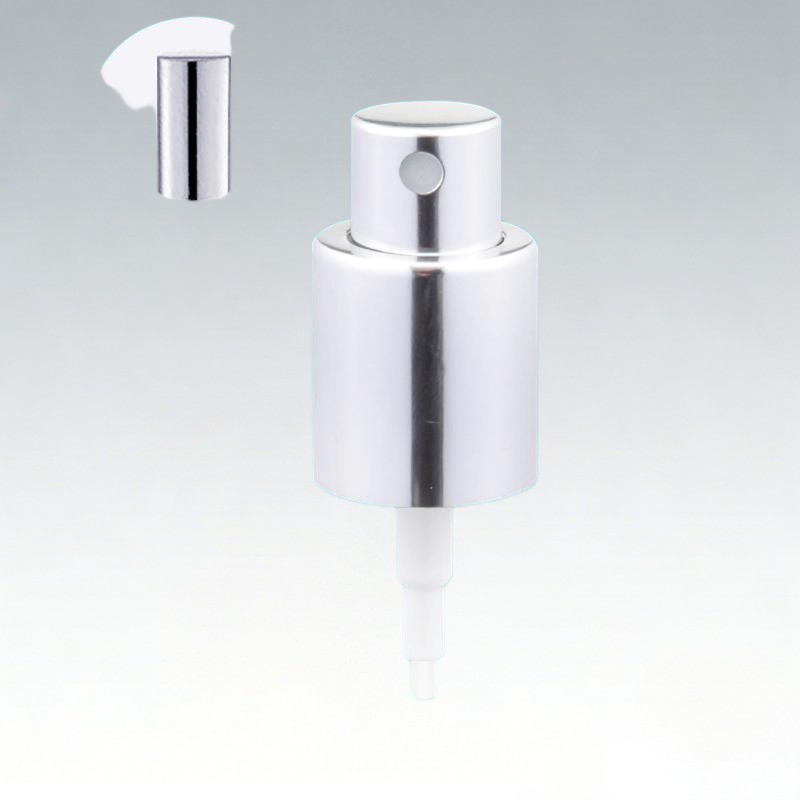
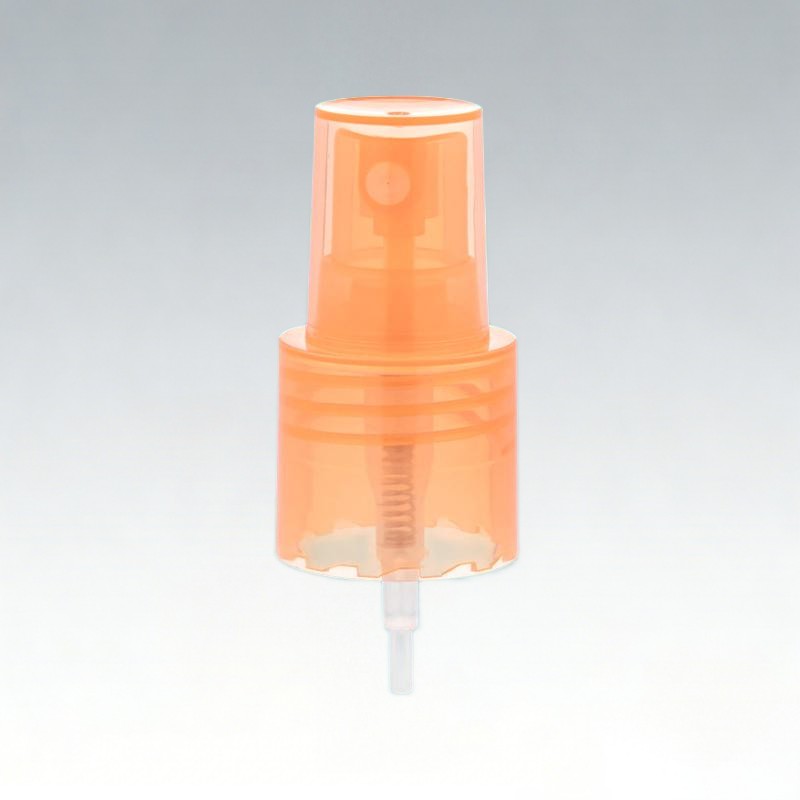
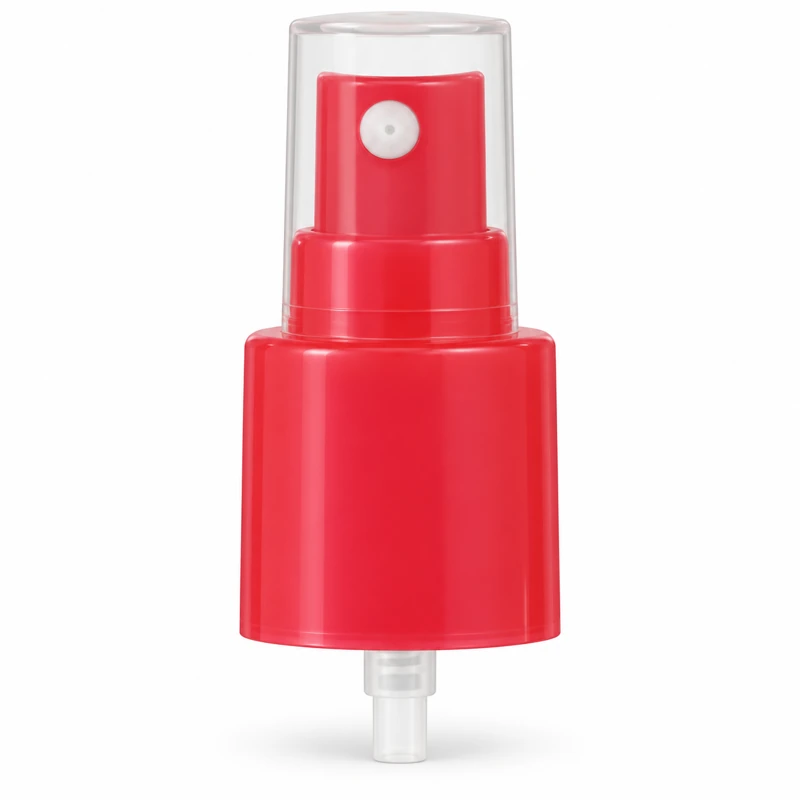
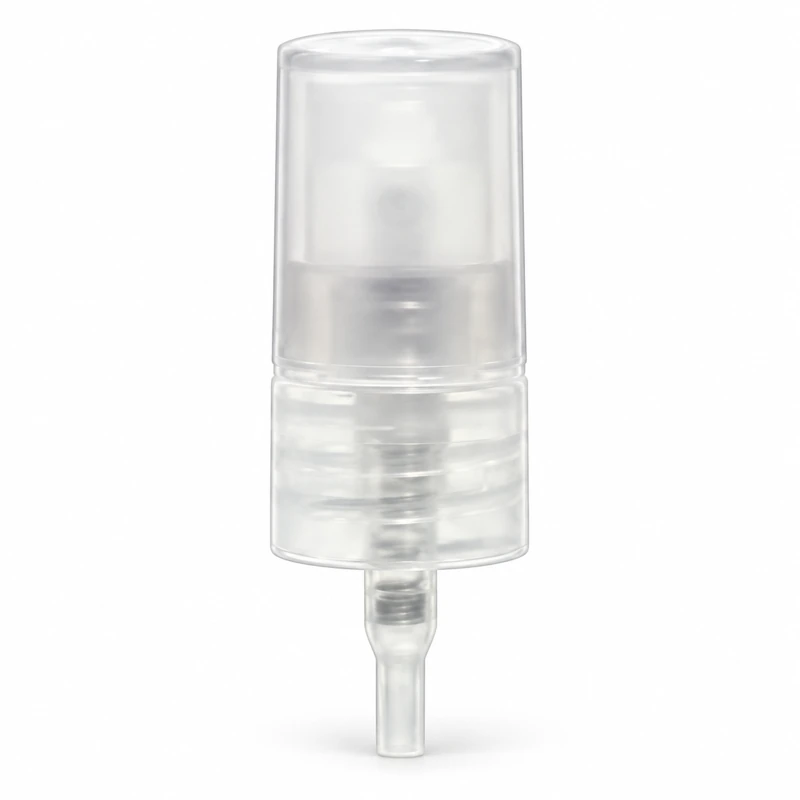
Silgan’s spray configuration includes different closure and external finish options. Keep the exact construction visible when requesting technical guidance on a movement complaint.
- Compare cap removal by pulling and by ordinary twisting.
- Observe whether the underlying closure also moves.
- Check the starting seating and collar position.
- Inspect contact, retention features, and any resulting wetting.
Choose the right corrective route
If only the decorative shell rotates, decide with the brand team whether the movement is acceptable and ask the supplier to review retention if needed. If the closure moves, examine the approved application method, bottle finish, and cap-removal load. These are different purchasing problems.
If movement appears after storage or formula contact, compare conditioned and unused assemblies. Preserve the failed construction before taking it apart. A tighter interference fit or adhesive proposal may affect appearance, material contact, or serviceability and needs its own review.
Approve behavior rather than a hand-tight instruction
Set a clear expected removal and handling experience. Record the accepted collar alignment and any permitted movement using identified references. Avoid vague instructions such as make the collar tighter; they cannot be verified consistently across deliveries.
Repeat cap removal, dispensing, and relevant storage after the chosen change. Keep the collar and closure revisions linked to the production instruction and incoming checks. The final assembly should preserve sealing and user handling without relying on an operator’s improvised extra turn or an undocumented retention step.
Sources & further reading
Use the references below alongside the selected component drawing and agreed sample plan. Product-specific claims need product-specific evidence.
PRODUCT REFERENCES
Components to discuss with your supplier.
These references share the component type discussed here. Confirm the selected assembly and application with samples.
Related articles
VIEW THE COMPONENTS