THE DECISION IN BRIEF
Can we put our existing liquid soap into a foaming bottle without changing the formula?
Only after formula and pump evaluation confirms it. Submit the intended formulation for foamer selection and compare liquid consumption, foam texture and stability; do not assume ordinary soap will work unchanged.
The pump change is a formulation decision
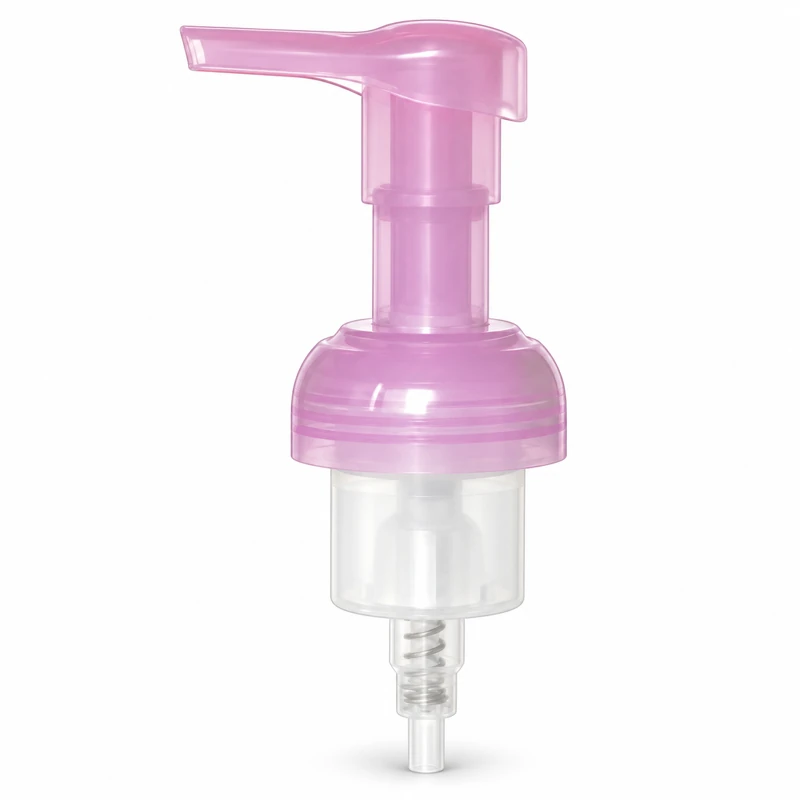
A lotion pump delivers liquid product through its dispensing path. A foamer combines liquid and air to create the dispensed foam. Silgan's foam formulation resource identifies the air-to-liquid ratio and mesh selection as configuration decisions. This explains why swapping the head alone is not a reliable route to a finished foaming product.
Silgan also stresses formulation suitability, including homogeneity and ingredient compatibility. Its published formulation guidance is specific to its recommendations and technology; any stated viscosity or pH range should not become a universal specification for every foamer. Give the selected pump supplier your own formulation details and request the applicable limits.
Describe the foam you intend to sell
“Rich foam” is too subjective for purchasing approval. Prepare references that show the intended amount, bubble appearance, wetness and behaviour after dispensing. Decide whether the product should spread immediately, hold its shape briefly or rinse readily. Ask marketing and formulation teams to agree the target before comparing samples.
Review the formula's intended ingredients with the formulator rather than diluting a finished soap informally. Adding water may alter properties beyond pump performance. The packaging trial should use the formula intended for production and the formulator's approved manufacturing process. A successful bench demonstration using a different bulk is only a development observation.
Test the dispensed foam across samples and after relevant storage. Record watery discharge, coarse bubbles, delayed recovery or changes after standing. These observations help the supplier distinguish an unsuitable configuration from a formula issue without relying on an ambiguous judgement such as “the foam feels cheap.”
Two doses need two records
Visible foam volume and liquid consumed are different measurements. Silgan's F3 product page lists liquid output and delivered foam dose separately for its configurations. For your project, request both definitions and their evaluation methods. The larger visible portion is not the amount of formula removed from the bottle.
Estimate product use from measured liquid consumption and the agreed number of strokes, then compare the user experience. A visually generous foam may provide the desired coverage with less liquid, but that is a result to demonstrate for your product rather than a claim to inherit from another manufacturer's page.
| Purchasing comparison | Lotion or liquid pump | Foaming pump |
|---|---|---|
| Main delivered form | Liquid portion | Liquid expanded with air into foam |
| Critical approval target | Usable portion and clean delivery | Liquid dose plus foam quality |
| Formula discussion | Flow, recovery and compatibility | Foamability, homogeneity and compatibility |
| Consumption record | Mass or volume of liquid per stroke | Liquid consumed separately from visible foam |
| Bottle review | Finish, housing and tube | Finish, housing, tube and selected foamer architecture |
Run a controlled changeover
Use a small comparison matrix with the intended formula and clearly identified pump configurations. Keep bottle, fill amount and evaluation conditions consistent where possible. Retain the best and rejected samples with notes so that later changes can be judged against specific differences.
Before placing a production order, confirm pump-to-bottle fit, cap retention, priming, liquid output, foam appearance and operation near empty. Include compatibility review after storage and a trial of the filler’s assembly process. The appearance of fresh foam alone does not approve the entire package.
Ask STDPAK to review the project under its foam-pump category and identify the quoted configuration explicitly. Its standard MOQ is 30,000 pieces, with lead time typically 35–45 days subject to quotation. Plan formulation development and sample approval ahead of that production schedule rather than treating the lead time as a substitute for development.
Sources & further reading
Use the references below alongside the selected component drawing and agreed sample plan. Product-specific claims need product-specific evidence.
PRODUCT REFERENCES
Components to discuss with your supplier.
These references share the component type discussed here. Confirm the selected assembly and application with samples.
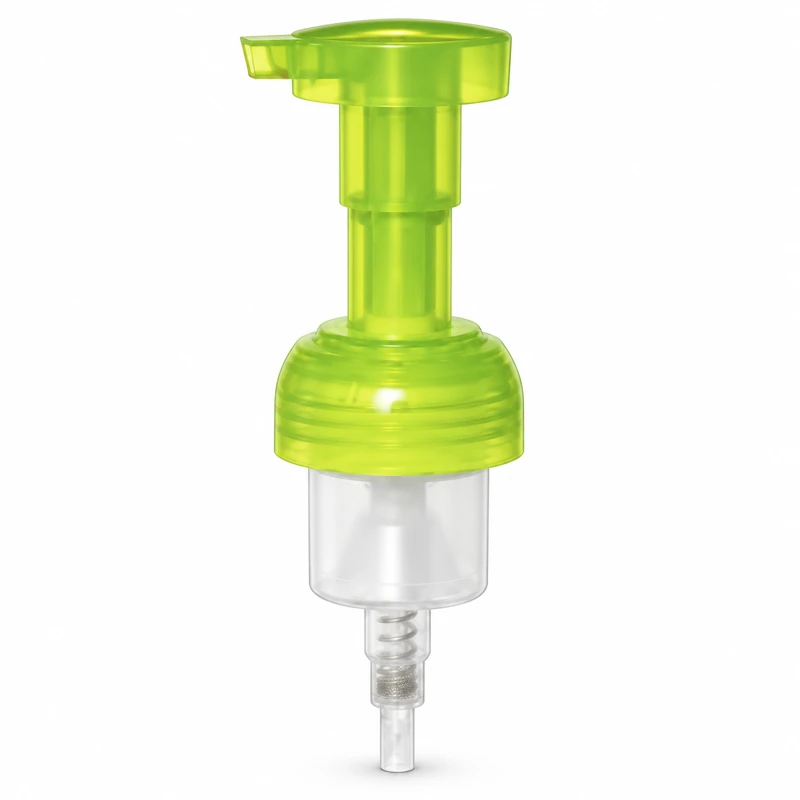
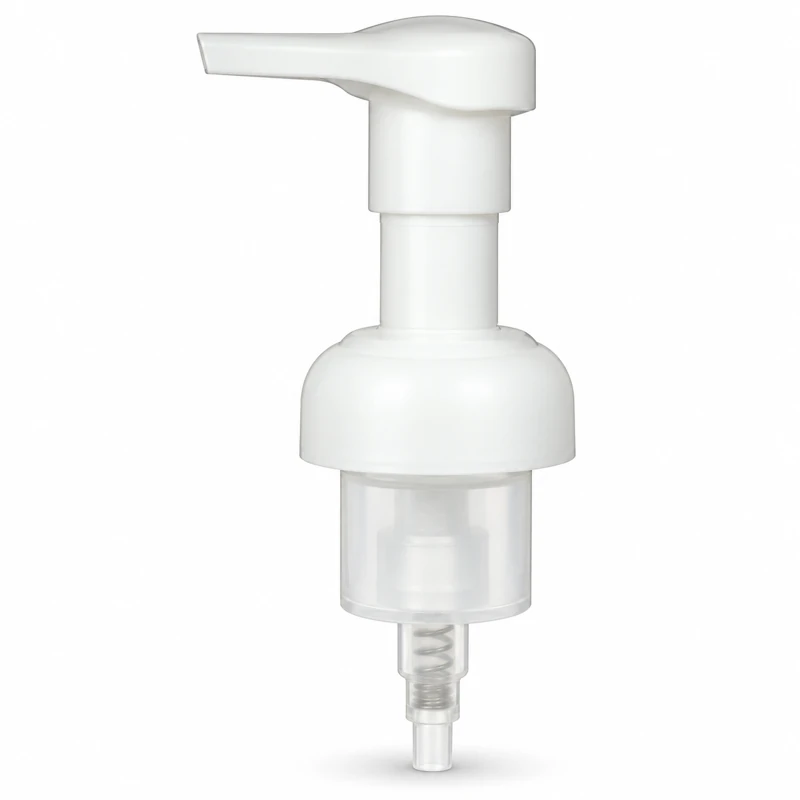
VIEW THE COMPONENTS