THE DECISION IN BRIEF
Our foam looks full at the nozzle but collapses before users spread it. Should the engine supply more air?
Compare the final formula and candidate configurations over the actual application interval. More visible foam is not automatically more stable or more useful; ask the formulator and supplier to review the pairing.
Identify the user's time window
Record where the foam is dispensed, how long users naturally wait and what happens before application. A hand wash used immediately has a different task from a treatment distributed across hair. Describe the actual sequence in the brief. Record whether the loss of shape occurs before hand movement or during spreading, because those are different application observations.
Silgan's formulation resource identifies formula quality and pump configuration as contributors to foam experience. It supports investigating both rather than assuming the engine alone determines how long a portion keeps its form.
Compare what changes
Use the same receiving surface, bulk and observation timing. Keep any numerical timing illustrative until the product team defines its own requirement.
| Observation | Review |
|---|---|
| Liquid collects beneath foam | Wetness and drainage during intended use |
| Portion rapidly shrinks | Formula/configuration pairing |
| Attractive appearance but poor spread | Application suitability |
| One variant behaves differently | Formula identity and representative sampling |
Optimize for useful foam
Ask the supplier to identify available ratio, mesh or engine alternatives and explain which question each candidate addresses. Compare them under the same sequence. Do not accept “more air” as a complete specification without observing the delivered result.
Review liquid consumption alongside texture. A larger-looking portion may not provide the desired amount of product on the target, while a smaller dense portion may be perfectly suitable. The application and user dose should guide the tradeoff.
Have the formulator assess any proposed change to improve stability. Keep early development blends separate from the formula selected for production, and label the samples accordingly.
Approve the relevant interval and application behaviour, not an isolated catalogue image. Record the accepted engine and formula references with the comparison method. If the product requires unusually persistent foam, make that requirement explicit early enough for the supplier to say whether its selected technology is an appropriate candidate.
Sources & further reading
Use the references below alongside the selected component drawing and agreed sample plan. Product-specific claims need product-specific evidence.
PRODUCT REFERENCES
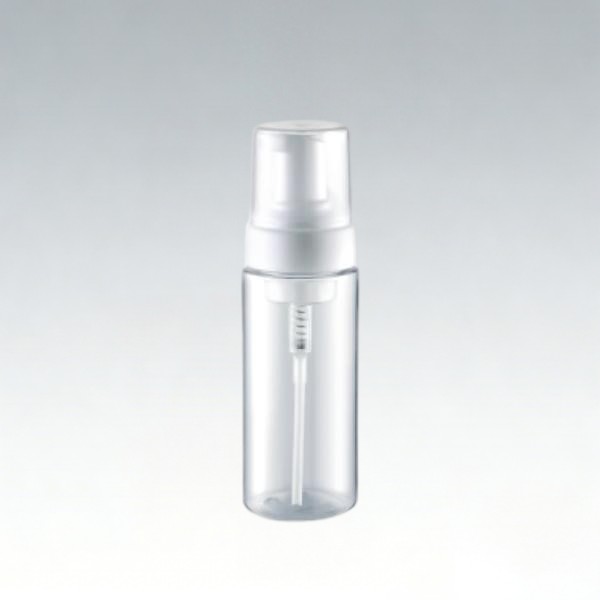
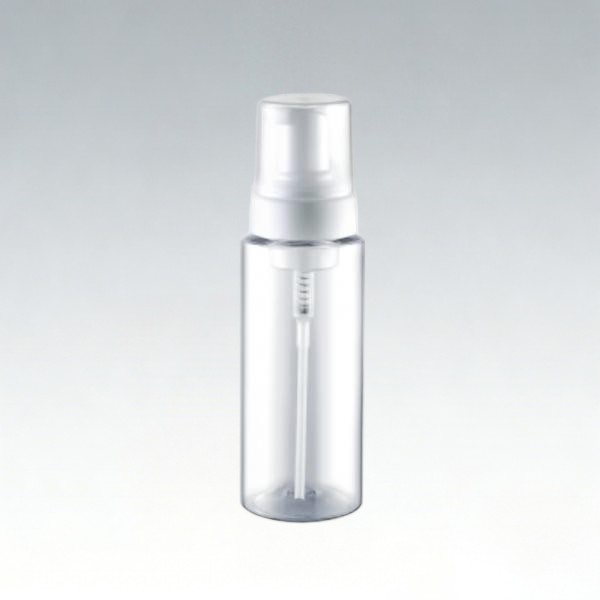
Components to discuss with your supplier.
These references share the component type discussed here. Confirm the selected assembly and application with samples.
VIEW THE COMPONENTS