THE DECISION IN BRIEF
Users sometimes point our sprayer the wrong way. Can a printed arrow solve it?
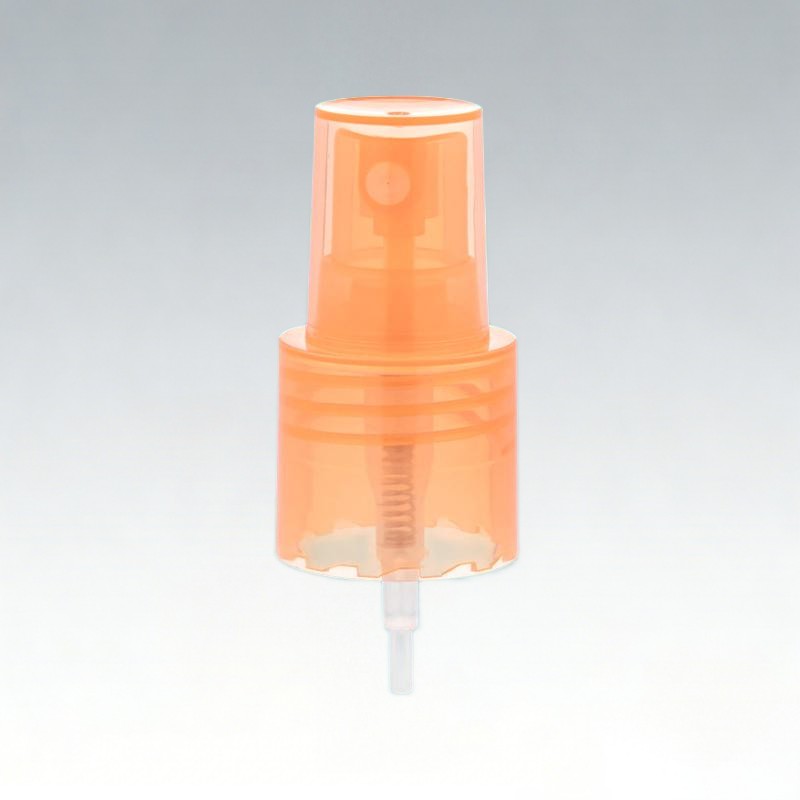
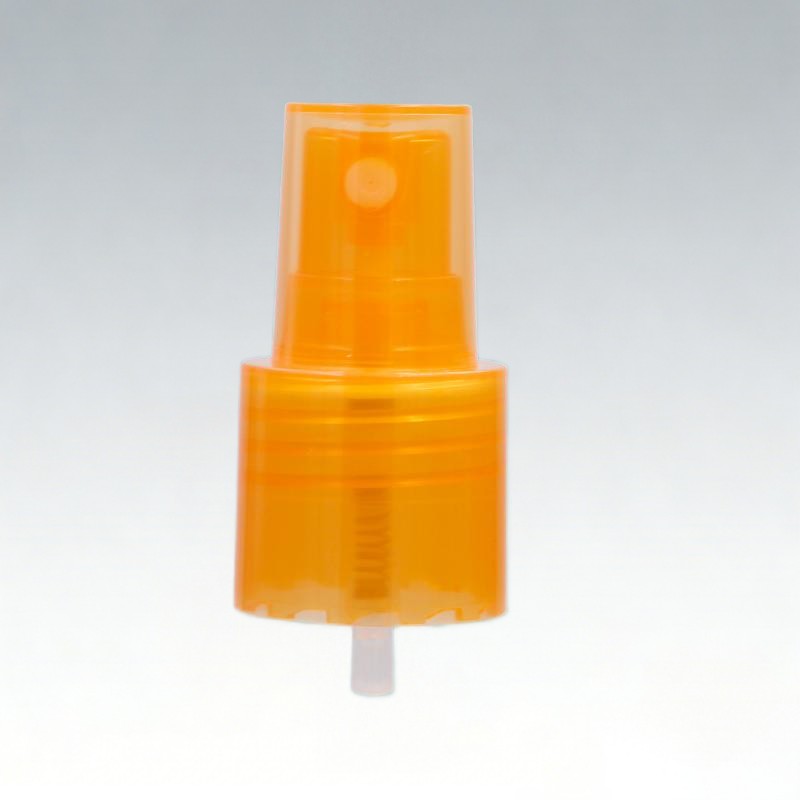
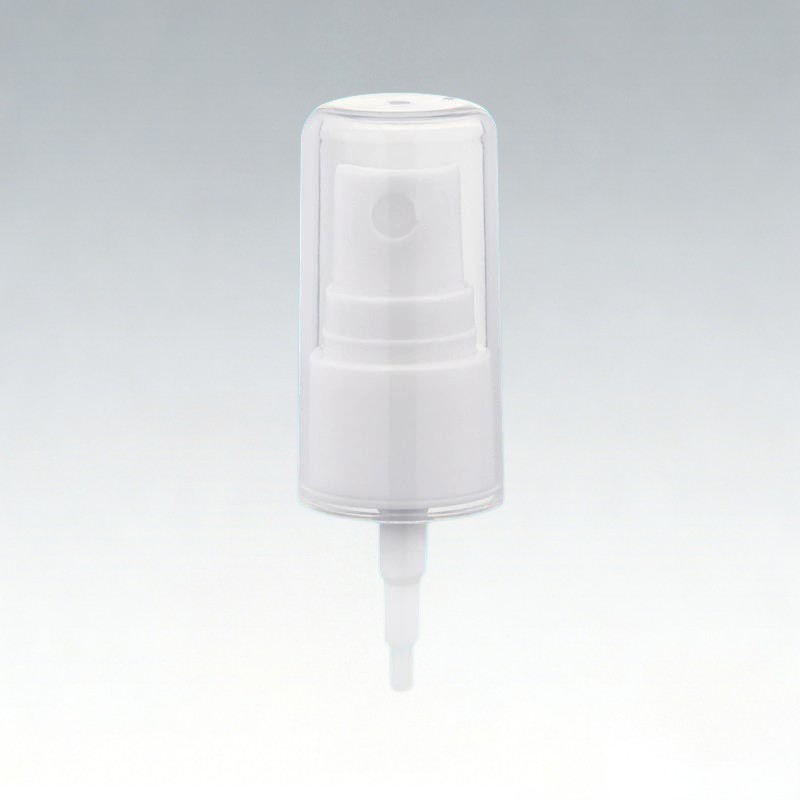
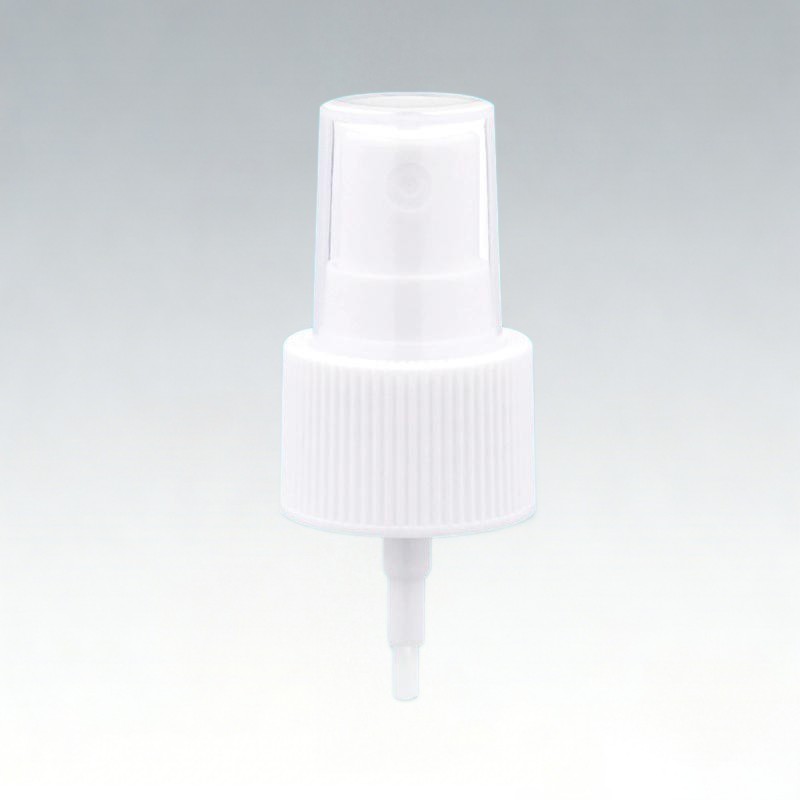
Observe the confusion on the final decorated pack, then compare clear outlet visibility, head geometry, and any proposed cue before approving artwork alone.
Identify when orientation becomes unclear
Give users the capped pack in its normal presentation. Observe removal, grip, and the first attempt to spray. Record whether they cannot locate the outlet, confuse the front with the rear, or rotate the bottle to match the label. Those are related but distinct design issues.
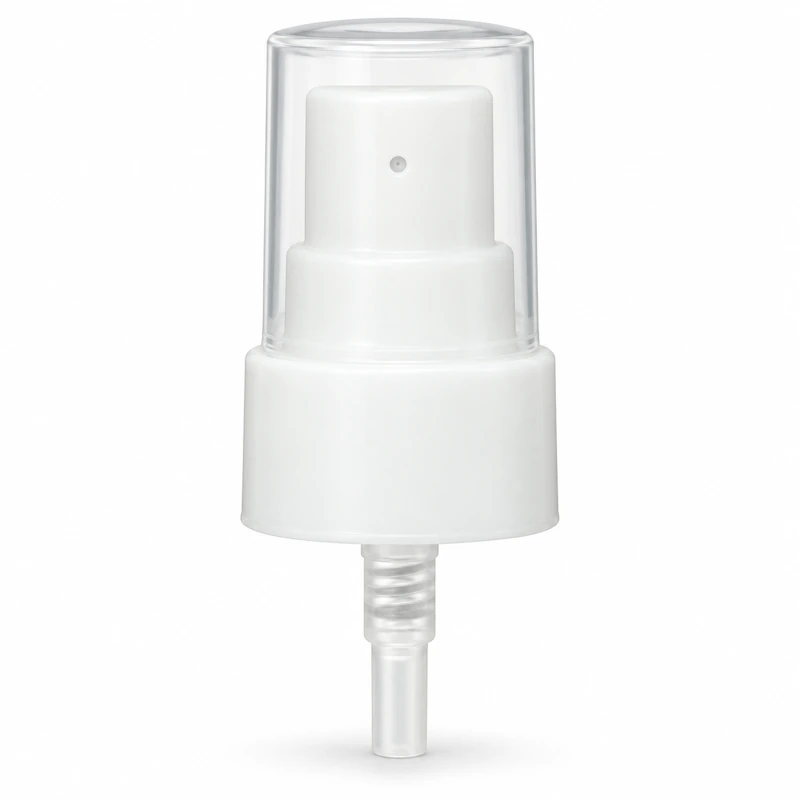
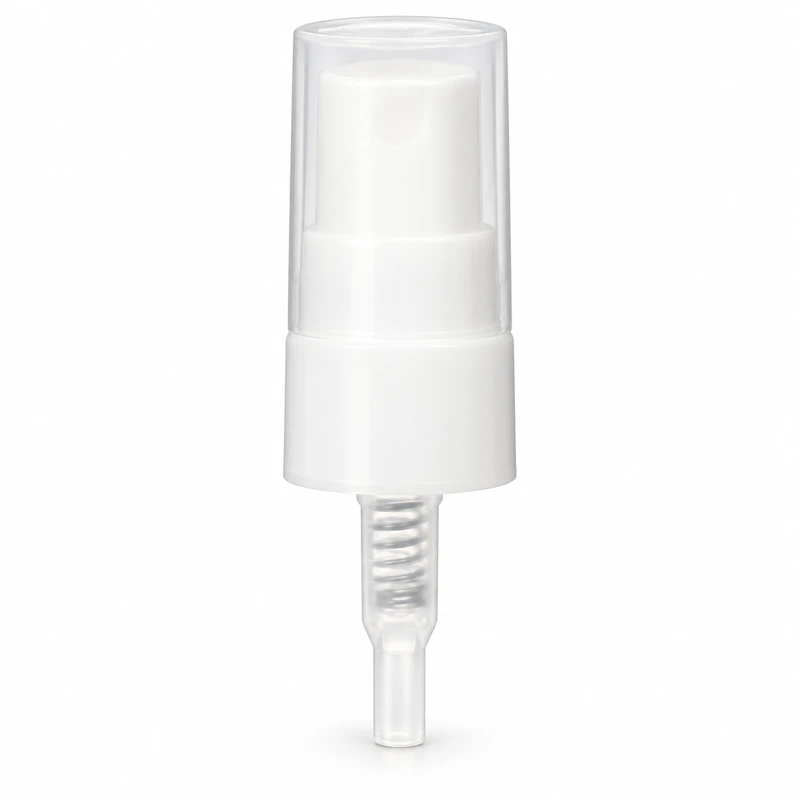
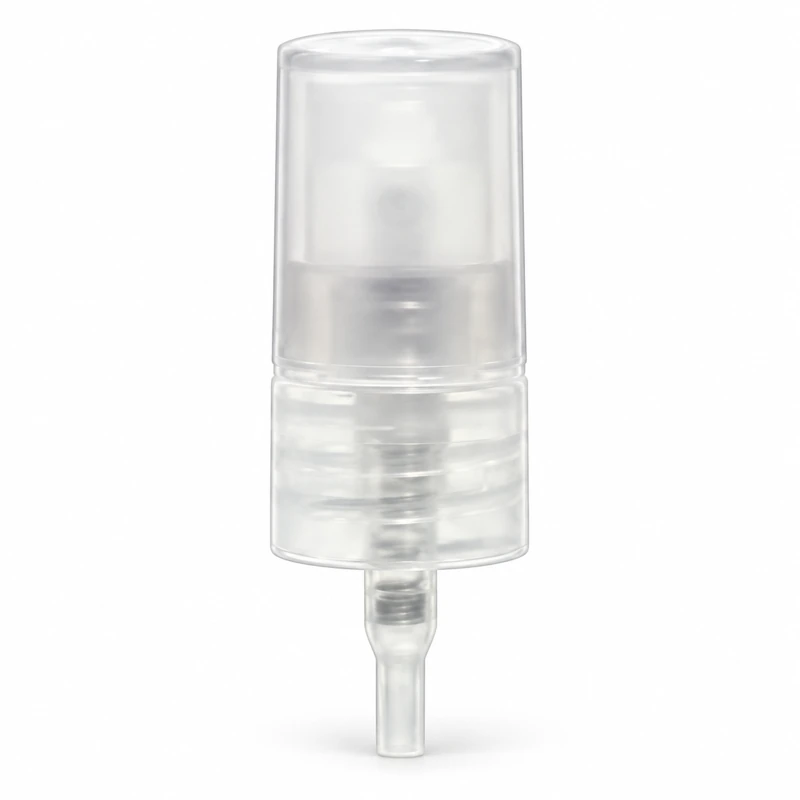
Use the production-intent color and finish. A clear outlet on a white prototype may disappear on a dark metallic head or beneath a decorative feature. Evaluate ordinary viewing conditions rather than relying on a brightly lit close-up photograph.
Compare cue options physically
O.Berk’s creative services support visualizing decorated packages. Use that stage to explore cues, then confirm their practical effect with an identified physical assembly.
- Check whether the outlet is visible before pressing.
- Compare finger-pad shape and natural grip.
- Evaluate proposed marks under relevant lighting.
- Repeat handling after cap replacement and bottle rotation.
Avoid solving the wrong problem
If users can see the outlet but struggle to hold the bottle correctly, review the bottle and actuator relationship. If a decorative collar obscures the opening, an arrow may only compensate partially for an avoidable geometry problem. If the head rotates freely by design, a cue on the bottle label may not track its actual direction.
Ask the supplier whether the proposed mark affects decoration, tooling, or component orientation during assembly. A cue is only useful if it reliably corresponds to the outlet. Keep alignment responsibility explicit rather than assuming operators will manually orient every head.
Release the instruction and physical design together
Choose a cue that users understand without repeated coaching. Assess its durability through relevant handling and formula contact. A mark that wears away after a few uses cannot serve as the sole lasting orientation reference.
Record the actuator revision, cue position, decoration reference, and assembly requirement. Recheck when color, finish, cap opacity, or head shape changes. The approved result should make the intended direction readily apparent while preserving the sprayer’s functional clearances and the final package appearance.
Sources & further reading
Use the references below alongside the selected component drawing and agreed sample plan. Product-specific claims need product-specific evidence.
PRODUCT REFERENCES
Components to discuss with your supplier.
These references share the component type discussed here. Confirm the selected assembly and application with samples.
Related articles
VIEW THE COMPONENTS