THE DECISION IN BRIEF
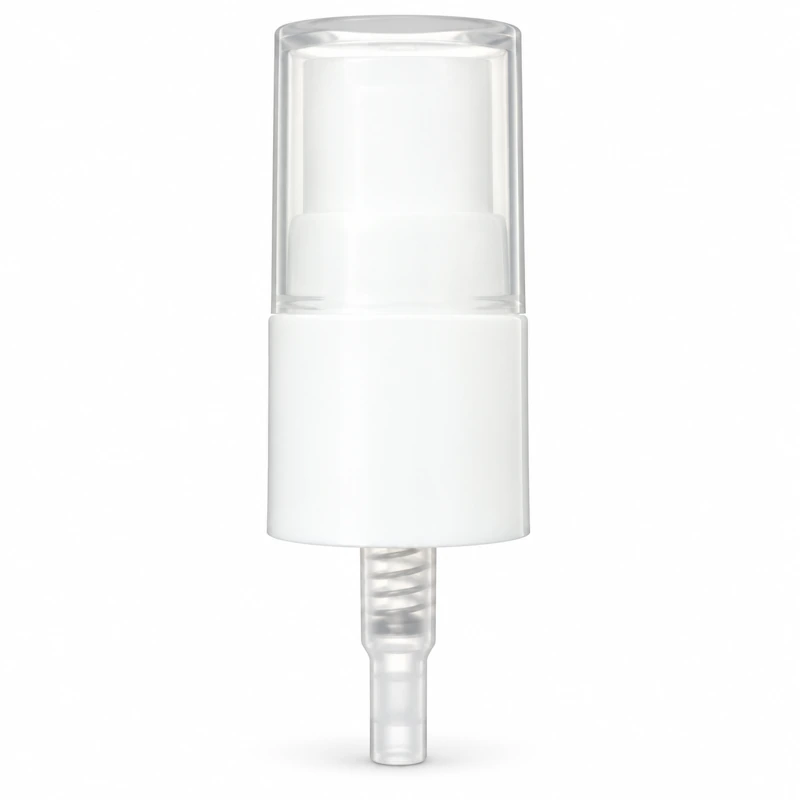
Our fine mist samples spray water but struggle to start with the finished formula. Is the pump defective?
Do not decide from the water result. Check the exact assembly, tube and operating method, then compare the final formula against the supplier's intended application and priming criteria.
Define the failure precisely
“Will not spray” can describe a locked actuator, an empty flow path, intermittent discharge or liquid emerging without the intended mist. Record which condition occurs, whether any product reaches the nozzle and whether the actuator returns completely. These details let the supplier investigate without guessing from a short complaint.
Priming performance is configuration-dependent. Silgan describes Mark VII Max as an option for difficult and higher-viscosity formulations, while Aptar's PZ1 page identifies its own formula field and insert choices. Neither page establishes that every fine mist pump should prime the same formula or meet one universal stroke count.
Inspect the pack before altering the formula
Confirm that the actuator is in its operating state and that a protective clip, cap or travel feature has been removed as intended. Inspect the dip tube connection and the tube's position in the bottle. Check that filling and assembly have not displaced a component or forced the inlet against the bottle interior.
Observe the return stroke. Repeated rapid pressing without full return can make a sample comparison difficult to interpret. Follow an agreed actuation method, record the pace and use the intended orientation. If a pump works only after an unusual manoeuvre, document it rather than quietly treating that manoeuvre as normal consumer use.
Look for product around the neck and nozzle separately. Leakage and failure to pick up formula can coexist, but visible wetting does not by itself identify the internal cause. Preserve failed samples in their observed condition for review instead of dismantling every unit immediately.
| Observed symptom | Useful controlled check |
|---|---|
| No actuator movement | Verify lock state and physical clearance |
| Movement but no product | Check fill level, tube connection and inlet position |
| Works with water, not with formula | Review formula suitability and exact pump configuration |
| Starts, then becomes intermittent | Observe return, tube pickup and storage history |
| Liquid emerges without acceptable mist | Evaluate insert, formula and full-stroke spray performance |
| Restarts poorly after standing | Compare agreed storage intervals using identified samples |
Use comparison samples to isolate the variable
A useful investigation changes one item at a time. Compare the suspect pump on a known approved bottle if available, then compare an identified reference pump with the same formula. Keep tube length, fill level and operating method recorded. A change of bottle, formula and actuator at once may create a working sample without revealing the cause.
Request supplier screening when the final formula differs materially from the liquid used for initial sampling. Share composition information through the appropriate confidential channel, plus relevant physical-property data and its measurement conditions. A description such as “thin oil” does not adequately define dispensing behaviour.
Agree how to distinguish first product from stable spray. The first liquid at the nozzle may not represent the eventual pattern or usable portion. Record both observations and evaluate repeat samples; do not approve the entire batch because one unit eventually produces a good plume.
Convert the diagnosis into an order change
If the solution is another insert, engine or tube, obtain the revised reference and repeat the affected approval work. A supplier's informal suggestion to “use this version” needs to reach the quotation, sample label and production specification. Preserve earlier results so the reason for the change remains visible.
For an STDPAK project, submit the failed and working samples with their formula and assembly records. Request the selected mist configuration and agreed priming criteria in writing. Production release should follow a reproducible outcome on the intended pack, including restart after relevant storage, rather than a general promise that the replacement pump is stronger.
Sources & further reading
Use the references below alongside the selected component drawing and agreed sample plan. Product-specific claims need product-specific evidence.
PRODUCT REFERENCES
Components to discuss with your supplier.
These references share the component type discussed here. Confirm the selected assembly and application with samples.
Related articles
VIEW THE COMPONENTS