THE DECISION IN BRIEF
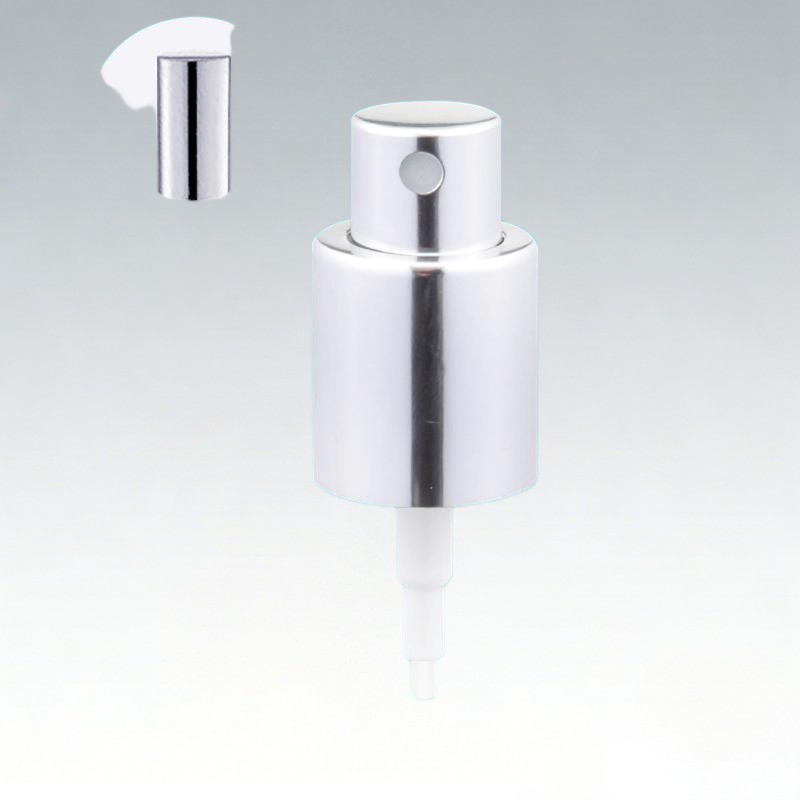
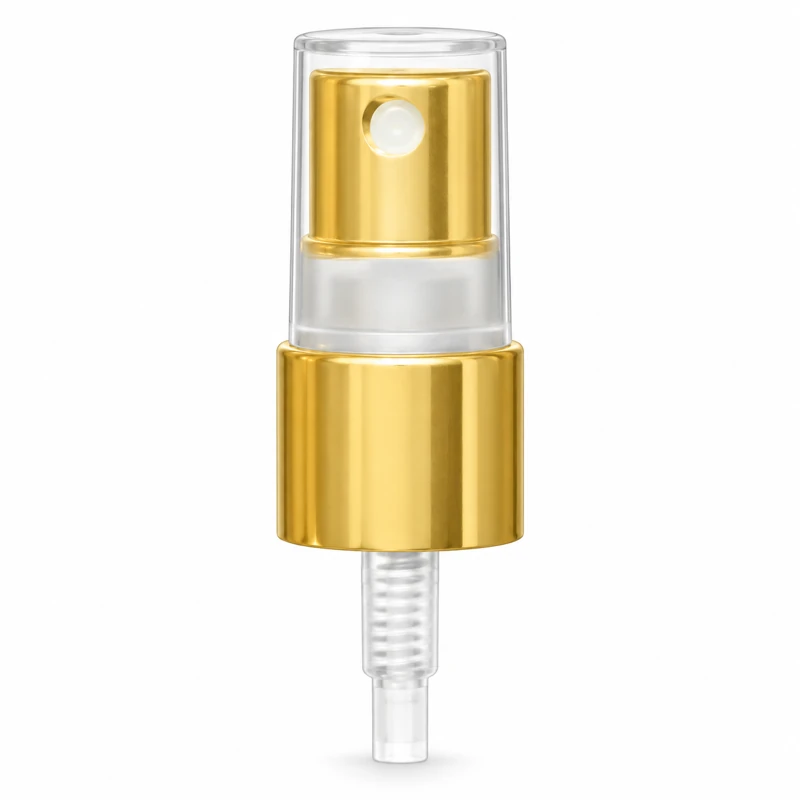
Our gold-colored collar changes appearance after use. Is the metal unsuitable?
Identify the actual finish and exposure route, then compare unexposed and used samples. Review material condition before selecting a different decorative treatment.
Name the material and process
Gold-colored describes appearance, not construction. Ask whether the proposed part is metal, metallized plastic, coated metal, or another identified design. Record the substrate, finish process, and lot. Similar-looking collars can require different technical investigations.
Map where the change occurs and when it first appears. A ring near the nozzle, a mark under the cap, and discoloration at the bottle interface suggest different contact conditions. Photograph without polishing the original specimen so the supplier can examine the evidence.
Compare the actual exposures
Aptar lists metal shrouds and aesthetic options for defined spray configurations. Request the exact proposed finish rather than assuming that every metallic appearance uses the same material.
| Observation | Comparison to request |
|---|---|
| Change after spraying | Actual formula contact against an unexposed reference |
| Change inside packed cartons | Packing contact and stored components |
| Change after wiping | Approved cleaning method and untouched sample |
| Damage at one edge | Assembly contact and local finish condition |
Choose a remedy that preserves function
If the mark is a removable deposit, investigate its source and whether normal use keeps recreating it. If the finish itself changes, request a material or process alternative with application-specific evidence. A darker color may hide the effect without resolving the mechanism.
Include collar fit, actuator clearance, and cap interaction when testing a revised finish or substrate. Decoration thickness and material changes should remain under supplier review. Do not force a revised collar into place to recover the approved silhouette.
Agree how appearance will be judged after relevant use and storage, with clear references and conditions. Keep the product team involved if there is suspected transfer or material deterioration. Release only the identified construction and formula combination, and require review for future finish substitutions. This creates a purchasing specification that addresses both the desired look and the actual exposure it must tolerate.
Sources & further reading
Use the references below alongside the selected component drawing and agreed sample plan. Product-specific claims need product-specific evidence.
PRODUCT REFERENCES
Components to discuss with your supplier.
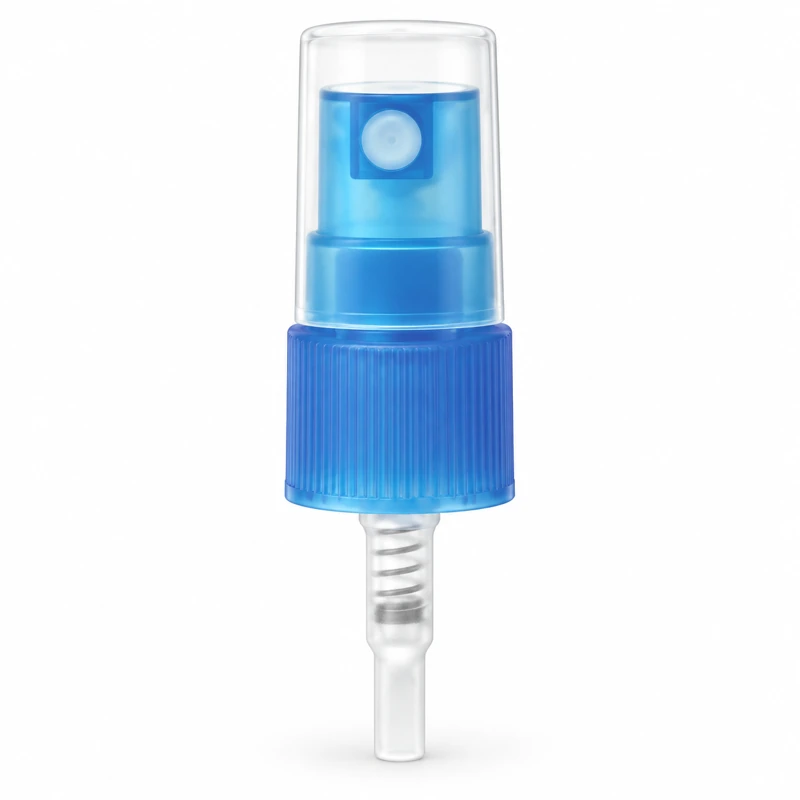
These references share the component type discussed here. Confirm the selected assembly and application with samples.
Related articles
VIEW THE COMPONENTS